- BIST10011,722-2.89%
- USD49.42+0.06%
- EUR55.41+0.20%
- GOLD4,180.40+0.25%
- INTEREST37.00%-1.00
- BITCOIN81,586-0.66%
- October 16, 202612°
- BIST10011,722-2.89%
- USD49.42+0.06%
- EUR55.41+0.20%
- GOLD4,180.40+0.25%
- INTEREST37.00%-1.00
- BITCOIN81,586-0.66%
- October 16, 202612°
Eurovision 2026: History, Scandals, and This Year's Big Winner
Eurovision 2026 is being talked about with major boycotts and the victory of Bulgarian singer Dara. Details about Eurovision's history and political impacts are in our news.


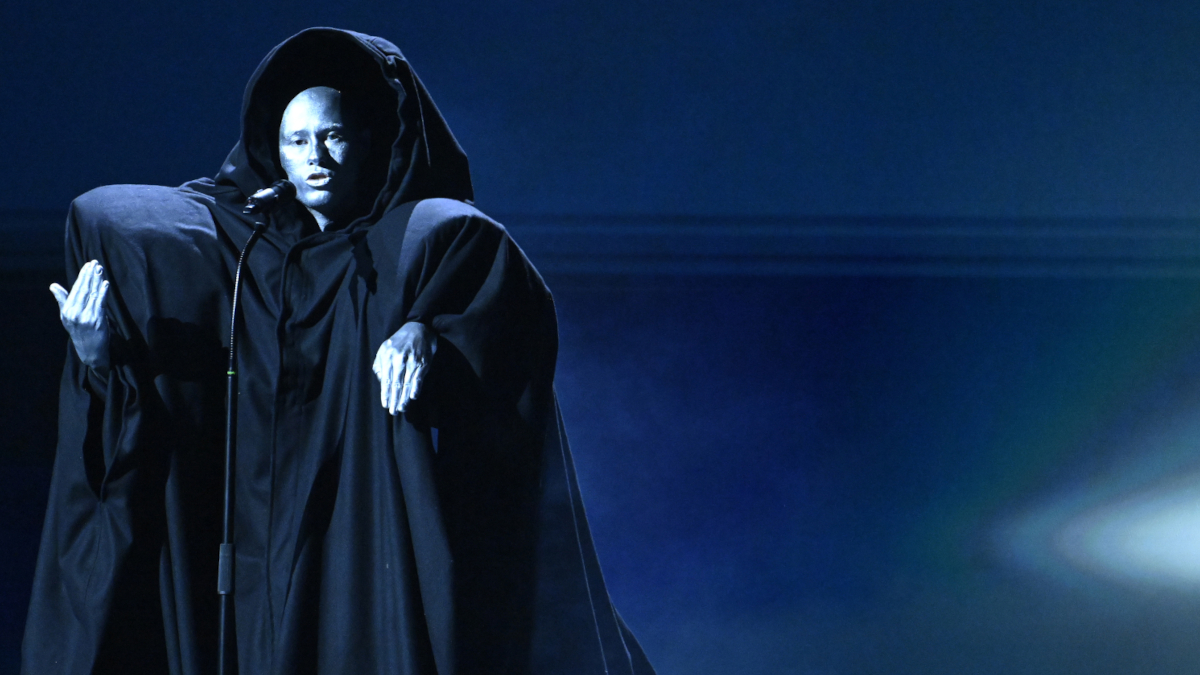
The 70th Eurovision Song Contest held in Vienna on May 16, 2026, ended with a great victory for Dara representing Bulgaria with the song 'Bangaranga'. However, this year's contest witnessed one of the biggest boycotts in history with countries like Spain, Ireland, the Netherlands, Iceland, and Slovenia boycotting in reaction to Israel's participation. Eurovision was established in 1956 to strengthen Europe's cultural ties after the war. The first contest took place in Lugano, Switzerland, and since then, many changes have been made to the format and rules.

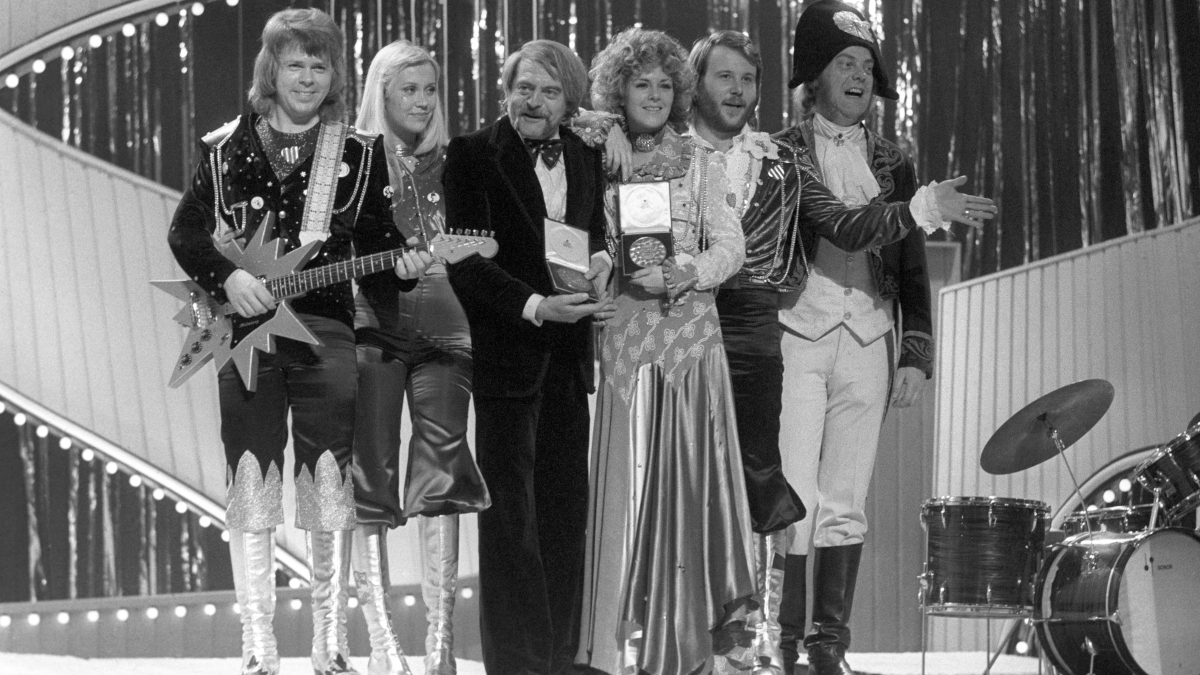
The victory achieved by the Swedish group ABBA with the song 'Waterloo' in 1974 increased Eurovision's importance on the world music stage. The contest became a platform reflecting not only music but also the political and social dynamics of the time. This year's boycotts show that Eurovision is still influenced by political and cultural tensions. The future of the contest and how such political influences will be overcome remain a matter of curiosity.

Stay Updated with RuskiGazeta
Subscribe to be informed about special news, developments and announcements. We will keep you informed.
By signing up, you agree to our Privacy Policy