- BIST10011,653-0.59%
- USD49.45+0.05%
- EUR55.62+0.37%
- GOLD4,189.60+0.20%
- INTEREST37.00%-1.00
- BITCOIN82,704+0.84%
- October 19, 202617°
- BIST10011,653-0.59%
- USD49.45+0.05%
- EUR55.62+0.37%
- GOLD4,189.60+0.20%
- INTEREST37.00%-1.00
- BITCOIN82,704+0.84%
- October 19, 202617°
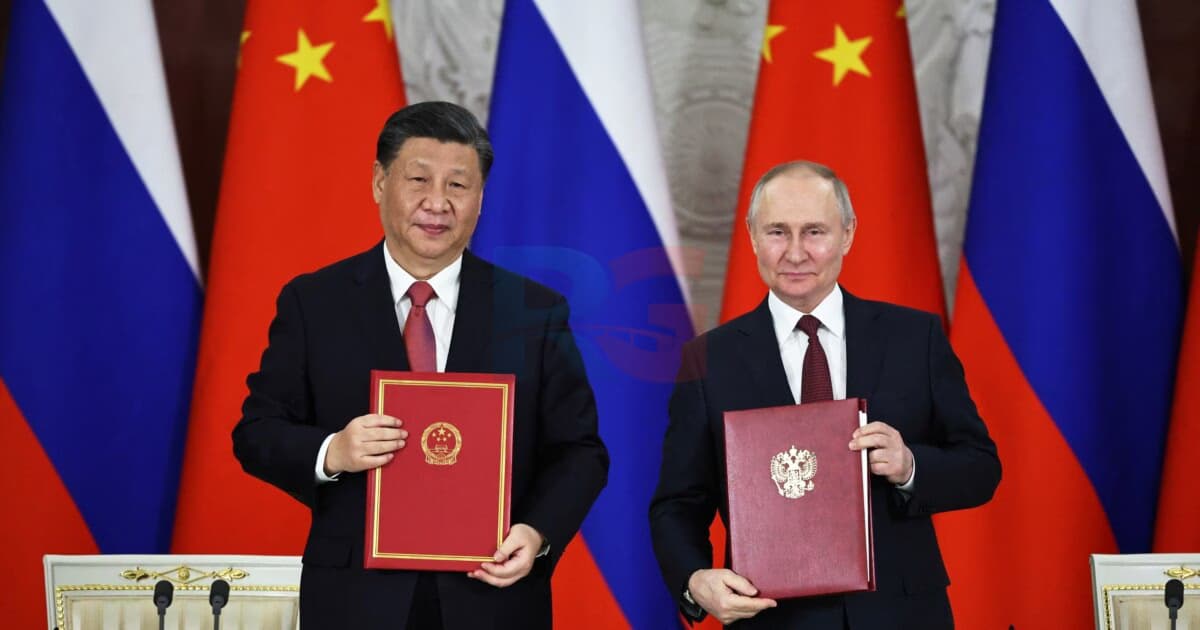
A New Era in the Russia-Ukraine War: Is the Russian Model Running Out?
BBC Russian Service reports that Ukraine is challenging Russia's war methods with drones and that the situation on the front line is changing.


Stay Updated with RuskiGazeta
Subscribe to be informed about special news, developments and announcements. We will keep you informed.
By signing up, you agree to our Privacy Policy