- BIST10011,722-2.89%
- USD49.45+0.05%
- EUR55.62+0.37%
- GOLD4,195.10+0.33%
- INTEREST37.00%-1.00
- BITCOIN81,526+0.18%
- October 19, 202614°
- BIST10011,722-2.89%
- USD49.45+0.05%
- EUR55.62+0.37%
- GOLD4,195.10+0.33%
- INTEREST37.00%-1.00
- BITCOIN81,526+0.18%
- October 19, 202614°
Russia's Leningrad Oblast Region Has Become a Frontline After Ukraine Attacks
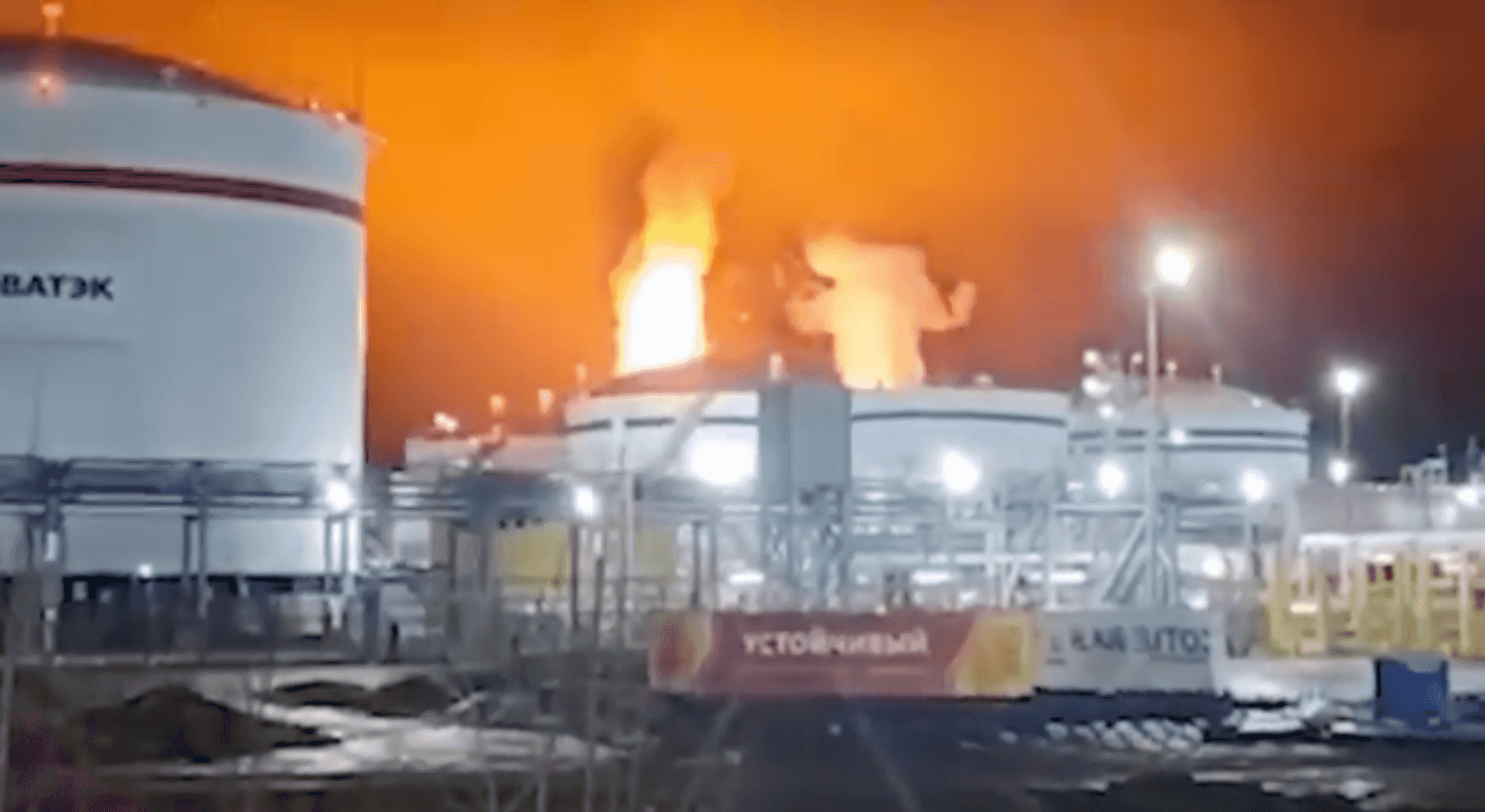
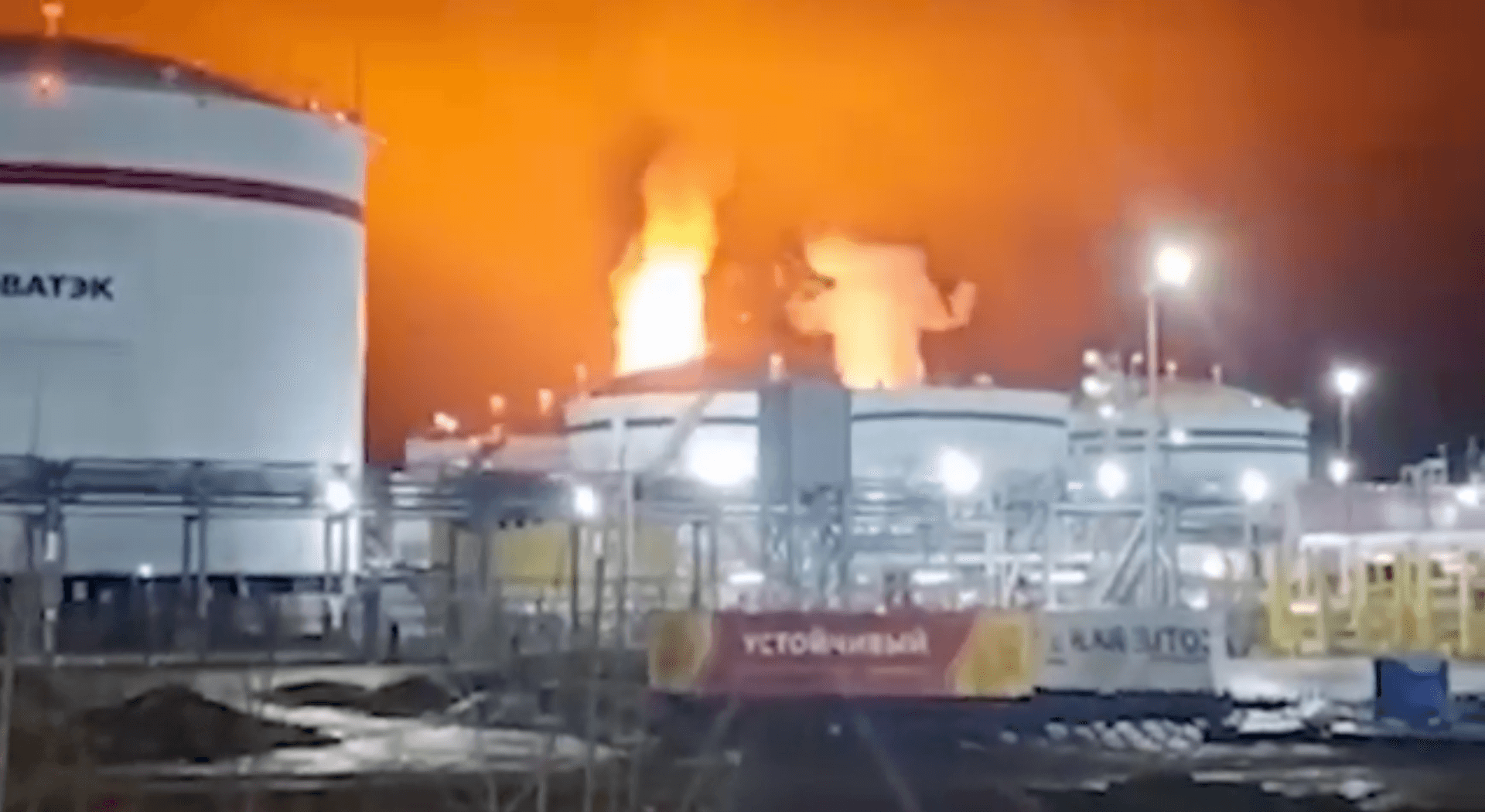
Russia's Leningrad Oblast region is no longer just a border area but is now considered a frontline following attacks carried out by Ukraine in March and April 2026. While key ports and energy infrastructure in the region were targeted, the increase in Ukraine's long-range strike capabilities has raised the strategic importance of the area.
Stay Updated with RuskiGazeta
Subscribe to be informed about special news, developments and announcements. We will keep you informed.
By signing up, you agree to our Privacy Policy