- BIST10011,722-2.89%
- USD49.45+0.05%
- EUR55.62+0.37%
- GOLD4,181.100.00%
- INTEREST37.00%-1.00
- BITCOIN80,970-0.51%
- October 19, 202614°
- BIST10011,722-2.89%
- USD49.45+0.05%
- EUR55.62+0.37%
- GOLD4,181.100.00%
- INTEREST37.00%-1.00
- BITCOIN80,970-0.51%
- October 19, 202614°
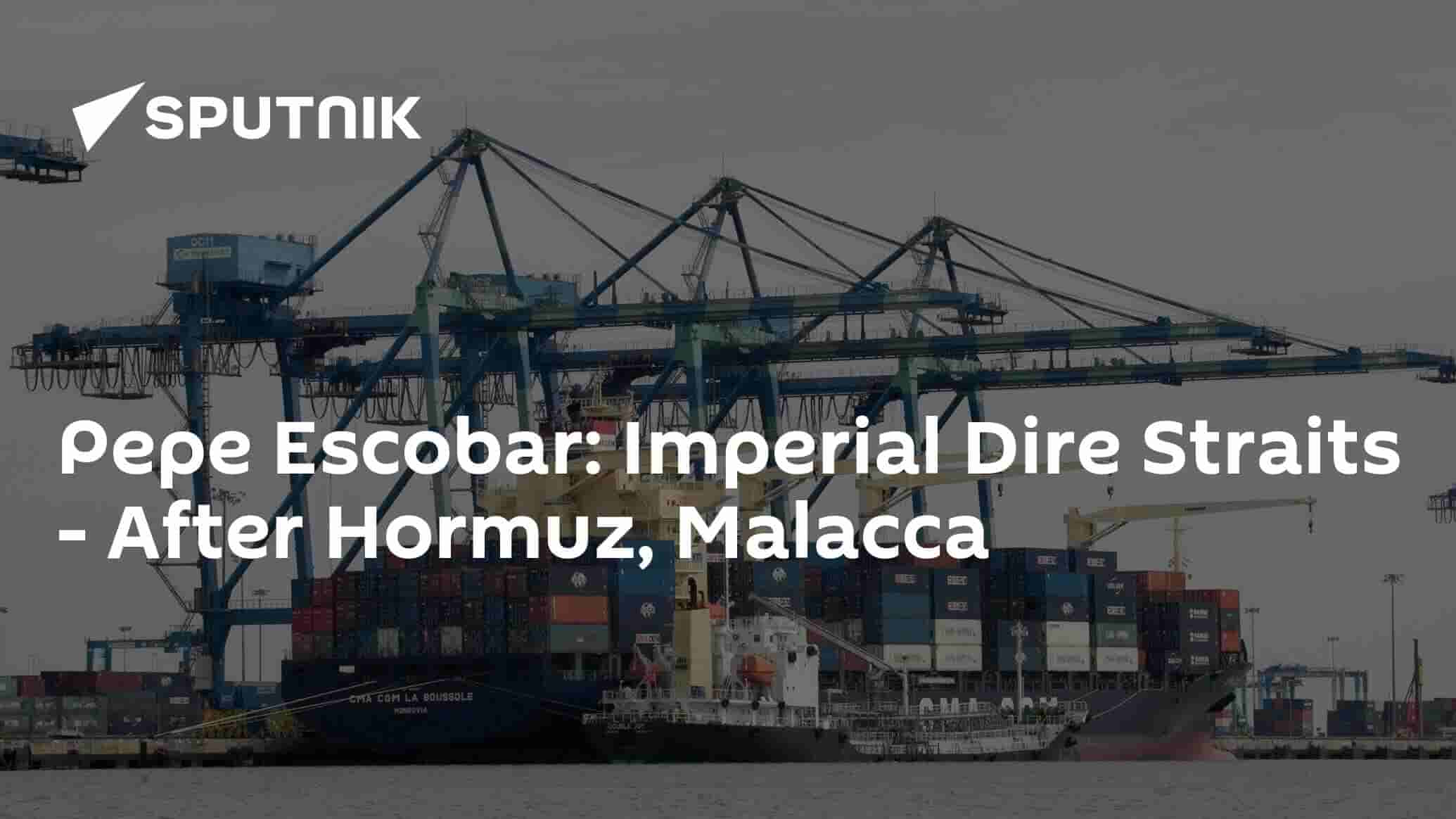
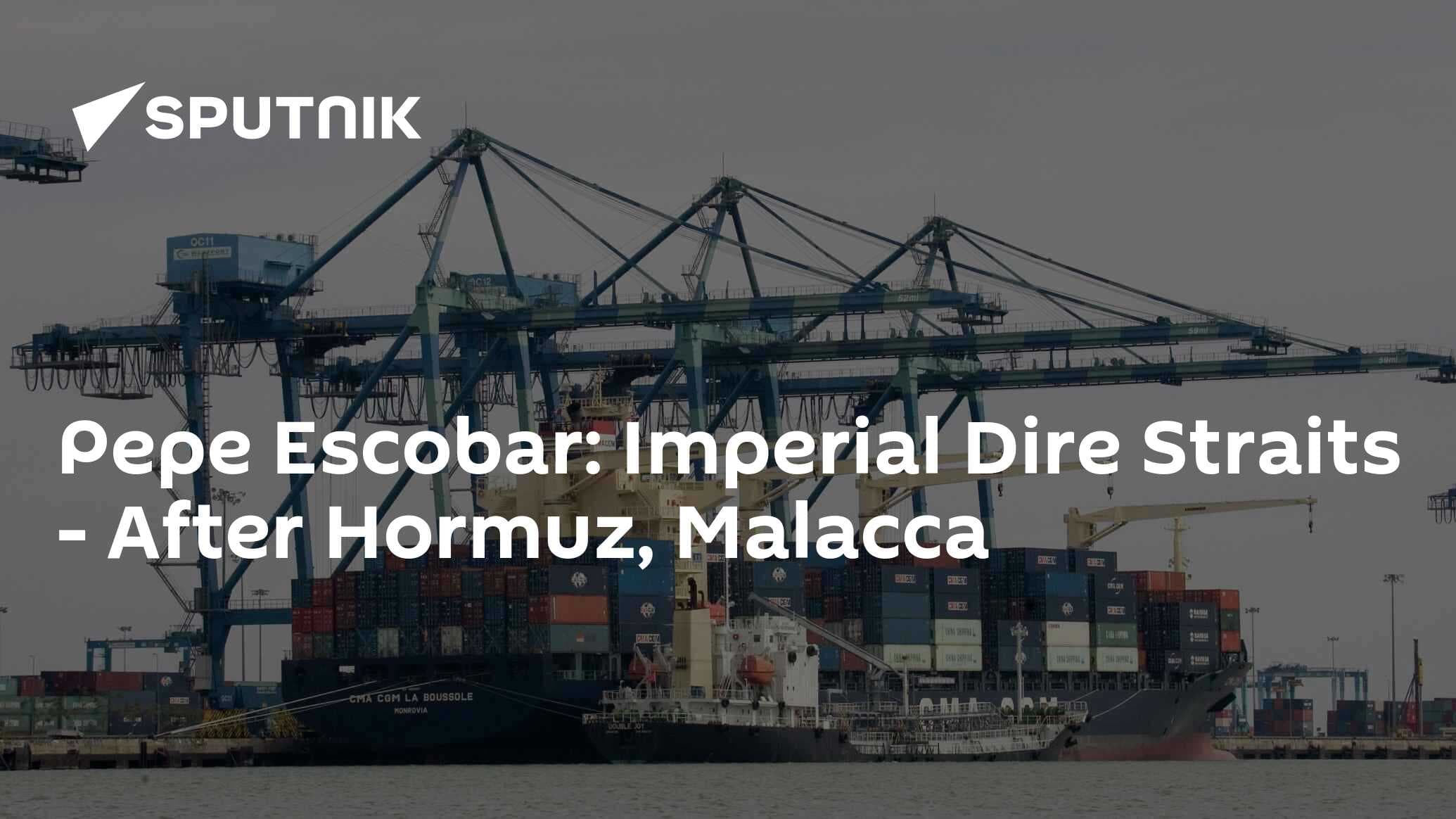
Straits of Hormuz and Malacca: New Geopolitical Dynamics in Global Energy Security
Strategic tensions in the Strait of Hormuz and the US naval blockade on Iran are creating significant impacts on Asia's energy supply chains. The strategies developed by China and Iran in response to this situation, along with Indonesia's sovereignty moves over the Malacca Strait, are shaping regional power balances.
Stay Updated with RuskiGazeta
Subscribe to be informed about special news, developments and announcements. We will keep you informed.
By signing up, you agree to our Privacy Policy