- BIST10011,722-2.89%
- USD49.45+0.05%
- EUR55.62+0.37%
- GOLD4,181.100.00%
- INTEREST37.00%-1.00
- BITCOIN81,519+0.17%
- October 19, 202614°
- BIST10011,722-2.89%
- USD49.45+0.05%
- EUR55.62+0.37%
- GOLD4,181.100.00%
- INTEREST37.00%-1.00
- BITCOIN81,519+0.17%
- October 19, 202614°
Macron heads to Gulf states for fuel supplies after riots in France
In an address to the nation, French President Emmanuel Macron linked the fuel price rises behind mass protests to the war in the Persian Gulf and said he would travel to the Gulf states on Monday. He promised looters would repay the damage but declared no state of emergency.
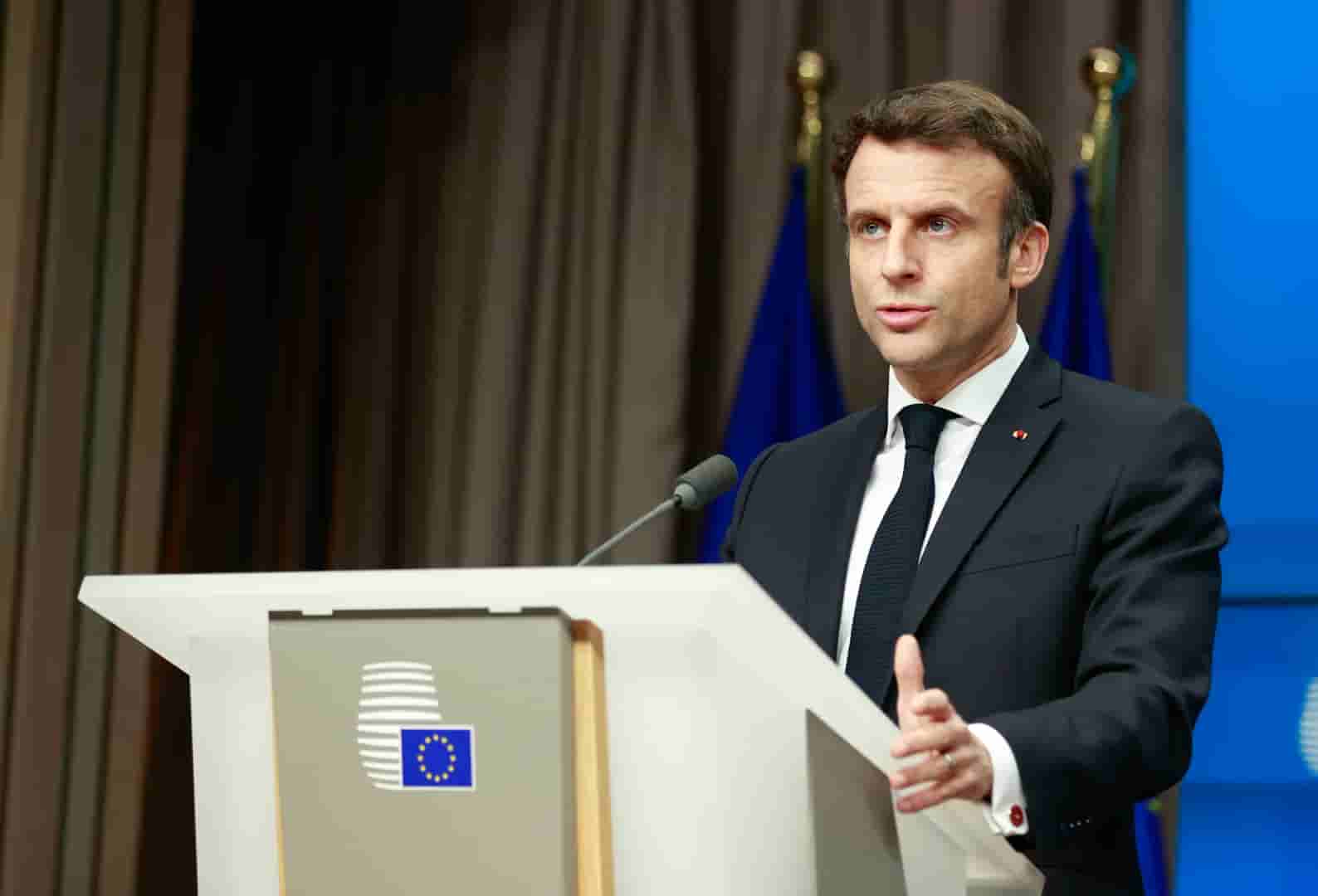
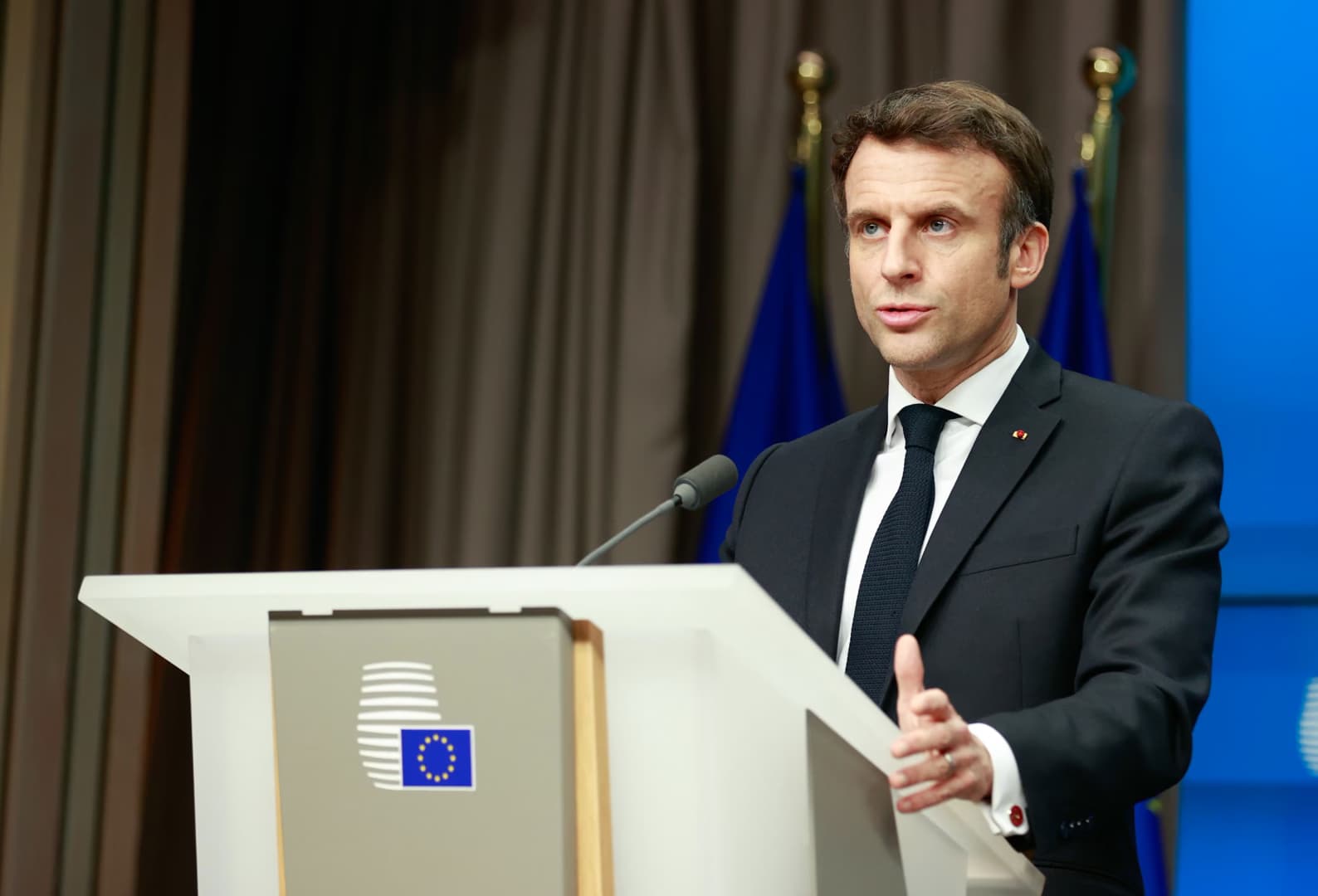
French President Emmanuel Macron will travel to the Persian Gulf states on Monday morning to secure energy supplies. He announced the trip in a televised address to the nation on Sunday, a day after nationwide protests against the high cost of living were marred by rioting, shop looting and car burnings.
Macron said demonstrators’ concerns over the cost of living and fuel prices were justified and that their source was the conflict in the Persian Gulf over Iran, in which France is not involved. Since that war began in February, he said, Paris has made international efforts to secure fuel and gas supplies. The government has also agreed with fuel distributors on measures that are meant to show up in prices at the pump.
“Anger and shame”
Speaking from the Élysée Palace at 8 p.m. Paris time, Macron said the country felt “anger and shame” over Saturday’s events and stressed: “Nothing justifies it, nothing explains it, nothing excuses it.” He blamed the unrest on “factious elements from ultra-left groups, joined by numerous criminals.”
At the same time, the president urged people to distinguish the hundreds of thousands of peaceful demonstrators from the rioters. According to the Interior Ministry, about 550,000 people took part in Saturday’s protests. “We must never confuse them with those who destroyed, smashed and looted,” Macron said.
“They will pay and repay”
“Those who destroyed must pay. Those who looted must repay the damage,” Macron said. He added that “those who sought to bring down the Republic will be held accountable” and that the authorities would be unyielding toward the culprits.
According to Interior Ministry figures as of Sunday evening, 2,397 people were arrested on Saturday and 997 police officers and gendarmes were injured, seven of them seriously. The unrest spread to Paris, Lyon, Marseille, Bordeaux, Limoges and other cities.
Macron promised “full transparency” in assessing the police response and demanded “clear answers” from Interior Minister Laurent Nuñez on intelligence and preparation. The justice minister was instructed to ensure prosecutors respond firmly to every offense.
What comes next
Prime Minister Sébastien Lecornu will hold a crisis unit meeting on Monday to speed up aid to affected shopkeepers and residents. Prefects, together with mayors, will be able to ban certain gatherings. Lecornu will also call on parties, unions and professional organizations to condemn the violence and appeal for calm.
The protests began three weeks ago with high school students, and Macron acknowledged “a deep anxiety” among young people. In the coming days, Lecornu will bring together students, teachers, unions and employers; an Education Ministry online platform has already received more than 100,000 suggestions.
A state of emergency and a curfew, which French media had reported the day before as possible options, were not declared. With six months to go before the presidential election, Macron urged that disputes be settled away from the streets: “Our country deserves a fine presidential election in six months.”
Opposition reaction
National Rally leader Jordan Bardella called the speech “lamentable” and “cowardly,” while France Unbowed leader Jean-Luc Mélenchon placed full responsibility for the destruction on a government that failed to maintain public order. CGT union leader Sophie Binet said the president “has understood nothing of what is happening in the country,” and former Prime Minister Édouard Philippe, a presidential candidate, said he had expected decisions to restore order.
Have a story, event or announcement of your own?Send us your news on WhatsApp
Spotted an error in this story?Report it on WhatsApp
Share on all social platforms
Sponsored Ads
Featured Listings
Loading featured properties...
Stay Updated with RuskiGazeta
Subscribe to be informed about special news, developments and announcements. We will keep you informed.
By signing up, you agree to our Privacy Policy