- BIST10011,722-2.89%
- USD49.45+0.05%
- EUR55.62+0.37%
- GOLD4,181.10+0.26%
- INTEREST37.00%-1.00
- BITCOIN81,470-0.04%
- October 17, 202614°
- BIST10011,722-2.89%
- USD49.45+0.05%
- EUR55.62+0.37%
- GOLD4,181.10+0.26%
- INTEREST37.00%-1.00
- BITCOIN81,470-0.04%
- October 17, 202614°
Dmitriev calls suspension of Graham Act sanctions a ‘truly historic moment’
Russian presidential envoy Kirill Dmitriev called the Trump administration’s decision to suspend sanctions and tariffs under the Graham Act “an important and truly historic moment,” saying dialogue and mutually beneficial cooperation are replacing sanctions and confrontation.
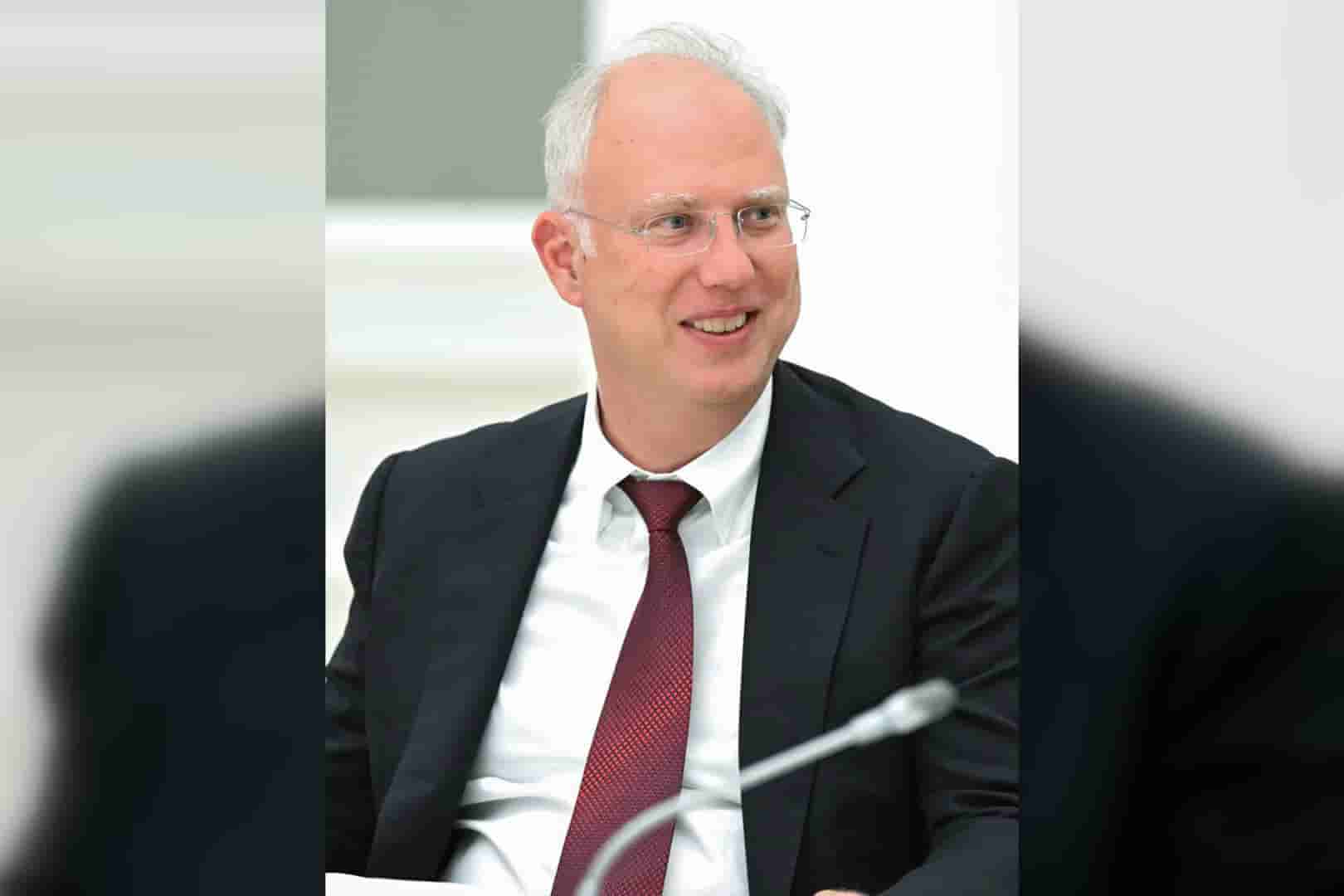
Kirill Dmitriev, the Russian president’s special envoy for investment and economic cooperation and head of the Russian Direct Investment Fund, said on Telegram that the Trump administration’s suspension of sanctions and tariffs under the Graham Act is “an important and truly historic moment.”
“Instead of sanctions and confrontation, we have dialogue, mutually beneficial cooperation and shared responsibility for global stability,” Dmitriev said. He added that economic cooperation between Russia and the United States is in the interests of both countries, contributes to the stability of the global economy and creates the foundation for building trust and achieving lasting peace.
Dmitriev argued that the Graham Act could have completely halted economic cooperation between the two countries and seriously damaged the U.S. economy and global markets.
What the law required
President Donald Trump signed an executive order late Friday, Oct. 16, waiving sanctions and tariffs under the Lindsey O. Graham Sanctioning Russia and Iran Act, which he signed into law on Sept. 18, and certified to Congress that the move serves U.S. national interests. The deadline to put the measures into effect was Oct. 18.
The law called for 100% tariffs on goods from the five largest buyers of Russian crude oil, 500% tariffs on U.S. imports of Russian energy and sanctions on Russia’s top leadership, state companies and other entities. The order formally imposes the tariffs but suspends their enforcement, keeping the option to activate them later. Sanctions imposed on Russia earlier remain in place.
Diesel deal and criticism in Washington
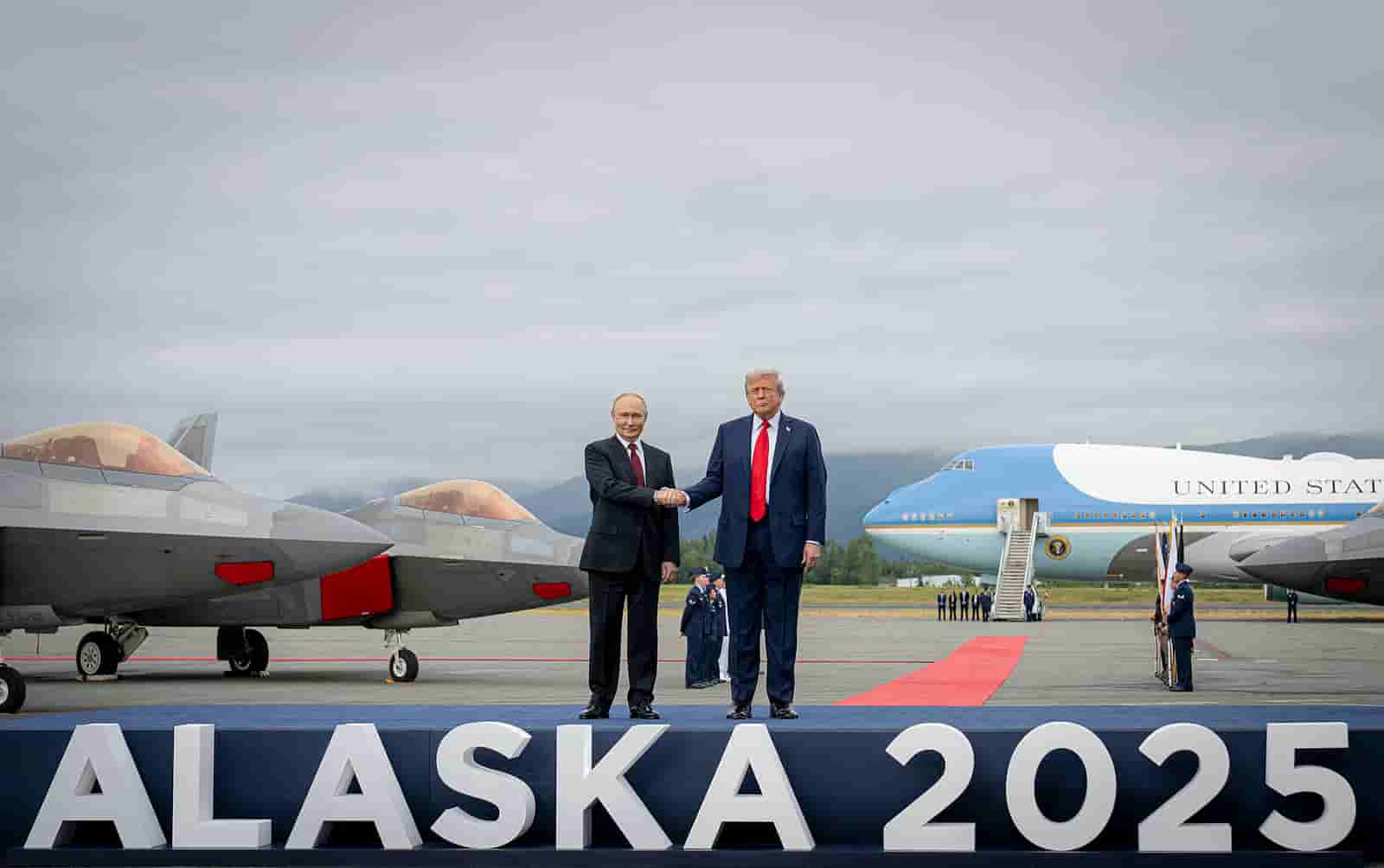
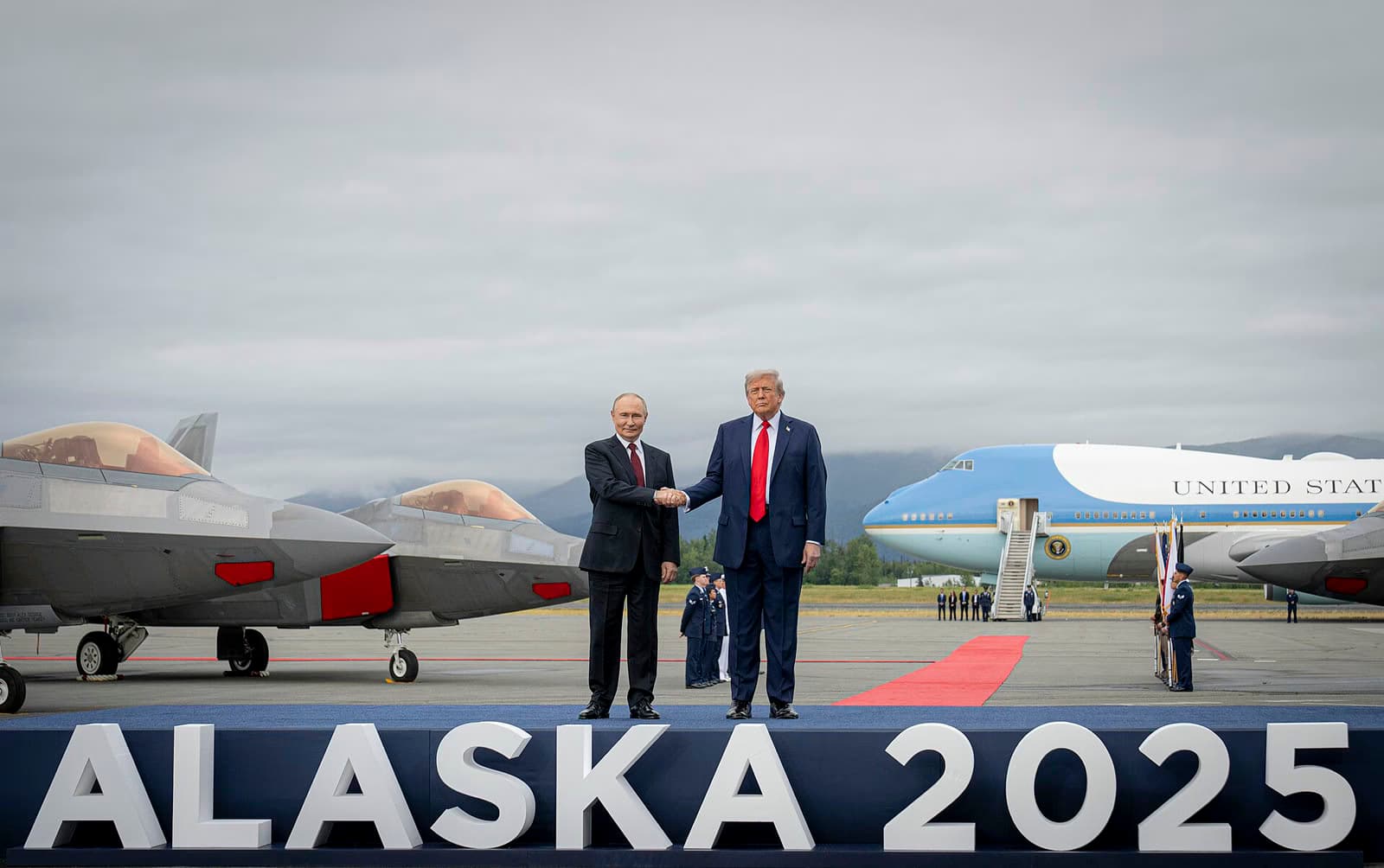
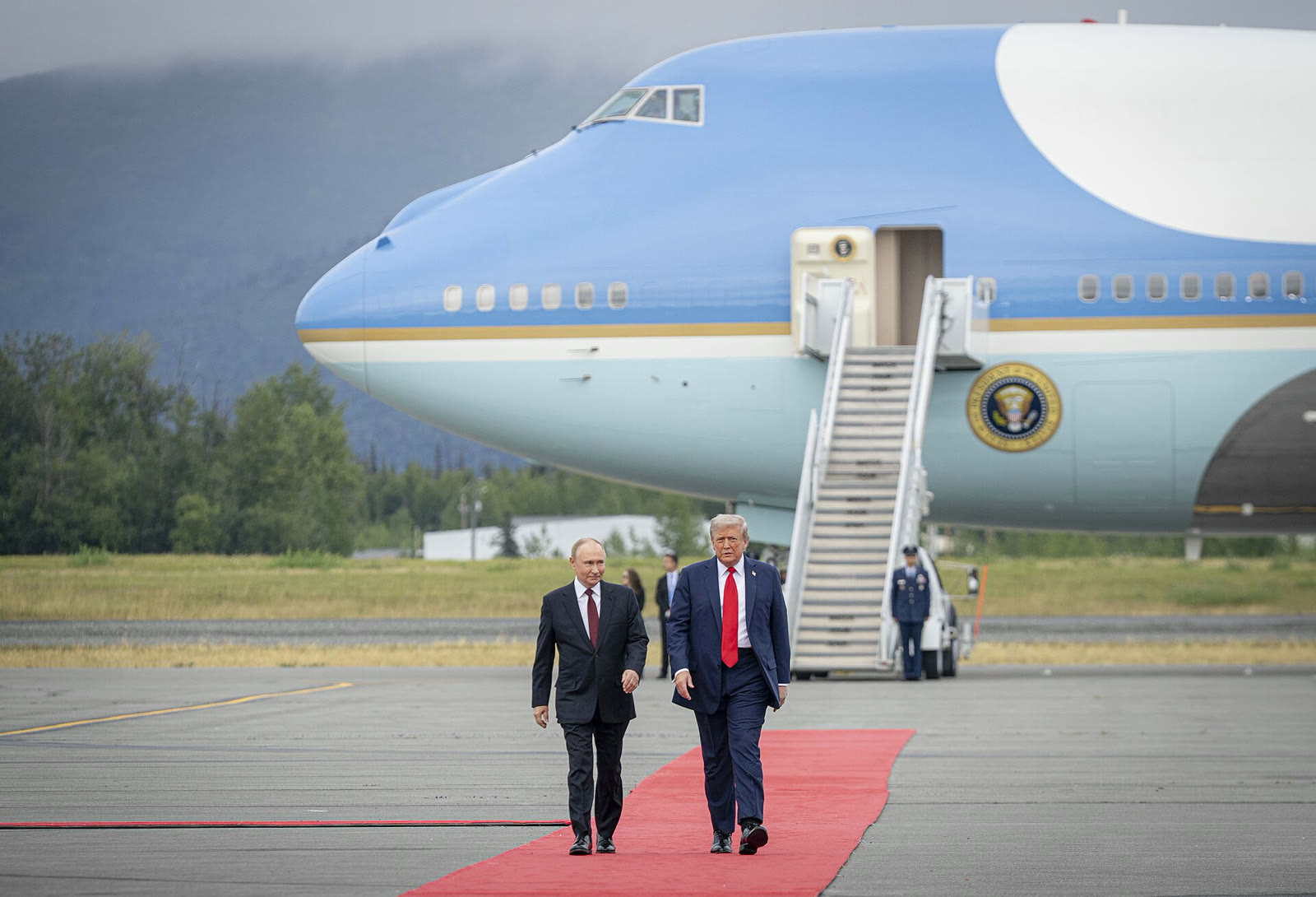
The decision followed an Oct. 9 agreement between Putin and Trump allowing Russian diesel to be sold to the United States and other markets, after which the U.S. Treasury issued General License 135 authorizing such transactions until April 2027. The waiver also spares major buyers of Russian energy, including China, India and Türkiye, from potential tariffs.
The move drew criticism in Congress, where Democratic Sen. Richard Blumenthal, who co-wrote the original sanctions bill, called it a “craven, cowardly action.” The Kremlin had not officially commented as of publication.
Have a story, event or announcement of your own?Send us your news on WhatsApp
Spotted an error in this story?Report it on WhatsApp
Share on all social platforms
Sponsored Ads
Featured Listings
Loading featured properties...
Stay Updated with RuskiGazeta
Subscribe to be informed about special news, developments and announcements. We will keep you informed.
By signing up, you agree to our Privacy Policy