- BIST10010,760-3.63%
- USD49.86+0.15%
- EUR55.82+0.52%
- GOLD3,898.90-3.29%
- INTEREST36.00%-1.00
- BITCOIN77,387+0.24%
- November 1, 202614°
- BIST10010,760-3.63%
- USD49.86+0.15%
- EUR55.82+0.52%
- GOLD3,898.90-3.29%
- INTEREST36.00%-1.00
- BITCOIN77,387+0.24%
- November 1, 202614°
Local ceasefire takes effect in Oleshky with Melania Trump’s mediation
A local ceasefire has taken effect in Oleshky, Kherson region, through the mediation of U.S. First Lady Melania Trump. It is intended to enable humanitarian aid deliveries and the evacuation of civilians.

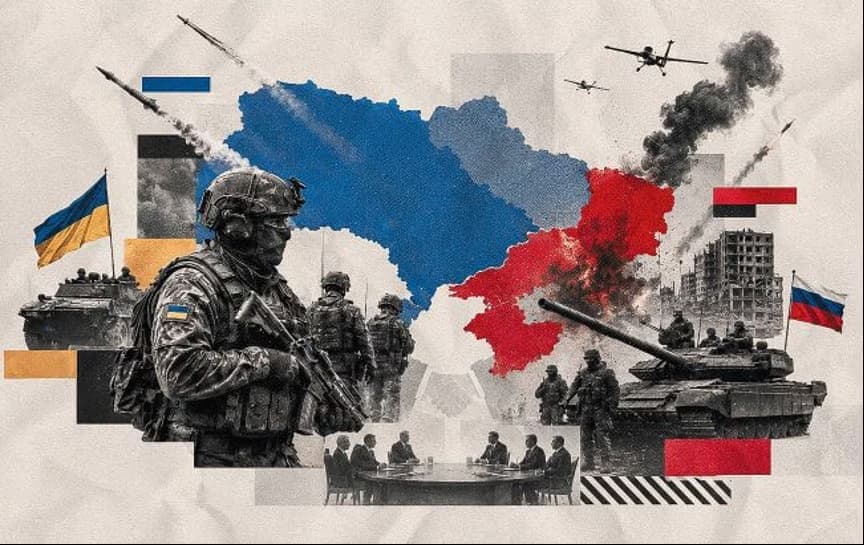
A local ceasefire has taken effect in Oleshky, Kherson region, agreed by Russia and Ukraine through the mediation of U.S. First Lady Melania Trump. “The ceasefire has begun,” she said, noting that its purpose was to ensure the safe passage of humanitarian convoys.
Valery Gerasimov, chief of the General Staff of the Russian Armed Forces, said Russian forces had ceased fire in the Kherson direction at 4 a.m. Moscow time on October 27 and were introducing a “ceasefire regime.” He said that, following an engineering survey, a humanitarian convoy would be able to travel safely to Oleshky. Melania Trump said Gerasimov had confirmed the details of the agreement.
Ukraine confirms compliance with the ceasefire
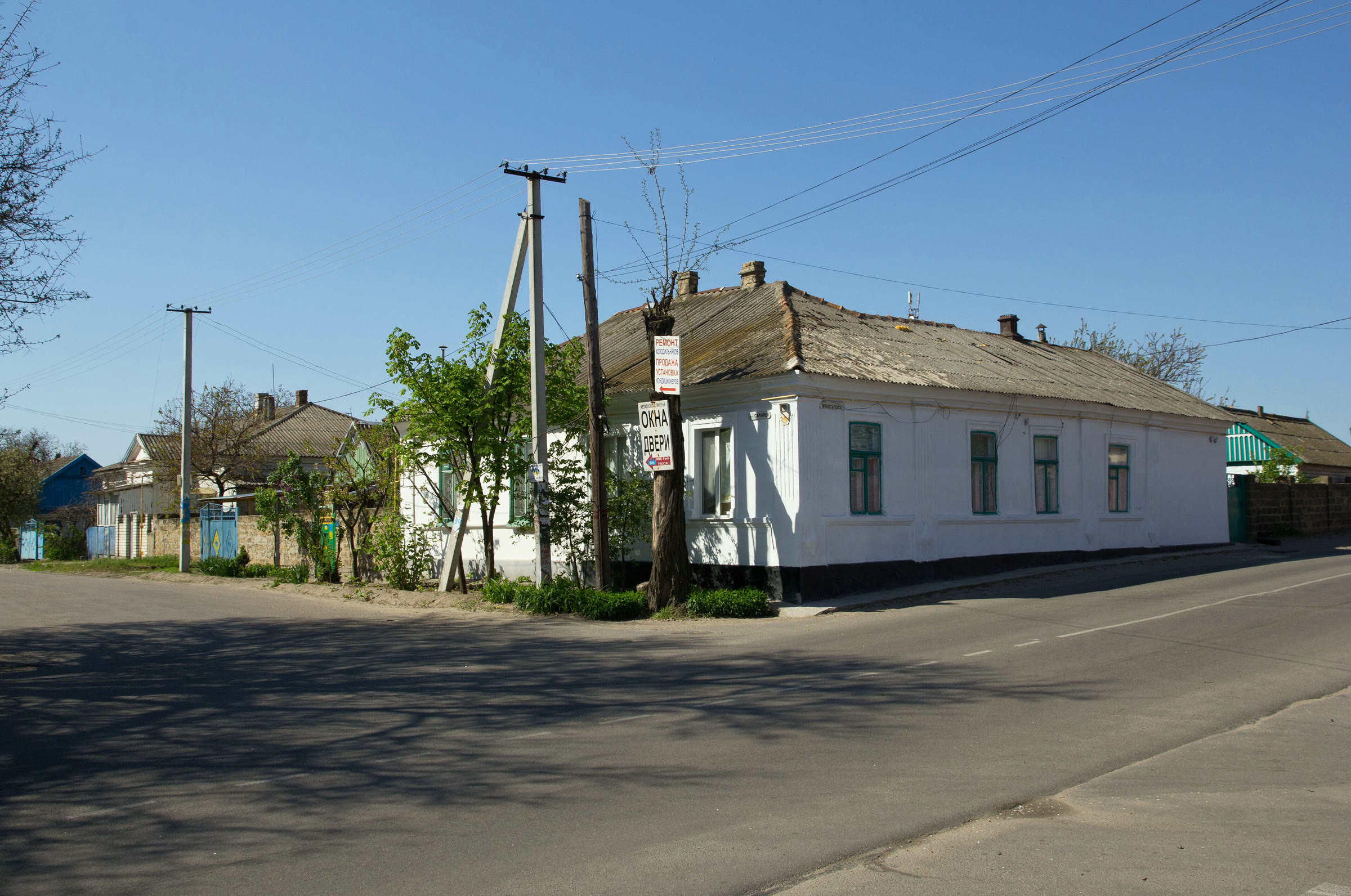
The General Staff of the Armed Forces of Ukraine announced a ceasefire in a designated area from 3 a.m. Kyiv time. Pavlo Drohal, a representative of the Ukrainian marines, said that as of 9 a.m., the opposing side was complying with the ceasefire.
The negotiations were conducted by Dmytro Lubinets, the Verkhovna Rada Commissioner for Human Rights, and Yana Lantratova, Russia’s Commissioner for Human Rights. Lubinets said the agreement included a ceasefire, the delivery of humanitarian supplies and the free departure of civilians, with the operation to be carried out in stages.
Up to 2,000 people remain in the city
Oleshky, on the left bank of the Dnipro River, has been under the control of Russian forces since the first days of the hostilities in February 2022. About 24,000 people lived in the city before the war; according to the White House, between 1,700 and 2,000 people remain there, including elderly residents and about 50 children. Residents will be able to decide for themselves where to evacuate: to territory controlled by Ukraine or to Russia.
Kremlin spokesman Dmitry Peskov stressed that the local ceasefire did not mean a broader cessation of hostilities.
Stay Updated with RuskiGazeta
Subscribe to be informed about special news, developments and announcements. We will keep you informed.
By signing up, you agree to our Privacy Policy