- BIST10010,977+2.18%
- USD50.70+0.04%
- EUR55.61+0.02%
- GOLD3,668.50+2.91%
- INTEREST36.00%-1.00
- BITCOIN59,592+0.45%
- November 29, 20269°
- BIST10010,977+2.18%
- USD50.70+0.04%
- EUR55.61+0.02%
- GOLD3,668.50+2.91%
- INTEREST36.00%-1.00
- BITCOIN59,592+0.45%
- November 29, 20269°
Gagauzia’s Bashkan runoff clears 20% turnout threshold
The second round of elections for the head of Moldova’s Gagauz autonomy, known as the Bashkan, and deputies to the People’s Assembly has taken place. Turnout exceeded the required 20% threshold, with Alexander Stoianoglo and Fedor Gagauz competing for the Bashkan post.
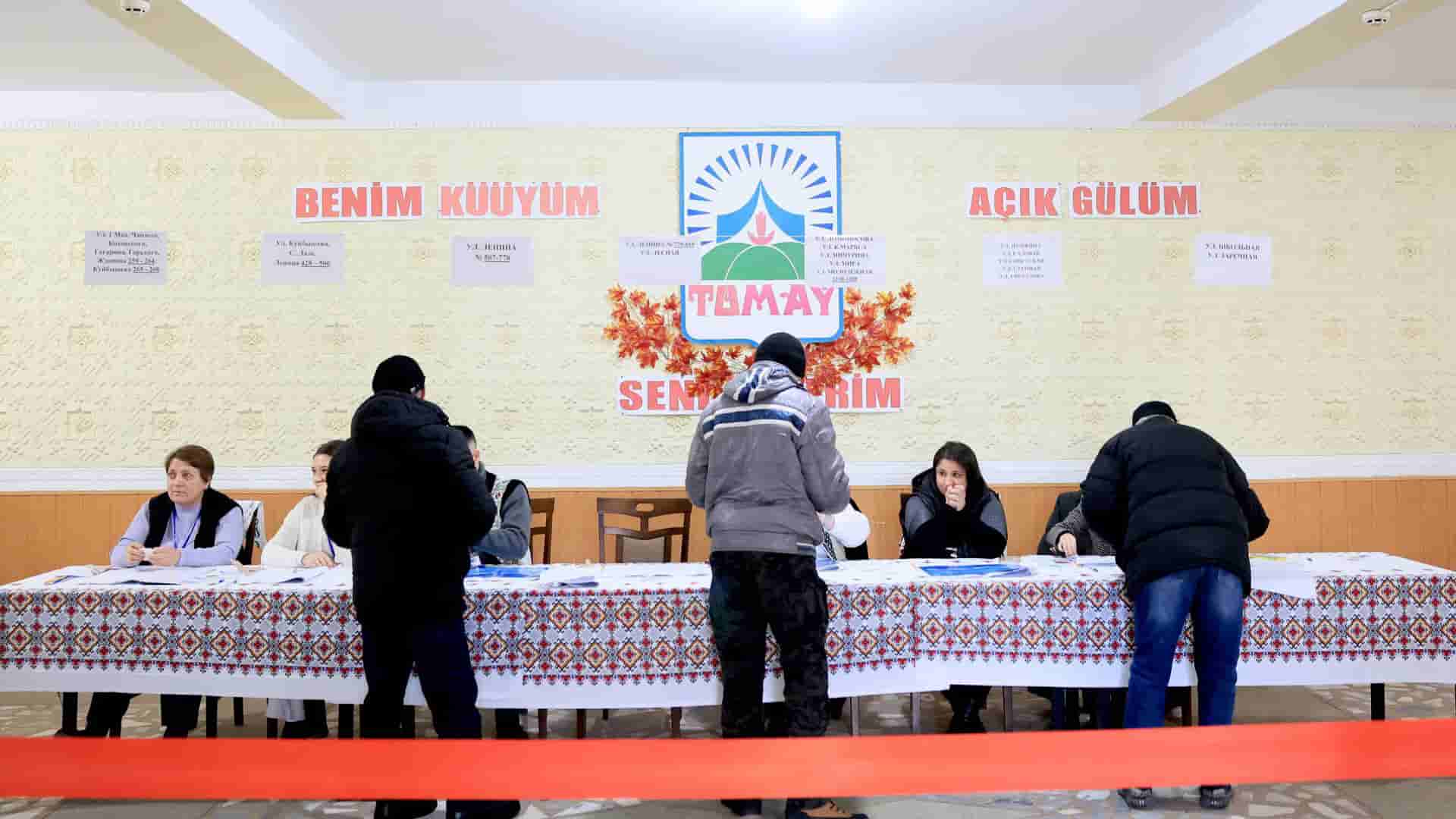
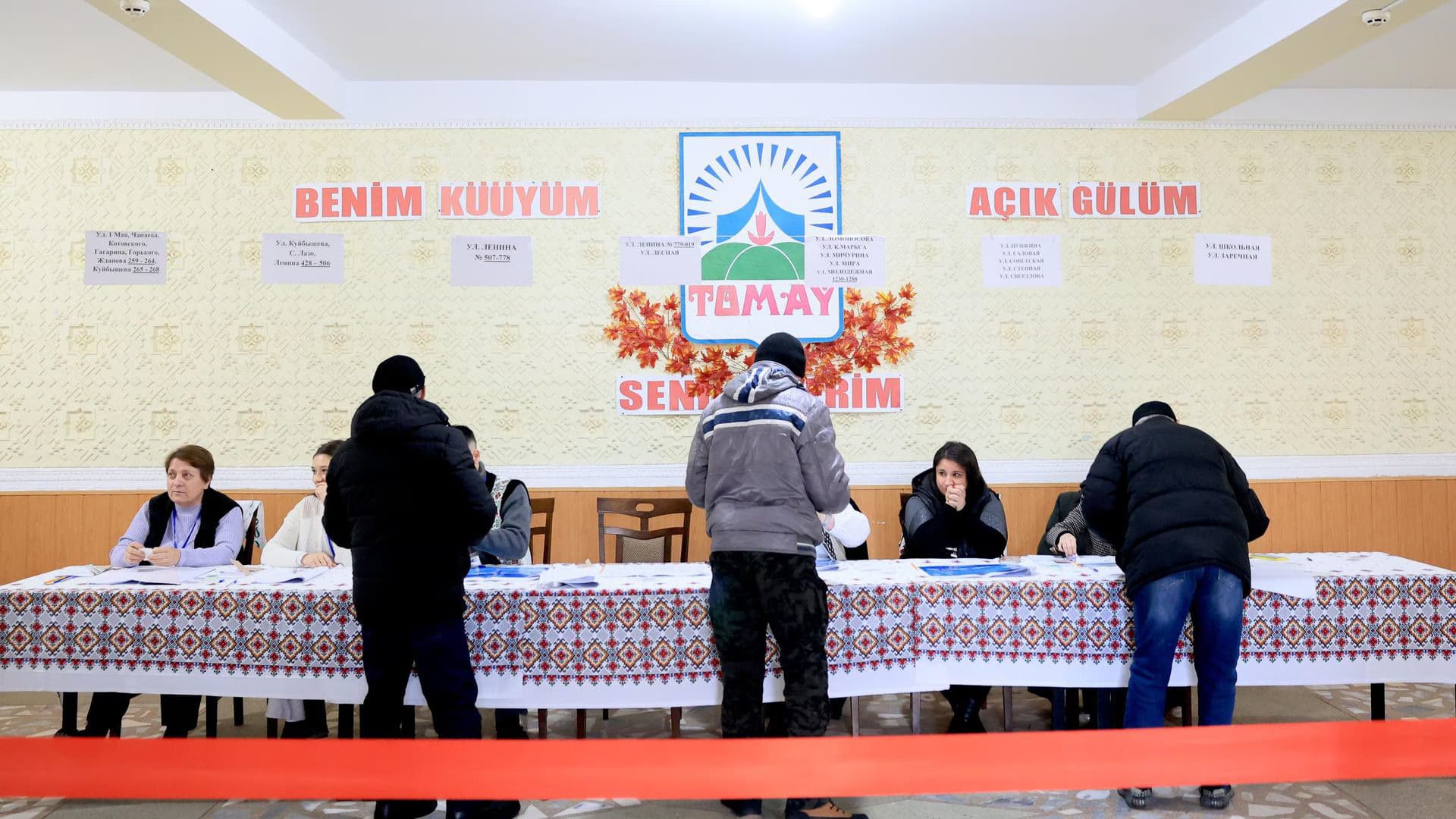
The second round of elections for the head of the Turkic-speaking Gagauz autonomy in southern Moldova, known as the Bashkan, and deputies to the People’s Assembly took place on Sunday. Turnout exceeded the 20% threshold required for the elections to be deemed valid, the autonomy’s Central Electoral Council said.
“A total of 25,912 people, or 20.02% of all registered voters, took part in the vote. The second round of the election can be considered valid,” the electoral commission said. Voter turnout was nevertheless significantly lower than in the previous election: turnout in the second round of the Bashkan election in May 2023 was 54.56% at the end of the day, while turnout in the first round of the current election on November 15 was 37.6%.

Stoianoglo versus Gagauz
Competing in the second round for the Bashkan post are Alexander Stoianoglo, Moldova’s former prosecutor general and a member of parliament, who received 38.44% in the first round, and Fedor Gagauz, a former lawmaker from the Socialist Party, who received 24.22%. Thirteen of the 35 seats in the autonomy’s People’s Assembly were allocated on November 15.
“I voted for Gagauzia to be strong, within a strong Republic of Moldova, and for relations between Comrat and Chișinău to be constructive and based on our country’s laws and mutual respect,” Fedor Gagauz said after voting in Ceadîr-Lunga.
Observers report violations
Observers from the Moldovan nongovernmental organization Promo-LEX said they had recorded about 24 violations during the first hours of voting. Voting began earlier than scheduled at 13 of the 67 polling stations, and cases involving breaches of ballot secrecy were also recorded. The election campaign is being conducted under rules amended in August by Moldova’s ruling Action and Solidarity Party.
The Gagauz are a Turkic-speaking, Orthodox Christian people who live mainly in southern Moldova. The autonomy maintains close cultural ties with Türkiye.
Have a story, event or announcement of your own?Send us your news on WhatsApp
Spotted an error in this story?Report it on WhatsApp
Share on all social platforms
Sponsored Ads
Featured Listings
Loading featured properties...
Stay Updated with RuskiGazeta
Subscribe to be informed about special news, developments and announcements. We will keep you informed.
By signing up, you agree to our Privacy Policy