- BIST10011,843+1.51%
- USD50.26+0.06%
- EUR55.74-0.44%
- GOLD3,882.00-0.08%
- INTEREST36.00%-1.00
- BITCOIN68,579-3.91%
- November 14, 202619°
- BIST10011,843+1.51%
- USD50.26+0.06%
- EUR55.74-0.44%
- GOLD3,882.00-0.08%
- INTEREST36.00%-1.00
- BITCOIN68,579-3.91%
- November 14, 202619°
El Niño to persist through 2027 as 2026 likely becomes hottest year
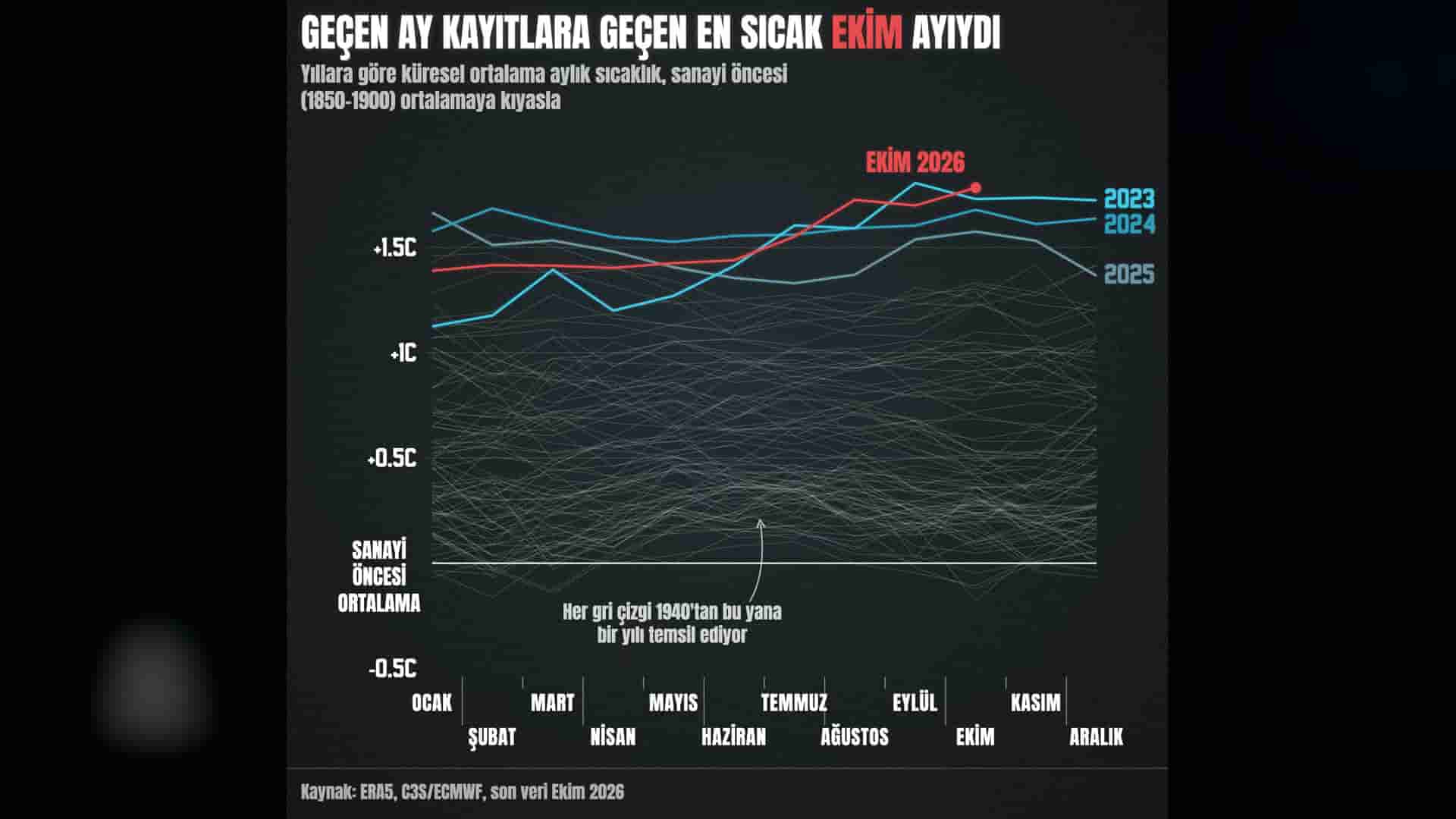
The World Meteorological Organization warned that a powerful El Niño will persist into 2027, while the American organization Berkeley Earth is 95% certain that 2026 will break the temperature record set in 2024. October was the warmest on record.
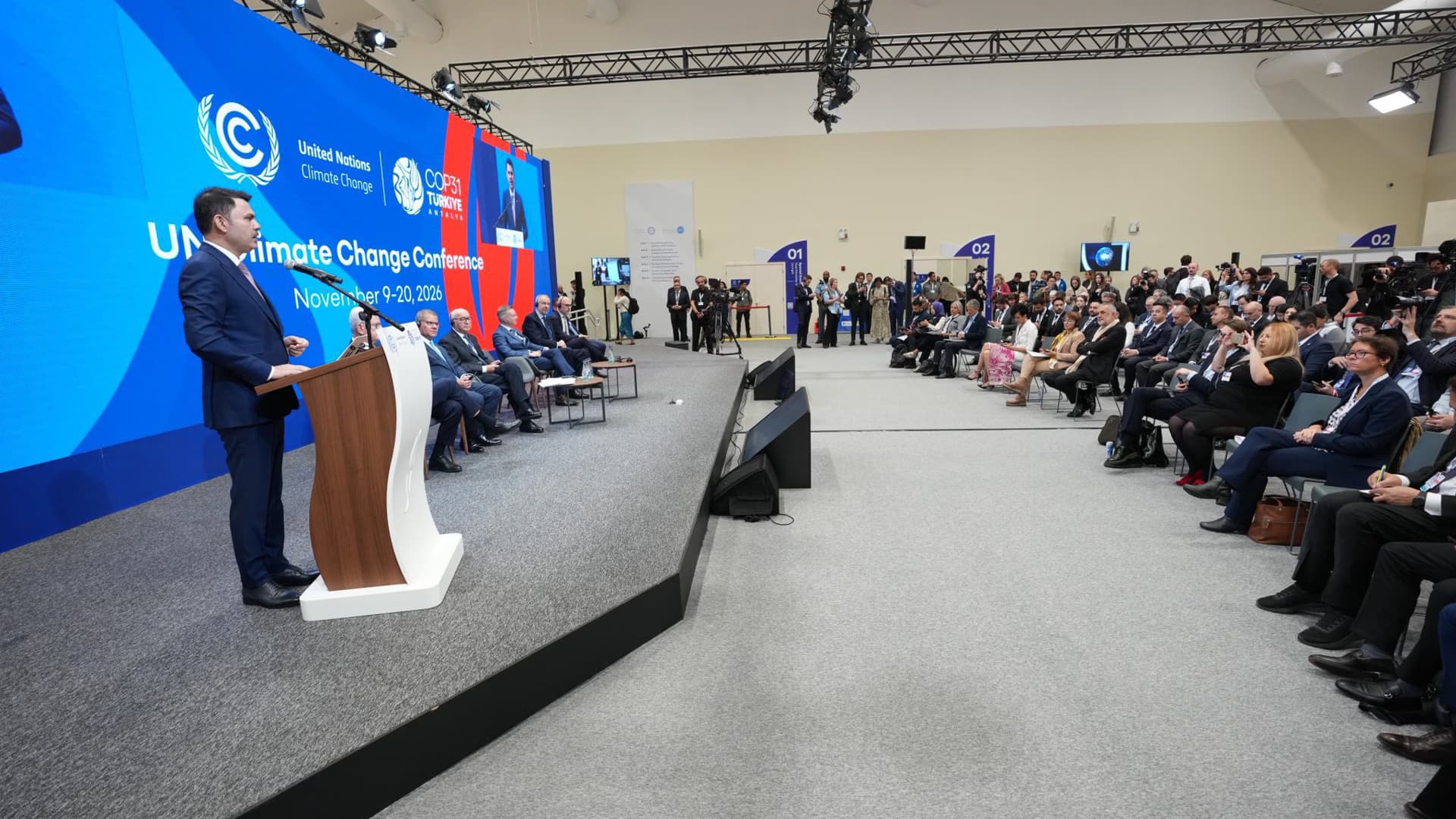
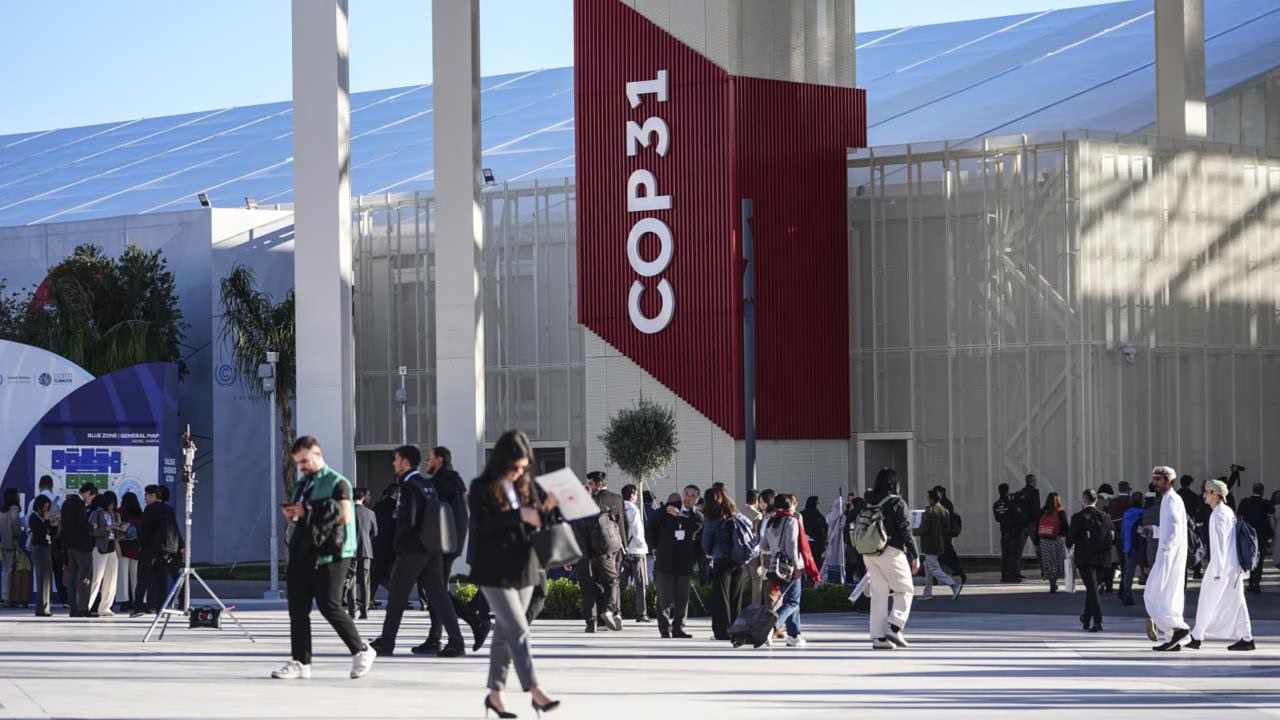
The World Meteorological Organization (WMO) warned on the opening day of the COP31 climate conference in Antalya, Türkiye, that an unusually powerful El Niño will persist into 2027, keeping global temperatures at elevated levels. The WMO estimates that 2026 will rank among the four warmest years on record.
WMO Secretary-General Celeste Saulo explained that El Niño does not add new heat to the planet but releases heat stored in the oceans. BBC data show that the oceans have absorbed about 90% of the excess heat retained by greenhouse gases.
Berkeley Earth: 95%
The American independent research organization Berkeley Earth was even more categorical, telling the BBC that it is 95% certain that 2026 will surpass the 2024 record, although two months remain in the year. Organization researcher Robert Rohde said that a succession of record-warm years is expected as global warming continues, along with glacier loss, record heatwaves and droughts.
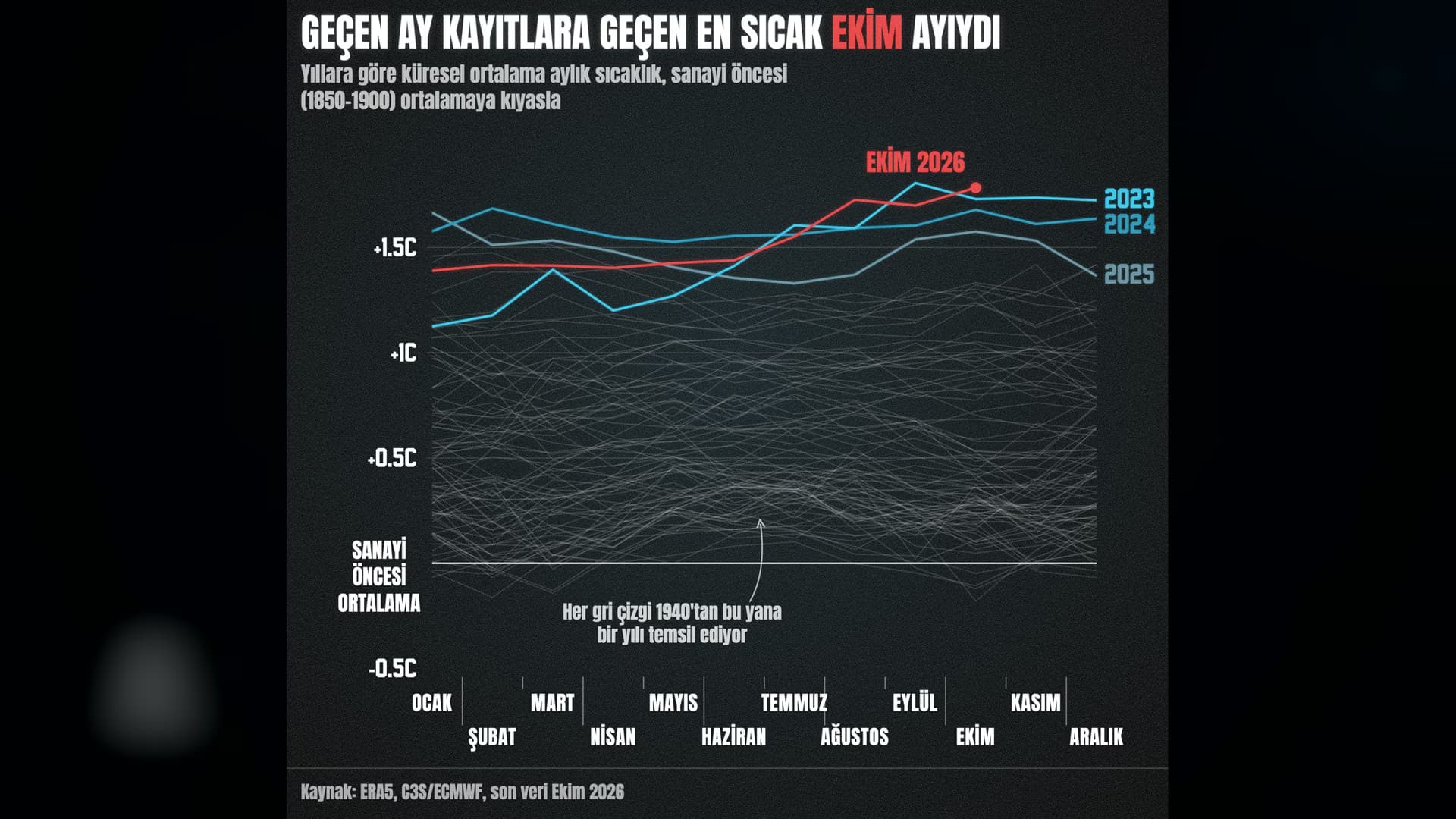
The European Copernicus service confirmed that October 2026 was the warmest October in the history of observations. At the current rate, the world is heading toward warming of about 2.8 degrees by the end of the century compared with the preindustrial level, BBC data indicate—well above the Paris Agreement target of 1.5 degrees.
At the talks in Antalya, Türkiye is proposing a new target for electrification. BBC data show that Saudi Arabia and Russia had previously advocated gas as a transitional alternative to coal.
Sources: BBC News, Berkeley Earth (berkeleyearth.org). Graphic: BBC, ERA5/C3S/ECMWF data
Stay Updated with RuskiGazeta
Subscribe to be informed about special news, developments and announcements. We will keep you informed.
By signing up, you agree to our Privacy Policy