- BIST10011,483+1.32%
- USD50.07+0.05%
- EUR55.96-0.52%
- GOLD4,120.90+1.13%
- INTEREST36.00%-1.00
- BITCOIN74,058-0.89%
- November 9, 20264°
- BIST10011,483+1.32%
- USD50.07+0.05%
- EUR55.96-0.52%
- GOLD4,120.90+1.13%
- INTEREST36.00%-1.00
- BITCOIN74,058-0.89%
- November 9, 20264°
Czech police dismiss bomb threats against four Prague-bound planes as unlikely
On November 5, Czech police received threats claiming explosives were on board four planes flying to Prague from the United Kingdom, Ireland and Greece, but bomb disposal checks found nothing. The National Centre for Combating Terrorism took over the case as investigators examine whether a hybrid attack could be behind a wave of false threats across Europe.
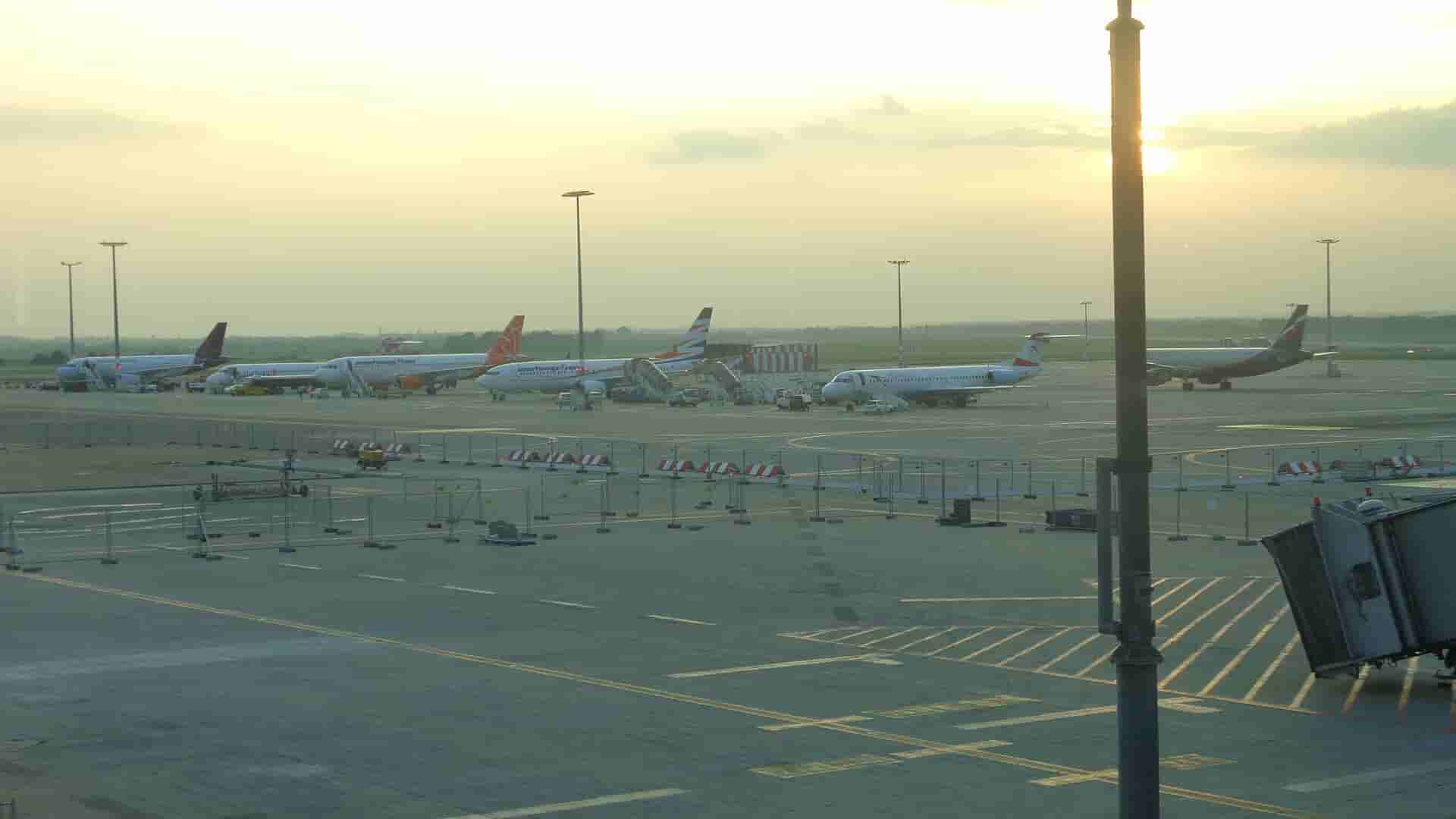
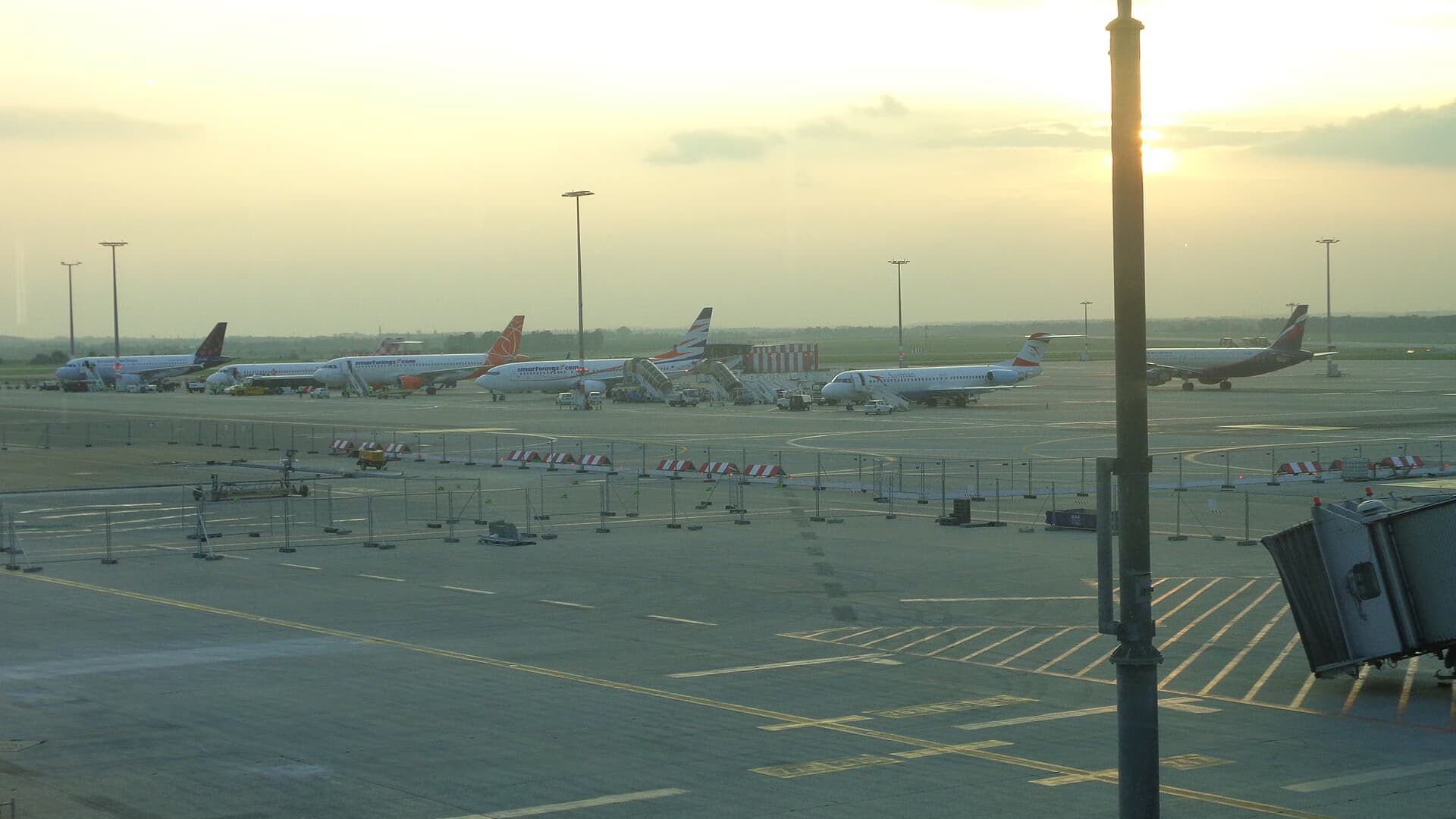
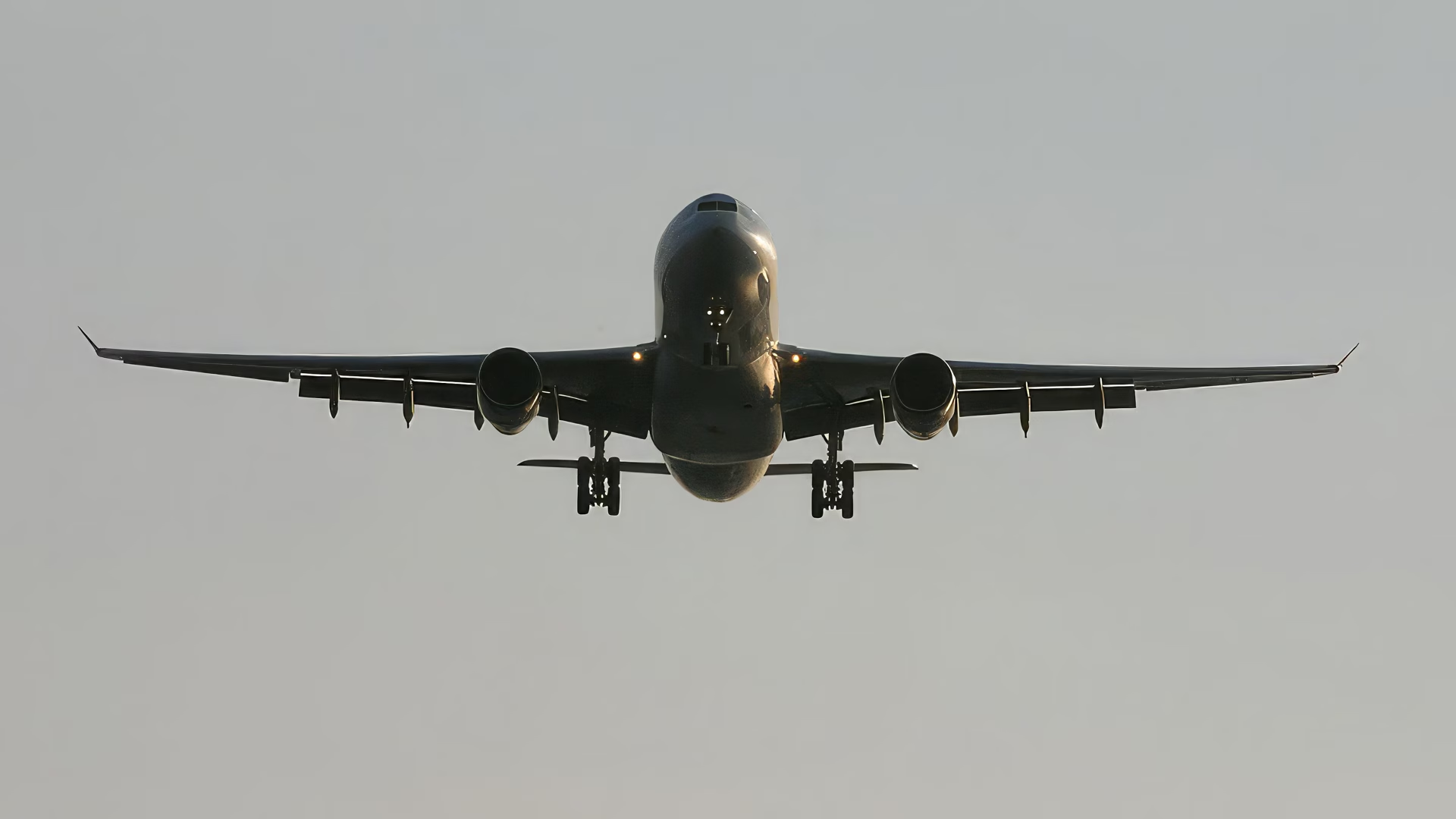
On Thursday, November 5, Czech police received a report that explosives had been placed on board four planes flying to Prague. All four aircraft landed safely at Václav Havel Airport between 9:45 and 10:30 a.m. local time. Bomb disposal experts inspected each plane and found neither explosive devices nor other dangerous items. The Prague incident became part of a new wave of threats: on the same day, similar messages affected more than ten passenger flights across Europe, and some of them had to be diverted to other airports.
Police representative Josef Urban said two of the planes had arrived from the United Kingdom and were operated by private carriers, while one came from Ireland and another from Greece. Police have not disclosed the names of the airlines or the flight numbers. CNN reported that, according to a Prague airport representative, the threats arrived in an anonymous email.
“We are not underestimating the threat”: How Prague responded
Before the planes landed, police said on X that they were preparing for their arrival together with airport management. “We assess the credibility of the threats as low. Nevertheless, we are not underestimating the threat,” the statement said. Police put all necessary security measures in place and promised that each plane would undergo a bomb disposal inspection after landing.
That is what happened: bomb disposal experts checked all four aircraft, while an unscheduled inspection of the airport grounds and surrounding areas was also carried out. Nothing suspicious was found, and the heightened security measures were lifted before noon. Airport operations were not restricted, according to the ČTK news agency, while police said the measures taken had almost no impact on passengers.
National counterterrorism centre takes over investigation
The case was taken over by the National Centre for Combating Terrorism, Extremism and Cybercrime (NCTEKK) of the Czech police. The centre said it could not provide additional information at this time. According to ČTK, investigators are examining the Prague case alongside similar incidents in different European countries.
The main question is whether the threats are connected and who is behind them. Anadolu Agency reported that investigators are examining whether the wave constitutes a hybrid attack. No one has claimed responsibility for the threats, no country has officially accused anyone, and no explosives were found on any of the planes inspected. Aviation cybersecurity expert Eliran Almog, cited by The National, said repeated false threats not only disrupt aviation operations but also reveal how airlines, airports and national authorities respond to them.
False alarms from Brussels to Sofia
On the same day, an Aer Lingus plane flying from Dublin to Rome with 151 passengers and six crew members was diverted to Évreux-Fauville Air Base in northern France. Italian Air Force fighter jets escorted a Finnair flight from Helsinki to Rome to Fiumicino Airport, while a Wizz Air aircraft traveling from Milan Malpensa Airport to Warsaw landed in Vienna. Three Ryanair flights from London, Copenhagen and Madrid arrived in Bulgaria escorted by MiG-29 fighter jets: one aircraft landed near Plovdiv, while the other two landed in Sofia.
A LOT Polish Airlines plane flying from Warsaw to Brussels landed safely in the Belgian capital, bomb disposal experts checked two aircraft in Copenhagen, and a large-scale police operation took place at Salzburg Airport in Austria. None of the threats was confirmed. This was not the first such wave that week: on Monday, a Wizz Air plane flying from London to Sofia diverted to a reserve airport in Budapest, while on Tuesday, November 3, security services inspected planes in Poland, Italy, Spain and Bulgaria. No explosives were found then either.
Photo: Anadolu Agency; cover image — Mtaylor848 / Wikimedia Commons (CC BY-SA 4.0)
Stay Updated with RuskiGazeta
Subscribe to be informed about special news, developments and announcements. We will keep you informed.
By signing up, you agree to our Privacy Policy