- BIST10011,483+1.32%
- USD50.07+0.05%
- EUR55.96-0.52%
- GOLD4,120.90+1.13%
- INTEREST36.00%-1.00
- BITCOIN74,058-0.89%
- November 9, 20264°
- BIST10011,483+1.32%
- USD50.07+0.05%
- EUR55.96-0.52%
- GOLD4,120.90+1.13%
- INTEREST36.00%-1.00
- BITCOIN74,058-0.89%
- November 9, 20264°
Ultra-Orthodox parties decline to back Netanyahu in Herzog consultations
United Torah Judaism, a longtime ally of Benjamin Netanyahu, declined to recommend any candidate for prime minister of Israel. Preliminary estimates show that Gadi Eisenkot will receive recommendations from 56 lawmakers, compared with 46 for Netanyahu.
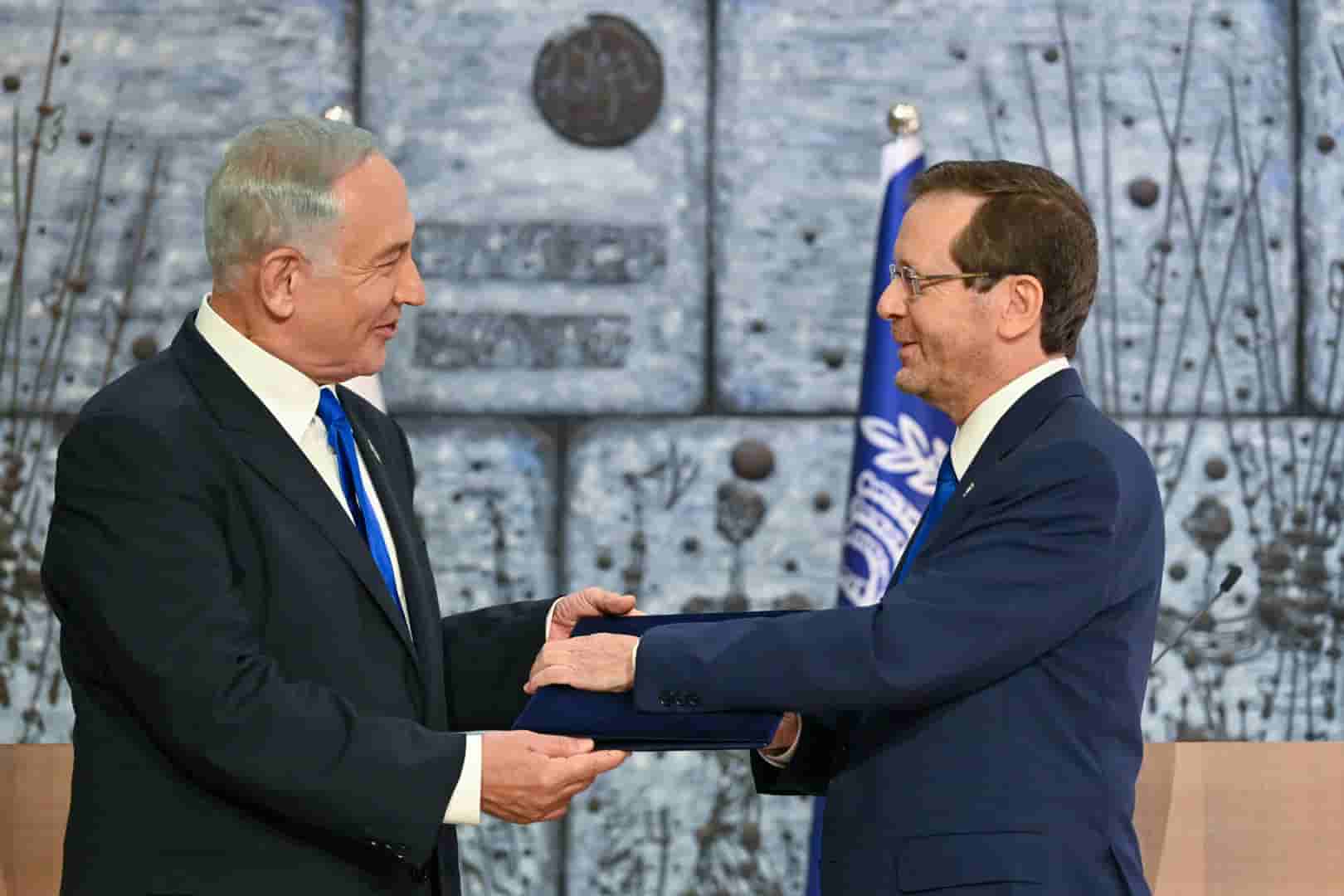
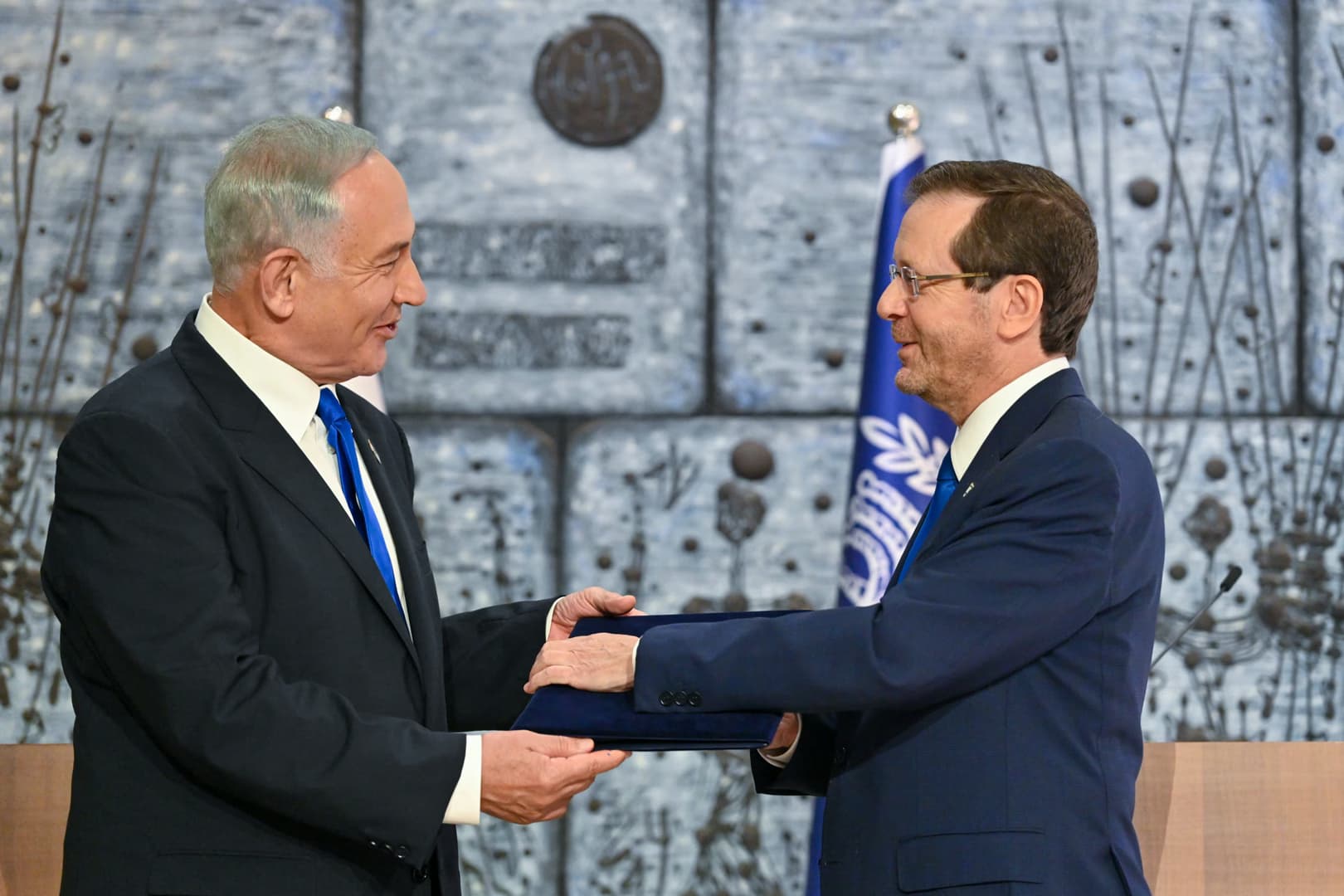
Israeli President Isaac Herzog continued consultations with the factions of the newly elected Knesset on Thursday. At the end of the process, he will task one of the lawmakers with forming a government. The consultations began on Wednesday after Noam Sohlberg, chair of the Central Elections Committee, handed the president the official results of the October 27 election.
The ultra-Orthodox United Torah Judaism party, which holds seven seats, decided at the direction of its spiritual leaders not to recommend either Netanyahu or Gadi Eisenkot, leader of the Yashar! party. The prime minister's attempts to win over two former lawmakers from the party's right wing were unsuccessful. “We are not aligned with any bloc,” lawmaker Yitzhak Goldknopf said. The party has made its support for the future government conditional on legislation preserving the exemption from military service for yeshiva students.
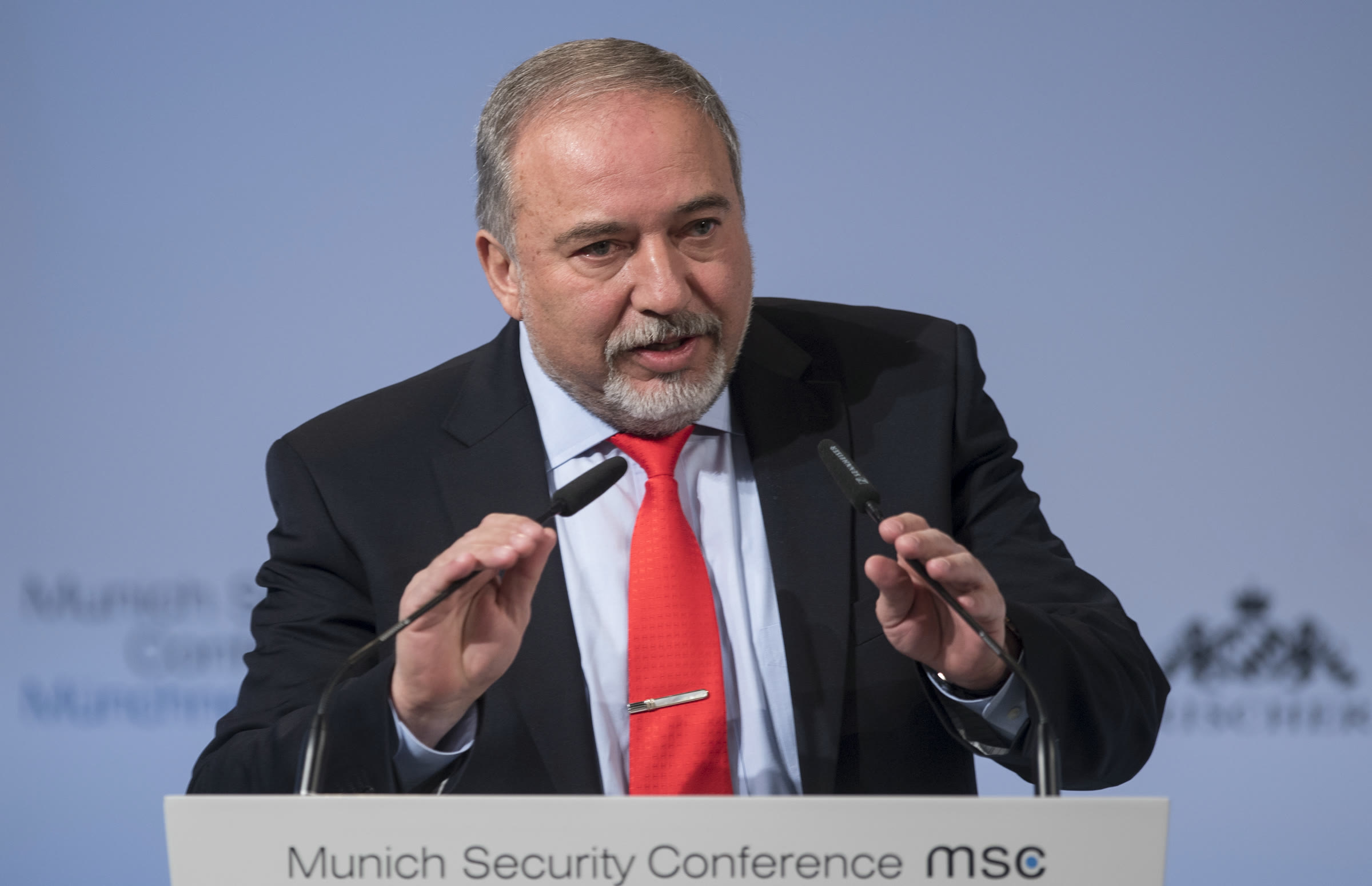
Avigdor Lieberman's Yisrael Beiteinu party recommended Eisenkot for prime minister. He was also backed by the eight-seat Arab Ra'am party, the Democrats and Beyahad. Netanyahu was backed by Religious Zionism, Zehut and Shas, while Likud and Otzma Yehudit are also expected to support him. The United List, which mainly represents Arab voters, has not yet announced its decision.
According to projections, former Chief of Staff Eisenkot will receive recommendations from 56 of the 120 lawmakers, compared with 46 for Netanyahu. The president is not required to task the candidate who receives the most recommendations with forming a government; he chooses the candidate with the best chance of assembling a coalition of 61 lawmakers. According to the official results, parties in the governing coalition won 53 seats, the opposition bloc won 48, and Arab parties secured a record 19. If neither candidate succeeds in forming a government, new elections will be held at the beginning of next year.
The Elections Committee said it had reviewed complaints from all parties and found no violations that would call the integrity of the election into question or affect its results. Likud had earlier claimed that Arab parties had “stolen” the election. Sohlberg called attempts to question the voting results a “real danger” to democracy.
Stay Updated with RuskiGazeta
Subscribe to be informed about special news, developments and announcements. We will keep you informed.
By signing up, you agree to our Privacy Policy