- BIST10011,483+1.32%
- USD50.07+0.05%
- EUR55.96-0.52%
- GOLD4,120.00+1.11%
- INTEREST36.00%-1.00
- BITCOIN74,273-0.60%
- November 9, 20264°
- BIST10011,483+1.32%
- USD50.07+0.05%
- EUR55.96-0.52%
- GOLD4,120.00+1.11%
- INTEREST36.00%-1.00
- BITCOIN74,273-0.60%
- November 9, 20264°
17 European countries urge residents to stock supplies for up to 10 days
The governments of 17 European countries recommend that residents keep supplies of water and food at home in case of emergencies. Newsweek counted 33 countries with similar recommendations. On November 2, Japan joined the call as its new disaster prevention agency began operating.
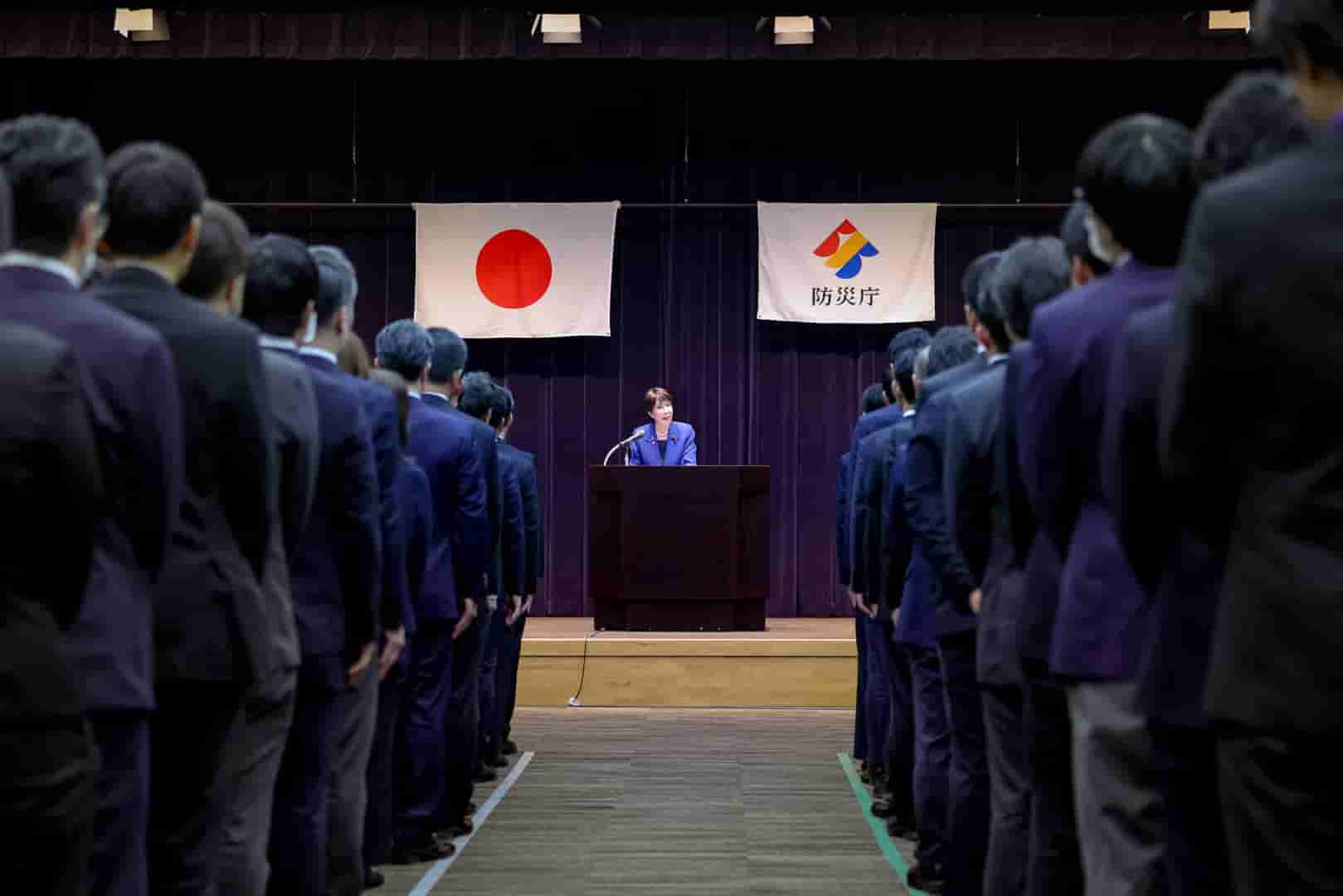
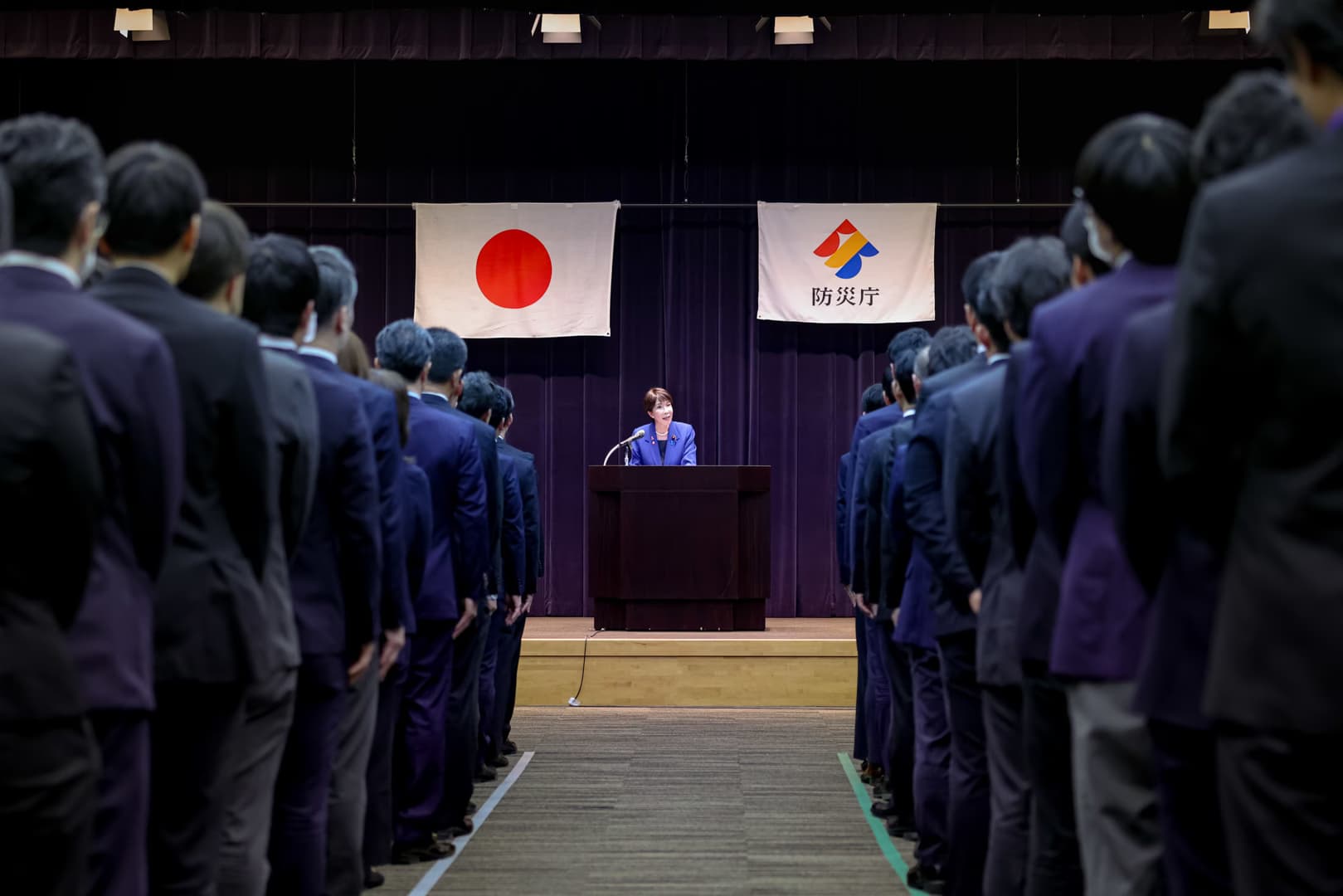
The governments of 17 European countries recommend that residents keep supplies of water, food and essential items at home in case of emergencies. The American magazine Newsweek compiled data on 33 countries with similar recommendations.
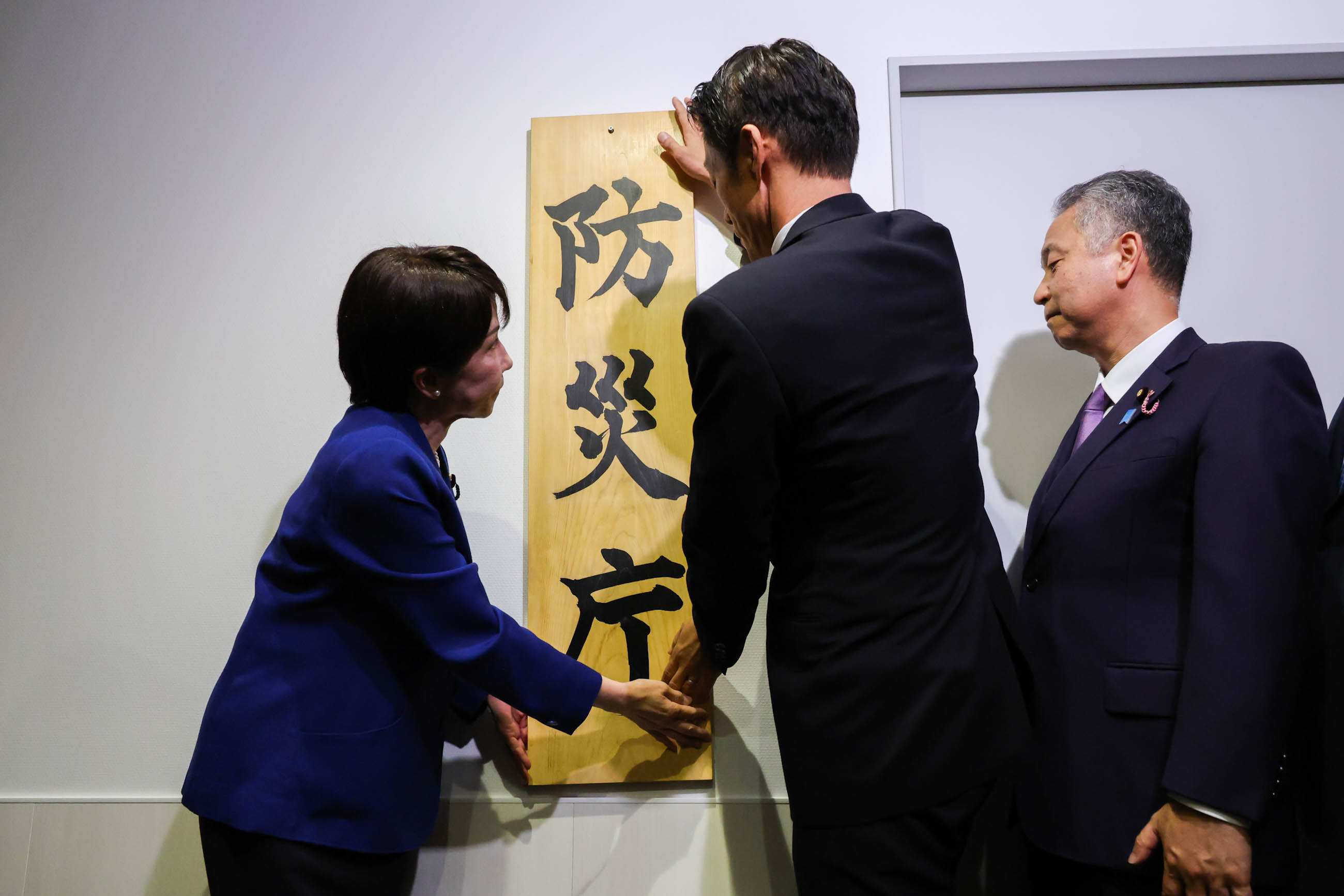
The issue returned to the spotlight on November 2, when Japan’s new Agency for Disaster Prevention began operating. On its first day, it issued an “emergency call” urging citizens to stock enough water and food for at least three days, and preferably a week.
These are existing recommendations for emergency preparedness, not a joint emergency warning. Japan’s Minister of State for Disaster Management, Goshi Hosono, previously stressed that the call was not linked to any information about a war or an impending disaster.
Periods ranging from three to 10 days
The European part of the list includes the United Kingdom, Ireland, France, Germany, the Netherlands, Denmark, Norway, Sweden, Finland, Estonia, Latvia, Lithuania, Poland, Czechia, Austria, Switzerland and Croatia.
The recommended periods vary. The United Kingdom and France advise keeping supplies for 72 hours, Sweden and Norway for about a week, and Germany for up to 10 days.
On October 22, the United Kingdom launched a three-year Be Ready campaign. Residents are advised to prepare for three days of disruptions to electricity, water, telephone service and the internet by keeping 3 liters of drinking water per person per day, food that does not require cooking, a flashlight, a radio, a portable charger and cash.
The other countries on the list
Outside Europe, the list includes the United States, Canada, Mexico, Chile, Colombia, Argentina and Brazil, as well as Japan, Taiwan, Israel, India, the Philippines, Singapore, South Africa, Australia and New Zealand.
Japan’s five-point call
Minister Hosono signed the appeal to citizens. It contains five points: check the earthquake resistance of homes built before 1981 and secure furniture; stock water and food; study hazard maps and evacuation routes; keep an emergency backpack by the entrance; and participate in local drills. People are advised to set aside 3 liters of drinking water per person per day.
Prime Minister Sanae Takaichi said at the agency’s opening ceremony: “A disaster could occur right now, at this very moment.” The Japanese government is preparing for threats including a megathrust earthquake in the Nankai Trough, an earthquake beneath Tokyo and an eruption of Mount Fuji.
Stay Updated with RuskiGazeta
Subscribe to be informed about special news, developments and announcements. We will keep you informed.
By signing up, you agree to our Privacy Policy