- BIST10011,131-3.02%
- USD50.47+0.05%
- EUR55.46+0.20%
- GOLD3,539.00-3.98%
- INTEREST36.00%-1.00
- BITCOIN59,042-4.62%
- November 21, 202616°
- BIST10011,131-3.02%
- USD50.47+0.05%
- EUR55.46+0.20%
- GOLD3,539.00-3.98%
- INTEREST36.00%-1.00
- BITCOIN59,042-4.62%
- November 21, 202616°
Yusuf Akçura's 150th anniversary: Simbirsk native became Atatürk's ally
November 15 marks the 150th anniversary of the birth of Tatar publicist and historian Yusuf Akçura. Born in Simbirsk and active in Kazan, he later headed the Turkish Historical Society in the Republic of Türkiye.
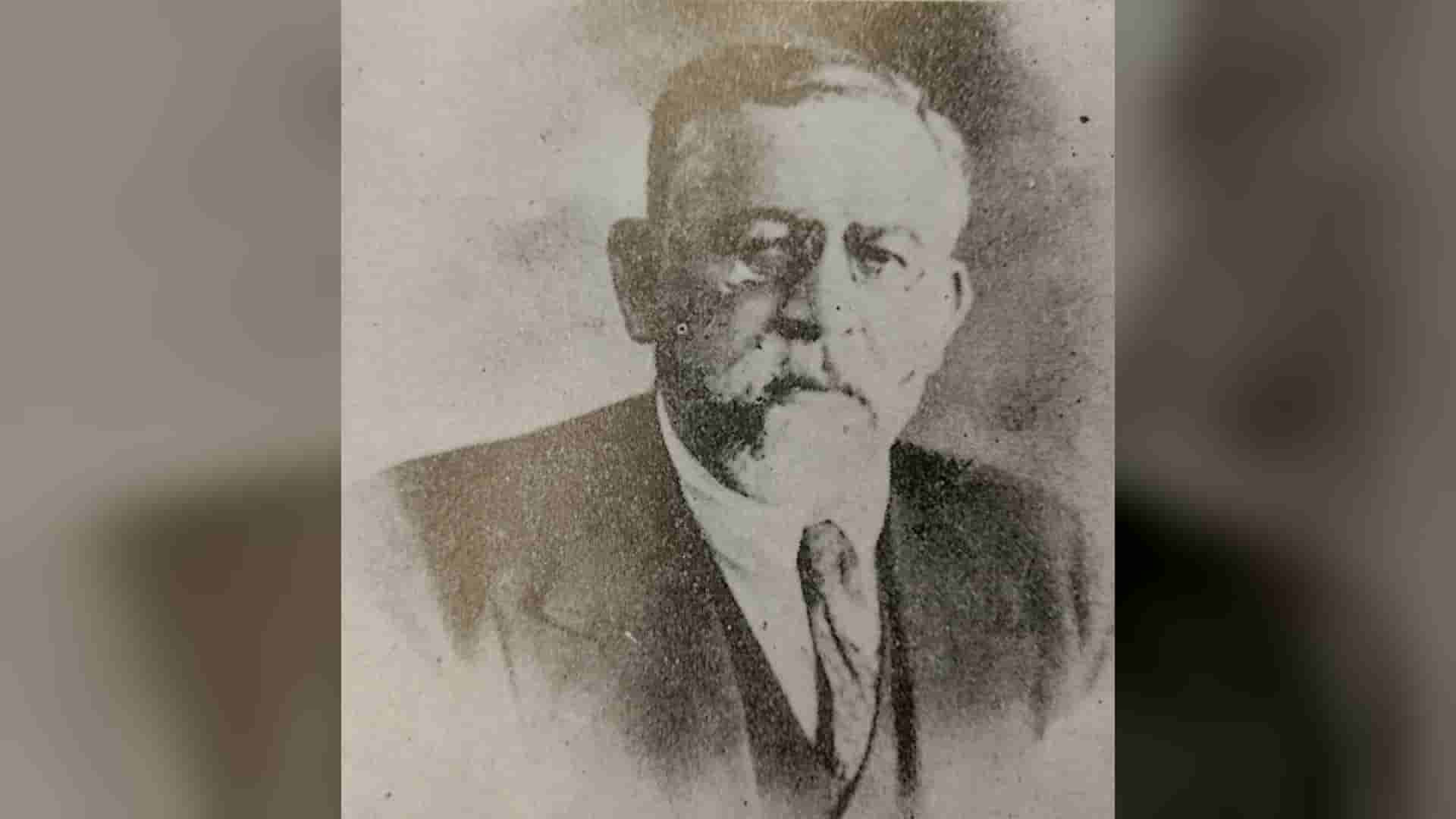
The Turkic world is marking the 150th anniversary of Yusuf Akçura, a thinker remembered both in Kazan and Ankara. He was born on November 2 according to the old calendar (November 15 according to the new calendar) in 1876 in Simbirsk, now Ulyanovsk, to Hasan Akçurin, a textile factory owner, Business Online notes. Other dates of his birth also appear in sources.
From Simbirsk to Istanbul, Paris and Kazan
After his father died, his mother took the boy to Istanbul. He enrolled in a military school there, but in 1897 he was arrested on suspicion of conspiring against the sultan. His death sentence was commuted to life exile in Libya, from where Akçura escaped by boat to Tunisia and then went to France. In Paris, he studied at the Free School of Political Sciences and attended lectures at the Sorbonne.
Unable to return to Türkiye, Akçura went to Kazan and became one of the first Tatar journalists to write about politics. Together with lawyer Saidgarei Alkin, he published Kazan Muhbiri, the first newspaper in Kazan Governorate, taught history and geography at the Muhammadia madrasah, and took part in establishing the Ittifaq al-Muslimin party. It was in Russia that he wrote his major work, Three Types of Politics (Üç Tarz-ı Siyaset), published in the Cairo journal Türk.
Alongside Atatürk
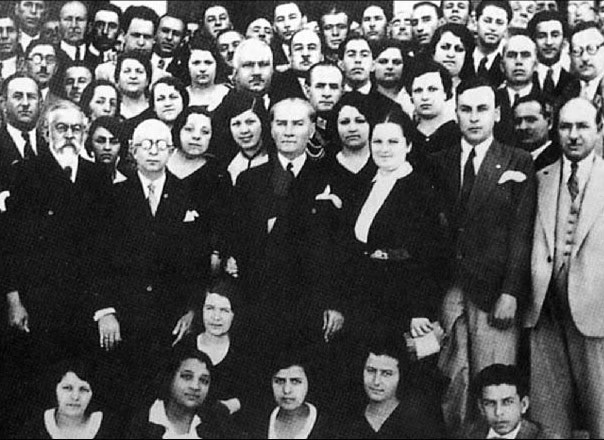
In 1908, Akçura moved permanently to Istanbul. He supported Mustafa Kemal during the establishment of the republic and, from 1923, served as a deputy in the Grand National Assembly of Türkiye, advised the president on cultural and political affairs, and taught at universities in Istanbul and Ankara. In October 1923, on behalf of parliament, he signed the protocol on the transfer of Istanbul, which remained under the occupation of the Entente powers.
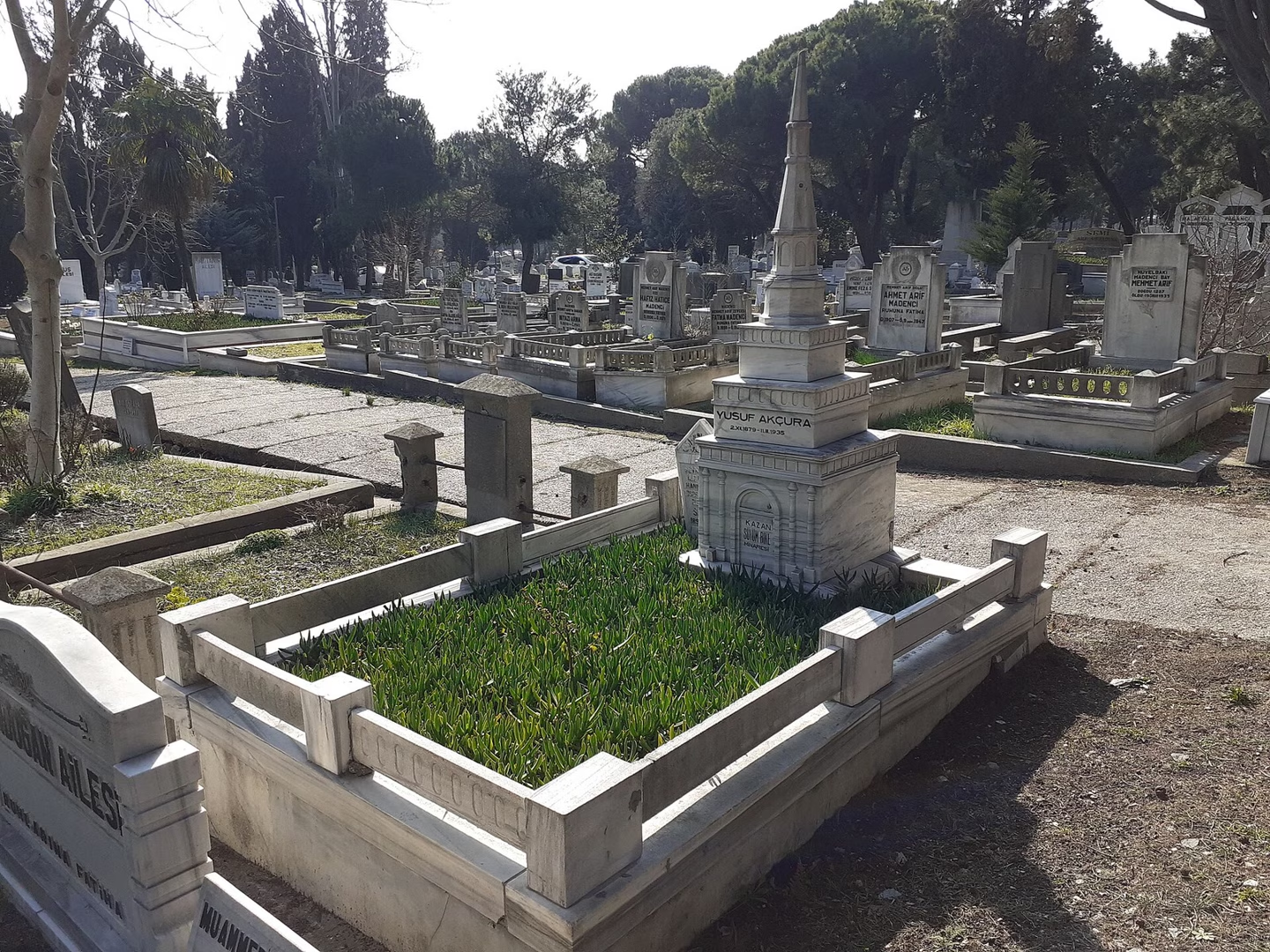
In 1931, Akçura became head of the Turkish Historical Society, and in 1932, at Atatürk's request, he led the work of the First Turkish History Congress. He died on March 11, 1935, and was buried at the Edirnekapı Cemetery in Istanbul.
Akçura's legacy in Kazan
Radik Salikhov, director of the Marjani Institute of History of the Academy of Sciences of Tatarstan, told Business Online that Akçura was one of the prominent representatives of Tatar Jadidism. During his four years in Kazan, Akçura made a notable contribution to the development of new-method education and wrote the first book about the reform activities of the founder of one of the earliest madrasahs of this type. In Kazan, one of the streets in the Novaya Sosnovka settlement is named after Yusuf Akçurin.
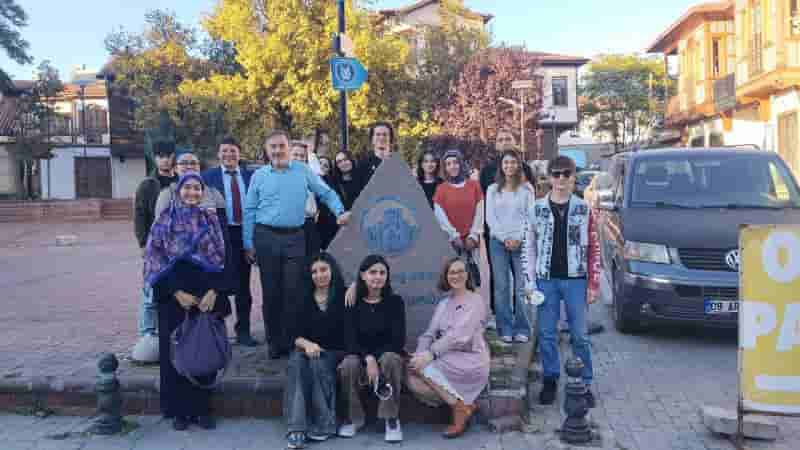
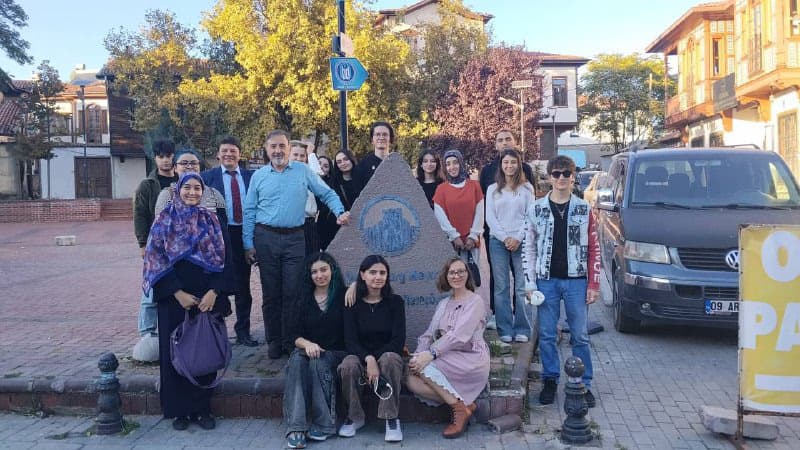
Photo: Wikimedia Commons (public domain; Sureta, CC BY-SA 4.0)
Stay Updated with RuskiGazeta
Subscribe to be informed about special news, developments and announcements. We will keep you informed.
By signing up, you agree to our Privacy Policy