- BIST10011,798+3.22%
- USD49.55+0.21%
- EUR55.57-0.09%
- GOLD4,136.00-0.16%
- INTEREST37.00%-1.00
- BITCOIN83,070+0.16%
- October 21, 202612°
- BIST10011,798+3.22%
- USD49.55+0.21%
- EUR55.57-0.09%
- GOLD4,136.00-0.16%
- INTEREST37.00%-1.00
- BITCOIN83,070+0.16%
- October 21, 202612°
Xi Jinping Becomes the Center of Global Diplomacy with Meetings with Trump and Putin
Consecutive visits by Trump and Putin to Beijing gave Xi Jinping an advantage in great power diplomacy. No concrete agreement emerged from the talks.
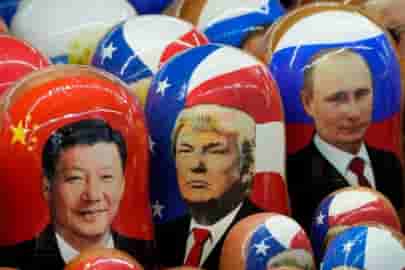
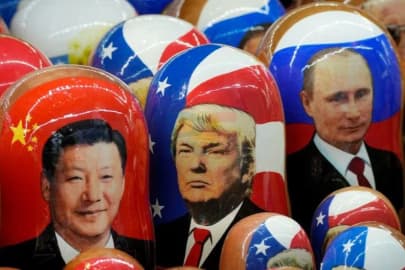
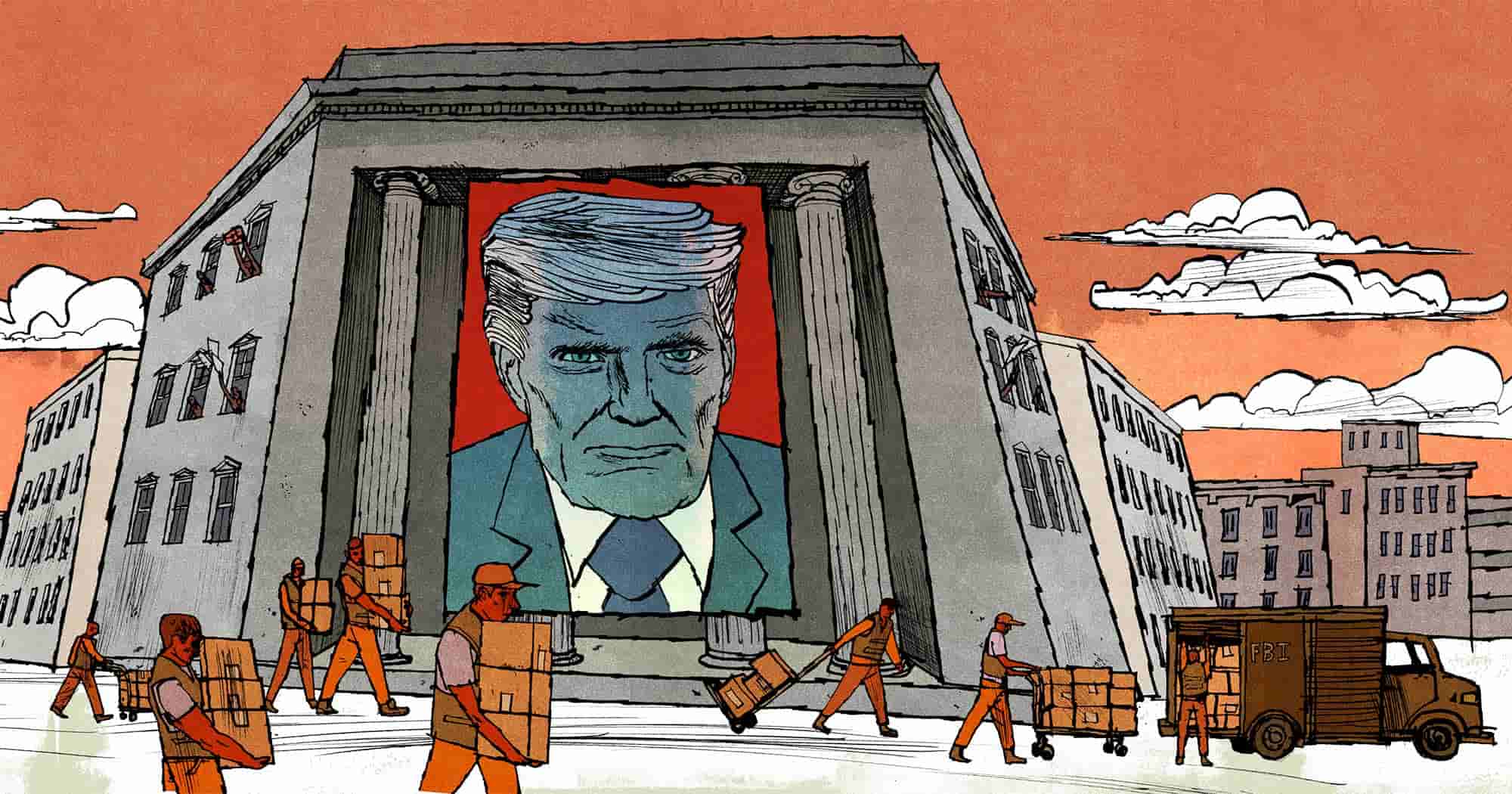
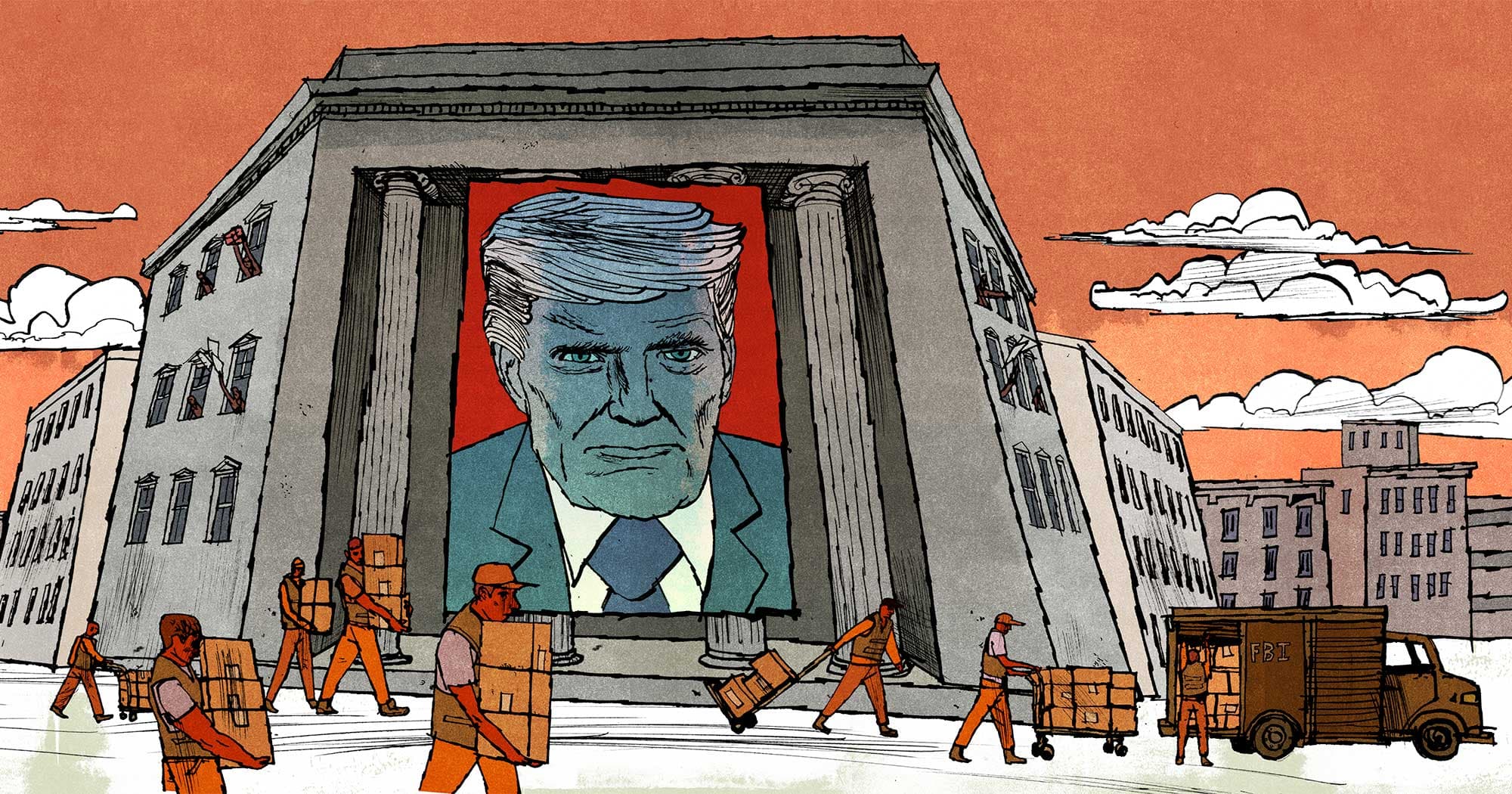
In May, the back-to-back visits of Donald Trump and Vladimir Putin to Beijing gave Xi Jinping the opportunity to place himself at the very center of international politics. These consecutive visits created not only a diplomatic spectacle for the Chinese leader but also a moment where global power balances were reconsidered.
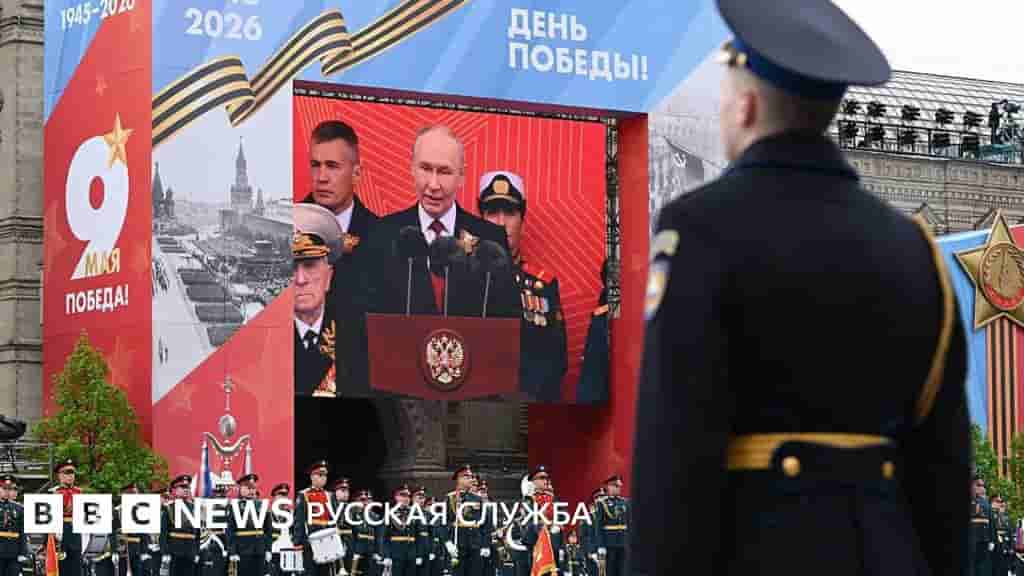
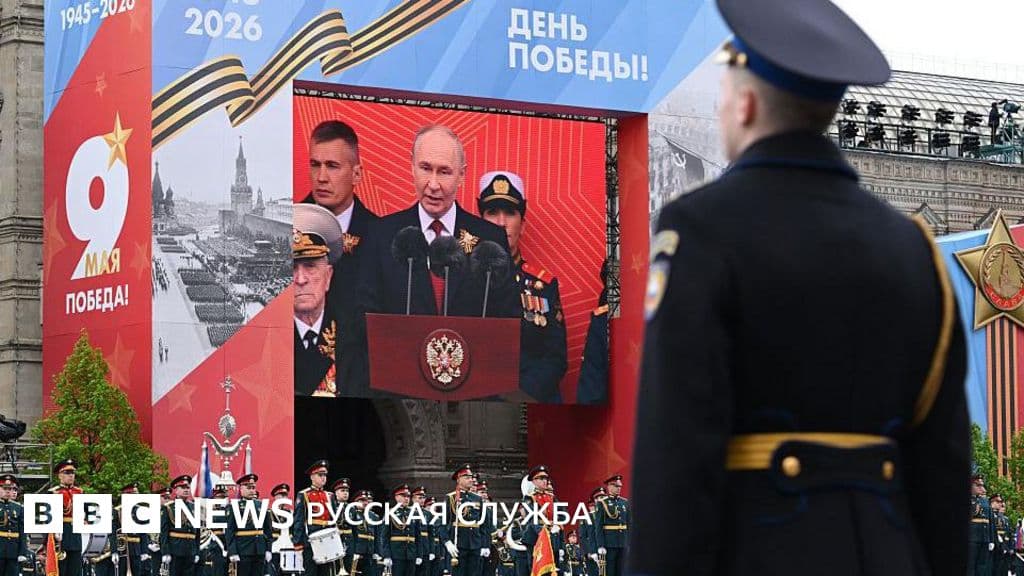
Trump arrived in Beijing on May 14, accompanied by a delegation of billionaires and carrying a broad list of expectations. However, most of these expectations were unmet by the end of the meeting. Putin visited Beijing on May 19, aiming to demonstrate the closeness of his relationship with China and to make progress on the South Stream 2 natural gas pipeline project. Yet, it appears the Russian leader mainly received a message of closeness, with limited tangible gains.
The Reversed Triangle Diplomacy
The triangular diplomacy approach introduced by Henry Kissinger during the Cold War relied on Washington balancing relations between Beijing and Moscow. At that time, the U.S. was at the apex of the triangle, while China and the Soviet Union often acted with Washington in mind rather than each other.
In the past week, this order seems to have reversed. Although Trump and Putin are rivals, tensions from Ukraine to Iran forced both to visit Beijing. From the perspective of the Chinese press, this scenario reinforced the impression that global decisions are now shaped in Beijing.
The consecutive visits also raised questions about whether a major behind-the-scenes deal was made. However, neither the timing nor the symbolism should be overstated. Trump's visit was postponed from late March due to the impact of the Iran conflict, while Putin's visit was pre-planned to mark the 25th anniversary of the Friendship and Good-Neighborliness Treaty between Moscow and Beijing.
Cold Outcome from Trump Meeting
Xi welcomed Trump with ceremonies, including a red carpet, military honor guard, and choir. The Chinese leader also accompanied Trump at Zhongnanhai. During their walk, Trump asked how often foreign leaders visit the compound, to which Xi replied it was very rare, citing Putin as an example.
This remark was interpreted as a message that Xi views his relationship with Moscow as closer and more reliable than with Washington. Nevertheless, no concrete results emerged from the meeting. The parties did not openly clash but also did not reach any significant agreement. Both sides released their own assessments, which differed completely.
The Washington side highlighted talks on trade councils, rare earth elements, and the Strait of Hormuz. Beijing did not mention these topics but instead emphasized Taiwan and "constructive strategic stability." Trump left Beijing without holding a press conference and declined to answer journalists' questions during his final remarks.
Another notable message from Trump after the visit was his statement that Taiwan should not pursue independence and that arms sales to the island could be halted if necessary. Although this did not indicate a concrete policy change, these words were seen as a diplomatic gain for China.
Warm Words for Putin, Limited Agenda
Putin's visit took place in a warmer atmosphere. Mutual friendship messages were exchanged, and a joint statement was signed. In the statement, Xi once again criticized the U.S. as a "wave of unilateral hegemony."
The two leaders also signed 20 minor agreements covering areas such as education, trade, and extending visa-free stays for Russian citizens in China. However, most of these documents are viewed as limited steps prepared to add weight to the summit. No agreement was reached on the South Stream 2 pipeline, the summit's most important topic.
The pipeline project is seen as one that could significantly increase Russia's natural gas exports to China. The parties only stated they reached a general understanding on parameters. Kremlin spokesman Dmitry Peskov noted progress, but it is emphasized that this progress has been stalled for over a decade.
China's cautious approach to this project is also notable. China already purchases Russian oil and gas at discounted prices, making Russia one of its largest suppliers. However, the Chinese administration prioritizes diversifying its energy infrastructure, investing in alternative and green energy, and avoiding overdependence on a single source.
Possible Behind-the-Scenes Deals on Ukraine and Iran
The most notable discussion surrounding the summits was the possibility of a trilateral deal on the Ukraine and Iran crises. Questions arose about whether China would pressure Russia into Ukraine negotiations in exchange for U.S. flexibility on Taiwan or act as a mediator on Iran.
No major concrete agreement was announced. There was no publicly declared consensus or signed deal. Nevertheless, it appears various possibilities were discussed behind closed doors in different circles.
One claim suggests Putin proposed linking Russia's cessation of intelligence support to Iran with Washington taking similar steps on Ukraine. This claim was debated in March but denied by Kirill Dmitriev. In May, it was suggested such a formula might have resurfaced.
Although China is not directly mentioned in these scenarios, its indirect influence is acknowledged. Chinese companies are significant sources of satellite data reaching Iran, so China is considered a factor in any potential arrangement.
Another possible maneuver was seen in the Taiwan issue. Scenarios discussed included a U.S. easing of arms shipments to Taiwan in exchange for China playing a role in the Strait of Hormuz or trade tensions. China is also expected to raise a new U.S. arms package for Taiwan as a critical topic during Xi's visit to the U.S. this fall.
Xi's Gain: Image Over Outcome
Looking at the overall picture, Xi Jinping appears to be the biggest winner from Trump and Putin's visits to Beijing. Trump left without a concrete agreement, and Putin had to settle for friendship messages and small-scale deals.
This process created a diplomatic showcase that positioned Xi as one of the world's most influential leaders. The fact that two rival leaders visited Beijing in the same week strengthened the perception that China is no longer just one of the parties but a central power to which great powers are accountable.
The main question remains open: Will these summits lead to a real breakthrough on Ukraine, Iran, and Taiwan in the coming months, or will they remain a brilliant but limited diplomatic show that mainly strengthens Xi's hand?
Stay Updated with RuskiGazeta
Subscribe to be informed about special news, developments and announcements. We will keep you informed.
By signing up, you agree to our Privacy Policy