- BIST10011,131-3.02%
- USD50.47+0.05%
- EUR55.46+0.20%
- GOLD3,539.00-3.98%
- INTEREST36.00%-1.00
- BITCOIN59,021-4.66%
- November 21, 202616°
- BIST10011,131-3.02%
- USD50.47+0.05%
- EUR55.46+0.20%
- GOLD3,539.00-3.98%
- INTEREST36.00%-1.00
- BITCOIN59,021-4.66%
- November 21, 202616°
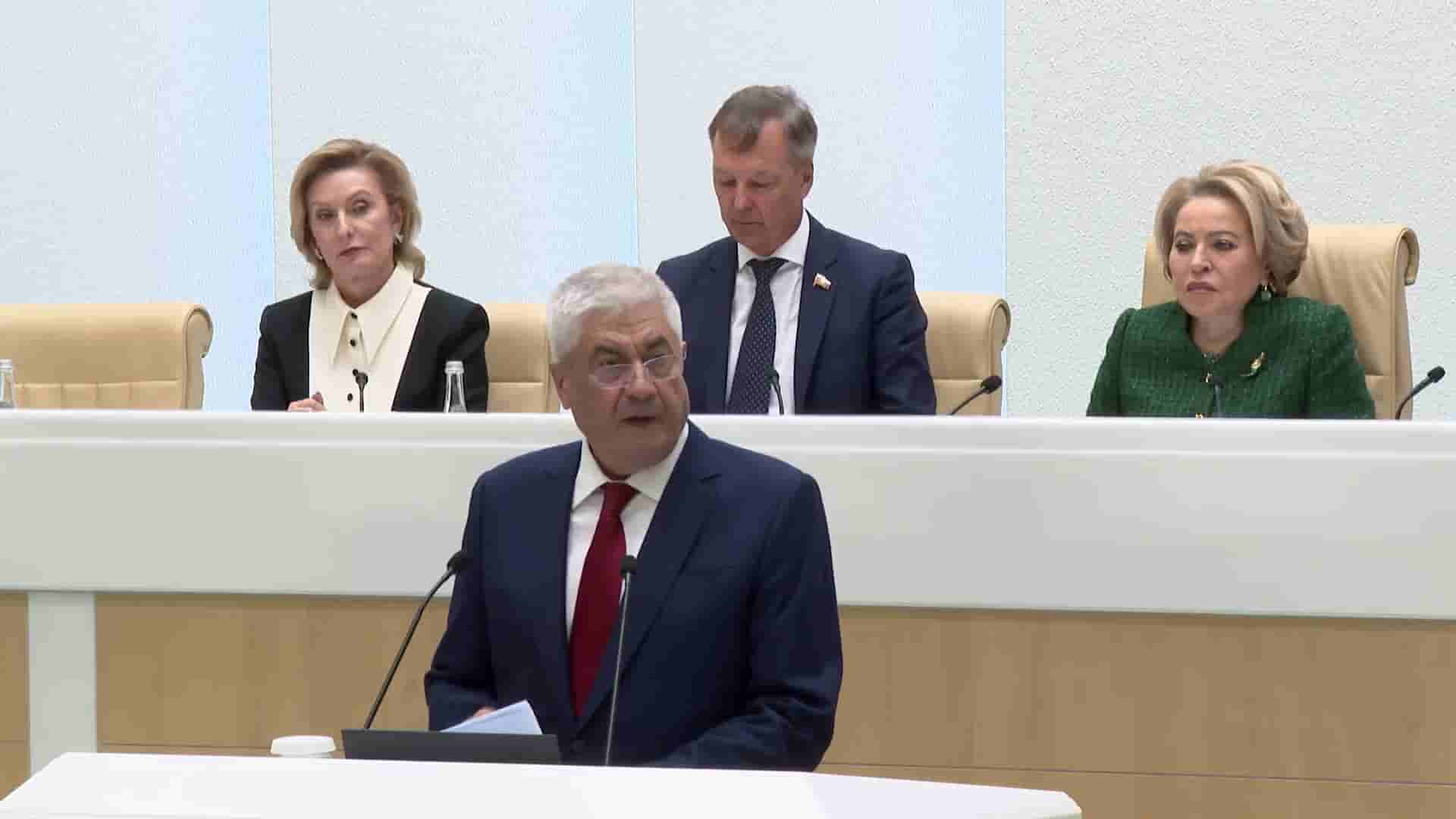
Work-related entries from Uzbekistan to Russia fell by 236,000
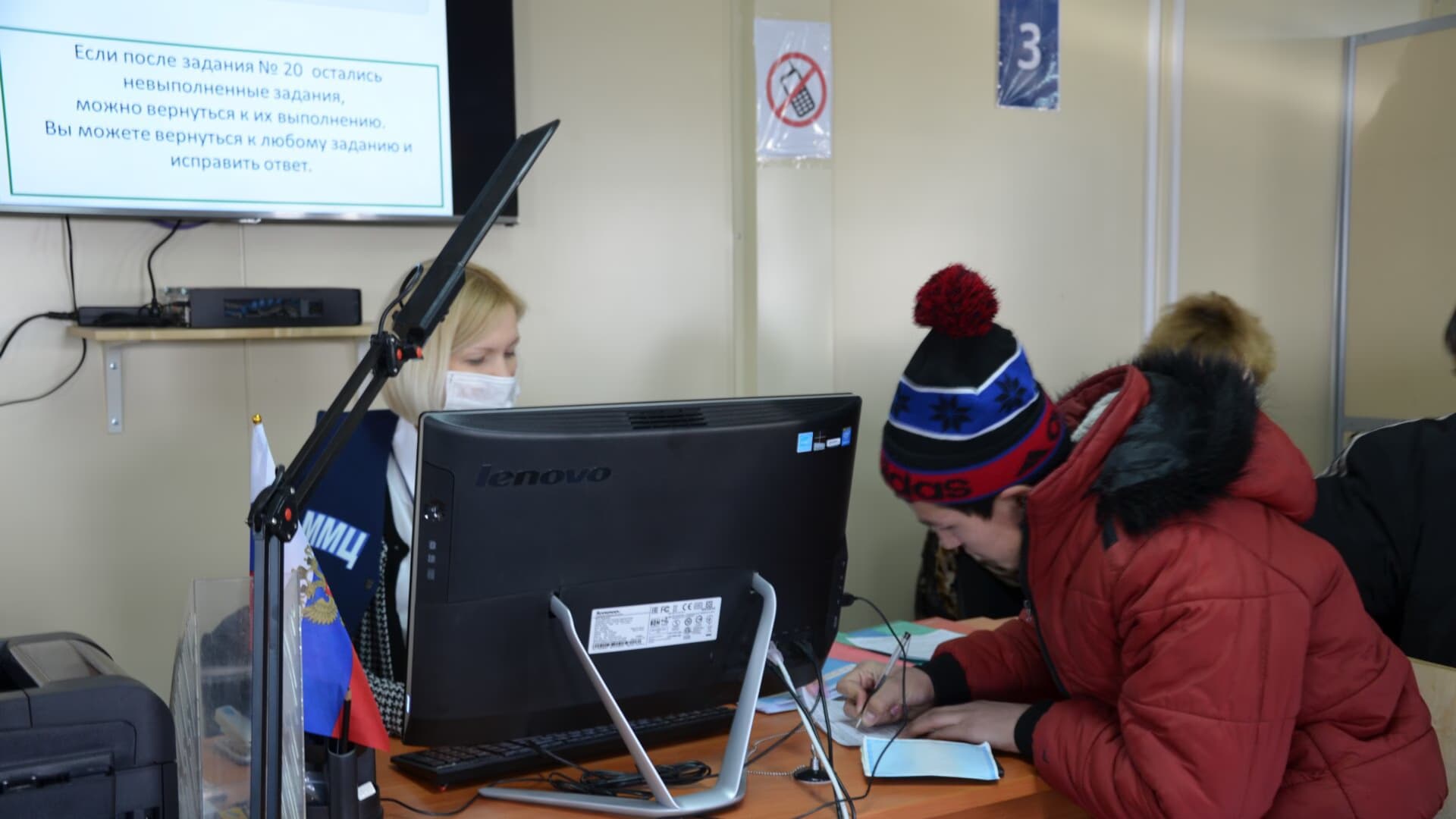
In the first nine months of 2026, citizens of Uzbekistan cited work as the purpose of travel to Russia 1.53 million times, 13% fewer than a year earlier. Foreign nationals cited this purpose more than 3.2 million times in total.


Uzbekistan remains the main source of labor for Russia, but the flow has declined significantly. From January through September 2026, Uzbek citizens entered the country for work 1,535,026 times, compared with 1,771,406 times during the same period in 2025, RIA Novosti and TASS reported, citing statistical data.
As a result, the number of work-related entries from Uzbekistan fell by 236,380, or about 13%. In total, foreign nationals cited work as the purpose of entry more than 3.2 million times during the first nine months of the year.
Tajikistan ranks second, while Türkiye is among the top 10
Tajikistan ranks second with 665,892 work-related entries. According to TASS, it is followed by Kyrgyzstan (289,061), Kazakhstan (176,037) and China (127,176); RIA Novosti gives a different figure for Kyrgyzstan: 385,169. Other countries whose citizens came to Russia for work included Armenia (111,235), Azerbaijan (83,991), India (38,816), Turkmenistan (19,038) and Türkiye (12,873).
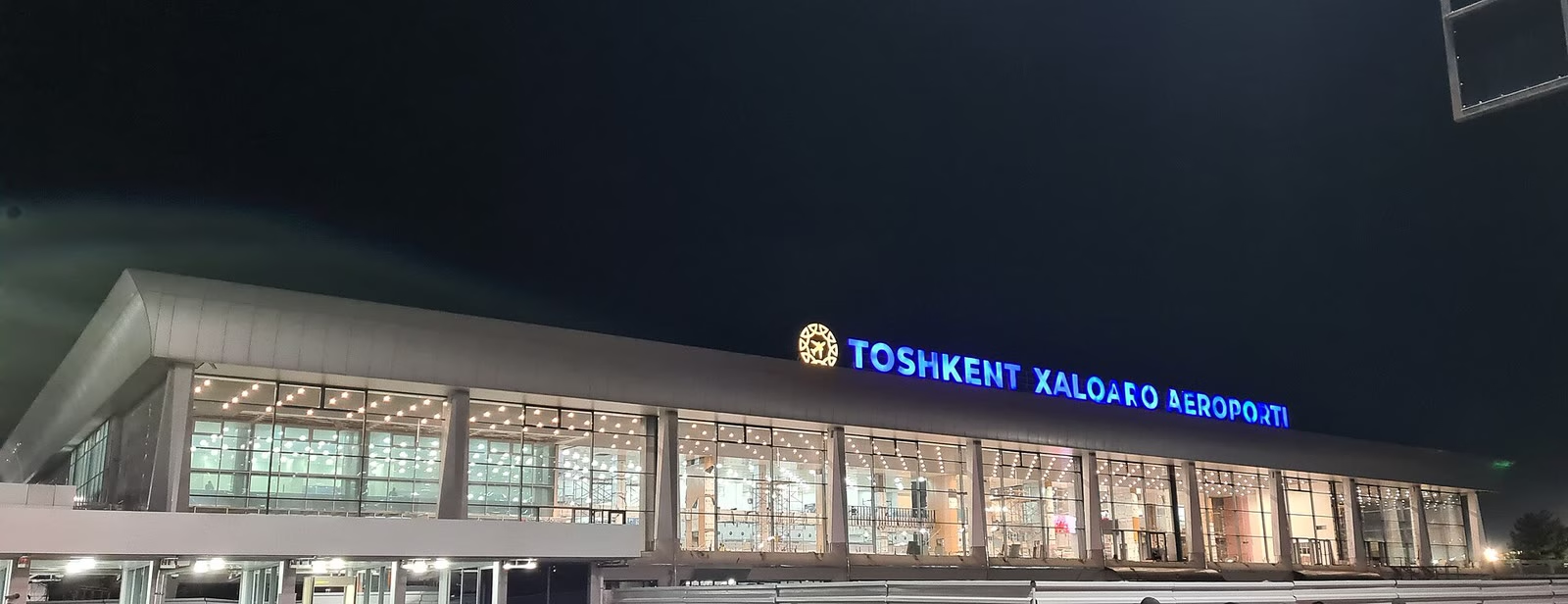
The decline in arrivals from Central Asia had also been recorded earlier. According to Vedomosti, during the first half of 2026, the number of entries into Russia for the purpose of “work” from Uzbekistan, Tajikistan and Kyrgyzstan fell by 15%. Uzbekistan also ranked first in the first-half figures.
Amid tighter rules
The decline is occurring alongside a tightening of migration policy. According to the Interior Ministry, about 6.5 million foreign nationals were in Russia as of October 1, while the share of migrants officially employed rose from 45% to 50% over the year. The Security Council reported that 143,000 decisions on the expulsion of migrants were issued in the country during the first nine months.
Regions are preparing new restrictions for 2027 on the employment of foreign nationals in certain sectors, while the cost of a work patent in St. Petersburg could rise to 11,000 rubles.
Photo: Wikimedia Commons (CC0; BeshevI, CC BY-SA 4.0)
Stay Updated with RuskiGazeta
Subscribe to be informed about special news, developments and announcements. We will keep you informed.
By signing up, you agree to our Privacy Policy