- BIST10011,843+1.51%
- USD50.26+0.06%
- EUR55.74-0.44%
- GOLD3,882.00-0.08%
- INTEREST36.00%-1.00
- BITCOIN68,579-3.91%
- November 14, 202619°
- BIST10011,843+1.51%
- USD50.26+0.06%
- EUR55.74-0.44%
- GOLD3,882.00-0.08%
- INTEREST36.00%-1.00
- BITCOIN68,579-3.91%
- November 14, 202619°
Kolokoltsev: Migrants’ legal employment share in Russia rises to 50%
Interior Minister Vladimir Kolokoltsev told senators that the entry of foreign nationals fell by nearly 10%, while residence permit cancellations increased 18-fold.
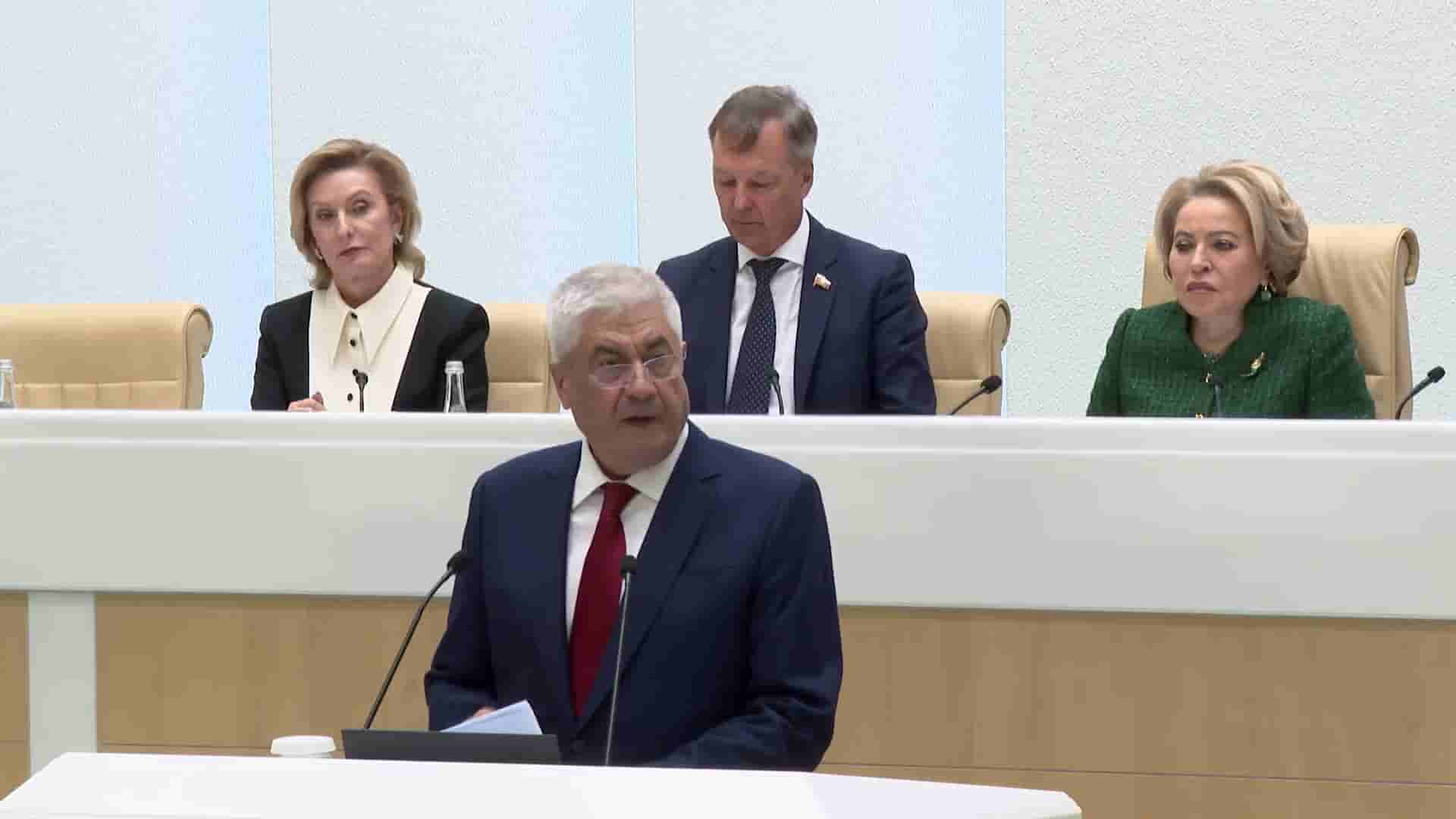
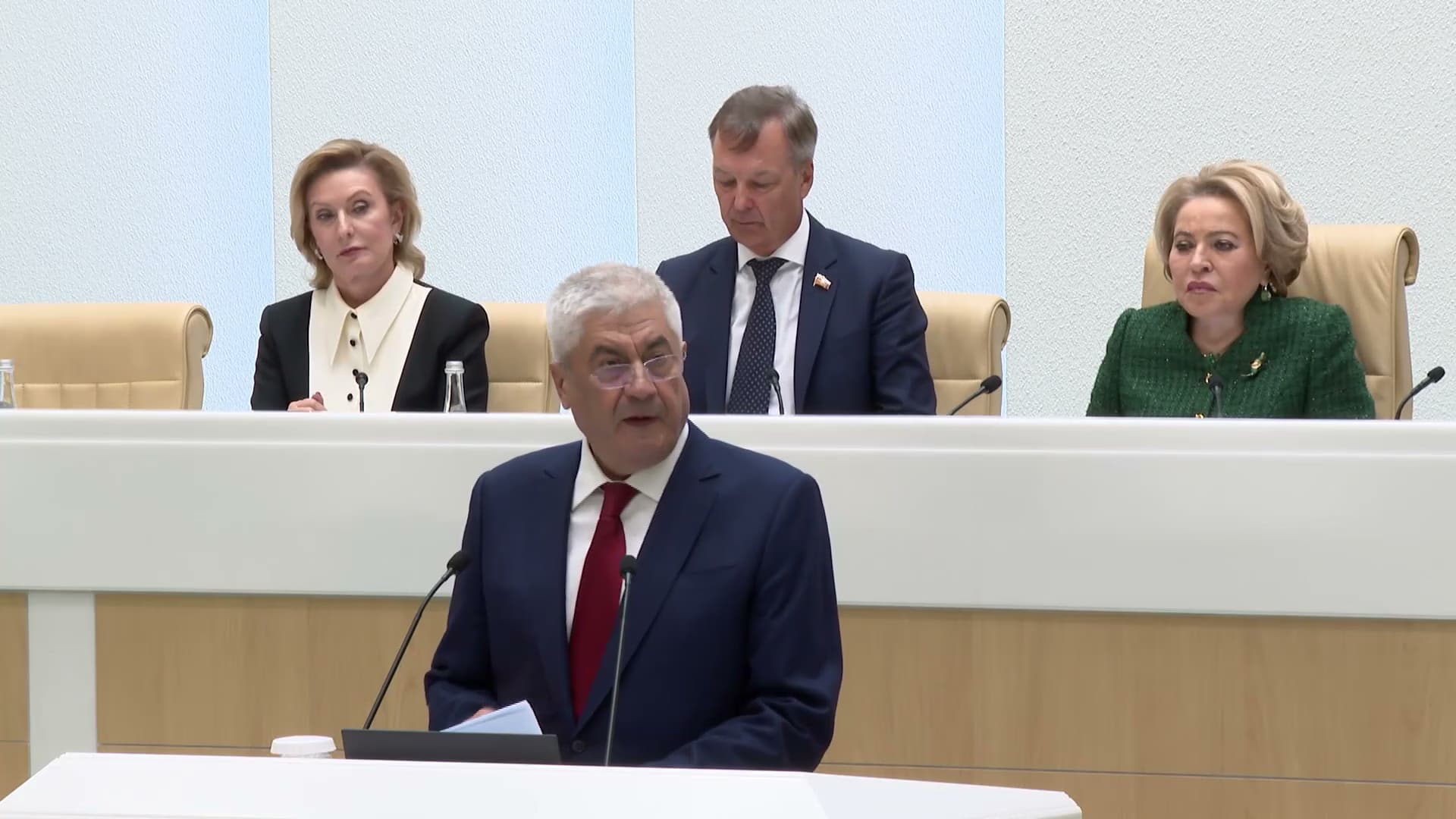
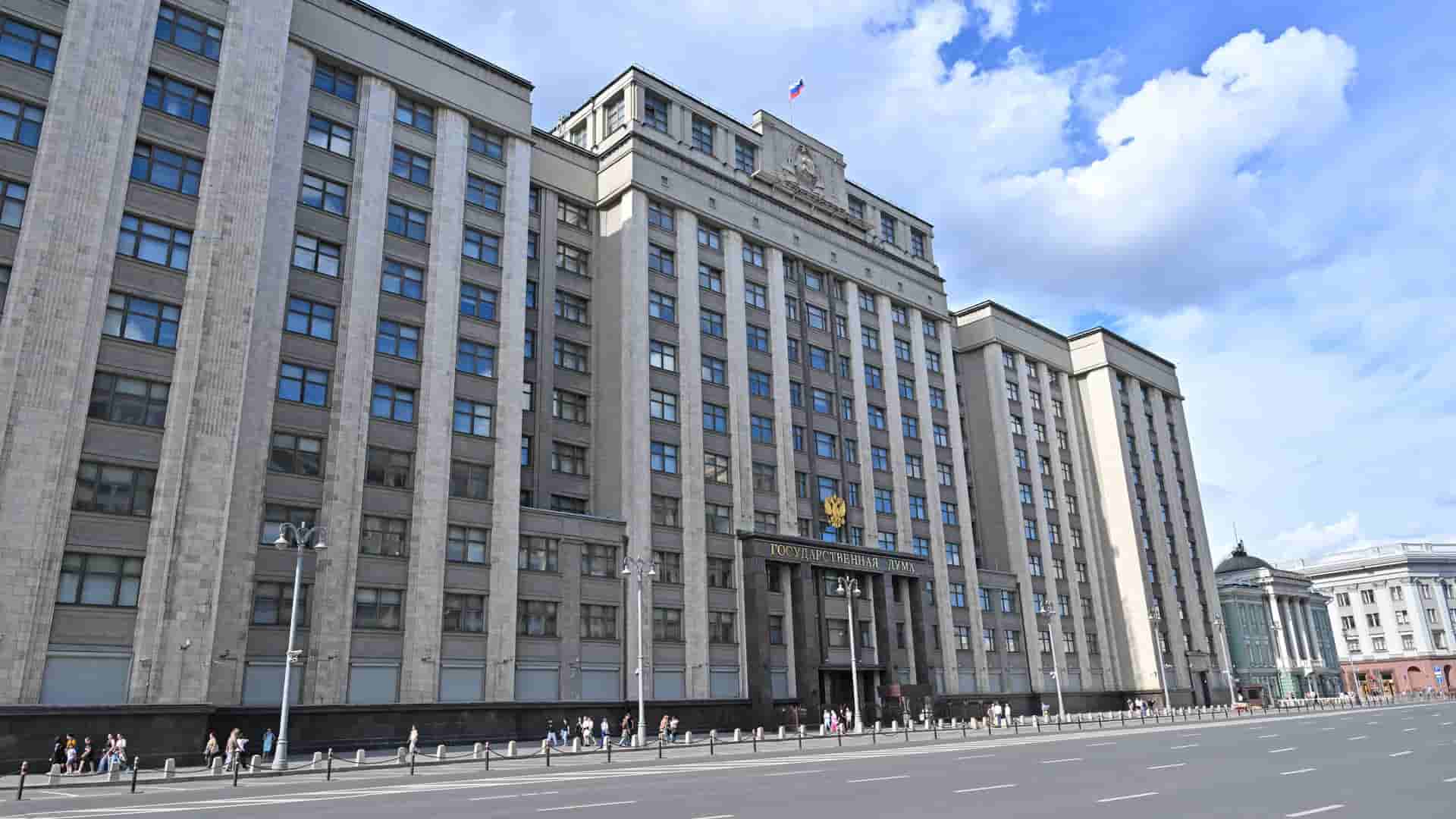
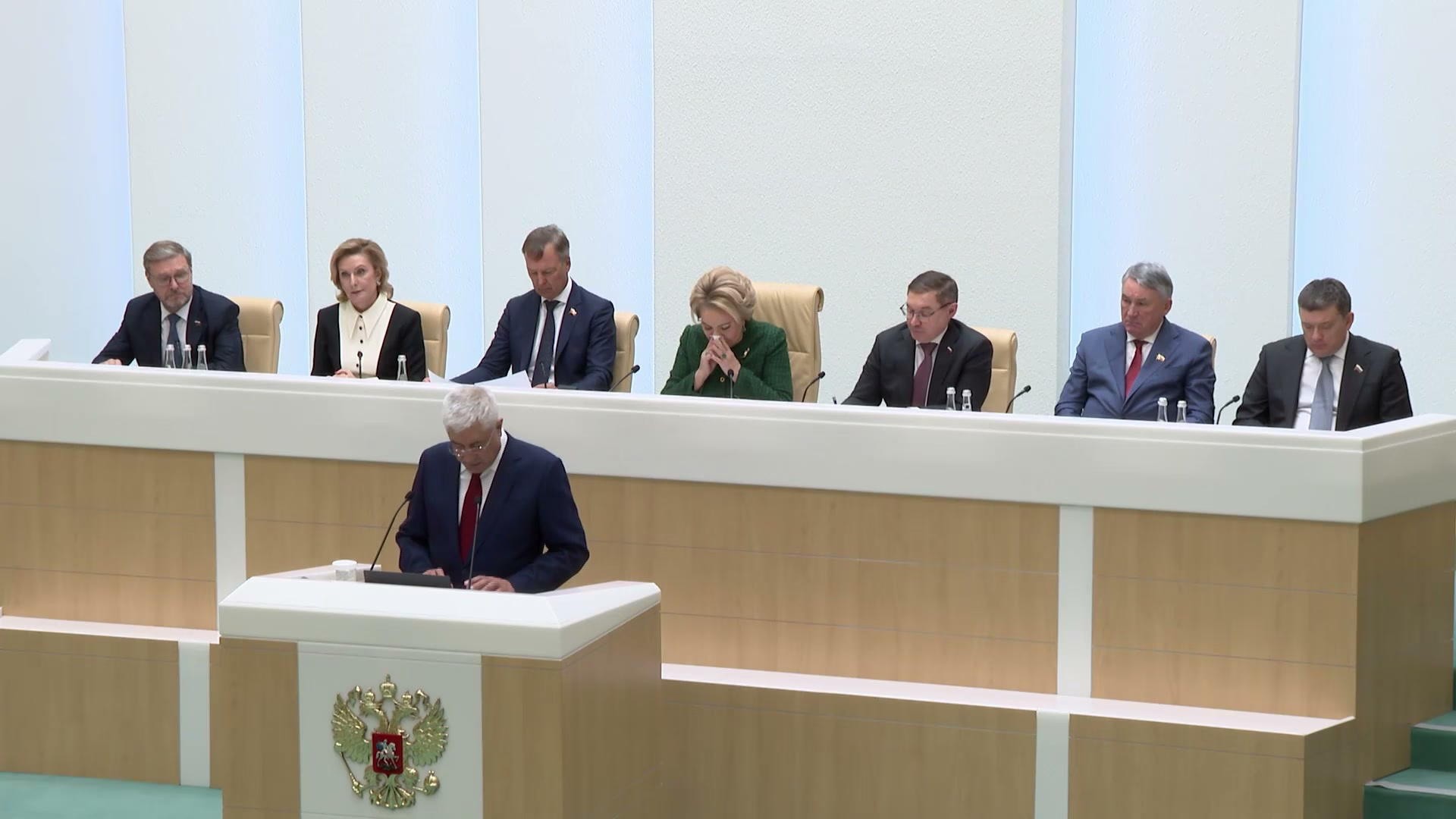
Interior Minister Vladimir Kolokoltsev addressed the Federation Council on November 10 during a “government hour” devoted to combating illegal migration. He described this work as one of the key priorities of state security policy.
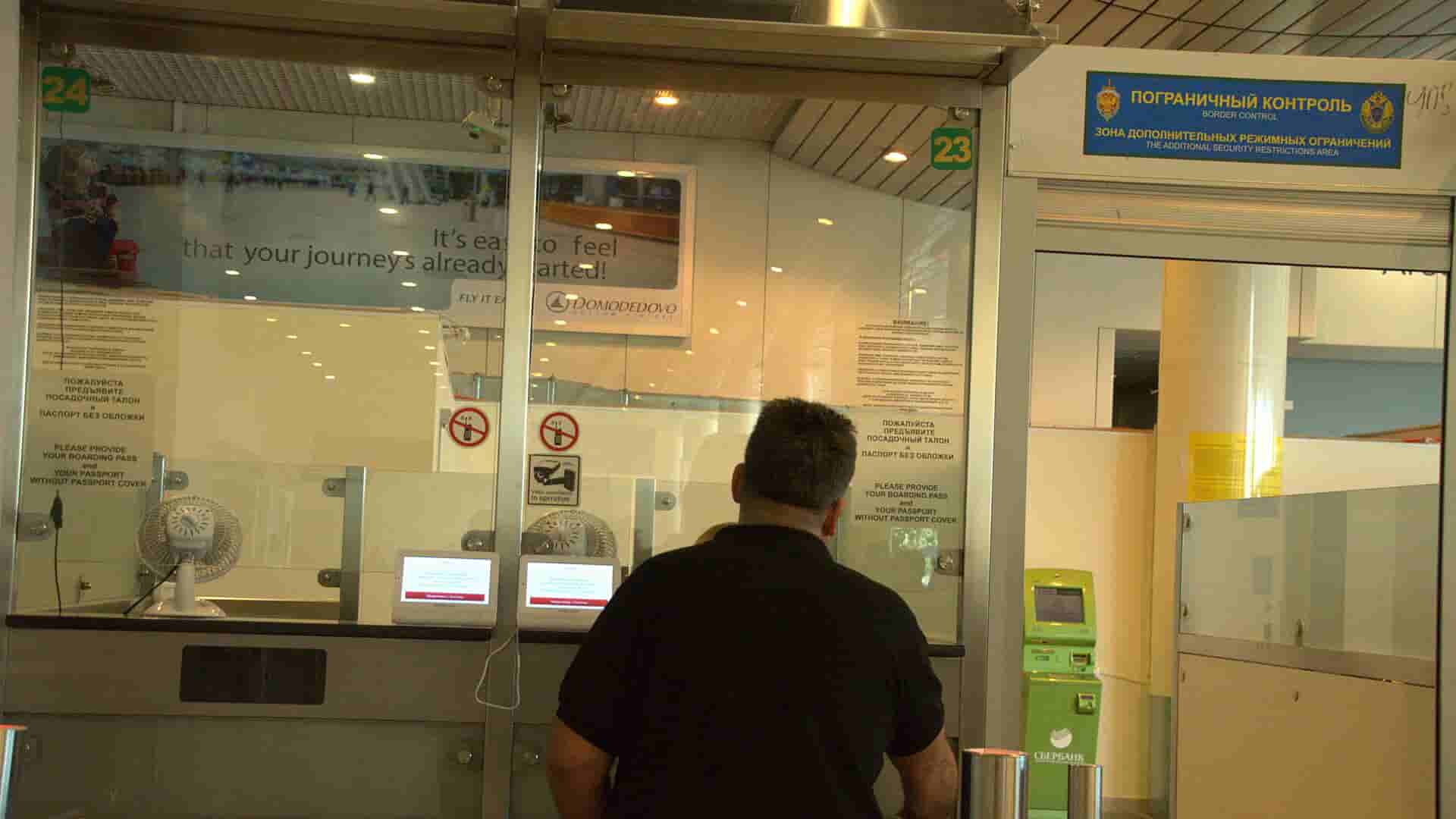
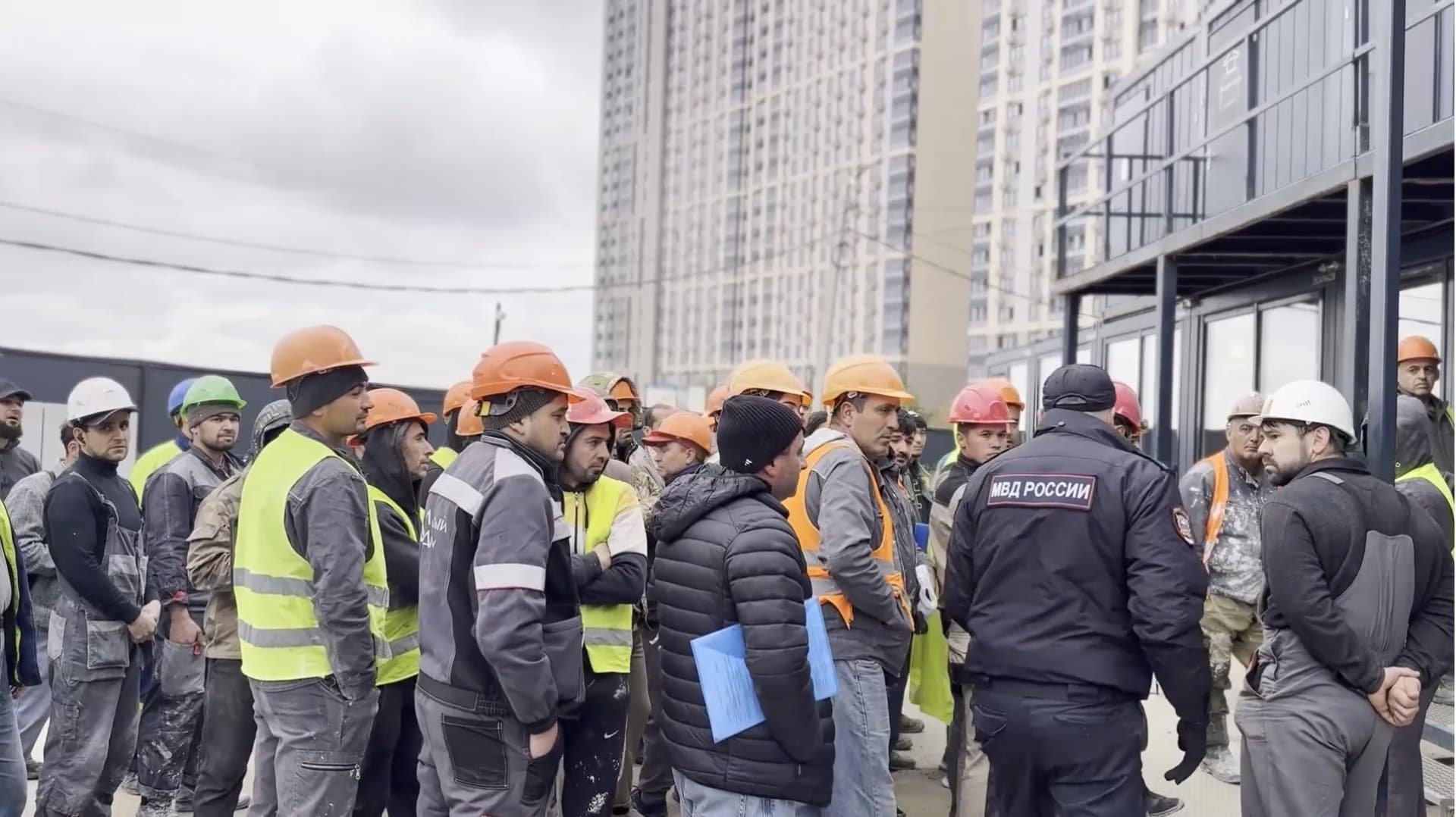
According to the minister, around 7 million foreign nationals entered Russia from January through September, nearly 10% fewer than a year earlier. Around 6 million migrants were in the country as of October 1. “The share of those engaged in legal employment has risen from 45% to 50%,” Kolokoltsev said, recalling that the figure was just 25% ten years ago. According to him, one in ten foreign nationals, or 670,000 people, has temporary or permanent resident status.
Fewer statuses and passports
The minister said the agency’s goal was to separate labor migration from resettlement. Following the adoption of laws targeting fictitious marriages and paternity claims, five times more temporary residence permits and 18 times more residence permits were annulled over the past year. The number of refusals to issue residence permits increased 13-fold, while one-third fewer foreign nationals received Russian citizenship. “Those who have no genuine intention of becoming full members of Russian society have been excluded from the pool of applicants,” he stressed.
The procedure for terminating citizenship, introduced three years ago, has been applied to more than 5,000 people, mainly for criminal offenses. Since the beginning of the year, more than 3,500 crimes related to organizing illegal migration have been prevented.
Matviyenko: Without excessive emotion
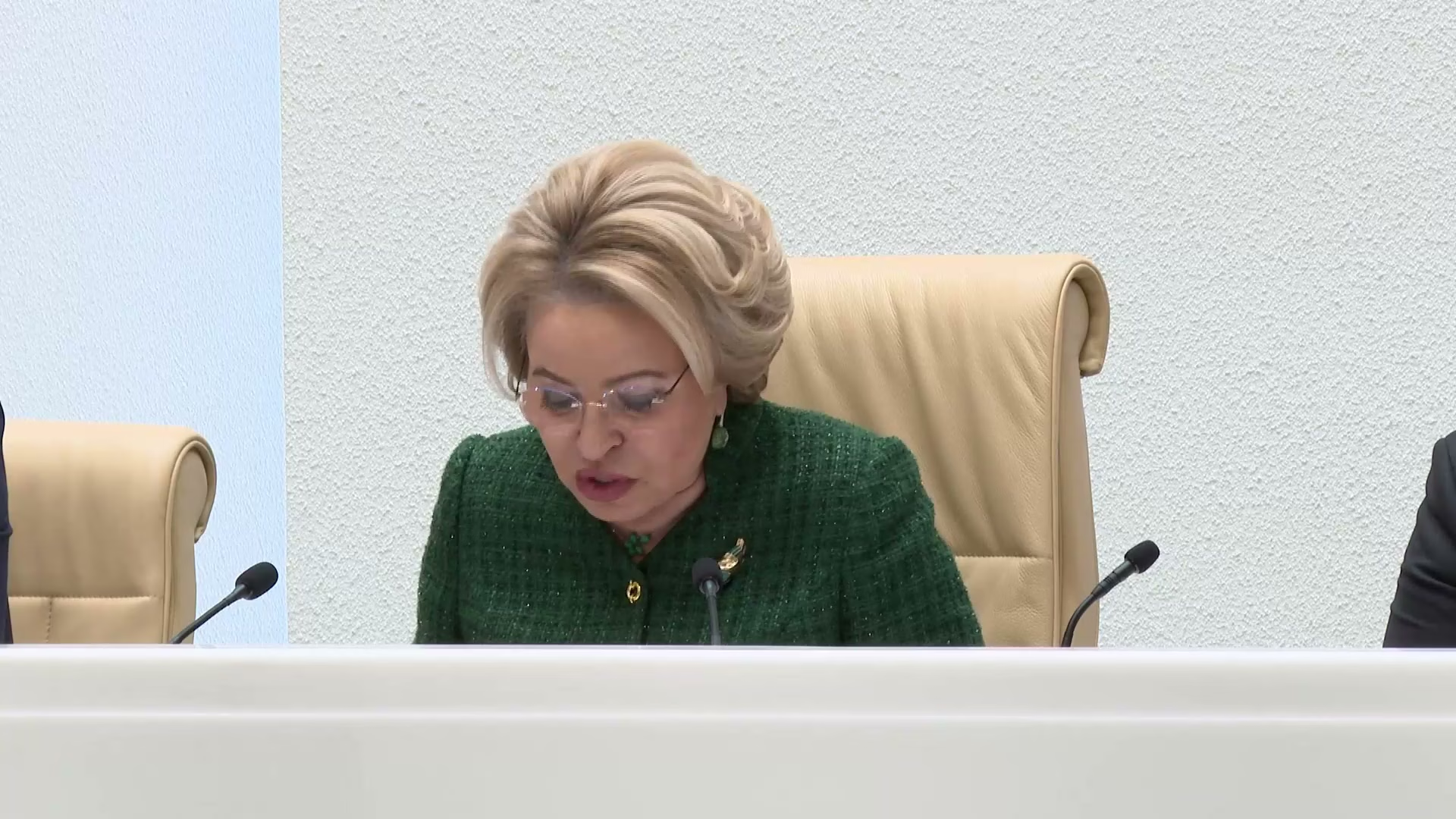
Federation Council Chair Valentina Matviyenko called migration policy one of the most pressing issues. “Our goal is to strike a balance and put things in order in the country so that migration is civilized and legal,” she said. The speaker advocated organized recruitment through employers and interstate agreements, and warned politicians against careless statements on the subject: “Everything requires moderation—no extremism and no excessive emotion.”
Refugees and taxis
According to Interior Ministry data on the fedstat.ru portal, 193 foreign nationals applied for refugee status in Russia during the first nine months of 2026, mostly citizens of Ukraine, Uzbekistan and Tajikistan. During the same period last year, there were 227 such applications.
At the same time, restrictions in the labor market are being tightened. A draft resolution prepared by the Ministry of Labor on the permissible share of foreign workers for 2027 provides for restrictions on migrants working in taxis in eight regions, including Tatarstan, Chuvashia, Mordovia and Sverdlovsk Region. The document has been approved by the Russian Tripartite Commission and is awaiting the signature of Prime Minister Mikhail Mishustin. Kaluga Region, meanwhile, plans to ban foreign nationals from working as couriers.
Stay Updated with RuskiGazeta
Subscribe to be informed about special news, developments and announcements. We will keep you informed.
By signing up, you agree to our Privacy Policy