- BIST10011,131-3.02%
- USD50.47+0.05%
- EUR55.46+0.20%
- GOLD3,539.00-3.98%
- INTEREST36.00%-1.00
- BITCOIN59,042-4.62%
- November 21, 202616°
- BIST10011,131-3.02%
- USD50.47+0.05%
- EUR55.46+0.20%
- GOLD3,539.00-3.98%
- INTEREST36.00%-1.00
- BITCOIN59,042-4.62%
- November 21, 202616°
Anthropic mathematician claims Riemann hypothesis proof, verification remains
Levent Alpöge claims he found a proof of a problem formulated in 1859 together with the AI model Claude. The work has not yet undergone independent verification or peer review.
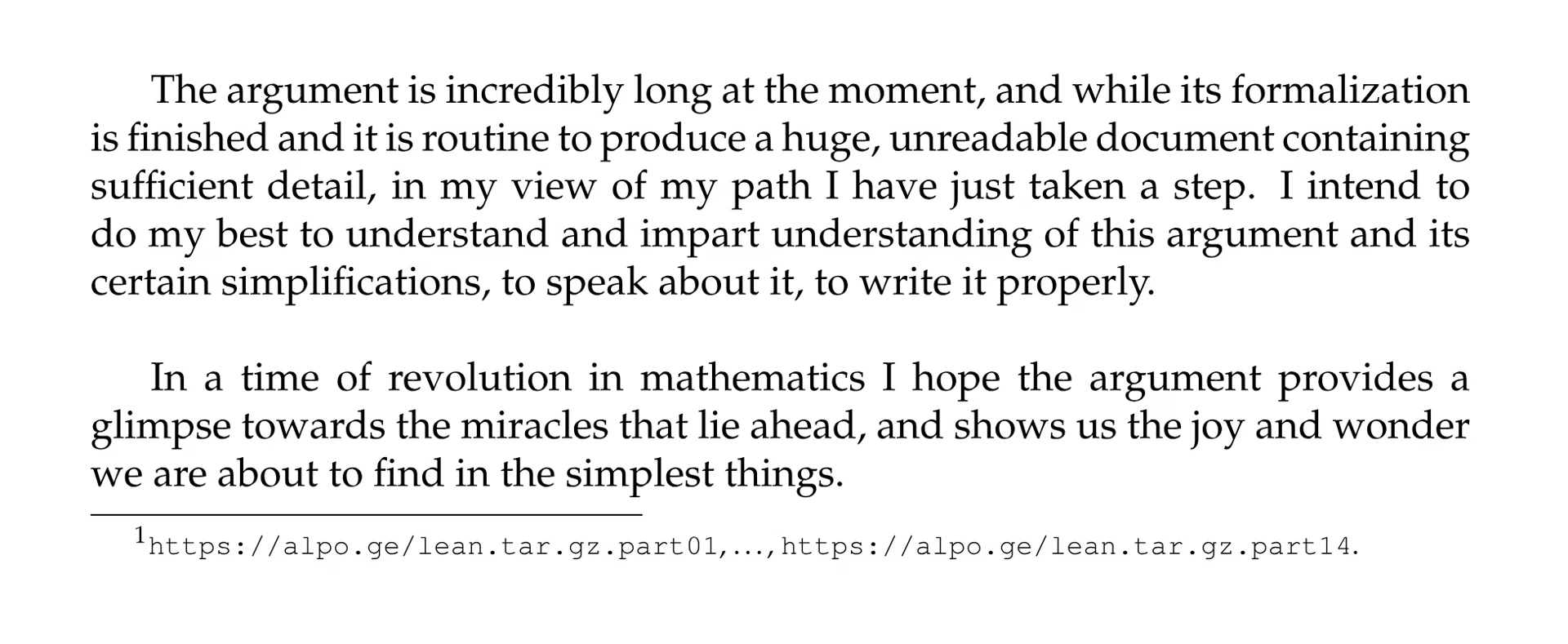
Levent Alpöge, a mathematician at the US company Anthropic, claimed that he had found a proof of the Riemann hypothesis, one of mathematics’ most famous unsolved problems, together with the AI model Claude. “I believe that, working with Claude, I discovered a proof of the Riemann hypothesis,” he wrote in a four-page note on his personal website on Friday.
Alpöge said the method also applies to the generalized Riemann hypothesis. He noted that, at the final stage, Claude “was far ahead” of him.
A proof in Lean
Instead of a conventional academic paper, the mathematician posted only a formal version of the proof in Lean, a language that allows a computer to verify every logical step. The archive is divided into 14 parts. Alpöge acknowledged that the argument was “incredibly long” and promised to prepare an accessible explanation later. The attached chronology indicates that the work took about six weeks, from the first ideas on October 6 to the generalized hypothesis on November 16.
The proof has not yet undergone independent verification and has not been published in a peer-reviewed journal. Andrew Sutherland, a mathematician at the Massachusetts Institute of Technology, told Scientific American that he had independently compiled the Lean code, but said much more work was needed to understand the proof’s mathematical details.
One of the Millennium Prize Problems
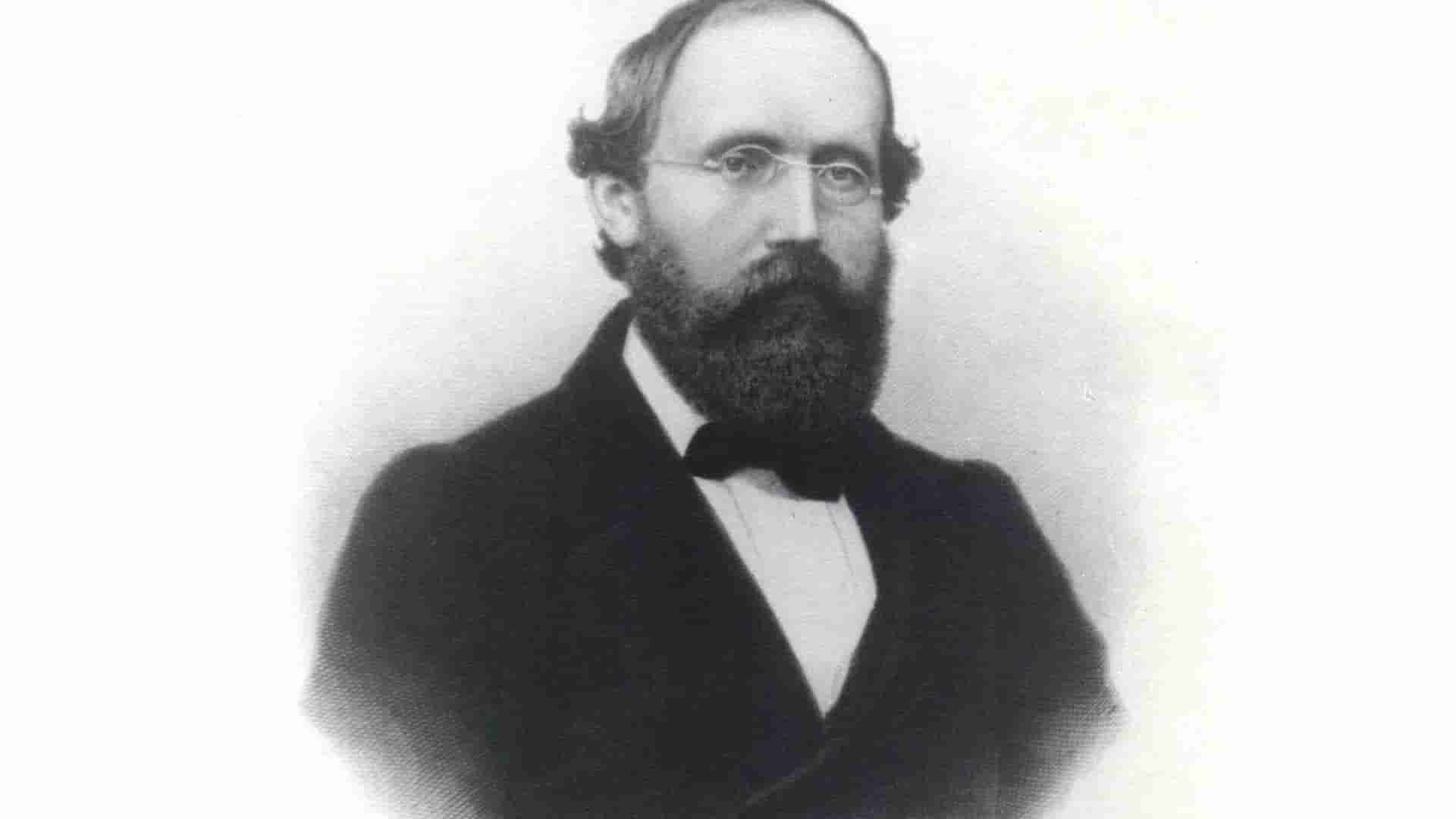
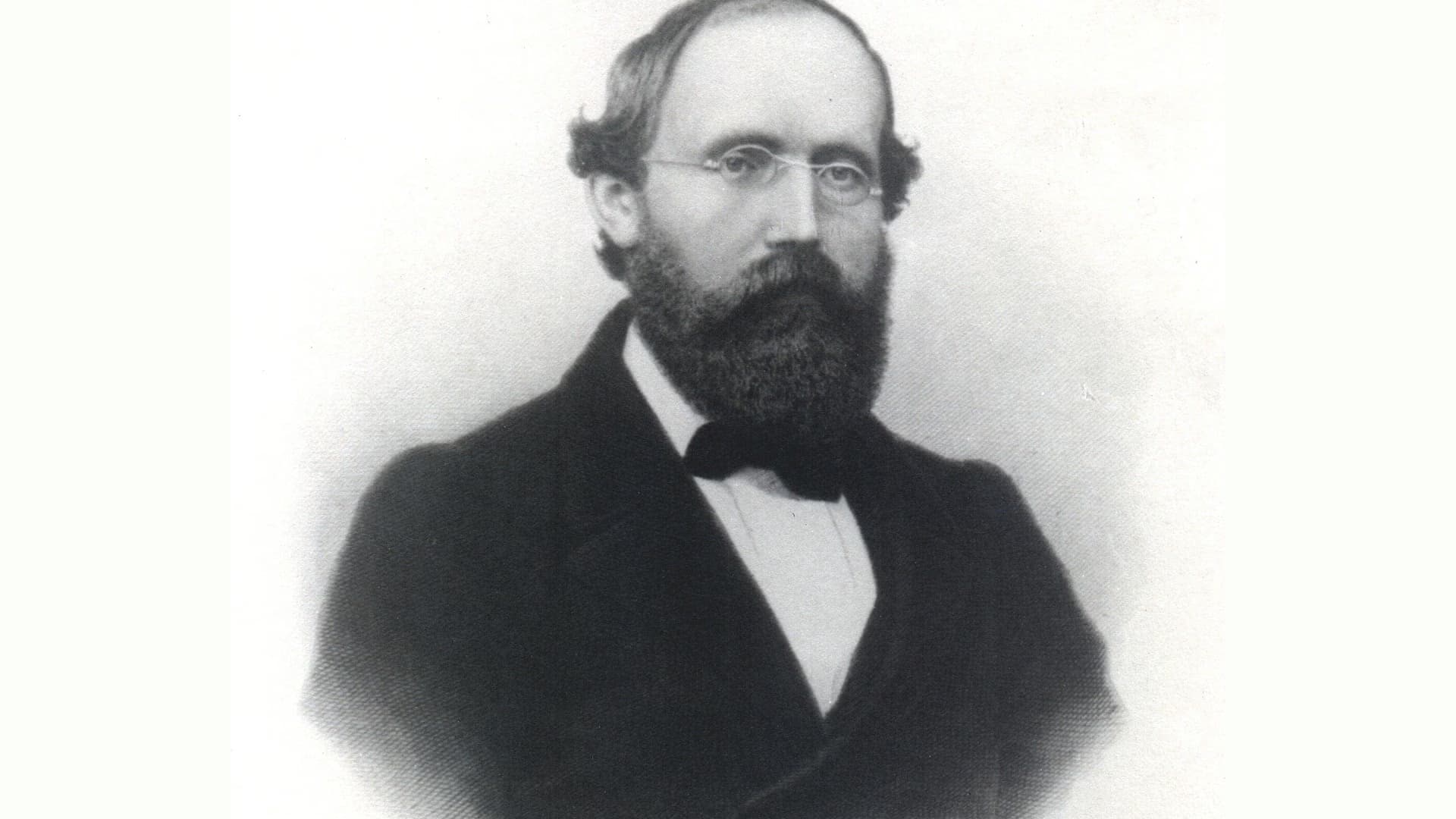
The hypothesis was formulated by German mathematician Bernhard Riemann in 1859. It states that all nontrivial zeros of the Riemann zeta function have a real part equal to 1/2 and is closely linked to the distribution of prime numbers. It is one of the seven Millennium Prize Problems of the Clay Mathematics Institute, which offers a $1 million prize for solving each one. To receive the award, a solution must be published and withstand two years of scrutiny.
In August, Anthropic said that an unpublished version of Claude had improved the estimated proportion of zeta-function zeros on the critical line from 41.6% to 67.2%. At the time, the company stressed that it did not expect these methods to lead to a proof of the hypothesis itself.
Stay Updated with RuskiGazeta
Subscribe to be informed about special news, developments and announcements. We will keep you informed.
By signing up, you agree to our Privacy Policy