- BIST10011,722-2.89%
- USD49.45+0.05%
- EUR55.62+0.37%
- GOLD4,186.70+0.40%
- INTEREST37.00%-1.00
- BITCOIN81,481-0.03%
- October 17, 202611°
- BIST10011,722-2.89%
- USD49.45+0.05%
- EUR55.62+0.37%
- GOLD4,186.70+0.40%
- INTEREST37.00%-1.00
- BITCOIN81,481-0.03%
- October 17, 202611°
Unexpected Budget Balance in the Russian Economy and Question Marks About the Future
While the increase in Russia's oil and gas revenues improves the budget balance, structural problems in economic growth and loss of confidence in the business world also...


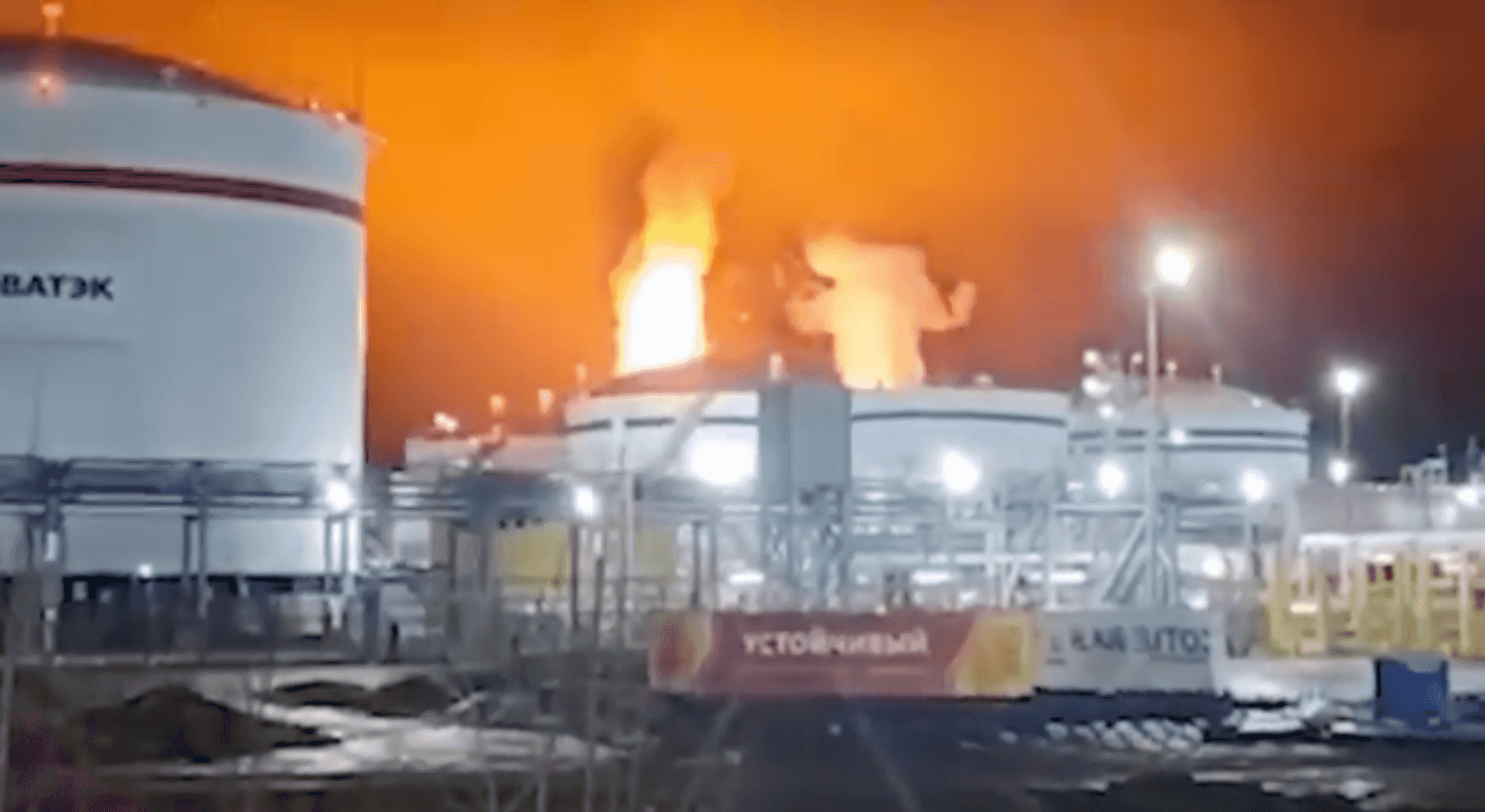
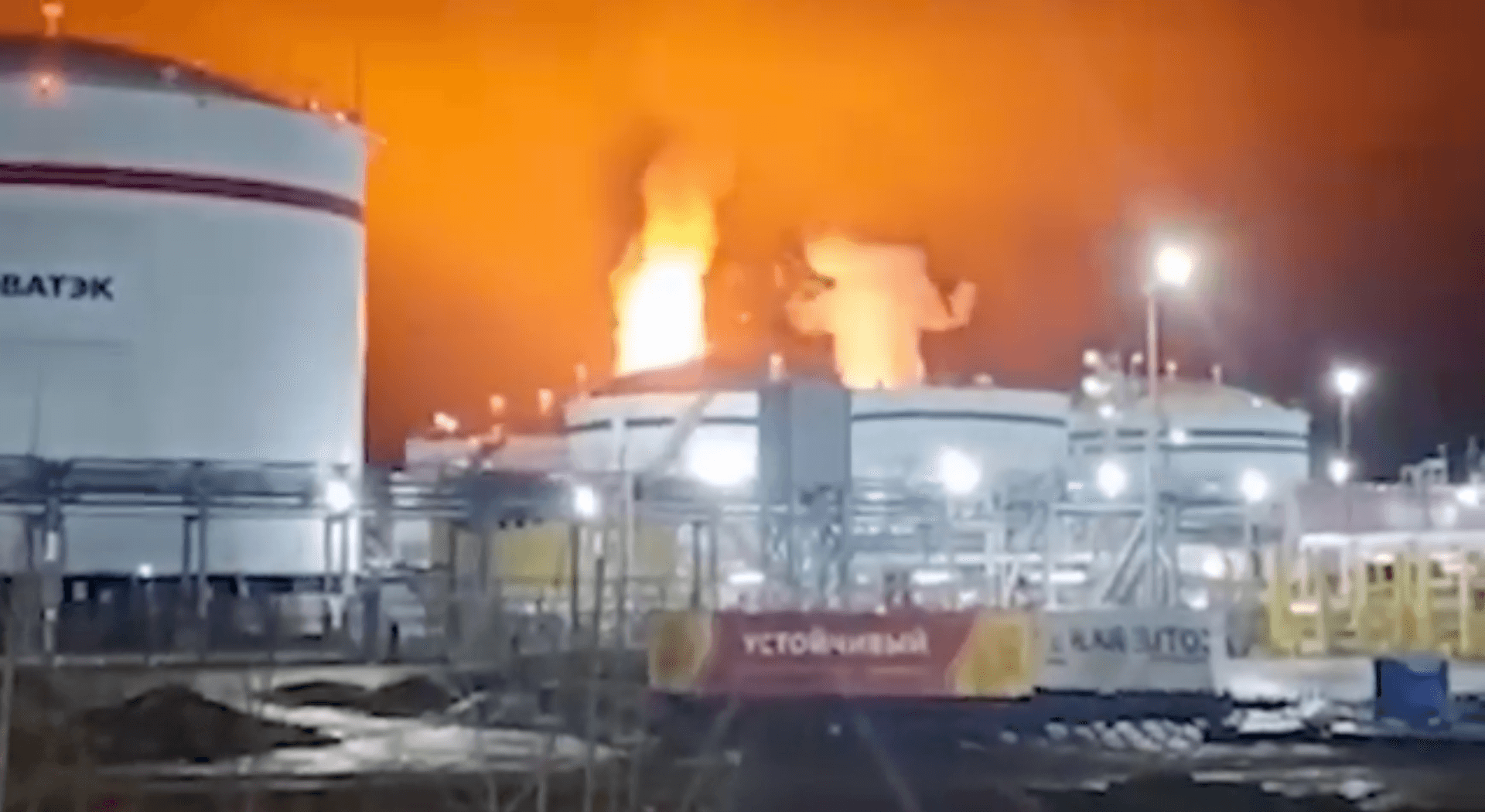
April stands out as one of the most successful financial periods for the Kremlin in recent years. Although official budget figures have not yet been announced, oil and gas revenues are expected to be between 1.05-1.1 trillion rubles. This situation raises the possibility of balancing the federal budget for the first time since September 2025. Additionally, the fading hopes for a quick resolution of conflicts in the Persian Gulf and oil prices remaining above $100 per barrel indicate that this positive financial outlook may continue in the coming months.
The IMF and other financial institutions have revised Russia's economic growth forecasts upward. However, this improvement in budget revenues does not create the same optimism for the overall state of the economy. In recent years, the Russian economy has begun to lose the decisive impact of the state budget on growth. Increased taxes and expenditures in 2025 have damaged the confidence of businesses and consumers; the closure of 233 thousand companies and the growth of the informal economy reflect this situation. Moreover, restrictions in the investment environment, redistribution of property, and strict migration policies negatively affect economic activity.
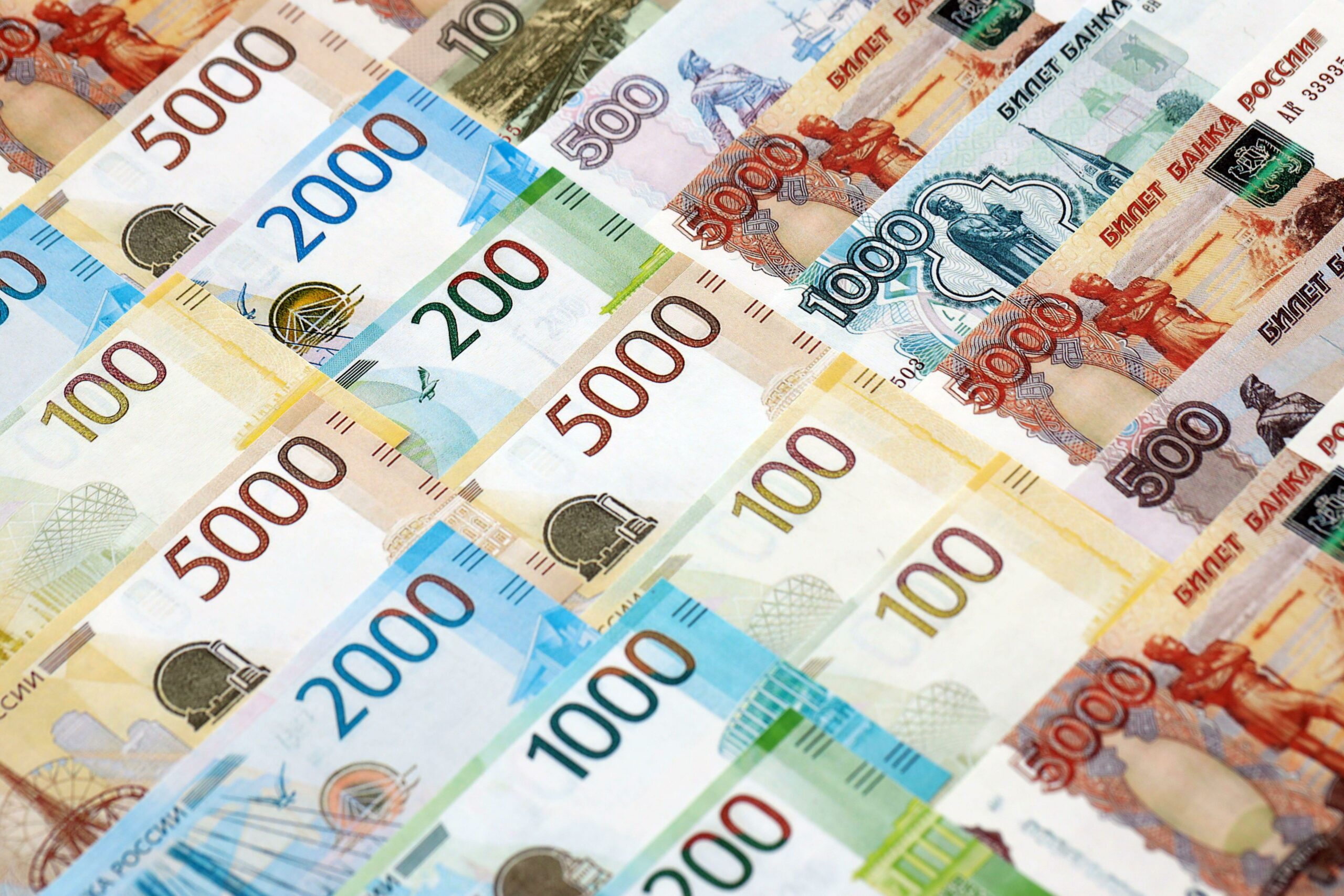
The budget deficit and declining oil revenues in the first quarter increase the risks to economic growth. Experts state that the increase in budget revenues will not directly translate into investments or demand, and companies tend to direct funds towards debt payments and savings. This situation reveals the structural problems of the economy, described as a 'dried sponge' analogy. For economic revival, trust must first be restored among the business world and consumers. However, new taxes and regulations make this process more difficult.
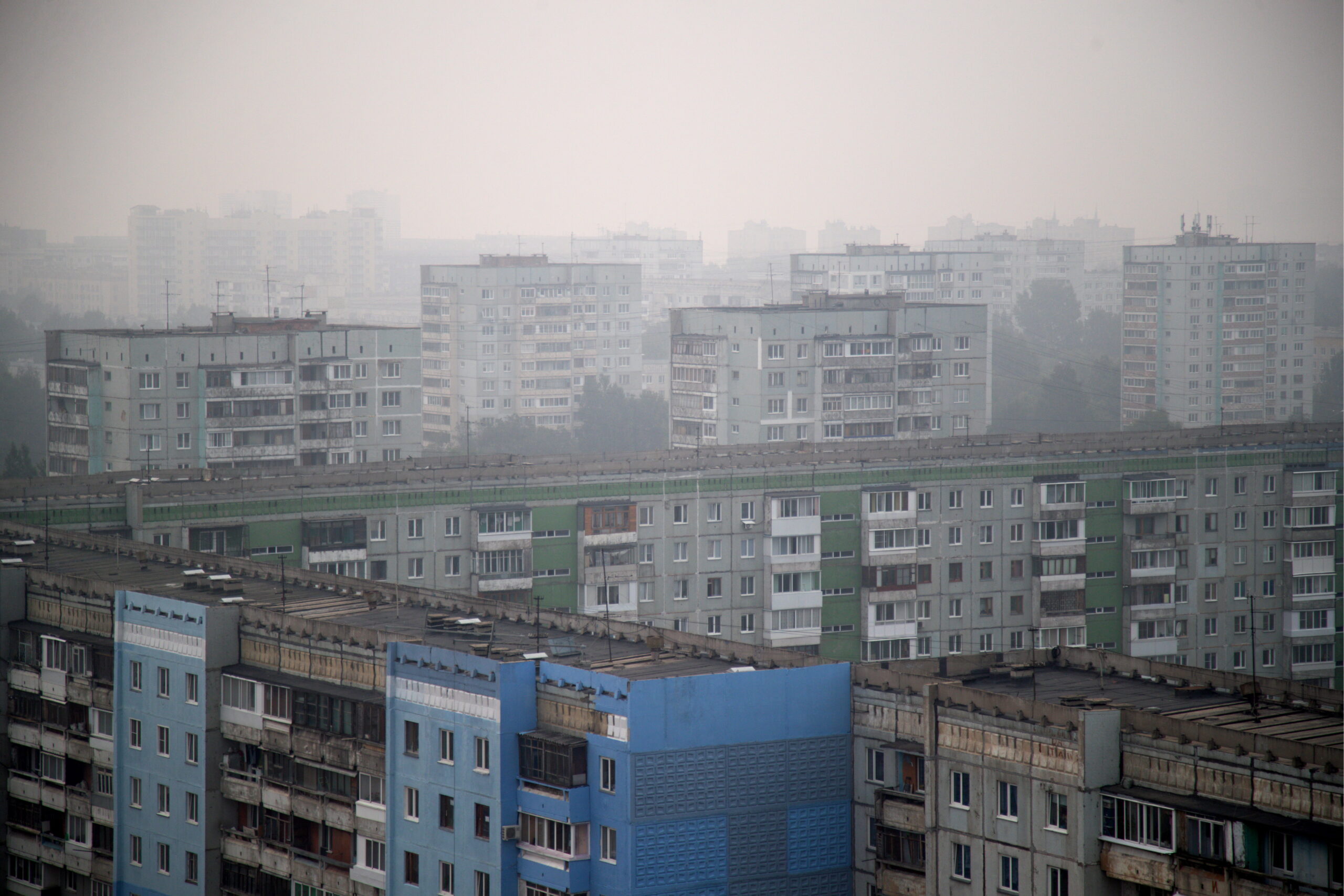
The trajectory of the Russian economy in the upcoming period will depend on the sustainability of the budget balance and external revenues, as well as the recovery capacity of the business world.
Stay Updated with RuskiGazeta
Subscribe to be informed about special news, developments and announcements. We will keep you informed.
By signing up, you agree to our Privacy Policy