- BIST10011,615+1.61%
- USD49.55+0.21%
- EUR55.57-0.09%
- GOLD4,134.30-0.62%
- INTEREST37.00%-1.00
- BITCOIN81,421-0.52%
- October 20, 202620°
- BIST10011,615+1.61%
- USD49.55+0.21%
- EUR55.57-0.09%
- GOLD4,134.30-0.62%
- INTEREST37.00%-1.00
- BITCOIN81,421-0.52%
- October 20, 202620°
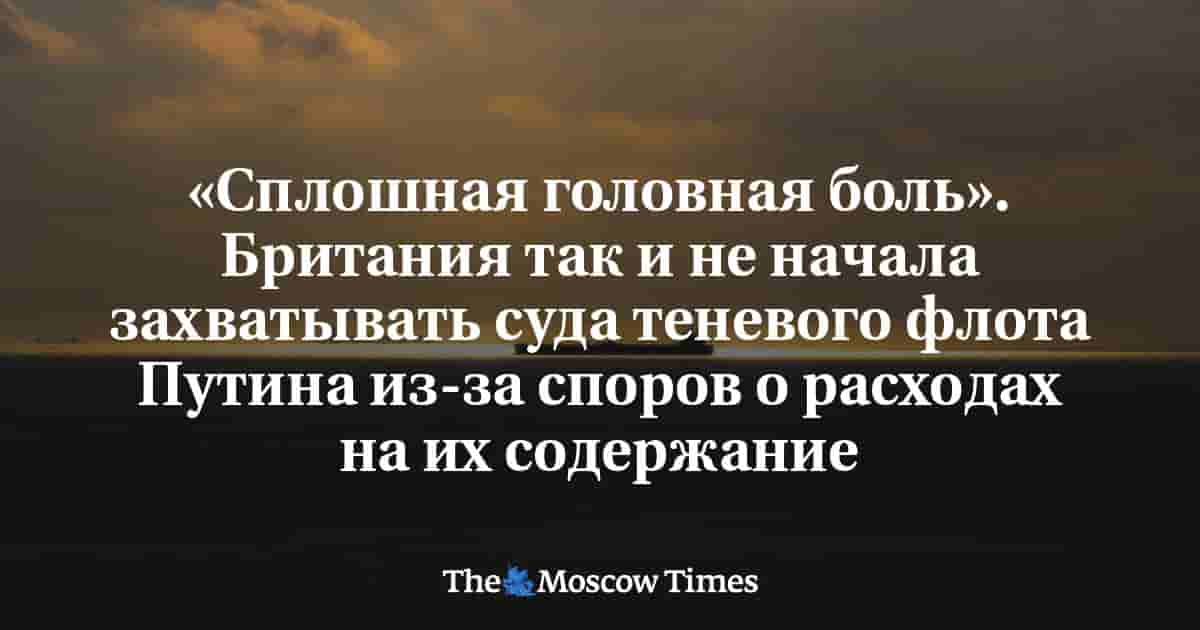
UK Struggles to Seize Sanctioned Ships from Putin’s Shadow Fleet
Despite pledging to seize sanctioned tankers from Russia's shadow fleet, the UK has yet to take action due to logistical, financial, and legal obstacles. Disagreements persist within the government over the maintenance and hosting of the vessels.
Stay Updated with RuskiGazeta
Subscribe to be informed about special news, developments and announcements. We will keep you informed.
By signing up, you agree to our Privacy Policy