- BIST10011,430-2.49%
- USD49.45+0.05%
- EUR55.62+0.37%
- GOLD4,156.40-0.59%
- INTEREST37.00%-1.00
- BITCOIN81,919-0.11%
- October 19, 202616°
- BIST10011,430-2.49%
- USD49.45+0.05%
- EUR55.62+0.37%
- GOLD4,156.40-0.59%
- INTEREST37.00%-1.00
- BITCOIN81,919-0.11%
- October 19, 202616°
Despite Moscow’s rebuttal, Rama again accuses Russia of fueling Albania’s protests
Albanian Prime Minister Edi Rama on Monday repeated his accusations against Russia and Iran, saying both countries were fueling the anti-government protests through thousands of fake profiles and that the demonstrations were linked to Antifa. A day earlier, Russia’s Foreign Ministry had rejected such claims and advised Rama to deal with his domestic problems. Rama offered no evidence.
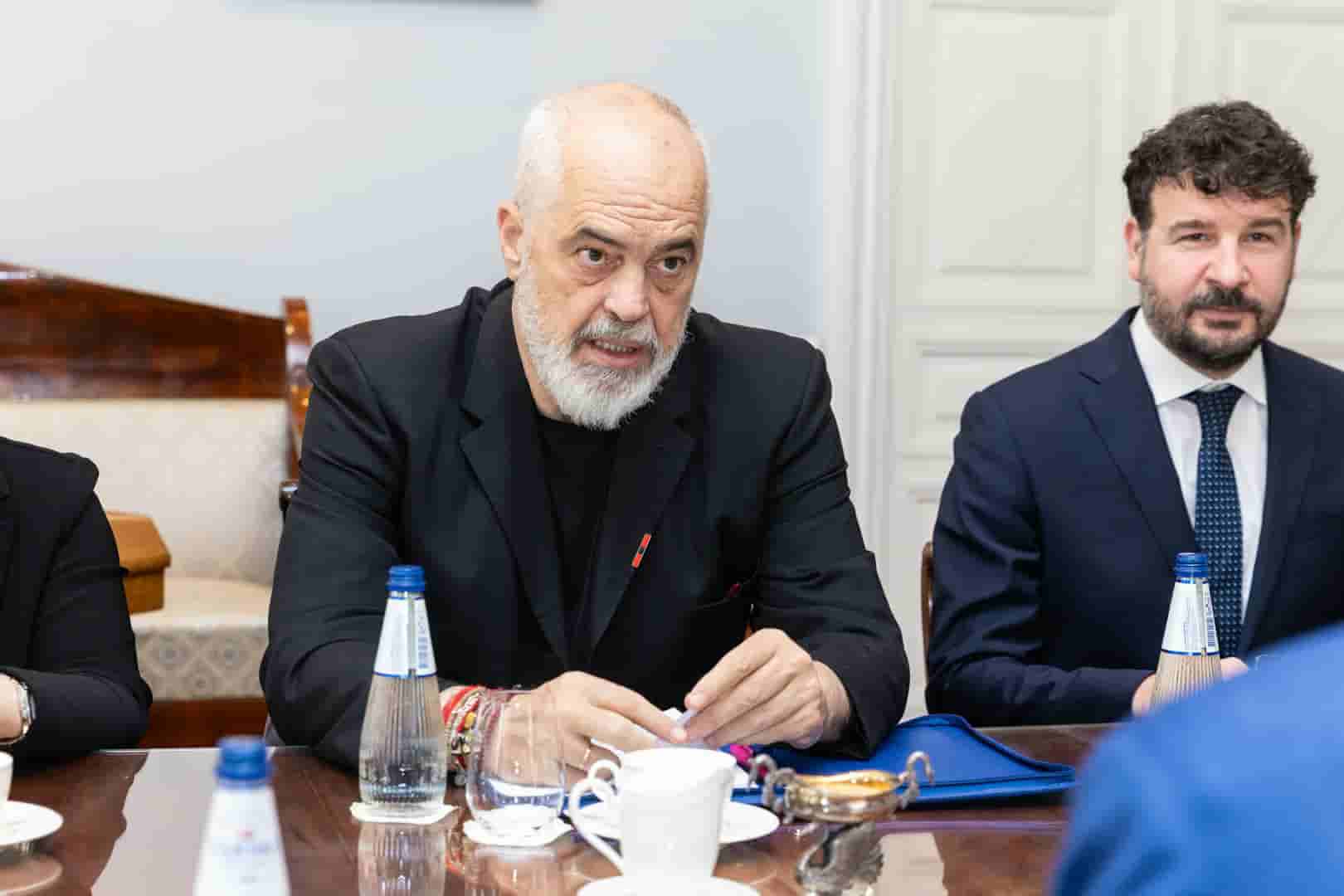
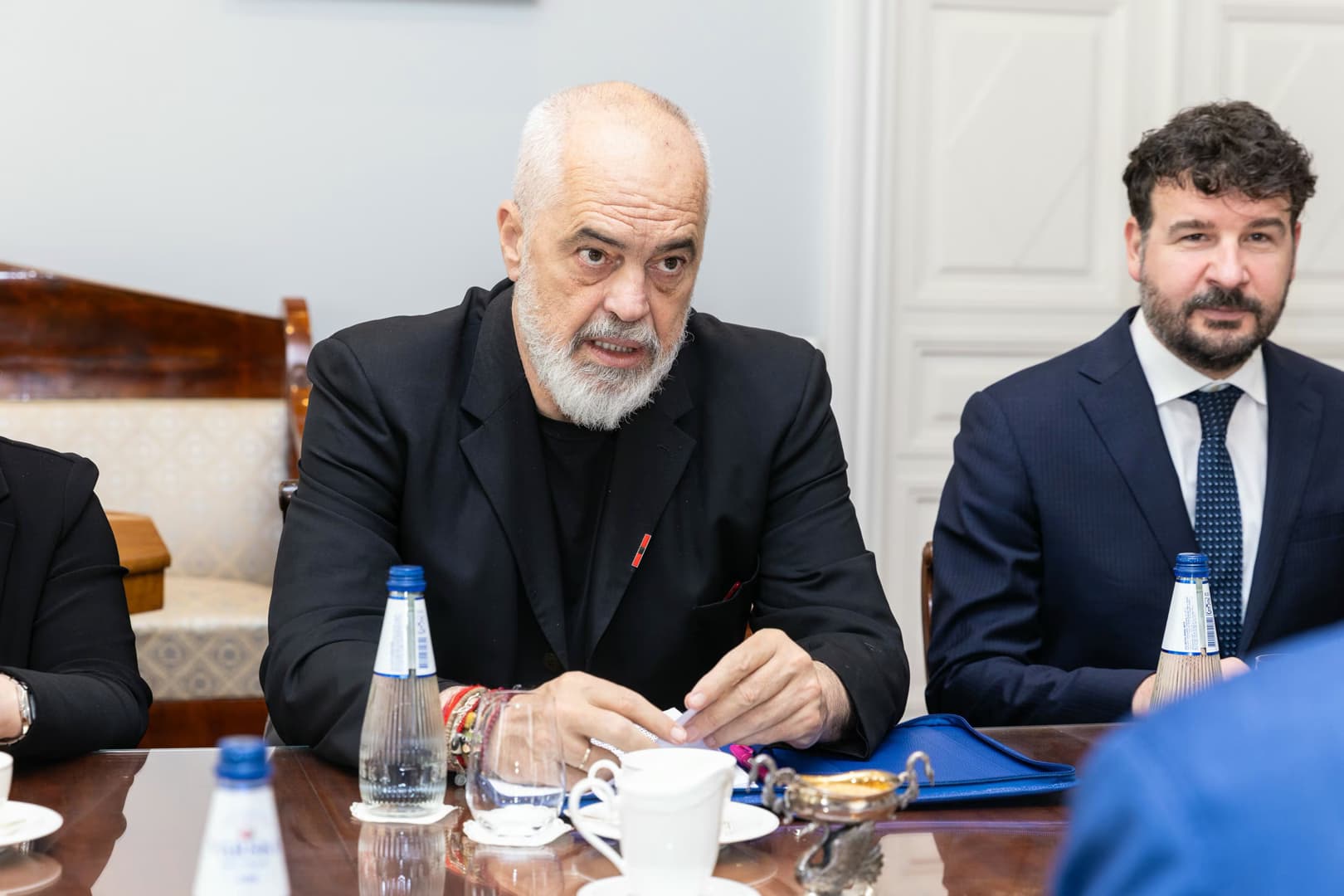
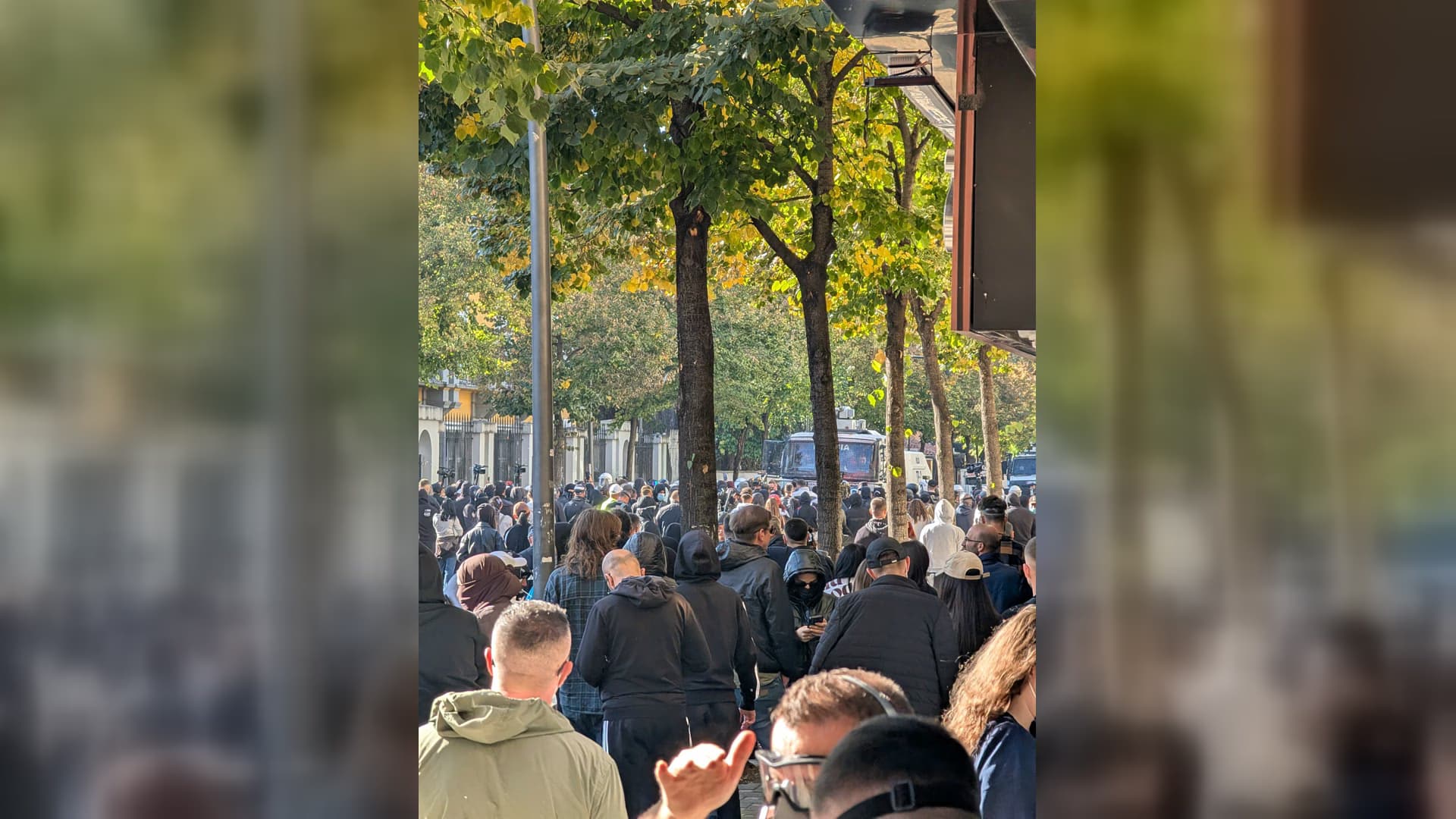
Albanian Prime Minister Edi Rama on Monday again blamed Russia and Iran for the wave of anti-government protests that began in Tirana on Oct. 13 and has now entered its second week. Speaking at a meeting with State Police leaders, he described the unrest as a coordinated attack designed to derail Albania’s path toward European Union membership.
According to the Balkan Investigative Reporting Network (BIRN), Rama claims Moscow and Tehran used thousands of fake social media accounts to stoke discontent with the authorities, a campaign he says started during environmental protests against tourism projects in Zvërnec and on Sazan Island. In his words, “thousands upon thousands, tens of thousands” of fake profiles posing as Albanians eager to protect nature were activated, while thousands more were deployed by the “terrorist Republic of Iran.”
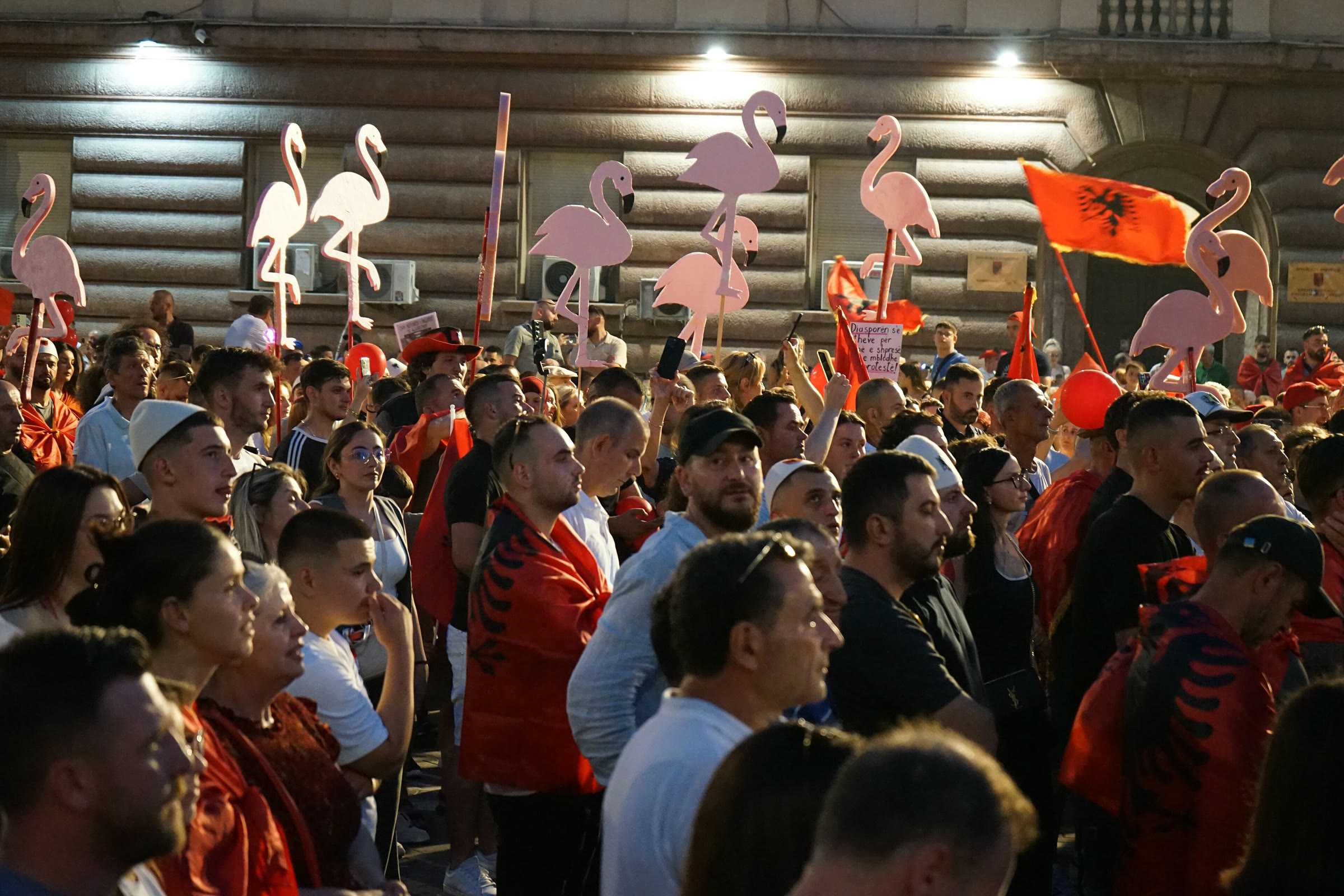
Rama also linked the protests to Antifa, referring to U.S. President Donald Trump’s decision to designate it a terrorist organization. He produced no concrete evidence of involvement by Russian or Iranian intelligence and acknowledged that those taking to the streets were mostly young Albanians. “This is not a rebellion for the sake of education,” the prime minister said, casting doubt on the student nature of the movement.
Moscow’s response
Moscow had rejected the accusations on Sunday evening, after Rama’s earlier remarks about Russia and Iran. Russian Foreign Ministry spokeswoman Maria Zakharova, in a statement the Russian Embassy in Tirana circulated, reminded the Albanian leader that it was citizens of his own country who had come out to protest, urged him not to shift the blame onto others and told him to deal with his domestic problems.
According to the Albanian news portal Albeu, Rama also said that Russia “is not a partner of Albania” and that the country had become the target of “a well-coordinated attack by an old force.”
€2,500 for police, the bill for parents
At the same meeting, the prime minister promised a one-time payment of €2,500 to every police officer working at the protests. Rama said the amount would be the same regardless of rank and salary, and that police wages would rise significantly from Jan. 1.
The head of government threatened students who attack police with the loss of scholarships, free education and all state financial support. Damage caused by minors, he said, would be paid for by their families: “I say to all the families of these minors: you will pay.” Teachers who incite schoolchildren to vandalism would not return to school, Rama added. BIRN noted that he gave no legal basis for these measures and did not say how they would be applied.
Molotov cocktails at police cordons
Albanian broadcaster News24 showed a man in a yellow hard hat repeatedly hitting police shields with a stick next to a police water cannon.
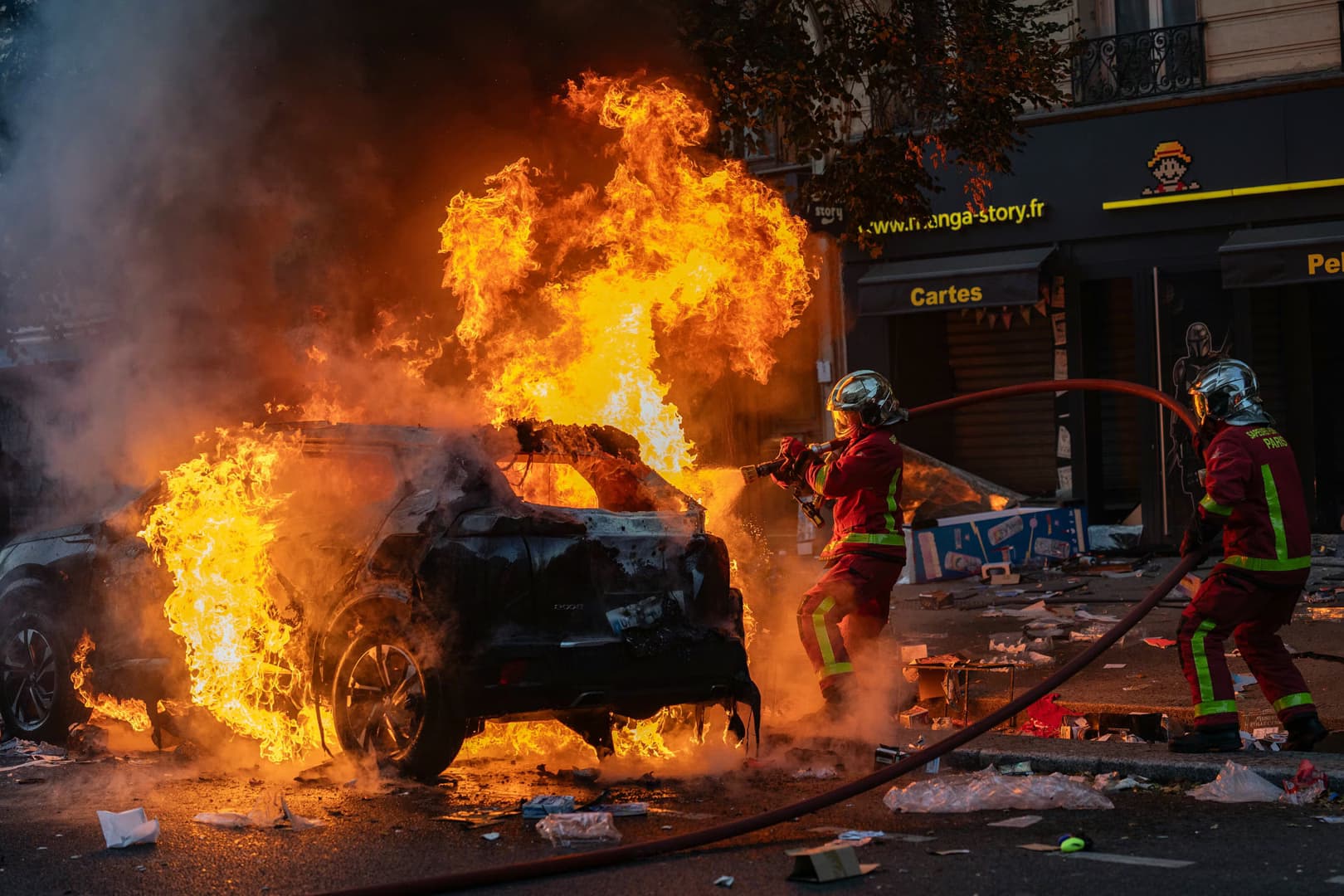
Official figures show about 300 people injured since the start of the protests, more than half of them police. On Sunday, protesters threw Molotov cocktails at a police station and the entrance to the Interior Ministry. Water cannon, tear gas and, since Saturday, rubber bullets are being used against demonstrators.
In other News24 footage, captioned as the sixth day of the protests, demonstrators in central Tirana throw Molotov cocktails at a line of police officers.
No resignation
The bonus pledge drew criticism from the opposition: Democratic Party deputy chairman Belind Këlliçi said Rama was paying police so that the beating of children and students would continue. A total of 735 lecturers and researchers signed an appeal demanding the prime minister’s resignation and an end to police violence against students, while the ombudsman launched an administrative review of how force was used and how detainees, some of them minors, were treated.
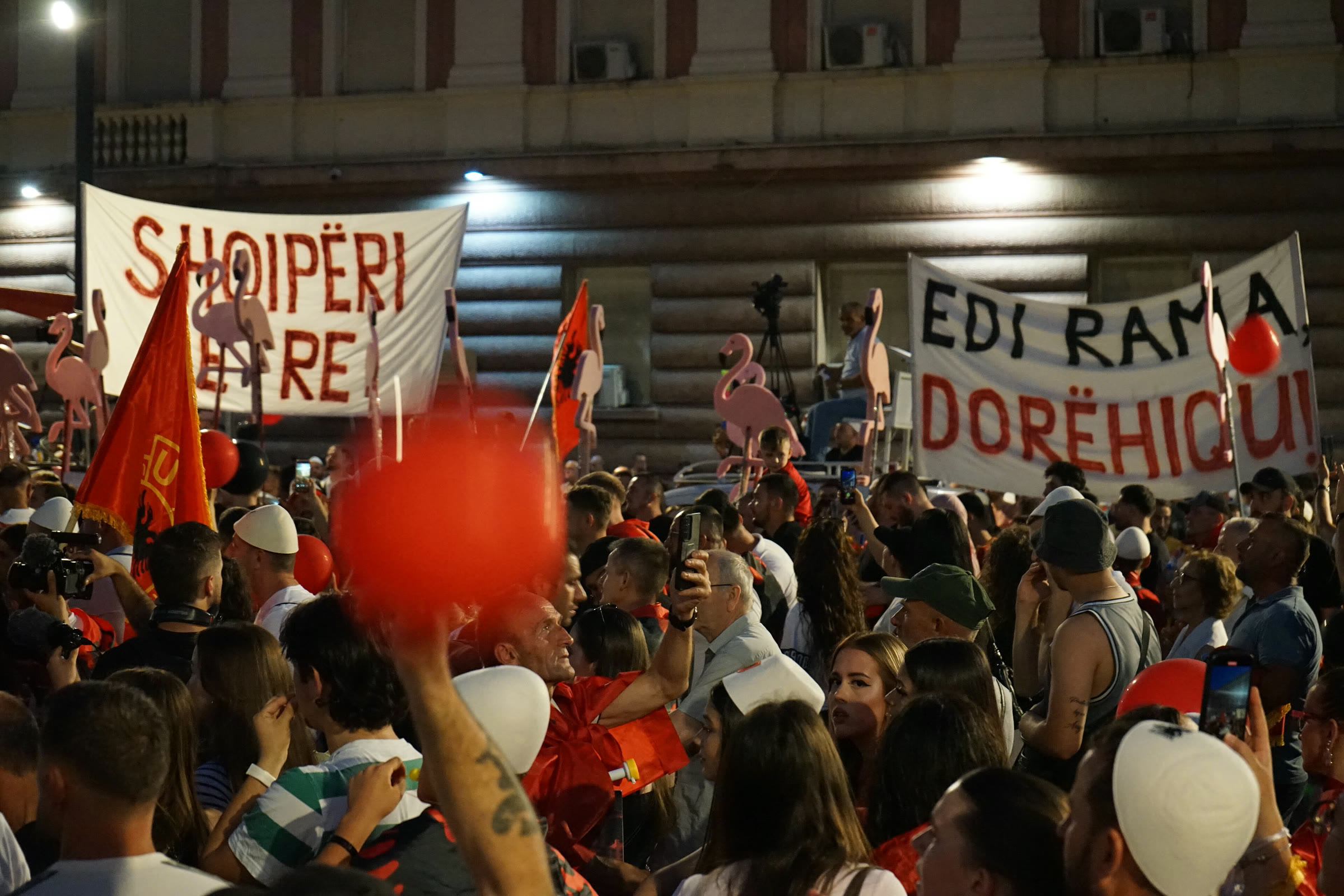
Rama himself has no intention of stepping down. Saying he was ready for dialogue with anyone except the political forces behind the violence, he rejected any arrangement involving his resignation or a change of government, arguing that the mandate he won at the polls runs until 2029.
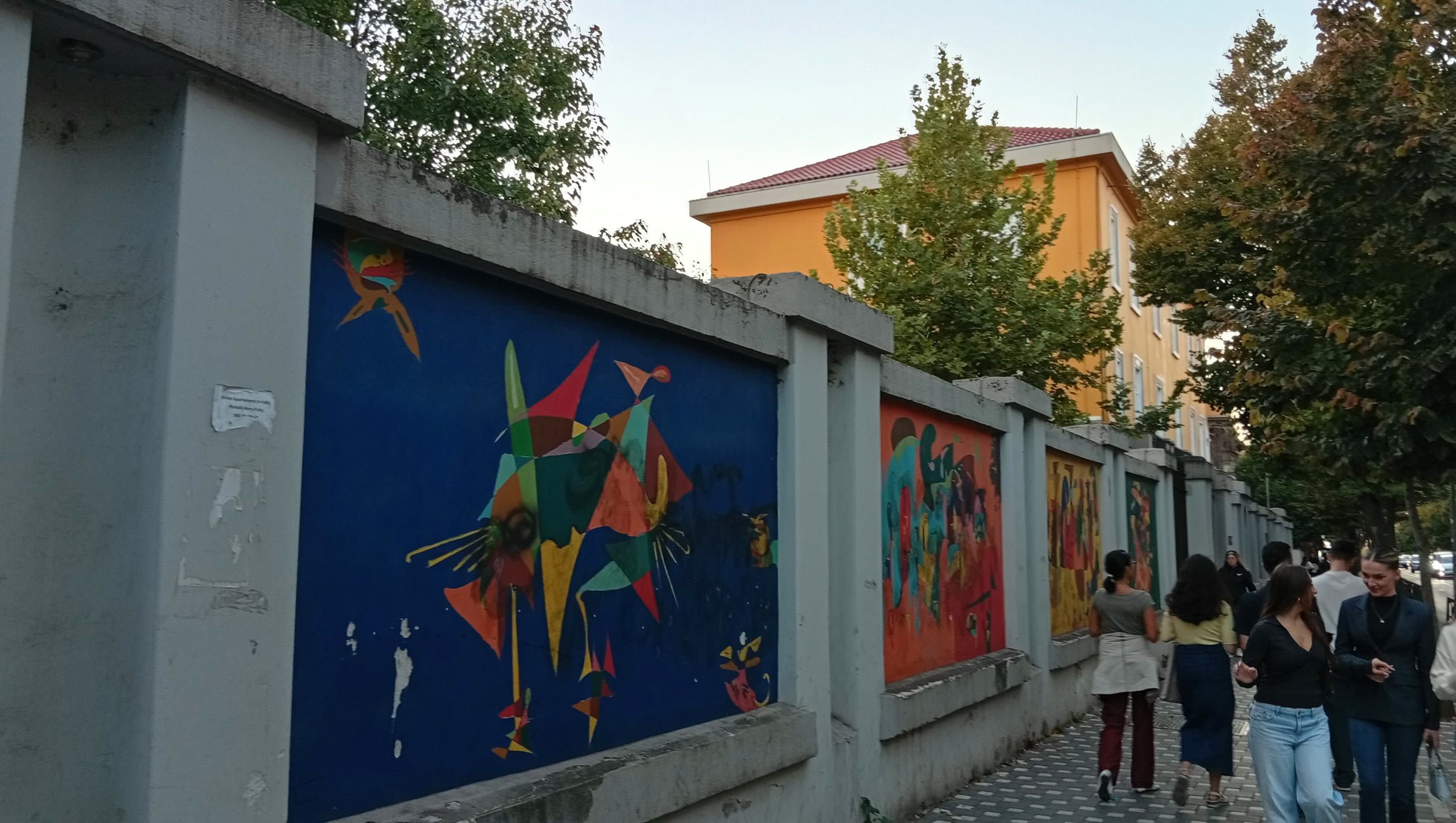
On Monday, hundreds of people again came to Tirana’s main square and to the Education Ministry, where the protests began on Oct. 13.
Stay Updated with RuskiGazeta
Subscribe to be informed about special news, developments and announcements. We will keep you informed.
By signing up, you agree to our Privacy Policy