- BIST10011,653-0.59%
- USD49.45+0.05%
- EUR55.62+0.37%
- GOLD4,189.60+0.20%
- INTEREST37.00%-1.00
- BITCOIN82,704+0.84%
- October 19, 202617°
- BIST10011,653-0.59%
- USD49.45+0.05%
- EUR55.62+0.37%
- GOLD4,189.60+0.20%
- INTEREST37.00%-1.00
- BITCOIN82,704+0.84%
- October 19, 202617°
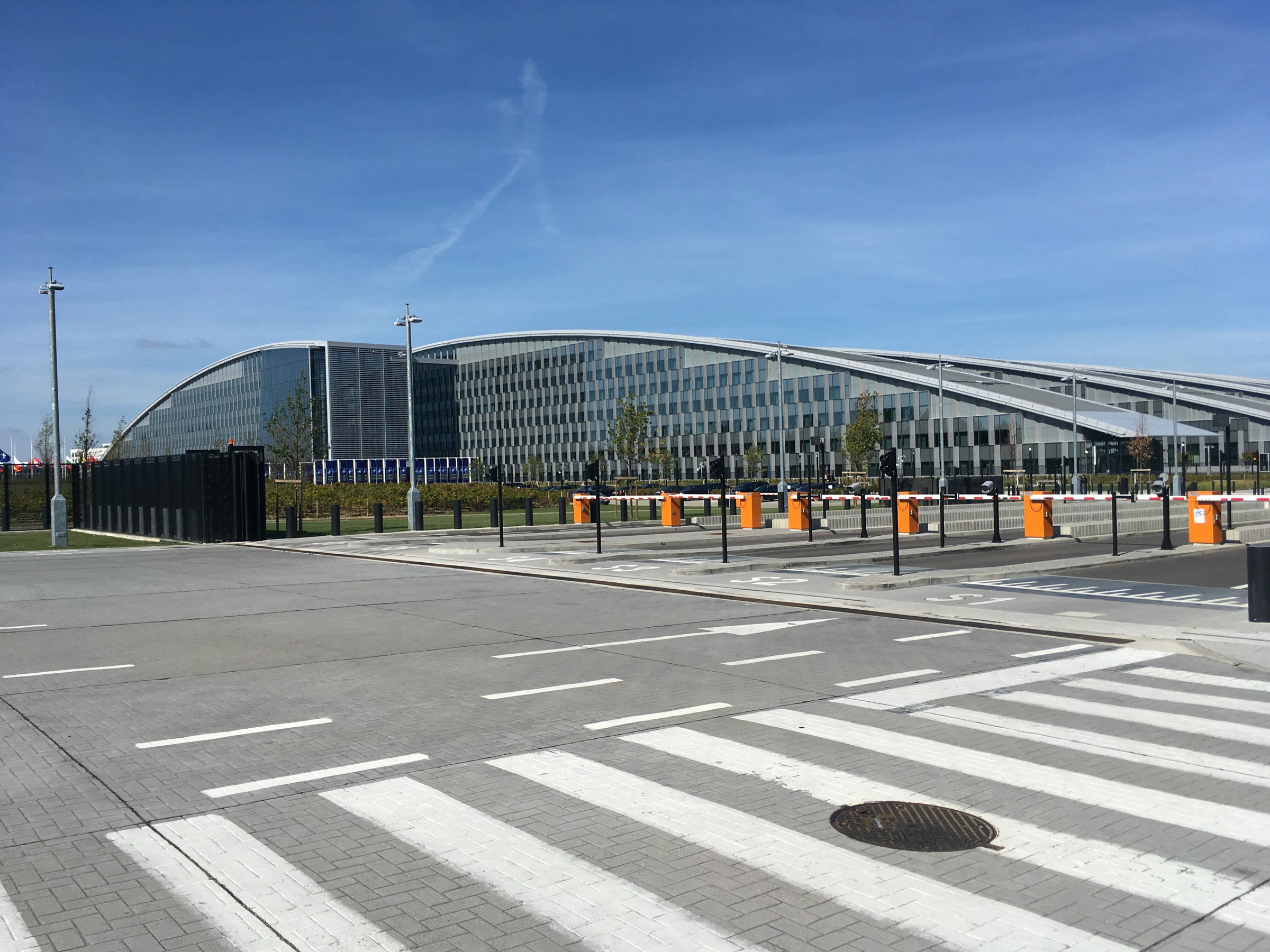
NATO begins talks on forces and weapons needed against a Russian attack
NATO allies are starting talks this month on the troops, weapons and equipment they would need to defend against a possible Russian attack, Politico Europe reported. The talks will set capability targets through 2029 for each of the alliance’s 32 members.
RuskiGazeta Editorial DeskUpdated:


NATO countries are starting talks in Brussels this month on new requirements for the forces and weapons needed to defend against a possible Russian attack, Politico Europe reported. The talks will set capability targets through 2029 for each of the alliance’s 32 members.
The talks are the first stage of NATO’s five-step defense planning process. In the coming days, allies will discuss the overall mandate for the new targets, known as “Political Guidance.” Beyond forces and weapons, how to pay for them will also be on the table.
Target year 2029
European officials have warned that Russia could be ready to attack a NATO country by 2029. Moscow has repeatedly rejected such assessments.
A key issue is the “level of ambition” — how many troops and capabilities each country will provide. Allies previously agreed that NATO should have 18 reserve brigades of about 5,000 troops each for smaller operations outside alliance territory, such as those in Afghanistan and Kosovo. U.S. pressure to shift more of the security burden to Europeans could lead to those requirements being reduced or dropped.
Drones versus tanks
Allies will also discuss speeding up defense planning because of rapidly changing battlefield technology, including artificial intelligence and ground robotic systems, as well as the balance between drones and traditional tanks and artillery. France has allocated about 8.4 billion euros for drones and loitering munitions, and Germany will create its first dedicated drone regiment next year.
The Pentagon is meanwhile reviewing the U.S. military presence in Europe, with results expected in December. Earlier this year, Washington removed strategic bombers, fighter jets, drones, submarines and warships from the forces available to NATO, and European allies fear cuts to other critical capabilities such as heavy airlift.
Stay Updated with RuskiGazeta
Subscribe to be informed about special news, developments and announcements. We will keep you informed.
By signing up, you agree to our Privacy Policy