- BIST10011,576-1.24%
- USD49.45+0.05%
- EUR55.62+0.37%
- GOLD4,172.30-0.21%
- INTEREST37.00%-1.00
- BITCOIN82,063+0.06%
- October 19, 202617°
- BIST10011,576-1.24%
- USD49.45+0.05%
- EUR55.62+0.37%
- GOLD4,172.30-0.21%
- INTEREST37.00%-1.00
- BITCOIN82,063+0.06%
- October 19, 202617°
Louvre fails to open as students block entrance in Paris
Exactly a year after the Louvre heist, the museum could not admit visitors on Monday because students backing high school protests had blocked its entrance. Prime Minister Sébastien Lecornu, meanwhile, announced local curfews and did not rule out a state of emergency.
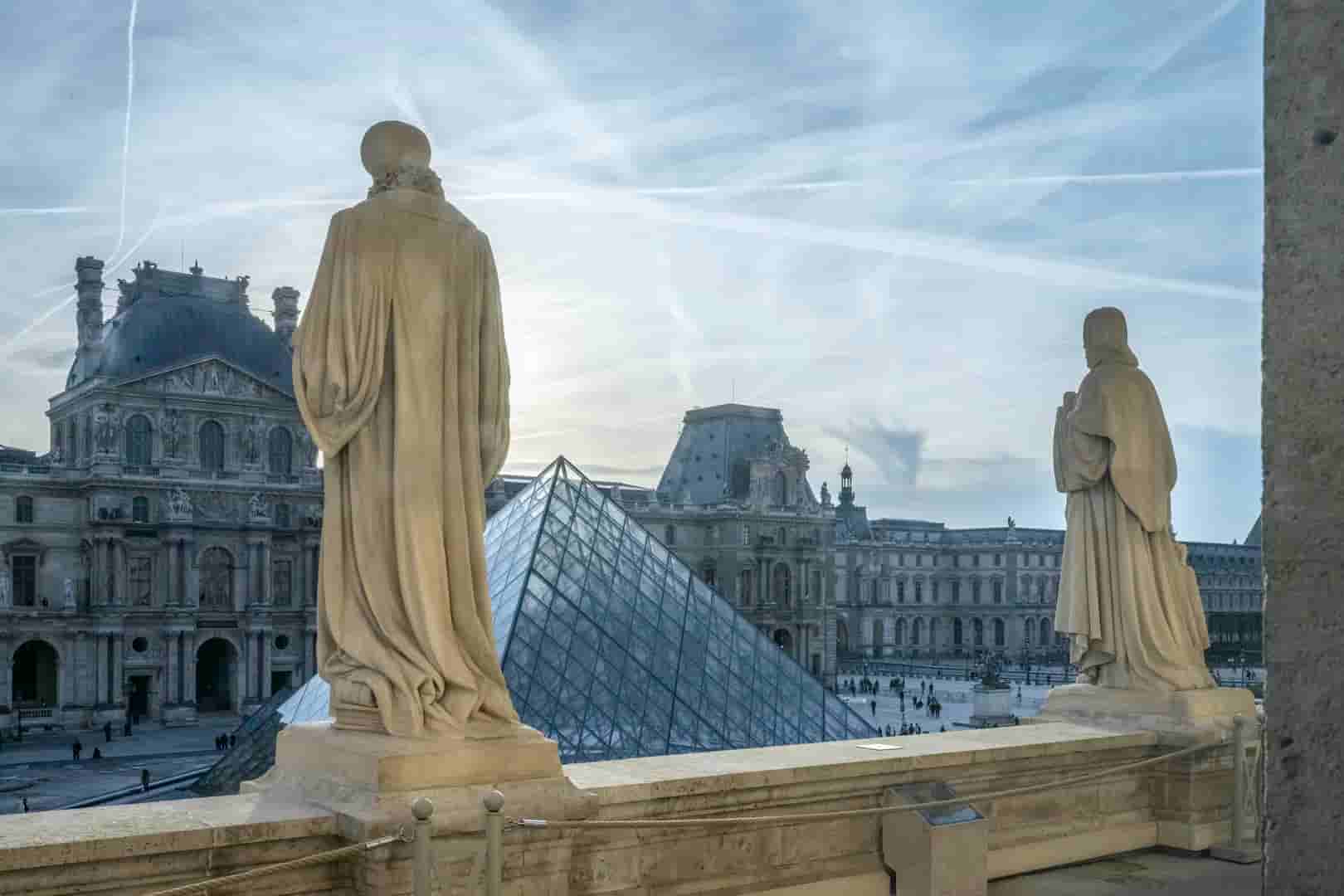
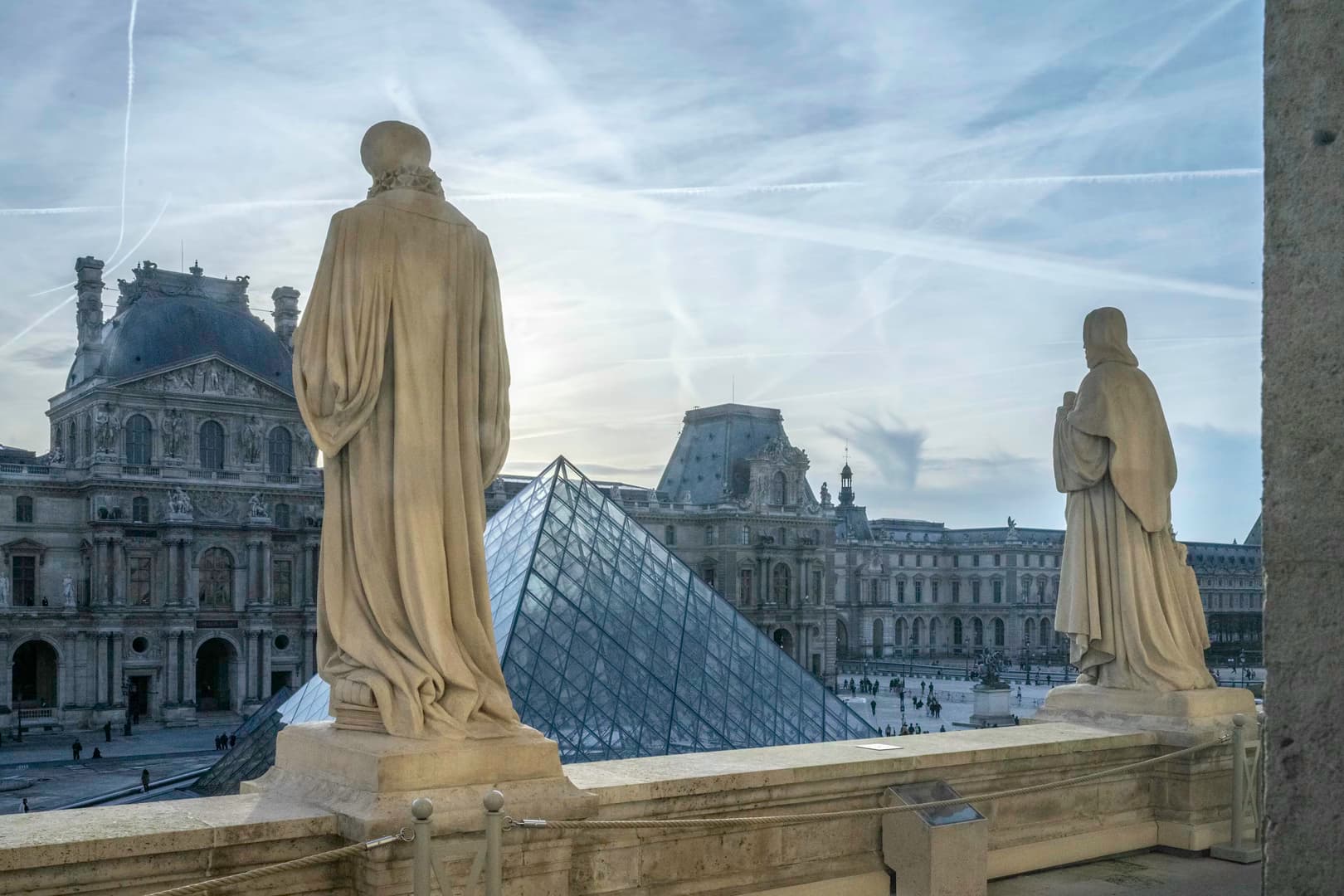
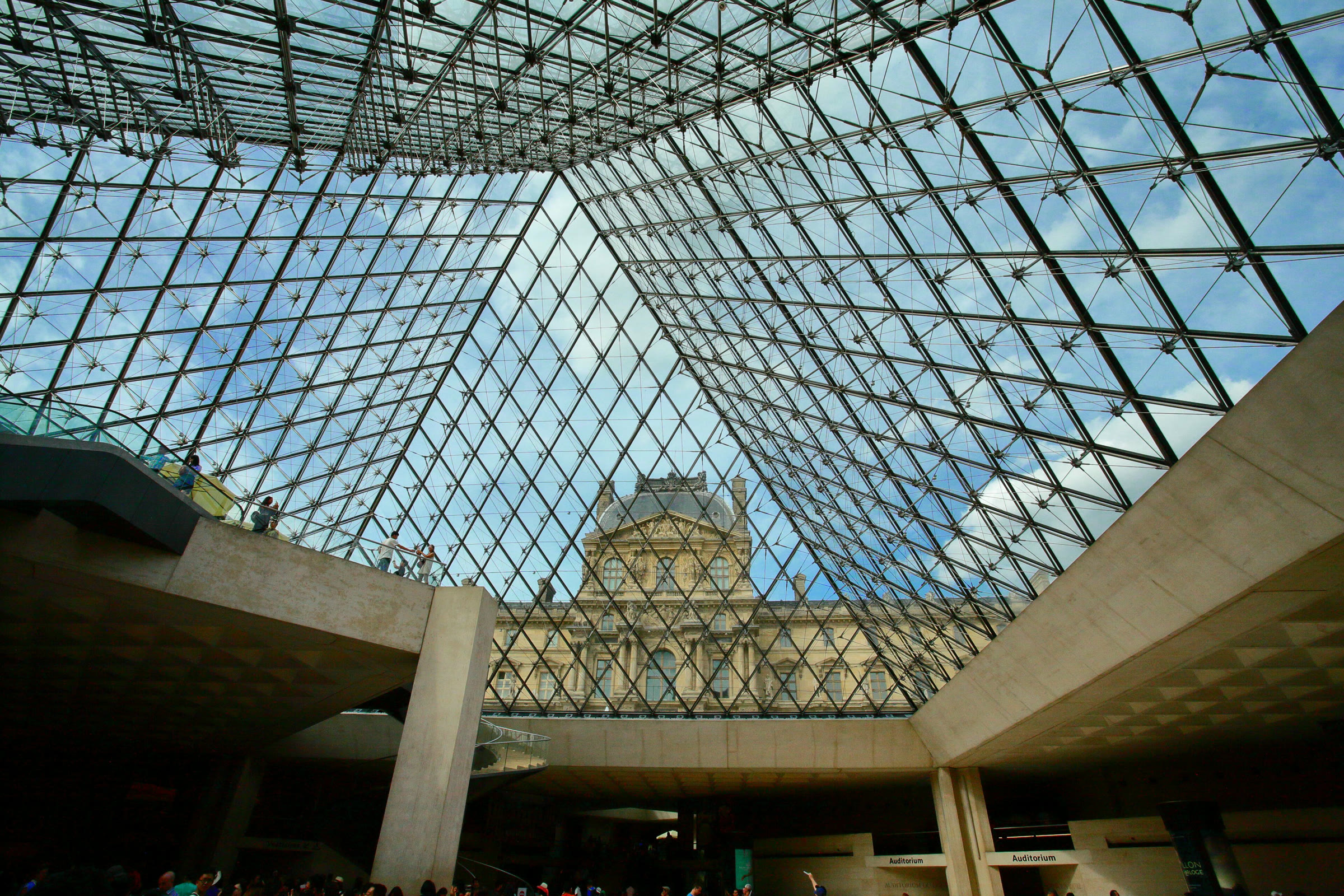
Exactly one year after its high-profile heist, the Louvre is back in the headlines: the museum did not open to visitors on Monday, Oct. 19. Students who have joined the wave of protests sweeping France blocked the entrance beneath the glass pyramid.
In the morning, demonstrators gathered by the pyramid carrying banners that read “365 days of austerity” and “French public services are falling apart.”
Museum closed “for now”
The Louvre normally opens at 9 a.m., but its doors stayed shut on Monday. A notice on the museum’s website said it was “closed for the moment” because of a student protest, without giving an opening time. The CGT union, which backs the action but is not involved in it, said the museum would not open before noon at the earliest.
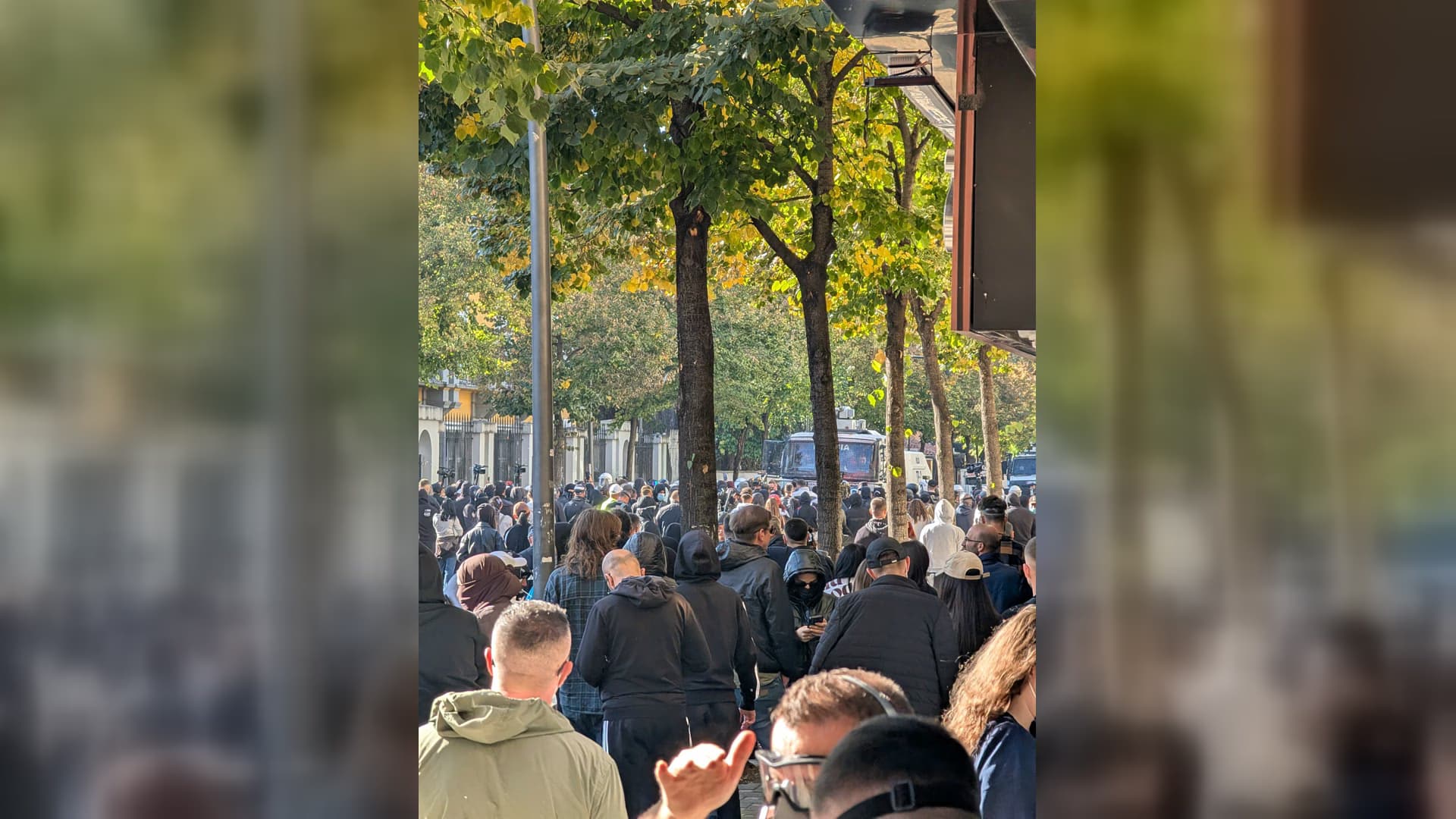
Toward midday, the students were still standing at the main entrance, while tourists who had been unable to get in waited in the courtyard.
“We are blocking the largest museum in the world”
According to museum management figures cited by AFP, about 50 students from the École du Louvre, which is located in the museum building, are taking part. The CFDT union added that students from the Beaux-Arts school had also joined.
The students explain that they are backing a high school movement that has been going on since mid-September and are speaking out against “police repression.” Their leaflet reads: “We are proud to announce that we are blocking the largest museum in the world,” and frames the action as part of a struggle for “the right to study, to work and to live freely in good conditions.”
Louvre management stressed that the movement has no direct connection with the museum and that its walls are merely serving to make the protesters’ voices louder.
Museum staff have grievances of their own: a strike notice they filed in December 2025 over pay and working conditions has still not been withdrawn, as there is no final agreement with the Culture Ministry. On Oct. 19, 2025, French crown jewels worth an estimated 88 million euros were stolen from the Louvre.
Government: curfews, and a state of emergency if needed
Prime Minister Sébastien Lecornu said at the end of an interministerial crisis meeting on Monday that he had instructed prefects to impose “partial and very localized” curfews from the evening. The measure is designed to protect property, shops and people. “There is no question of imposing a curfew on all of Paris,” the head of government said.
According to Lecornu, the authorities are ready to declare a state of emergency if needed, but for now curfews are a better response to the situation. French media say Châtelet, Les Halles and République in the capital could come under the restrictions, while prefects will decide on Lille, Marseille and Lyon. In Marseille, all gatherings and demonstrations were banned between noon and 8 p.m. on Monday.
From Tuesday, the state will fully cover short-time work pay for shopkeepers hit by looting, and a special fund is being set up to support them.
Background
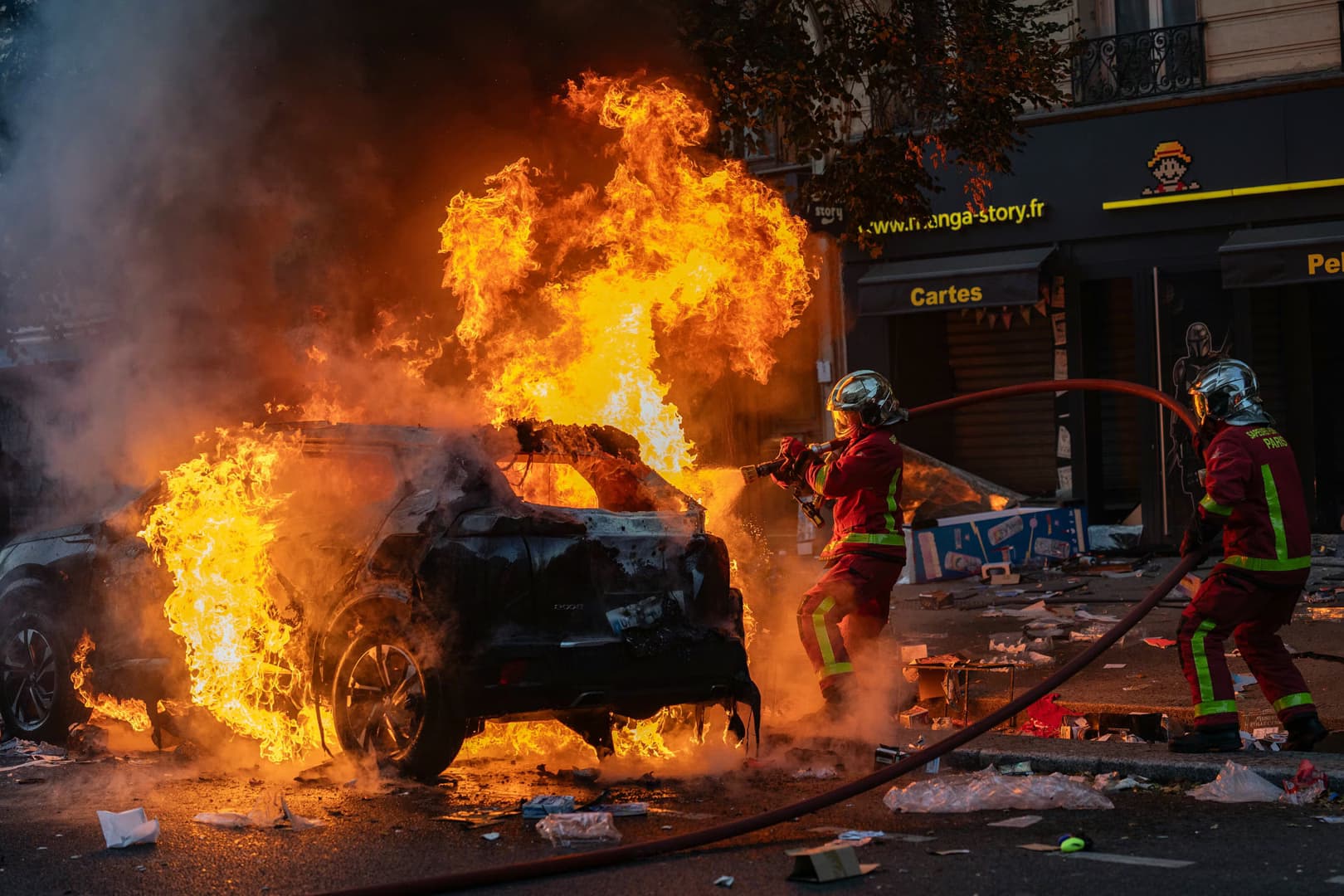
On Saturday, Oct. 17, cost-of-living protests escalated into rioting and arson in many French cities. According to the Interior Ministry, 2,397 people were detained and 997 police officers and gendarmes were hurt. On Oct. 18, President Emmanuel Macron gave a televised address to the nation, and the Élysée Palace did not accept the resignation of Interior Minister Laurent Nuñez.
The yellow vest coordination that organized Saturday’s protests has called on people to take to the streets again on Oct. 24, according to AFP.
Stay Updated with RuskiGazeta
Subscribe to be informed about special news, developments and announcements. We will keep you informed.
By signing up, you agree to our Privacy Policy