- BIST10011,722-2.89%
- USD49.45+0.05%
- EUR55.62+0.37%
- GOLD4,181.10+0.26%
- INTEREST37.00%-1.00
- BITCOIN81,754+0.46%
- October 18, 202611°
- BIST10011,722-2.89%
- USD49.45+0.05%
- EUR55.62+0.37%
- GOLD4,181.10+0.26%
- INTEREST37.00%-1.00
- BITCOIN81,754+0.46%
- October 18, 202611°
Risk of Extremely High Water Stress in 33 Countries by 2040
According to the World Resources Institute's research, 33 countries will be at risk of extremely high water stress by 2040. Pressure on water resources is increasing especially in critical regions such as Middle Eastern countries and Turkey.
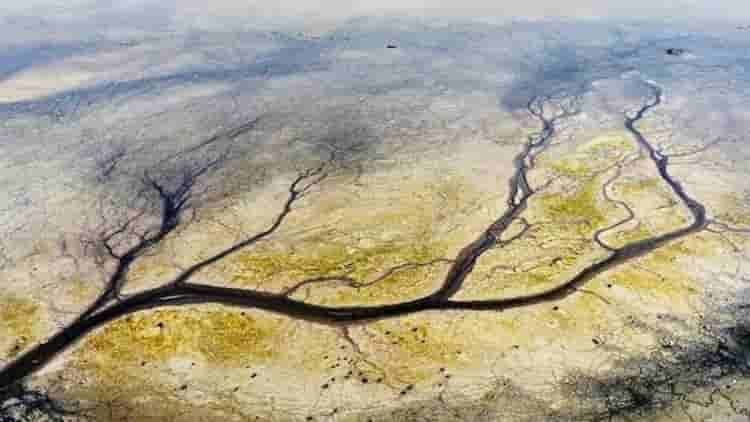
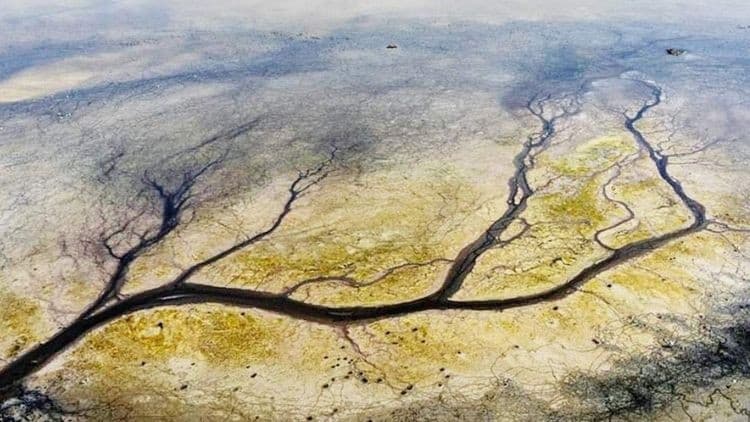
A comprehensive study conducted by the World Resources Institute (WRI) revealed that 33 countries will face the risk of extremely high water stress by 2040. While 167 countries were analyzed in the research, it was noted that 14 countries in the Middle East region are in the critical risk group. These countries include Bahrain, Kuwait, Qatar, United Arab Emirates, Saudi Arabia, Jordan, and Lebanon. Turkey ranks 27th.
The study emphasizes that rising temperatures, changing rainfall patterns, drought, population growth, and urbanization increase water demand and reduce water supply. The increase in electricity production and animal food consumption also raises water usage. Water stress creates economic vulnerability by increasing the dependence of agriculture, industry, and urban life on limited water resources.
The Middle East region is heavily dependent on underground water reserves and costly methods such as desalination of seawater. There are more than 400 desalination plants along the Gulf coasts, and targeting these facilities poses a humanitarian crisis risk that could affect millions of people. Additionally, the prolonged drought before the civil war that began in Syria in 2011 led to a decline in agricultural income and large migrations from rural areas to cities.
These developments draw attention to the increasing global risks regarding water security and once again highlight the importance of sustainable management of water resources.
Stay Updated with RuskiGazeta
Subscribe to be informed about special news, developments and announcements. We will keep you informed.
By signing up, you agree to our Privacy Policy