- BIST10011,798+3.22%
- USD49.55+0.21%
- EUR55.57-0.09%
- GOLD4,142.50-0.42%
- INTEREST37.00%-1.00
- BITCOIN82,763+1.12%
- October 21, 202614°
- BIST10011,798+3.22%
- USD49.55+0.21%
- EUR55.57-0.09%
- GOLD4,142.50-0.42%
- INTEREST37.00%-1.00
- BITCOIN82,763+1.12%
- October 21, 202614°
Turkey cuts oil imports from Russian ports as Black Sea attacks disrupt supplies
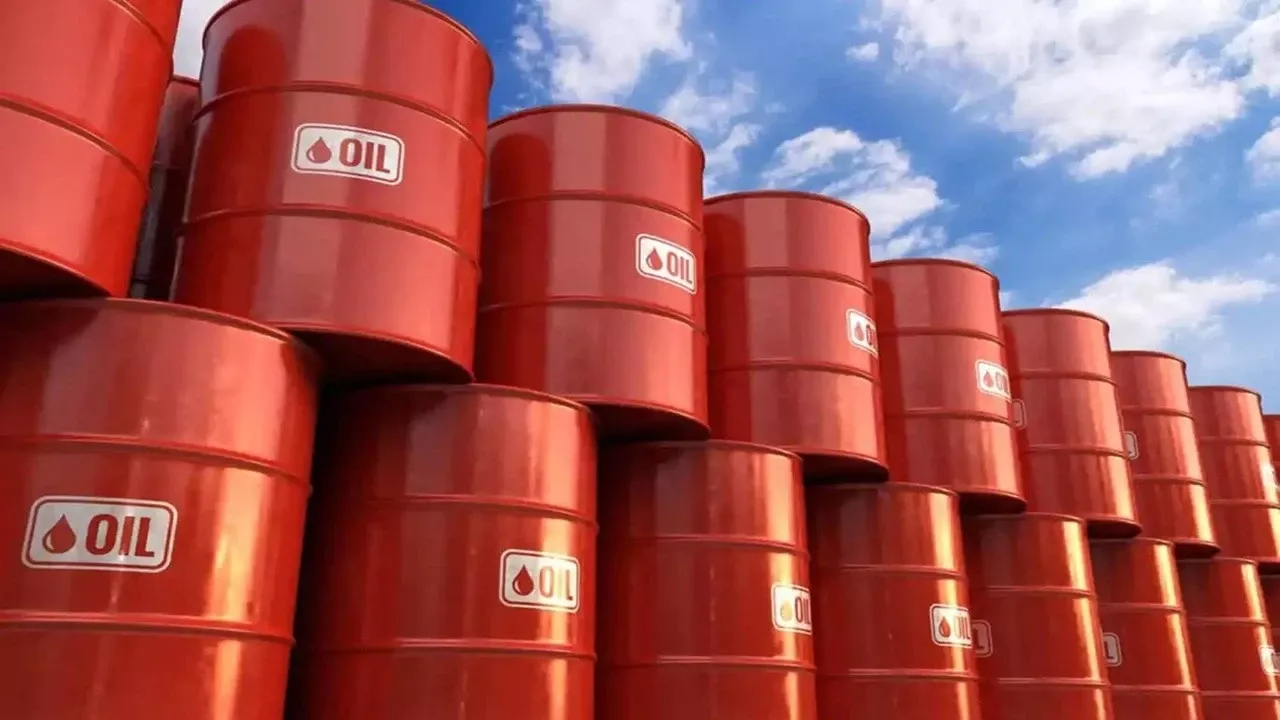
Oil deliveries to Turkey through Russian ports declined amid attacks and disruptions to export infrastructure in the Black Sea. In July, imports fell from approximately 1.2 million to 900,000 tonnes, while deliveries directly from Russia’s Black Sea ports nearly halved. Amid the disruptions, Turkey is also increasing purchases from alternative sources, including Brazil and Guyana.


Brief description:
Oil deliveries to Turkey through Russian ports declined amid attacks and disruptions to export infrastructure in the Black Sea. In July, imports fell from approximately 1.2 million to 900,000 tonnes, while deliveries directly from Russia’s Black Sea ports nearly halved. Amid the disruptions, Turkey is also increasing purchases from alternative sources, including Brazil and Guyana.
Main text:
Turkey reduced its purchases of oil delivered through Russian ports amid increasingly frequent attacks in the Black Sea and disruptions to key export infrastructure.
Reuters reported, citing information from market participants and LSEG vessel-tracking data, that Turkey imported around 900,000 tonnes of oil through Russian ports in July 2026.
In June, the volume of these deliveries was approximately 1.2 million tonnes.
As a result, oil deliveries from Russian ports to Turkey fell by approximately 25% over the month.
The sharpest decline, however, was recorded on the Black Sea route.
Black Sea deliveries nearly halved
According to LSEG data, Turkey received around 600,000 tonnes of oil from Russian Black Sea ports in June.
In July, that figure fell to just over 300,000 tonnes, nearly half the previous amount.
It is important to note that not all oil shipped from Russian ports to Turkey is of Russian origin.
Alongside Russian Urals crude, Turkey purchases oil of Kazakh origin, including CPC Blend and KEBCO. A significant portion of Kazakh oil is transported through Russia and exported via terminals on the Black Sea.
Disruptions to Russia’s Black Sea export infrastructure can therefore affect deliveries of both Russian and Kazakh oil to Turkey.

Deliveries could fall to 200,000 tonnes in August
Current tanker schedules indicate that deliveries could decline further in August.
According to LSEG data, Turkey could receive around 200,000 tonnes of oil from Russian Black Sea ports in August.
At the time the data was published, two tankers bound for Turkey were expected to deliver Kazakh KEBCO crude.
The current delivery schedule did not include any Russian Urals or CPC Blend cargoes destined for Turkish buyers.
Shipment schedules can change during the month, however, so the final volume of August imports has not yet been determined.
Attacks affect oil infrastructure
One of the main reasons for the decline in deliveries was Ukraine’s attacks on Russian energy and export infrastructure in the Black Sea region.
In July, the attacks halted exports through the Caspian Pipeline Consortium (CPC) terminal near Novorossiysk for approximately one week.
As a result, July shipment volumes through CPC fell by approximately 20%.
The route is particularly important for Kazakhstan because a significant portion of the country’s exported oil is transported through the CPC system.
Estimates indicate that the volume of oil passing through CPC is equivalent to approximately 1.8% of global supply.
Disruptions in the Black Sea therefore affect not only Russian exports but also Kazakh oil deliveries to international markets.

Novorossiysk halts oil loading after new attack
The situation took a new turn on August 14.
Reuters reported that crude oil loading was halted at the Sheskharis terminal in Novorossiysk after a drone attack.
The terminal has a capacity of approximately 700,000 barrels per day, making it one of the key facilities in Russia’s Black Sea oil export infrastructure.
Russian Urals crude, Kazakh KEBCO and Siberian Light are exported through the terminal.
After the attack, one tanker left the port. The terminal also temporarily stopped accepting new oil volumes because its storage tanks were full.
The situation could lead to further disruptions in deliveries through the Black Sea, including shipments bound for Turkey.
Turkey seeks alternative suppliers
Amid the disruptions, Turkish refineries began using alternative sources of crude more actively.
Market participants said Turkey was purchasing additional cargoes from other regions to offset the decline in deliveries through the Black Sea.
In August, oil deliveries from Brazil and Guyana, which are relatively uncommon in the Turkish market, are expected.
This points to further diversification of supply sources amid heightened risks on the Black Sea route.
Black Sea security becomes increasingly important for Turkey
The decline in oil deliveries is occurring alongside Ankara’s diplomatic initiatives to ensure the safety of commercial shipping in the Black Sea.
Turkey has proposed that Russia and Ukraine establish a mechanism providing for a mutual cessation of attacks on merchant vessels and civilian shipping.
For Ankara, Black Sea security is strategically important not only in the context of its relations with Russia and Ukraine.
The region contains important routes for transporting oil, grain and other goods directly linked to Turkey’s economy.
The decline in oil deliveries through Russian ports in July and the expected further reduction in Black Sea shipments in August show that the consequences of the conflict are increasingly affecting Turkey’s energy trade.
Have a story, event or announcement of your own?Send us your news on WhatsApp
Spotted an error in this story?Report it on WhatsApp
Share on all social platforms
Sponsored Ads
Featured Listings
Loading featured properties...
Stay Updated with RuskiGazeta
Subscribe to be informed about special news, developments and announcements. We will keep you informed.
By signing up, you agree to our Privacy Policy