- BIST10011,483+1.32%
- USD50.07+0.05%
- EUR55.96-0.52%
- GOLD4,120.00+1.11%
- INTEREST36.00%-1.00
- BITCOIN74,273-0.60%
- November 9, 20264°
- BIST10011,483+1.32%
- USD50.07+0.05%
- EUR55.96-0.52%
- GOLD4,120.00+1.11%
- INTEREST36.00%-1.00
- BITCOIN74,273-0.60%
- November 9, 20264°
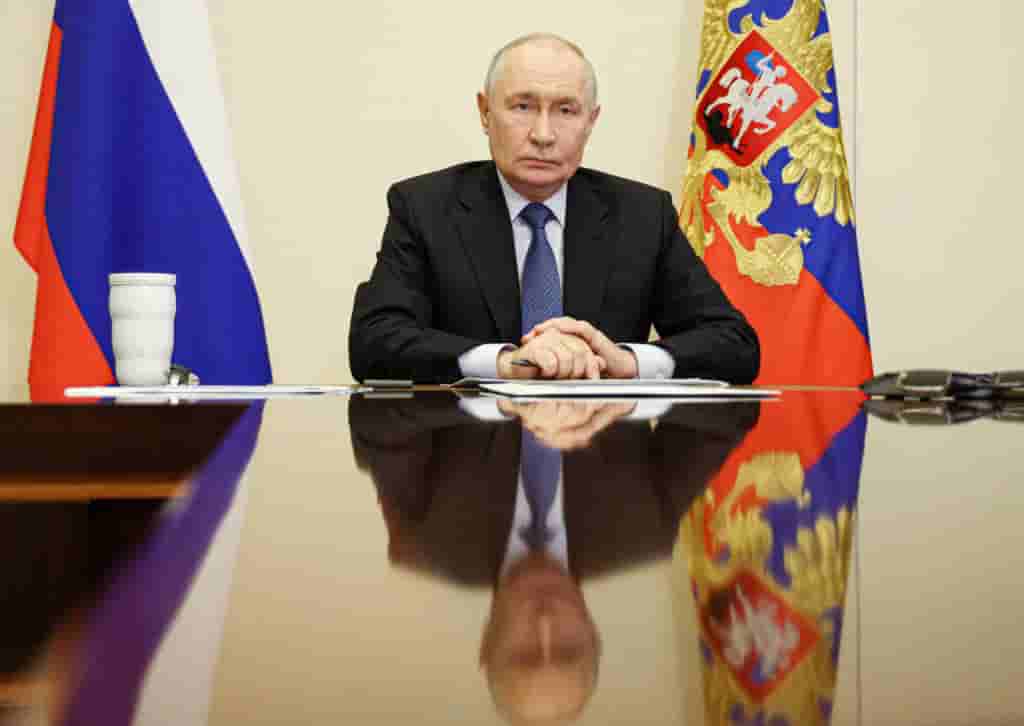
Rutte: Ukraine war unlikely to have a winner as Russia’s army has grown
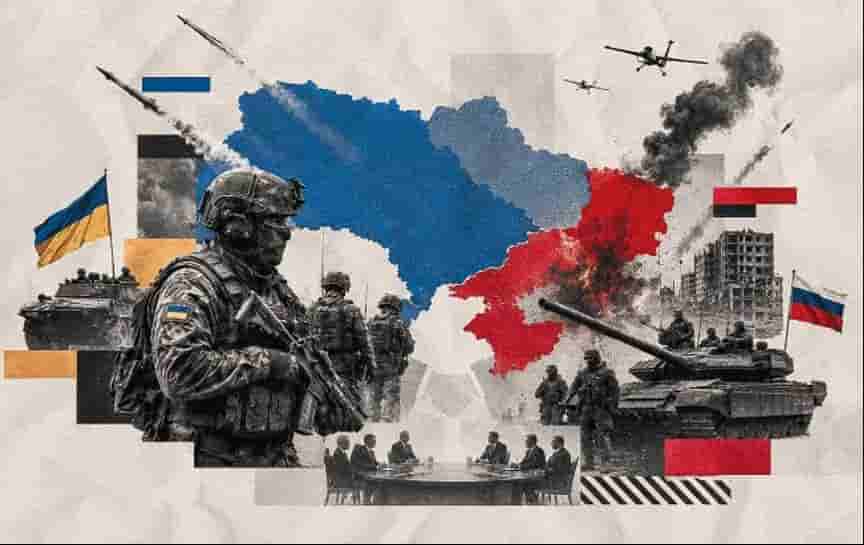
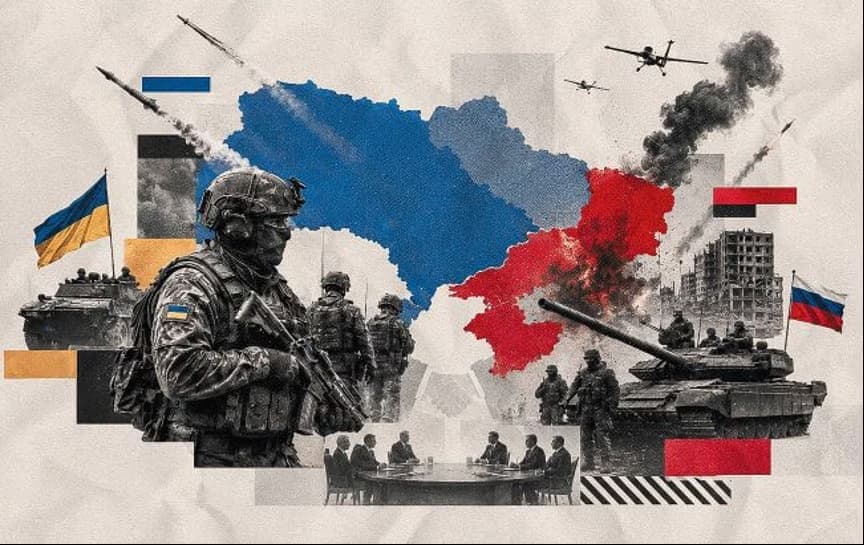
NATO Secretary General Mark Rutte said on Dutch television that neither side is likely to achieve a complete victory in the war and that Ukraine is unlikely to regain all its territory. He warned that the huge Russian army will not disappear after the fighting ends.
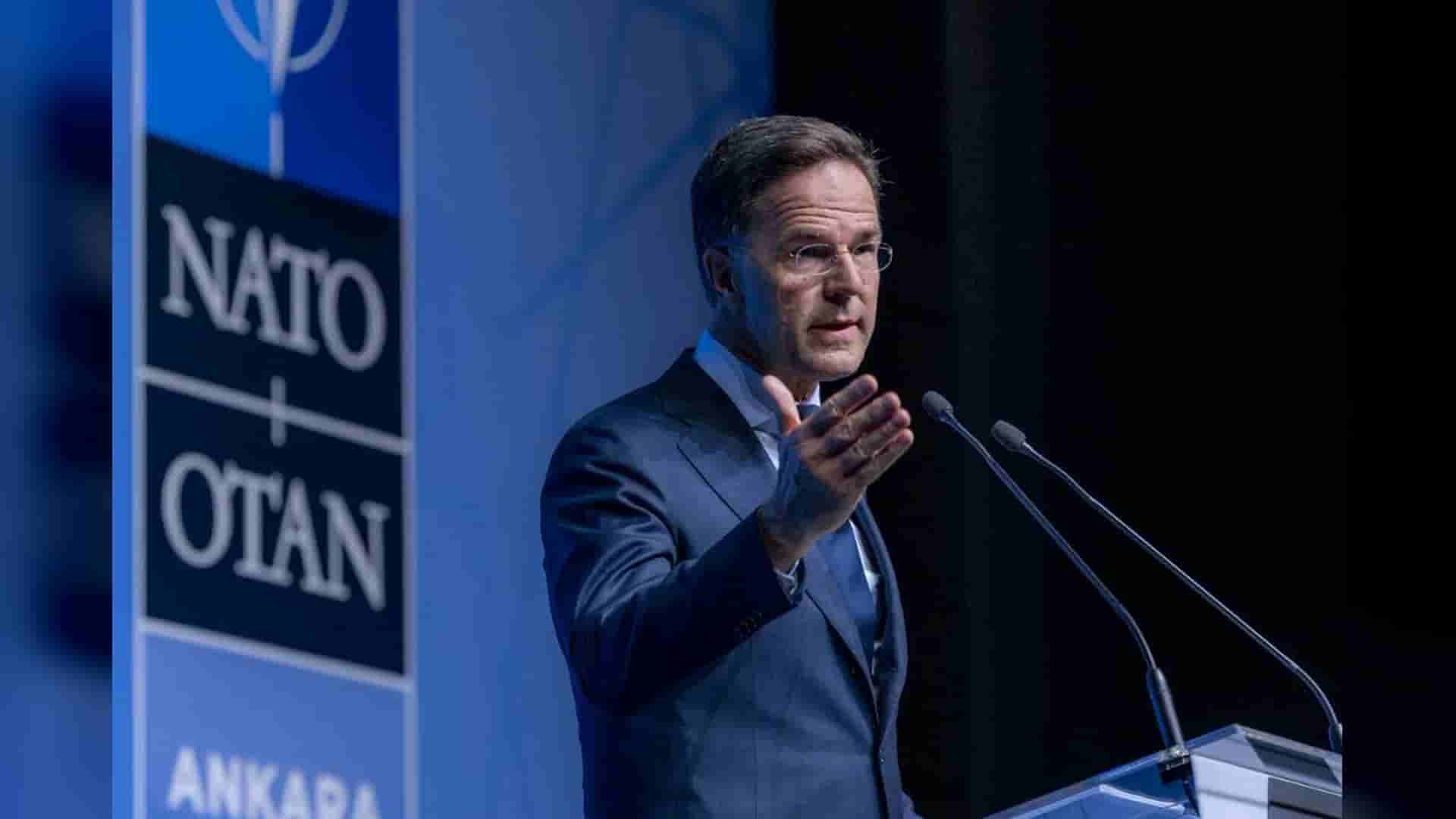
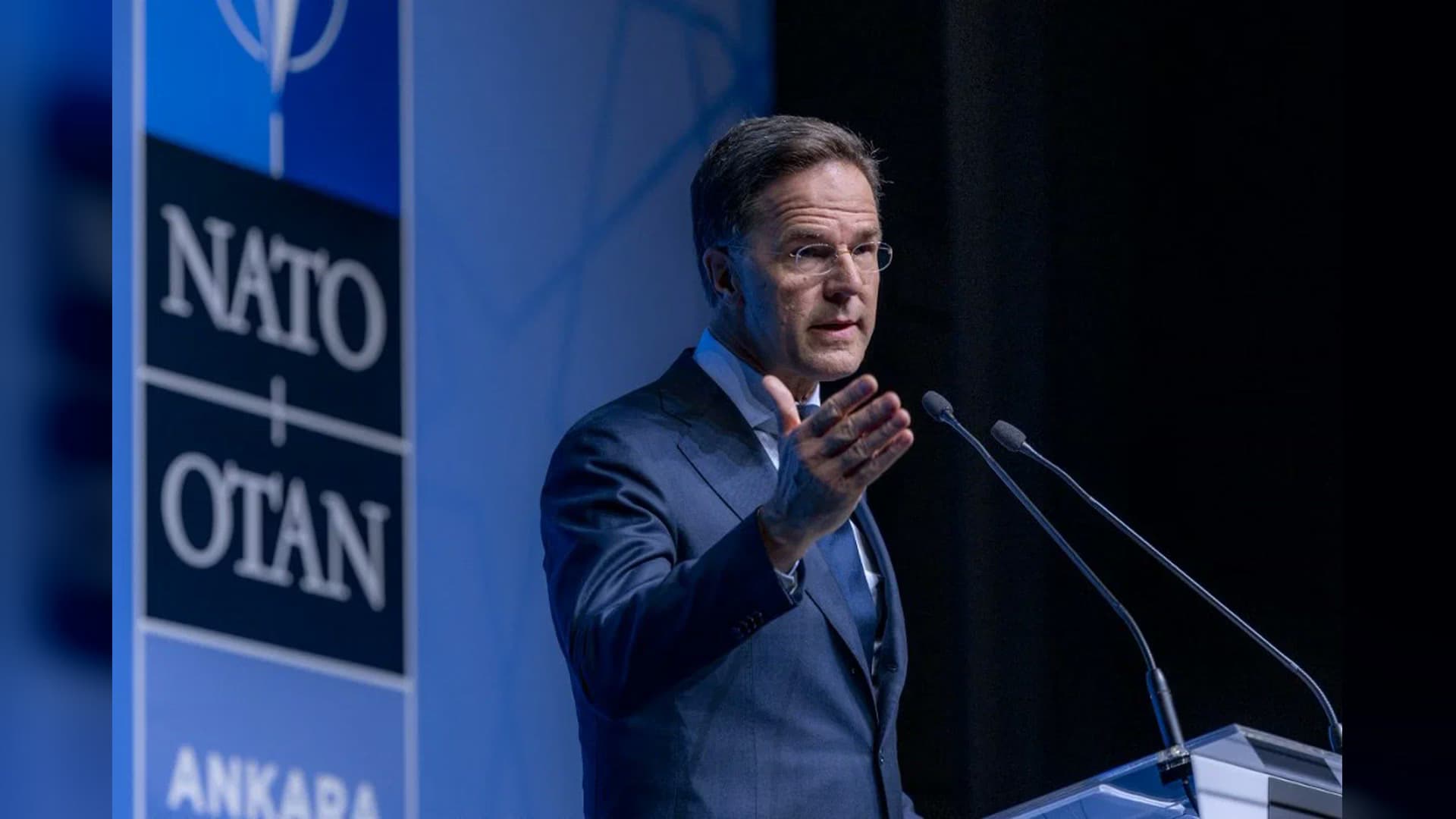
NATO Secretary General Mark Rutte said it was unlikely that anyone would achieve a complete victory in the war in Ukraine. “It does not look as though anyone will win this war outright. We must hope that the war will end, although Ukraine is unlikely to regain all its territory,” he said on Thursday on the Dutch program Pauw & De Wit.
Rutte said that only Ukraine itself can decide what it is prepared to accept as part of an agreement. “Only Zelenskyy and his government can decide that on behalf of the Ukrainian people. But such wars always end with a peace agreement, and that often involves compromise,” the NATO chief said. He added that he speaks with Volodymyr Zelenskyy every week.
In this interview excerpt, Rutte discusses the likely outcome of the war and says that Ukraine itself must determine the terms of any future deal.
“A huge army will not exist just for the sake of it”
Rutte warned that the threat from Russia to Europe will remain after the fighting ends. “The Russian threat is not currently manifesting itself directly at our borders because so many soldiers are engaged in Ukraine. But we know that when it is all over, this huge army will not exist simply for the sake of having a huge army,” he said.
The NATO chief noted that Ukraine now has an army of about 800,000 service members, roughly six times the size of Germany’s entire armed forces, and is fully adapted to drone warfare. “But look at the scale of what Russia is building up behind the lines. And you are dealing with a leader who is prepared to send more than a million of his citizens to their deaths,” Rutte said.
In this excerpt, Rutte compares the size of the Ukrainian army with the Bundeswehr and discusses the scale of Russia’s military buildup.
40% of the budget on defense
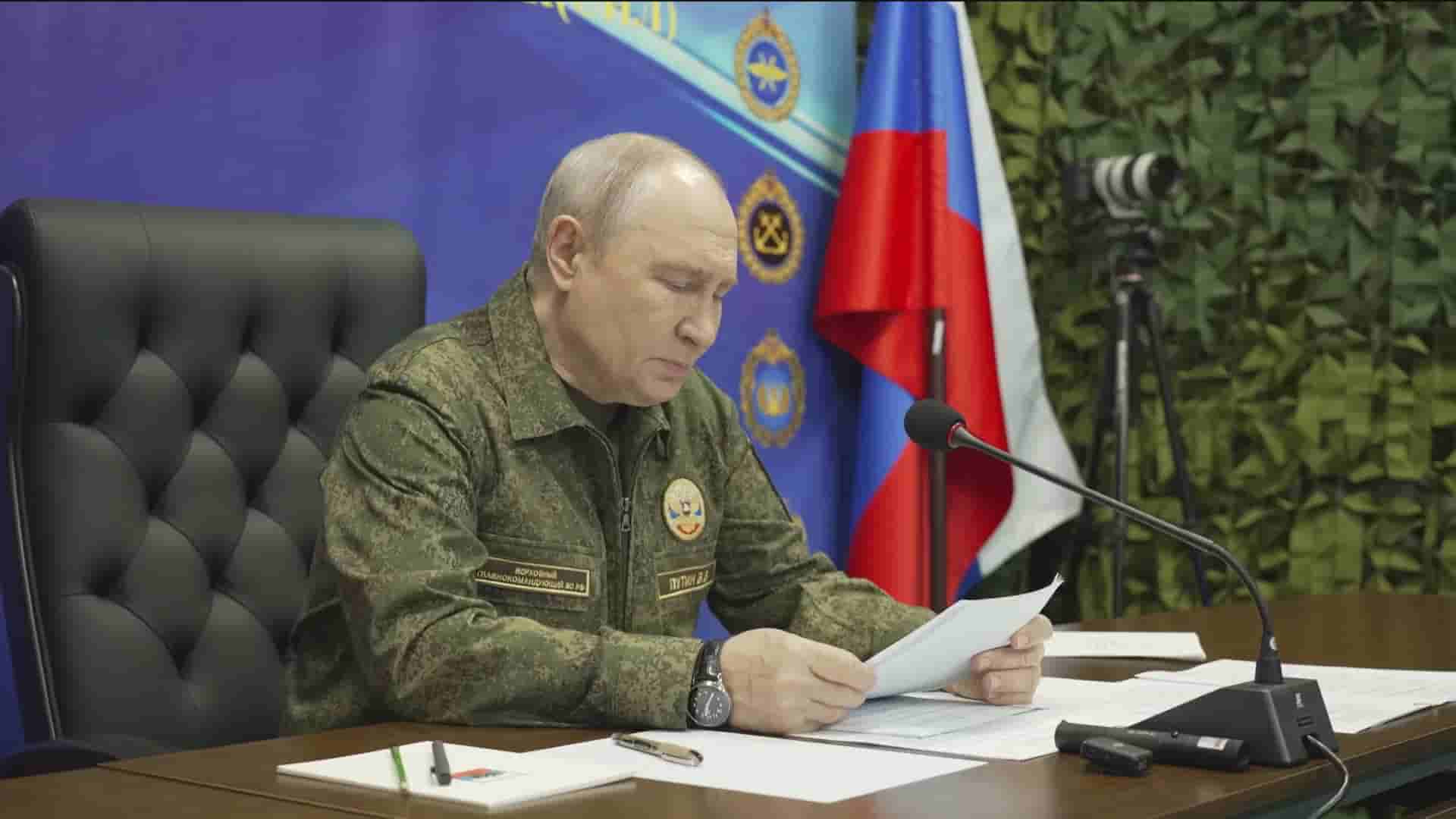
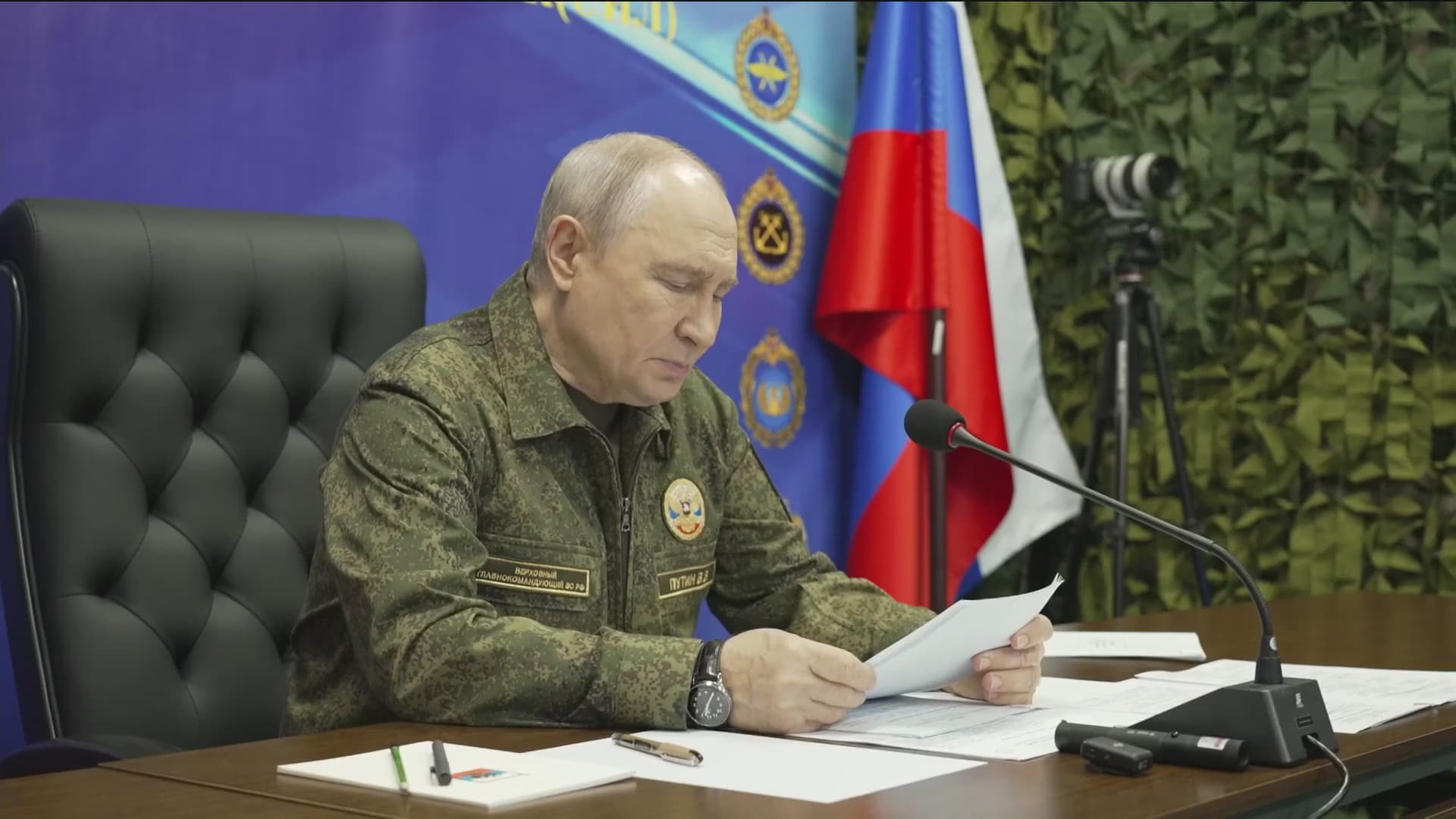
Rutte said that Russia’s armed forces have grown significantly, mainly because of the war. “They are now spending 40% of the state budget on defense. That is roughly 12–15% of national income, while we in Europe are trying to reach 3.5%,” he said, adding that Russia’s economic structure allows it to buy more with that money. According to Rutte, all of Russia’s industry is working for the war economy, while Europe’s automotive industry produces cars, and Europe needs to gradually consider how to bring the automotive and other sectors into defense production.
Rutte urged allies to expand their armed forces, continue investing in defense and support Ukraine’s strength so they are prepared for a possible major Russian threat that could one day lead to the invocation of Article 5 of the NATO Charter on collective defense.
Photo: NATO/AFP (archive). Video: Pauw & De Wit via Clash Report
Stay Updated with RuskiGazeta
Subscribe to be informed about special news, developments and announcements. We will keep you informed.
By signing up, you agree to our Privacy Policy