- BIST10011,722-2.89%
- USD49.42+0.06%
- EUR55.41+0.20%
- GOLD4,182.10+0.29%
- INTEREST37.00%-1.00
- BITCOIN81,408-0.88%
- October 16, 202612°
- BIST10011,722-2.89%
- USD49.42+0.06%
- EUR55.41+0.20%
- GOLD4,182.10+0.29%
- INTEREST37.00%-1.00
- BITCOIN81,408-0.88%
- October 16, 202612°
Russia records 735,000 self-imposed credit bans in September
In Russia, the number of self-imposed restrictions on credit and borrowing rose by 10.5% in September 2026 from August to reach 735,000. At the end of September, 22.3 million people had active self-imposed restrictions, while 250,600 people removed restrictions they had previously imposed.
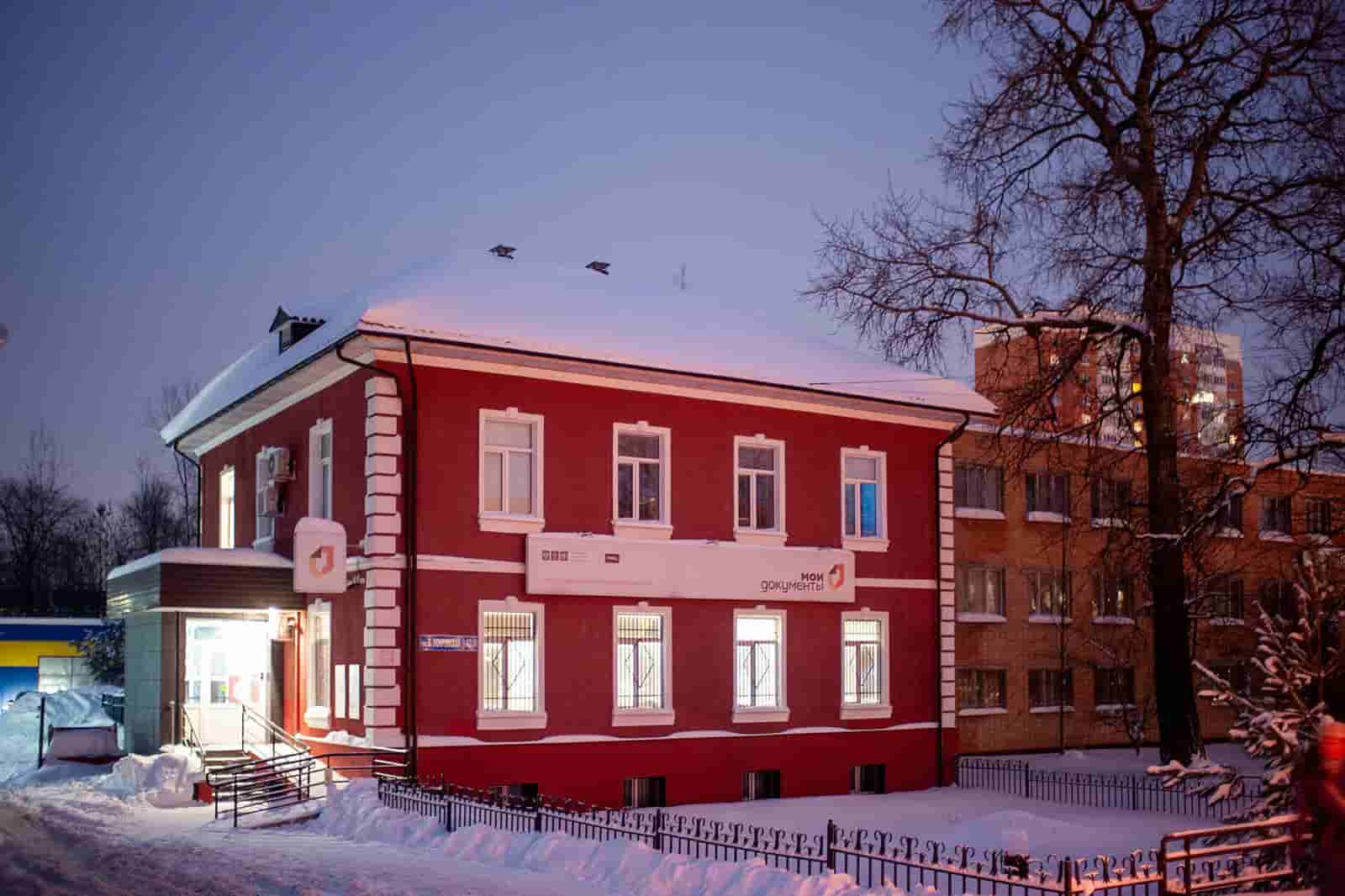
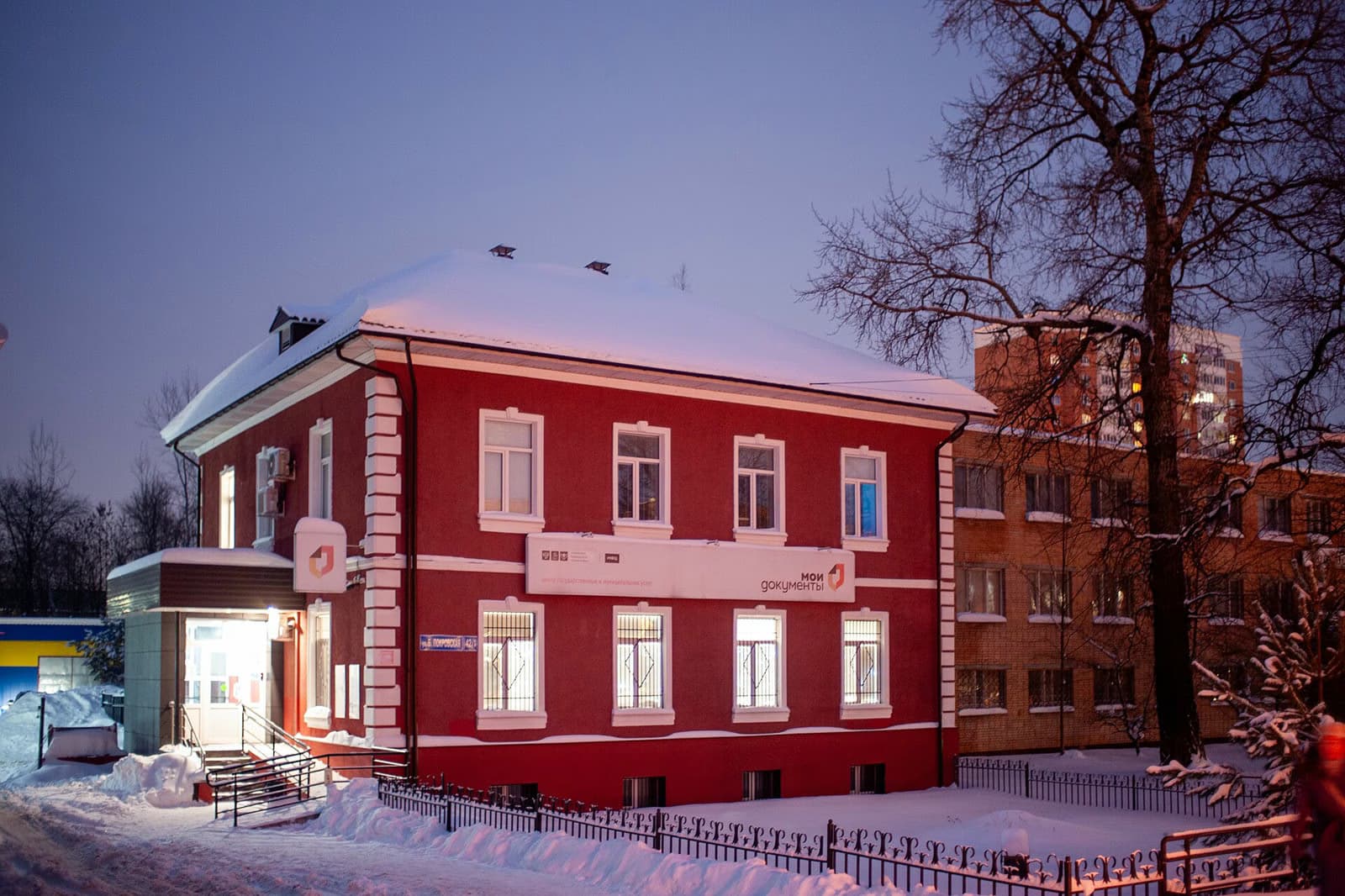
The number of self-imposed restrictions on credit and borrowing in Russia reached 735,000 in September 2026. The National Bureau of Credit Histories said applications rose by 10.5% month on month from 665,100 in August.
Most applications were submitted through the State Services portal
A total of 670,900 self-imposed restrictions were created through the State Services portal in September. Transactions conducted online rose by 11.5% compared with August.
Multifunctional centers recorded 64,100 self-imposed restrictions. The number of applications submitted through these centers rose by 0.8% month on month.
250,600 self-imposed restrictions were removed
A total of 250,600 previously created self-imposed restrictions were removed in September. This was 6.3% lower than in August.
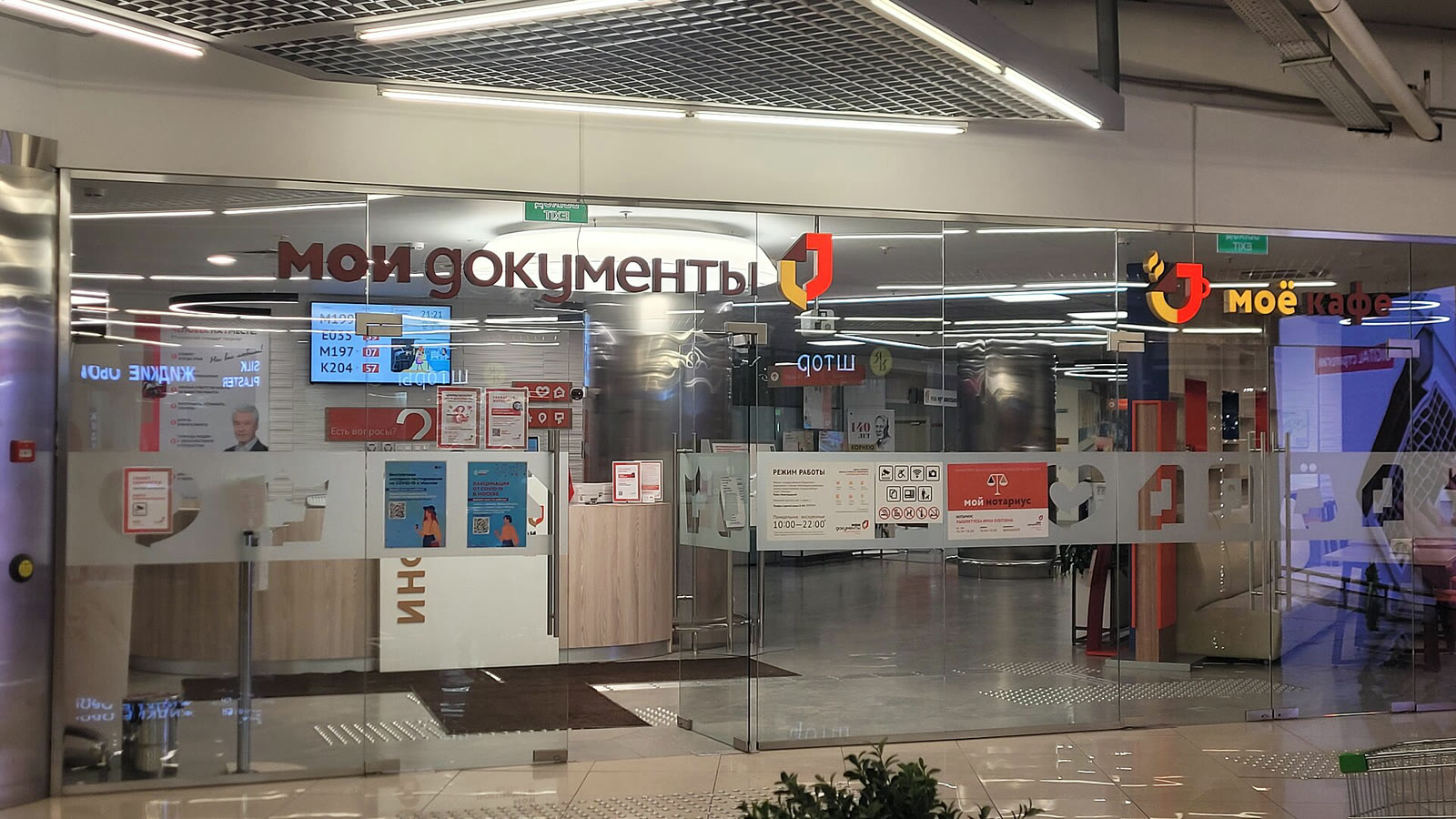
A total of 137,500 procedures to remove restrictions were carried out at multifunctional centers, down 6.7% through this channel. Another 113,200 self-imposed restrictions were removed through the State Services portal, representing a 5.7% decline.
Number of people with active restrictions reaches 22.3 million
As of October 1, 2026, the number of Russian citizens with active self-imposed credit restrictions stood at 22.3 million. Between March 2025 and September 2026, 2.06 million people removed restrictions they had previously imposed.
System launched in 2025
The system allowing people to impose a restriction on signing consumer credit and borrowing agreements entered into force on March 1, 2025. From that date, citizens could complete the procedure through the State Services portal.
Procedures to create and remove self-imposed restrictions also became available at multifunctional centers from September 1, 2025.
Moscow leads the list
Moscow ranked first in the total number of self-imposed restrictions created in September, with 67,400 applications. The Moscow region recorded 45,800 applications, St. Petersburg 34,200, Rostov region 32,500 and Krasnodar region 26,000.
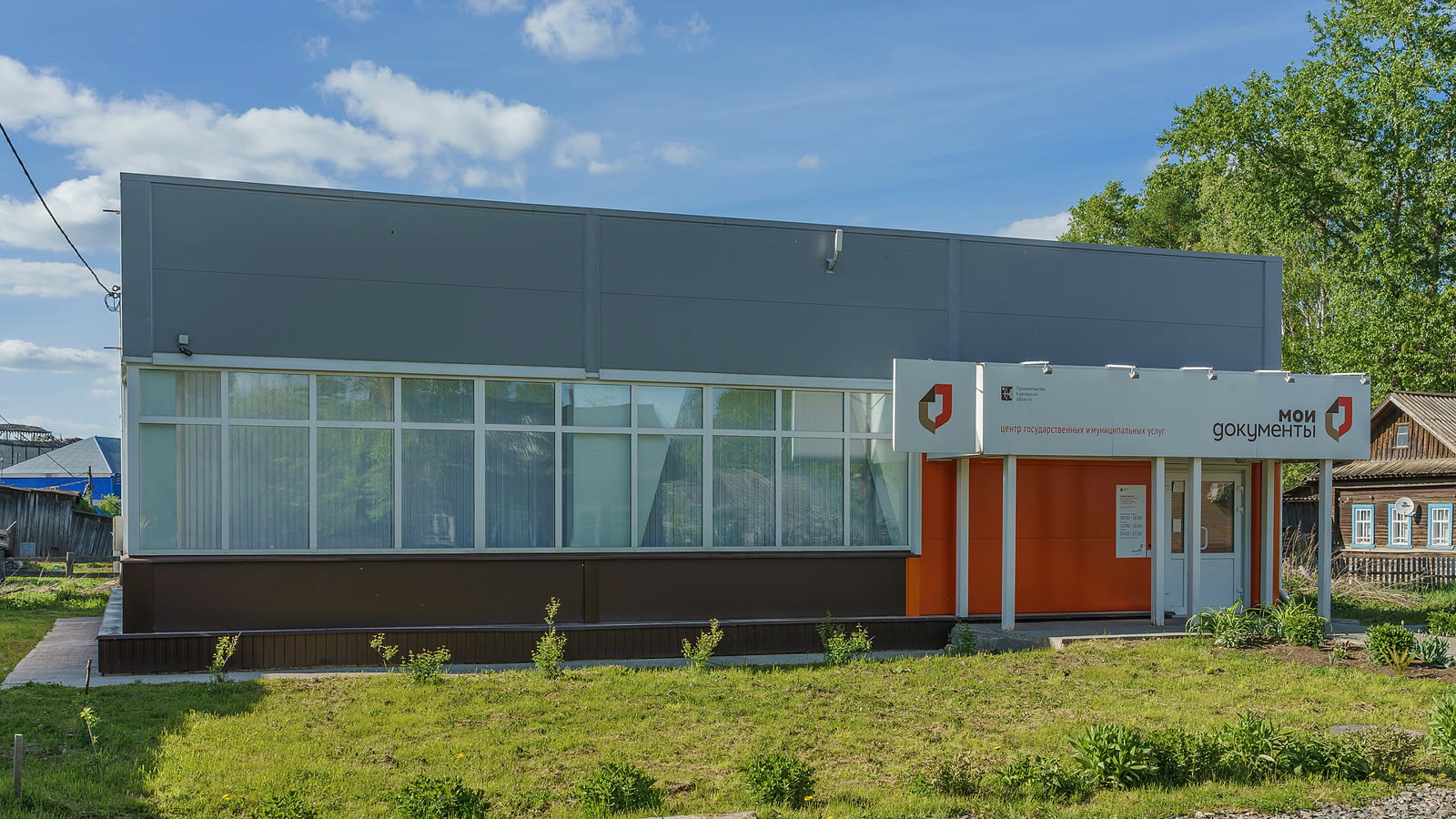
Rostov region recorded the highest number of self-imposed restrictions created at multifunctional centers. A total of 3,900 procedures were carried out there, compared with 3,800 each in St. Petersburg and Krasnodar region, 3,200 in Tatarstan and 2,200 in Chelyabinsk region. In Moscow, 1,500 self-imposed restrictions were created through these centers.
Moscow also recorded the highest number of applications through the State Services portal. A total of 65,900 self-imposed restrictions were created in the capital, while the Moscow region recorded 45,400 applications, St. Petersburg 30,400, Rostov region 28,600 and Krasnodar region 22,200.
Rostov region records a 34.2% increase
Among the 20 regions with the highest total number of self-imposed restrictions in September, Rostov region recorded the fastest monthly increase. The figure rose by 34.2% in the region, compared with 16% in Voronezh region, 14.1% in Tatarstan, 12.9% in Chelyabinsk region and 12.7% in Moscow.
Stay Updated with RuskiGazeta
Subscribe to be informed about special news, developments and announcements. We will keep you informed.
By signing up, you agree to our Privacy Policy