- BIST10011,722-2.89%
- USD49.45+0.05%
- EUR55.62+0.37%
- GOLD4,195.30+0.34%
- INTEREST37.00%-1.00
- BITCOIN82,720+0.86%
- October 19, 202616°
- BIST10011,722-2.89%
- USD49.45+0.05%
- EUR55.62+0.37%
- GOLD4,195.30+0.34%
- INTEREST37.00%-1.00
- BITCOIN82,720+0.86%
- October 19, 202616°
Russia considers raising migrant workers’ tax rate to 30 percent
Russia is discussing a possible change to the taxation system for foreign workers. Under the proposed initiative, the income tax rate for certain categories of migrant workers could reach 30 percent. No decision has yet entered into force.


Amid Russia’s continuing tightening of migration policy, a new initiative concerning the taxation of foreign workers is under discussion. It involves a possible review of the existing tax rules and the application of a 30% rate to income earned by certain categories of migrant workers.
The discussion concerns the current taxation system for foreign nationals working in Russia.
However, the proposed 30% rate is not currently a new tax rule that has entered into force. It would therefore be incorrect to say that Russia has already raised the tax for all migrant workers to 30%.
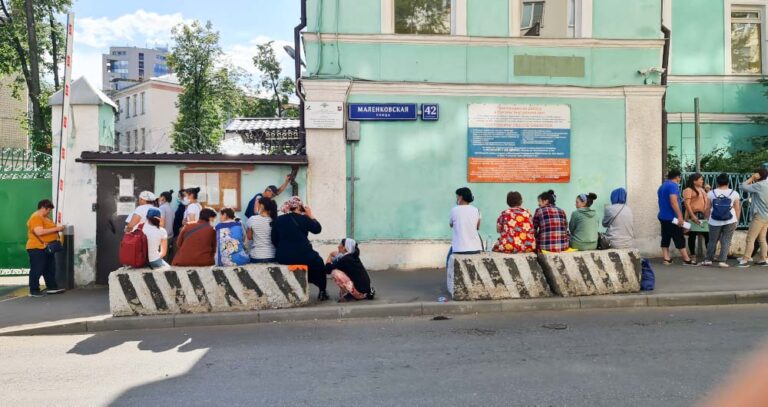
Taxation for foreign nationals depends on their status
The income tax payable by foreign nationals in Russia may vary depending on their tax residency, citizenship, legal status and the conditions of their employment.
A 30% rate already applies to some income earned by tax nonresidents. At the same time, different taxation rules apply to certain categories of foreign workers.
If the initiative advances, one of the main questions will be which categories of foreign workers could be covered by the new rules.

Russia continues to tighten its migration policy
The tax initiative is being discussed amid sweeping changes to Russia’s migration legislation.
During 2026, the State Duma adopted a number of decisions concerning the conditions for foreign nationals’ stay and employment.
In particular, requirements for verifying migrants’ income were tightened. Under the adopted changes, foreign workers must prove that they have income at the established level. In certain cases, failure to meet this requirement may create problems when extending the documents needed to live and work in the country.
The exchange of information on foreign workers’ income between the tax authorities and the Interior Ministry is also предусмотрен.

In addition, in 2026 Russia significantly increased a number of state fees related to processing documents for foreign nationals. Fees for obtaining a residence permit, a temporary residence permit and Russian citizenship were increased.
If the proposal for a 30% tax rate advances through the legislative process, the key questions will be which categories of foreign workers would be subject to the new rules and how significantly the changes would affect migrant workers’ incomes.
Stay Updated with RuskiGazeta
Subscribe to be informed about special news, developments and announcements. We will keep you informed.
By signing up, you agree to our Privacy Policy