- BIST10010,760-3.63%
- USD49.86+0.15%
- EUR55.82+0.52%
- GOLD3,898.90-3.29%
- INTEREST36.00%-1.00
- BITCOIN77,646+0.27%
- November 1, 202614°
- BIST10010,760-3.63%
- USD49.86+0.15%
- EUR55.82+0.52%
- GOLD3,898.90-3.29%
- INTEREST36.00%-1.00
- BITCOIN77,646+0.27%
- November 1, 202614°
Russia-Africa trade reached $27.7 billion in 2024
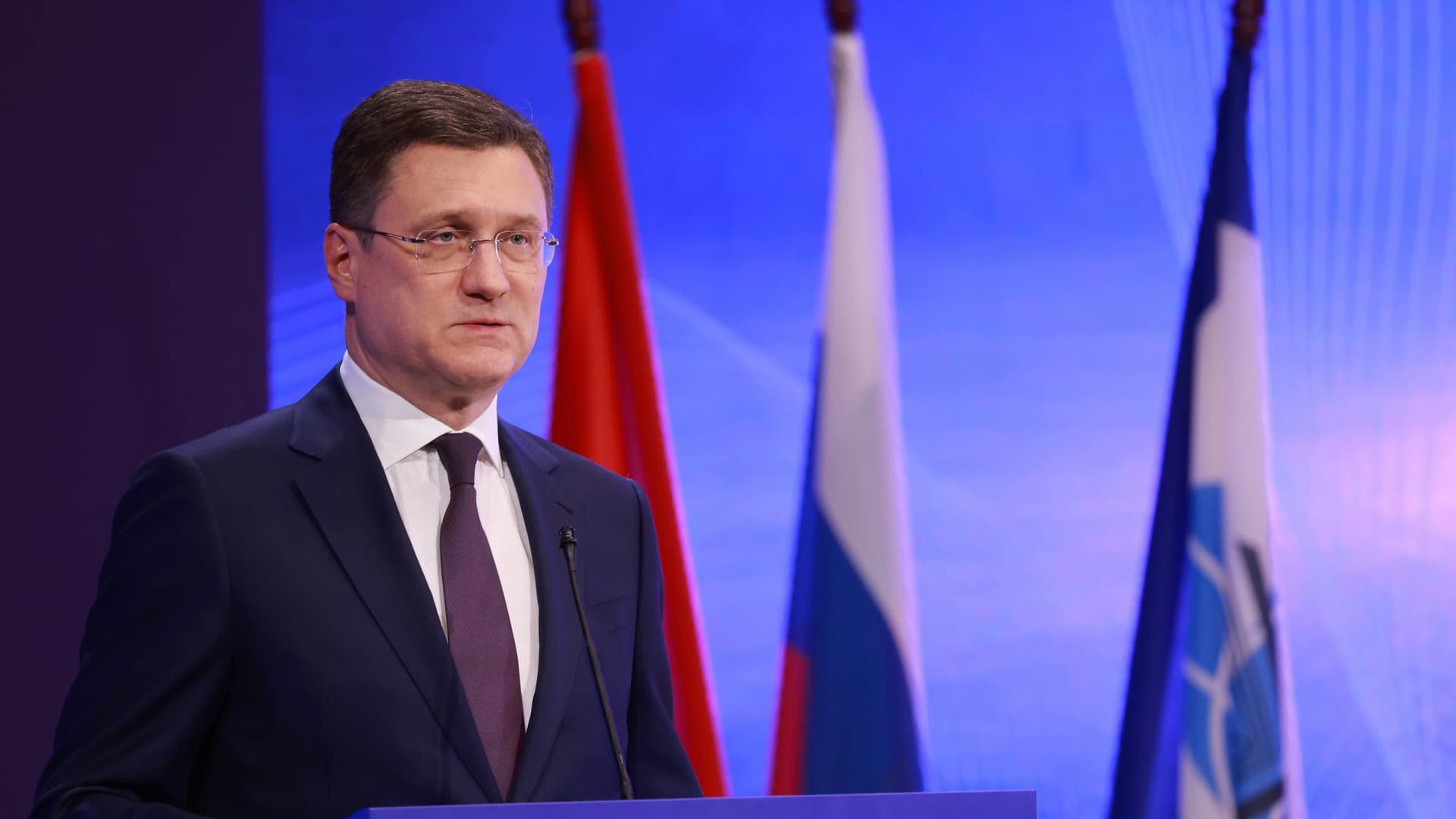
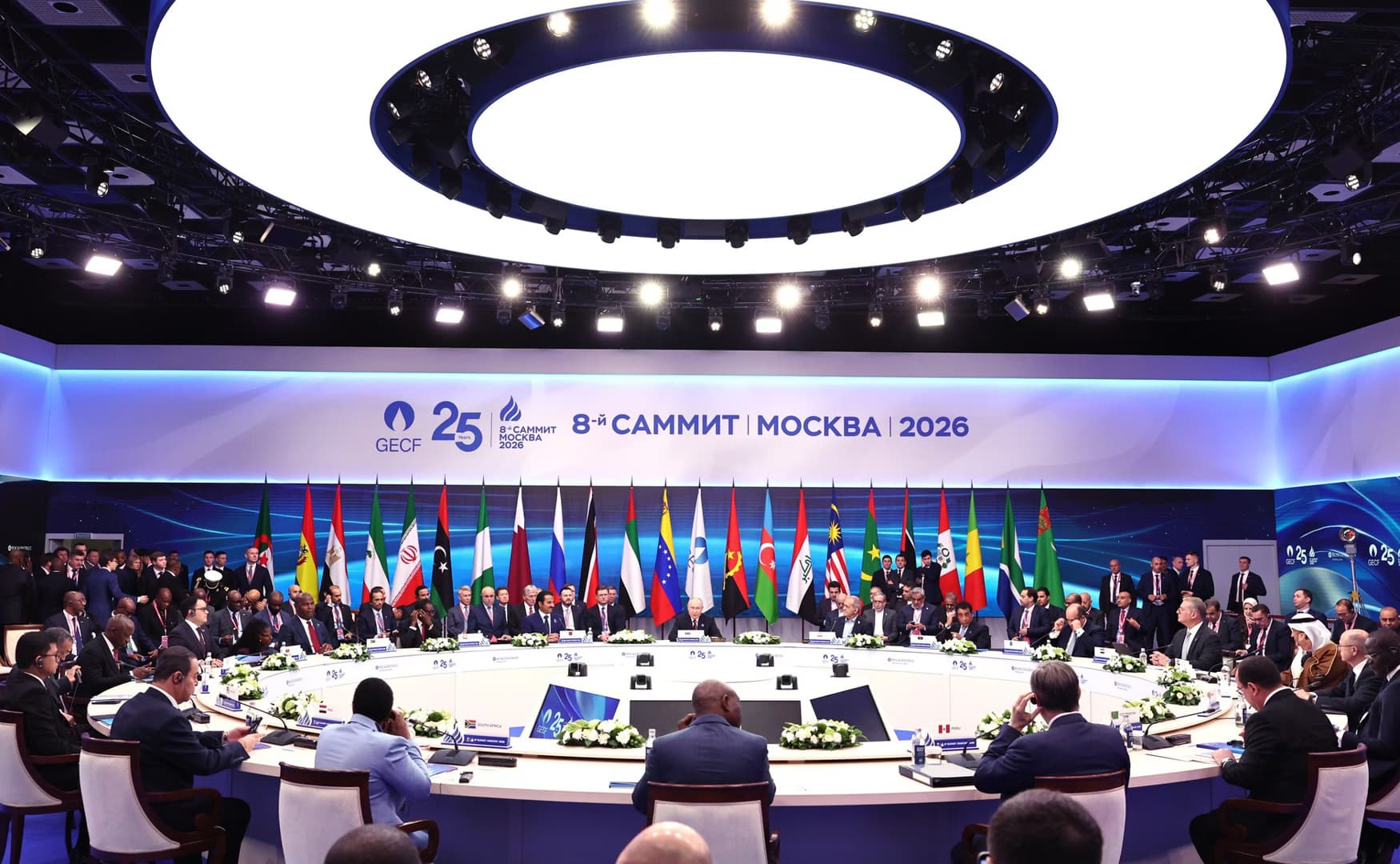
Irina Abramova, director of the Russian Academy of Sciences’ Africa Institute, called for relations to produce concrete projects in agriculture, space, high technology, healthcare, education and logistics ahead of the Russia-Africa Summit in Moscow on October 28-29. Trade between Russia and African countries reached $27.7 billion in 2024, while the number of African students in Russia rose to 37,710.


Trade between Russia and African countries rose to $27.7 billion in 2024, while Irina Abramova, director of the Russian Academy of Sciences’ Africa Institute, said relations between the two sides should move from declarations to concrete projects. Ahead of the Russia-Africa Summit and economic and humanitarian forum held in Moscow on October 28-29, Abramova listed agriculture, space, high technology, medicine, healthcare, education and logistics among the leading areas for cooperation.
Abramova said the Russian state and business community understood the need for a strategic partnership with Africa. She said Africa’s global importance would grow because of its young population and natural resources, and noted that Russia should pursue more production, technology transfers and long-term investment in its relations with African countries.
Young population and strategic raw materials
According to figures cited by Abramova, approximately 800 million people in Africa, or about 60 percent of the continent’s population, are under the age of 25. Abramova said Africa’s population was projected to account for more than one-quarter of the world’s population by 2050 and approximately 40 percent by 2100.
Abramova said another factor increasing Africa’s importance was its natural resources, including raw materials needed for artificial intelligence, information systems and the defense industry. She stressed the strategic importance of Russia forming alliances with African countries in the raw-materials sector.
Abramova said Russia needed to align its own plans more closely with the development strategies of African countries. She added that the Africa Institute of the Russian Academy of Sciences had created an open-access electronic database containing development strategies for the continent, its regions and its countries.
A new approach to trade and production
Trade between Russia and Africa fell to $27.1 billion in 2025. Abramova said the volume could reach $28 billion to $29 billion in 2026 if the current trend continued.
According to Abramova, the goal should not be limited to expanding existing trade; moving production to the African continent and transferring technology should also become priorities. She said progress had been made in energy, agriculture, water treatment and water-preparation technologies, adding that African partners were interested in technologies developed by Russia.
Abramova said Russia’s diplomatic and commercial presence in Africa was expanding, with new embassies and trade missions opening. She said Russia had six trade missions on the continent, with some responsible for more than one country.
Abramova said remote contacts could not replace working on the ground in Africa. Russian companies needed to travel to the continent, open representative offices, meet local partners and examine the characteristics of each market, she said.
Education, nuclear energy and logistics
Abramova identified progress in education, increased trade volume and nuclear energy projects among the most important developments of the past three years. She said 37,710 students from African countries were studying at higher education institutions in Russia, adding that interest in technical fields and agricultural sciences had increased.
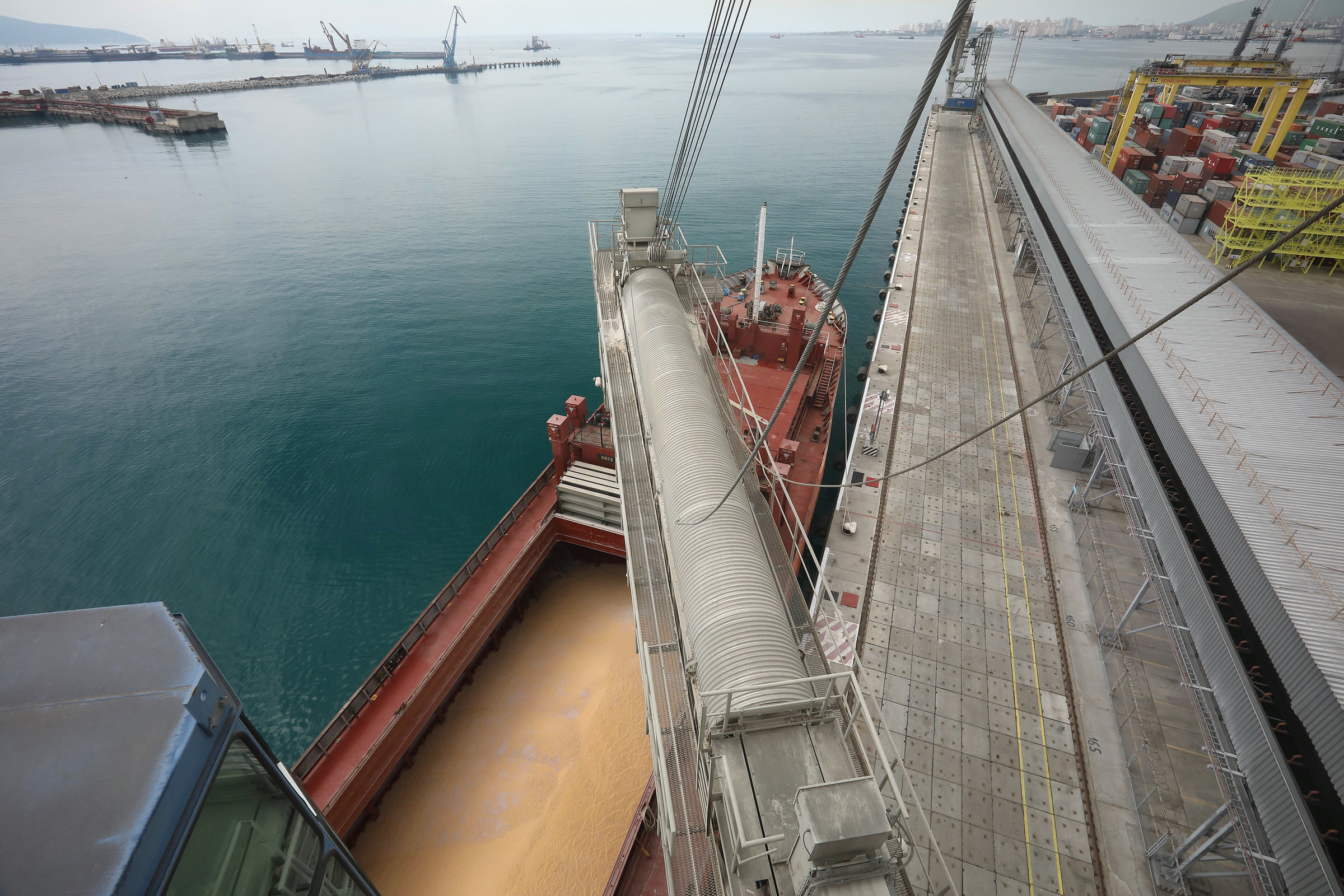
Abramova said Russia was building the El-Dabaa Nuclear Power Plant in Egypt, consisting of four reactors with a combined capacity of 4.8 gigawatts. She added that talks were continuing on the construction of two more reactors. Russia had also made progress in recent years in shipments of grain and, in particular, fertilizer to African countries, she said.
Abramova said African countries wanted to develop their own production and joint ventures, and that Russia needed to increase its investment on the continent. She noted that these investments could be expected to produce results not in one or two years, but within three to five years or, for some projects, within 10 years.
Abramova said Russia could build grain storage facilities instead of limiting itself to selling grain, establish fertilizer-blending plants in Africa while increasing fertilizer exports, and provide training to local farmers. She also listed ports and trade infrastructure among the priority areas.
Abramova said international logistics routes had changed, with some cargo flows being diverted around the Cape of Good Hope instead of through the Suez Canal. She said this could create an opportunity to develop ports on Africa’s eastern and western coasts. She also called for new payment instruments and settlement methods to be developed in light of Western sanctions.
Special focus on Mali, Burkina Faso and Niger
Abramova said nearly all African countries were interested in cooperating with Russia. She said Mali, Burkina Faso and Niger had sought to develop their economic and political relations further in recent years, adding that these countries had significantly reduced their political and military dependence on France, while their economic dependence continued.
Abramova said Mali and Burkina Faso were rich in gold, while Niger was rich in uranium. She added that promising oil fields existed in Mali and Niger. She listed geological research, mining and processing, the application of new technologies and the training of specialists among the priority areas.
Abramova said Africa was estimated to possess approximately 30 percent of the world’s mineral resources. She noted that the continent’s countries needed qualified national personnel to develop these resources independently, adding that Russian universities could play a role, particularly in training mining engineers.
Abramova said Egypt, Algeria and Ethiopia were among Russia’s important partners, adding that Tanzania had become one of its priority partners. She said some projects in Zimbabwe were being carried out jointly with Belarus, while Russia and South Africa shared interests in science and industry. She added that opportunities for cooperation with Namibia and Ghana were also expanding.
Africa’s representation on the UN Security Council
Abramova said African countries should have broader representation on the United Nations Security Council. She said work could focus on criteria for ensuring representation by the African Union or by specific countries on the council.
Abramova said Africa’s 54 countries held approximately one-quarter of the votes in the United Nations General Assembly, adding that the continent’s countries were influential in international decision-making. She said African countries were increasingly putting forward their own initiatives rather than limiting themselves to supporting proposals made by others.
Abramova said the fact that Africa is depicted as smaller on maps than it is has symbolic importance for the continent’s countries. She added that African countries did not view themselves solely as objects of world politics and wanted to play a greater role in shaping the international agenda.
Free education places rise to 6,000 annually
Abramova said the number of free education places allocated in Russia to citizens of African countries had doubled after reaching a peak in 2023, rising to 6,000 annually. She said greater attention should be paid to the quality of students’ education and their situation after graduation.
Abramova said African companies should finance students’ education, cover transportation costs, provide additional scholarships and offer employment after graduation. She also called for the expansion of Russian-language teaching in African countries, adding that Russian Houses were working in this area.
Abramova said African students had previously studied mostly in Russian, while the option of studying in English later became more widespread. She said Russian helped students become familiar with Russia’s culture, history and way of thinking. She added that educational opportunities in African languages such as Swahili should also be considered.
Scientific partnerships and water technologies
Abramova said opportunities existed for joint research between Russia and African countries in agriculture, space, astronomy, ocean resources and water technologies. She added that astronomy research involving large telescopes was being conducted with South Africa.
Abramova described water treatment technologies as one of the most promising areas for Africa. She said the goal in this field was not only to increase access to water resources but also to provide the population with safe drinking water.
Stay Updated with RuskiGazeta
Subscribe to be informed about special news, developments and announcements. We will keep you informed.
By signing up, you agree to our Privacy Policy