- BIST10011,843+1.51%
- USD50.26+0.06%
- EUR55.74-0.44%
- GOLD3,874.50-0.28%
- INTEREST36.00%-1.00
- BITCOIN68,387-4.18%
- November 14, 202619°
- BIST10011,843+1.51%
- USD50.26+0.06%
- EUR55.74-0.44%
- GOLD3,874.50-0.28%
- INTEREST36.00%-1.00
- BITCOIN68,387-4.18%
- November 14, 202619°
Reuters: Drone strikes cut Russia’s refinery capacity by about 30%
Operations were disrupted at nine of the country’s 35 largest oil refineries over the past week, the agency wrote, citing two industry sources. The facilities affected since late October can process about 2.2 million barrels of oil per day.
RuskiGazeta Editorial DeskUpdated:
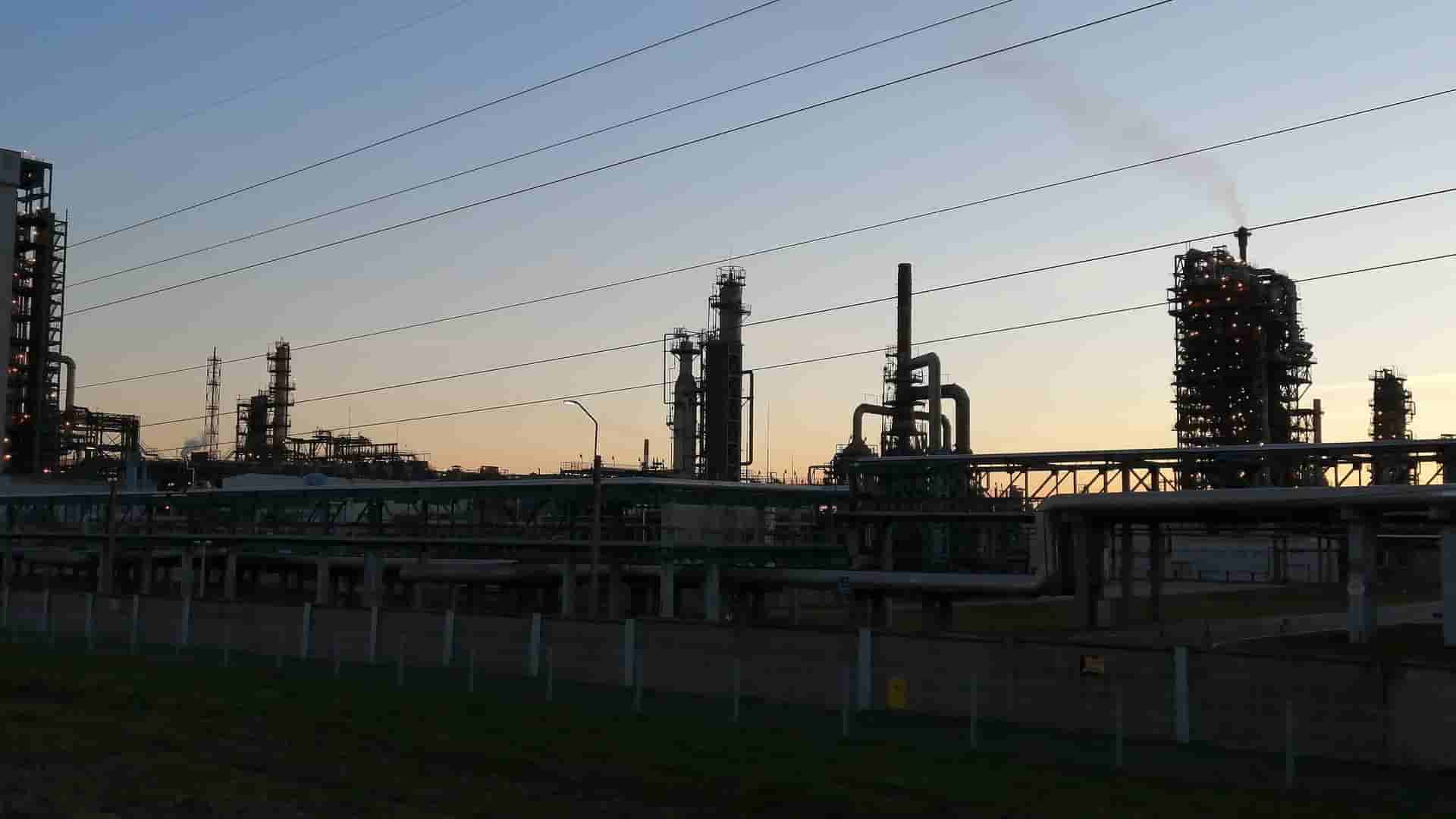
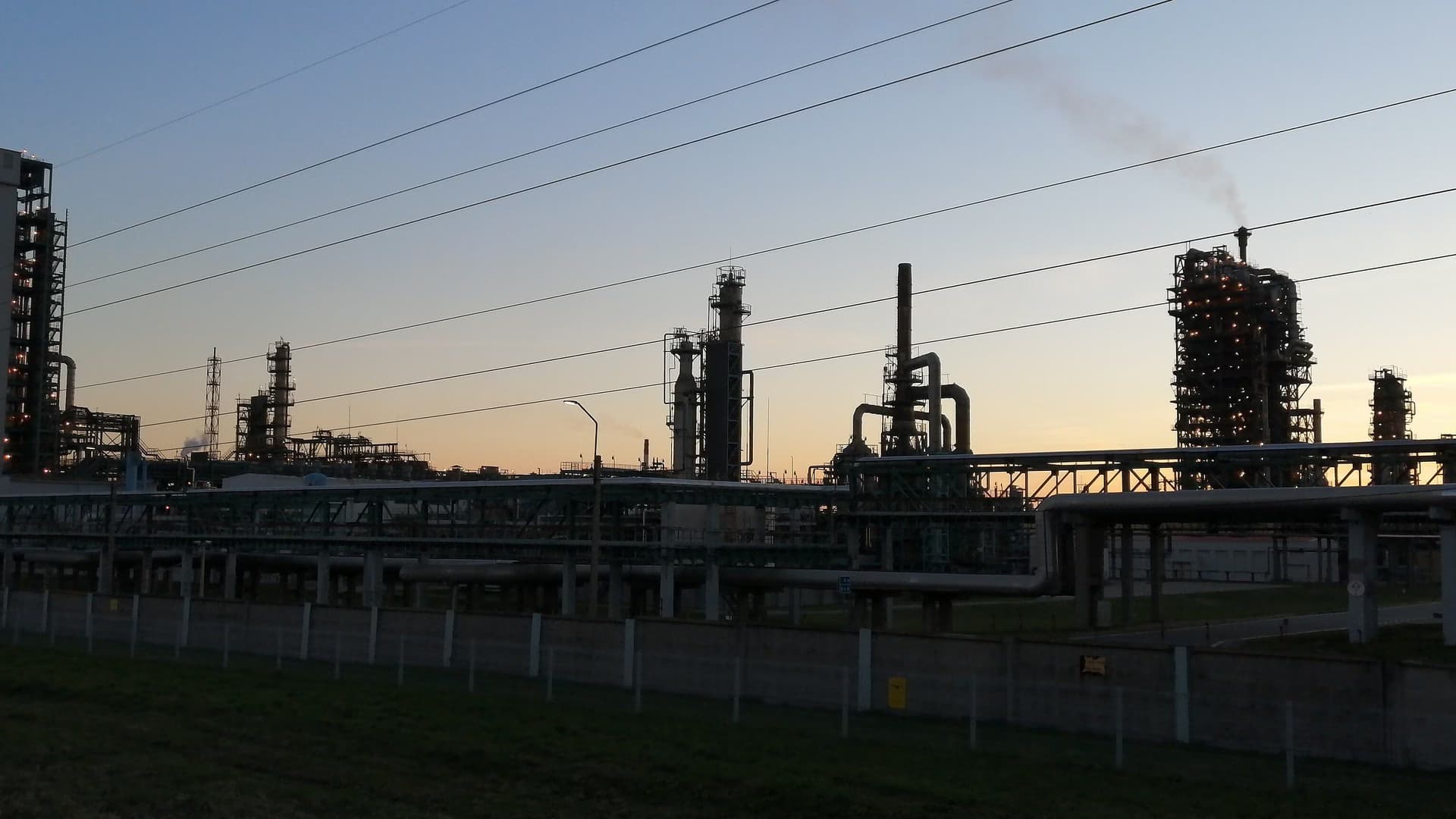
Renewed Ukrainian drone strikes on Russian oil refineries since late October have reduced the sector’s capacity by about 30%. Reuters reported this on Nov. 10, citing two industry sources.
According to the agency, operations were disrupted at nine of Russia’s 35 largest refineries over the past week. The combined capacity of the facilities affected by the attacks since late October is about 300,000 tonnes, or 2.2 million barrels of oil per day, compared with total primary refining capacity in the country of about 930,000 tonnes per day.
Ryazan, Yaroslavl and the Volga region
Reuters’ sources identified refineries in Ryazan and Yaroslavl, as well as facilities in the Volga region, among those affected. Drones attacked the Kirishi refinery in the Leningrad region overnight on Nov. 9. The facility is the country’s second-largest refinery, and a fire broke out there afterward.
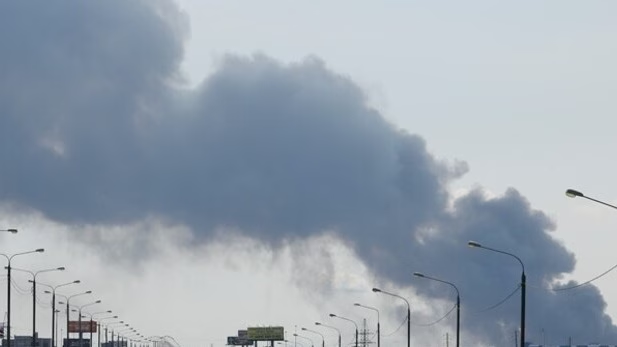
Agency sources estimated that the actual reduction in refining could reach 200,000 tonnes per day. At the end of October, Russian refineries were processing about 700,000 tonnes, or 5 million barrels of oil per day.
Fuel station limits
Amid the attacks, restrictions on fuel sales have been reintroduced in several regions. The Moscow Times wrote that at some Rosneft gas stations in cities, customers are allowed to buy no more than 30 liters of gasoline, while the limit is 50 liters on highways. Moscow has a limit of 50 liters per vehicle. The average price of gasoline in Russia has risen by about 16% since the beginning of the year and stood at 98 rubles per liter as of Nov. 2.
Ukraine resumed strikes on refineries in late October after the energy truce announced by U.S. President Donald Trump expired. Ukrainian President Volodymyr Zelenskyy said Kyiv would continue striking oil infrastructure in response to attacks on Ukraine’s energy system. Russian Foreign Minister Sergey Lavrov accused Ukraine of ignoring Trump’s calls to stop the attacks in an interview with Kommersant on Nov. 10.
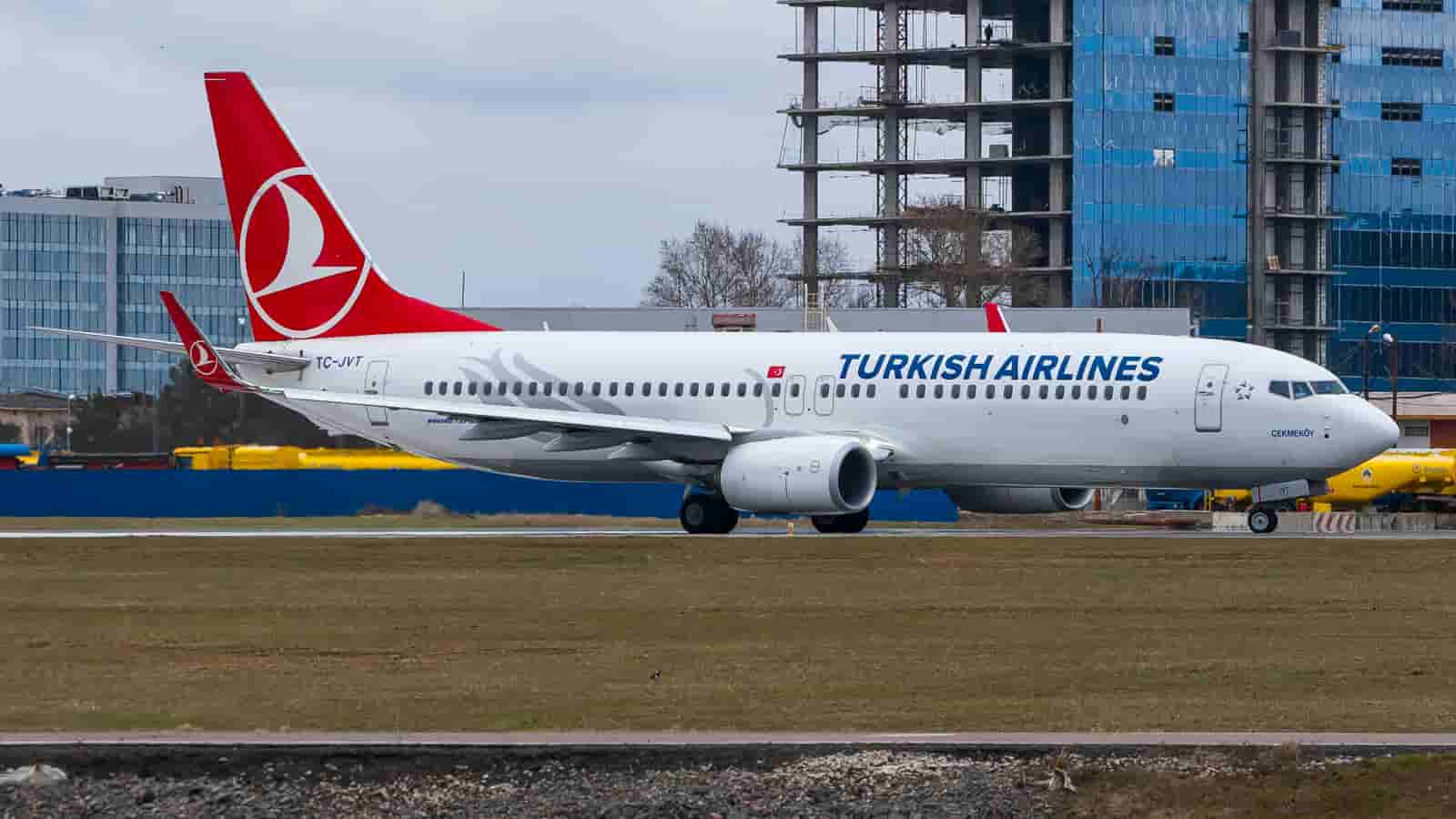
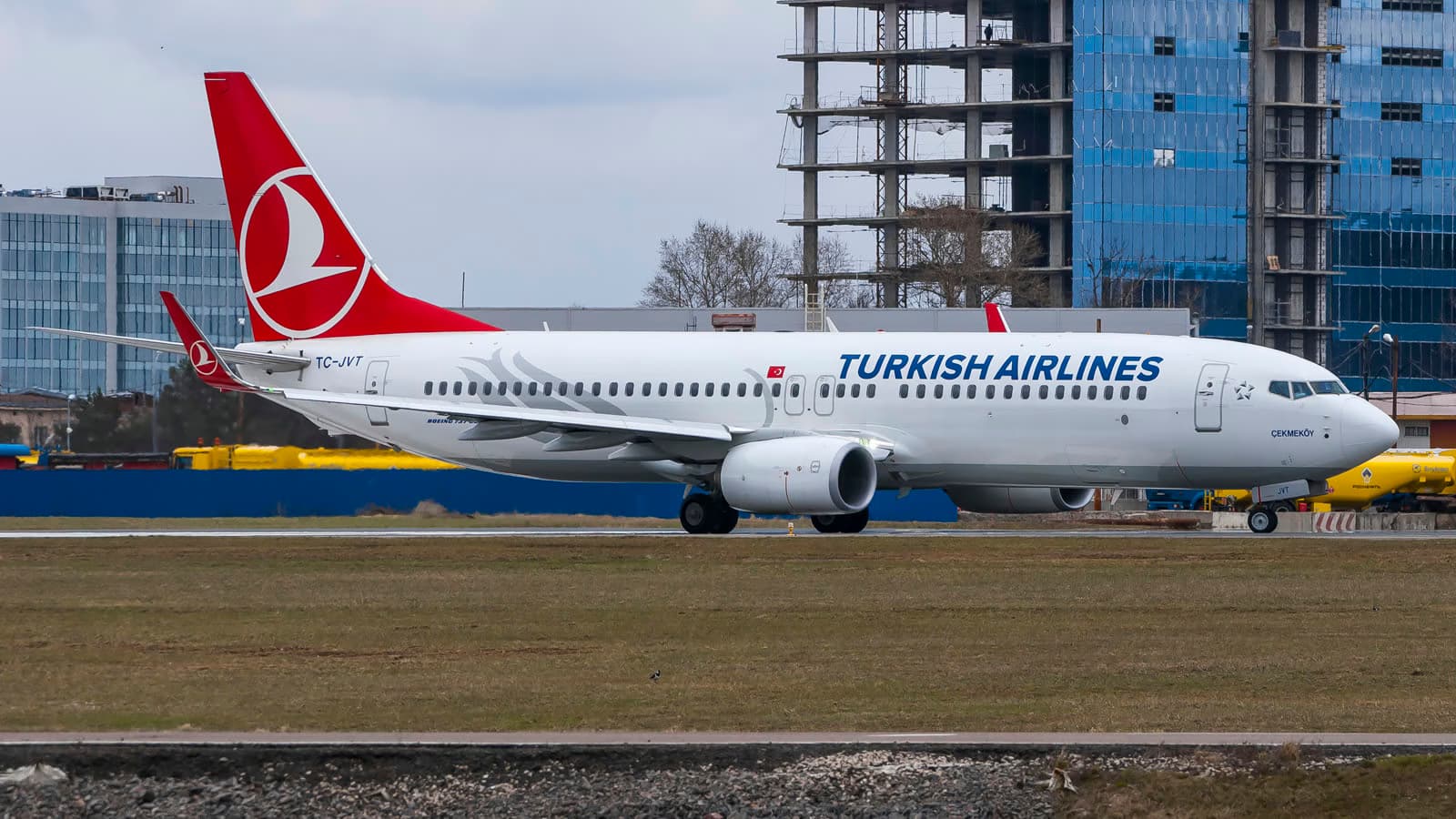
Photo: Wikimedia Commons (archive)
Stay Updated with RuskiGazeta
Subscribe to be informed about special news, developments and announcements. We will keep you informed.
By signing up, you agree to our Privacy Policy