U.S. President Donald Trump is expanding the military escalation after the collapse of a temporary ceasefire agreement reached with Iran a month ago. As Trump seeks to break Iran's control over the vital Strait of Hormuz, there is little indication that a military strategy that has so far failed to extract concessions from Tehran will succeed this time either.
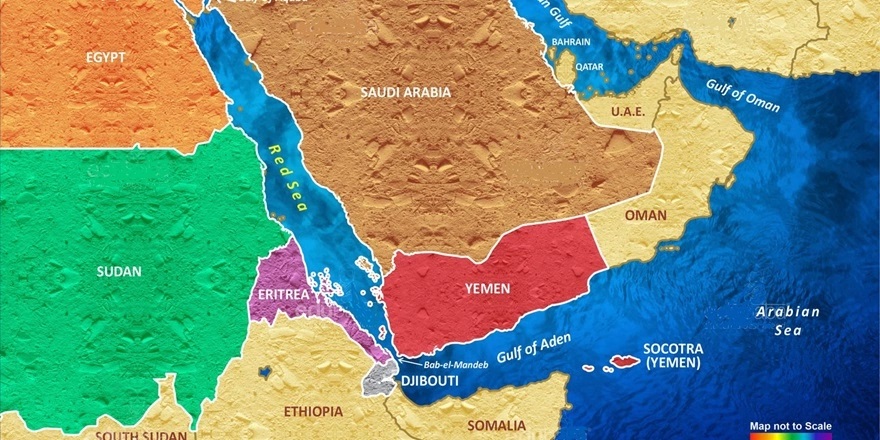
As mutual retaliatory strikes entered their sixth day, Iran signaled that it could direct the Houthis in Yemen to close the Bab el-Mandeb Strait at the entrance to the Red Sea if Washington targets its energy infrastructure. This development poses a new threat to global energy supplies.
Options the US is weighing
In a sign of growing frustration, Trump discussed with his advisers options including striking power plants and bridges, sending ground forces to seize Iran's Kharg Island oil hub, and bombing an underground nuclear-related facility known as Kazma Mountain. The president also publicly voiced some of these options.
Most analysts agree that, short of an extremely dangerous and politically unsustainable ground invasion to topple the Iranian government, a major US escalation is no more likely to force Tehran to change course than previous phases of the nearly four-and-a-half-month war.
Jonathan Panikoff, a former US intelligence officer now at the Atlantic Council think tank, said: "There is no reason to believe that this latest series of attacks, or whatever the president has in mind, will force the Iranians to change their minds," adding, "It will likely only harden their position."
Diplomacy deadlocked, oil markets on edge
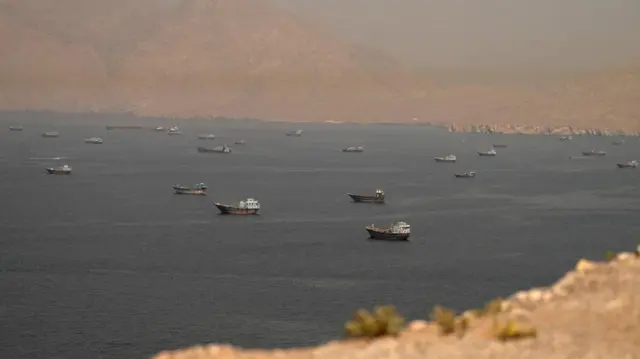
As negotiations aimed at turning the temporary agreement into a permanent peace stalled, global oil prices climbed again and financial markets were jolted. During the war, Iran has shown it can halt a fifth of the world's oil shipments.
Tehran believes it also has a role in managing the waterway, even that it could charge fees or tolls. The US and its Gulf allies insist on a return to free and safe passage. Most experts see little sign that Tehran will offer the concessions Trump seeks.
Iran's resumption of attacks on commercial vessels in recent days—which the White House called a violation of the temporary agreement—triggered the latest US retaliation, including the re-imposition of a blockade on Iranian ports.
Counter-threats from Iran
Tehran is also facing mounting economic pressure after Washington revoked a waiver that allowed Iran to sell oil internationally. That waiver had been one of Iran's biggest gains under the temporary agreement.
Iran, for its part, signaled its readiness to widen the war, warning that it could strike civilian facilities of US allies in the Gulf if Trump presses ahead with the escalation. Tehran still holds significant stockpiles of missiles and drones.
Three US officials told Reuters that the wave of US strikes could serve as "shaping operations," giving Trump more options by targeting Iranian military capabilities that need to be destroyed before taking larger steps.
Danny Citrinowicz, a senior Iran researcher at the Institute for National Security Studies in Israel and a former Israeli military intelligence officer, wrote on X that "no matter how much pressure the administration applies or how many new threats it issues, the Iranian leadership is unlikely to surrender." He added, "If President Trump continues to expand the target list, Tehran is likely to respond in kind."



















