- BIST10011,798+3.22%
- USD49.58+0.05%
- EUR55.62+0.09%
- GOLD4,138.10-0.11%
- INTEREST37.00%-1.00
- BITCOIN82,578-0.44%
- October 21, 202612°
- BIST10011,798+3.22%
- USD49.58+0.05%
- EUR55.62+0.09%
- GOLD4,138.10-0.11%
- INTEREST37.00%-1.00
- BITCOIN82,578-0.44%
- October 21, 202612°
Nikita Sokolov: Myths and Losses of the Great Patriotic War
Historian Nikita Sokolov explained the uncertainties in the Soviet Union's World War II losses and the propaganda effects of the war. Sokolov emphasized the lack of archives and the need for a better understanding of the social impacts of the war.
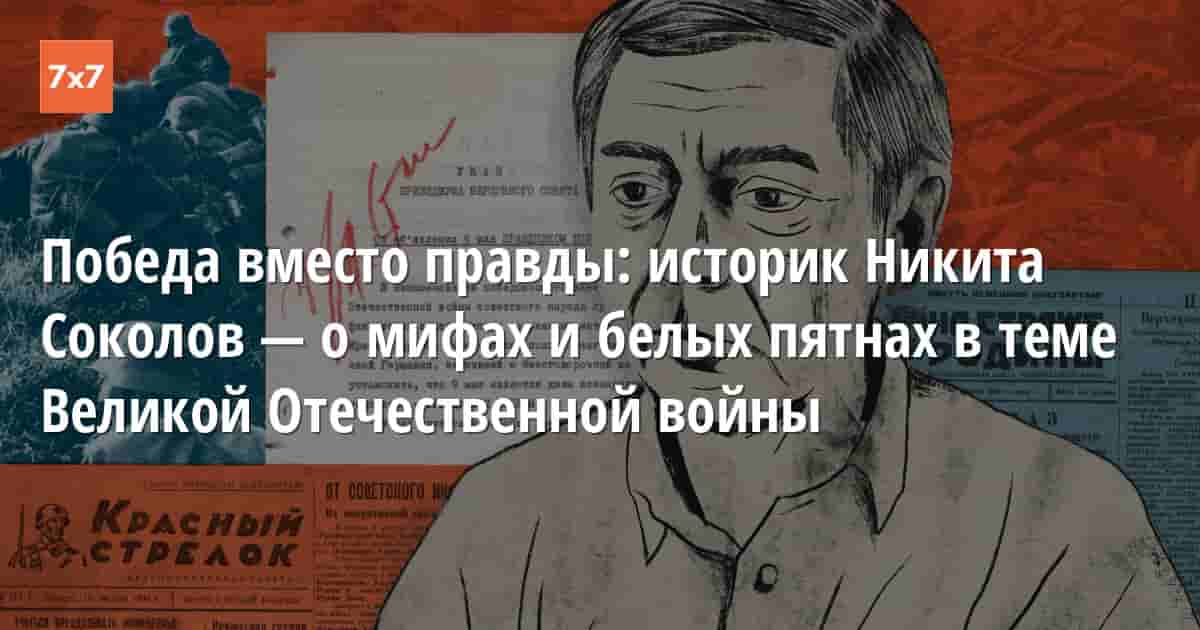
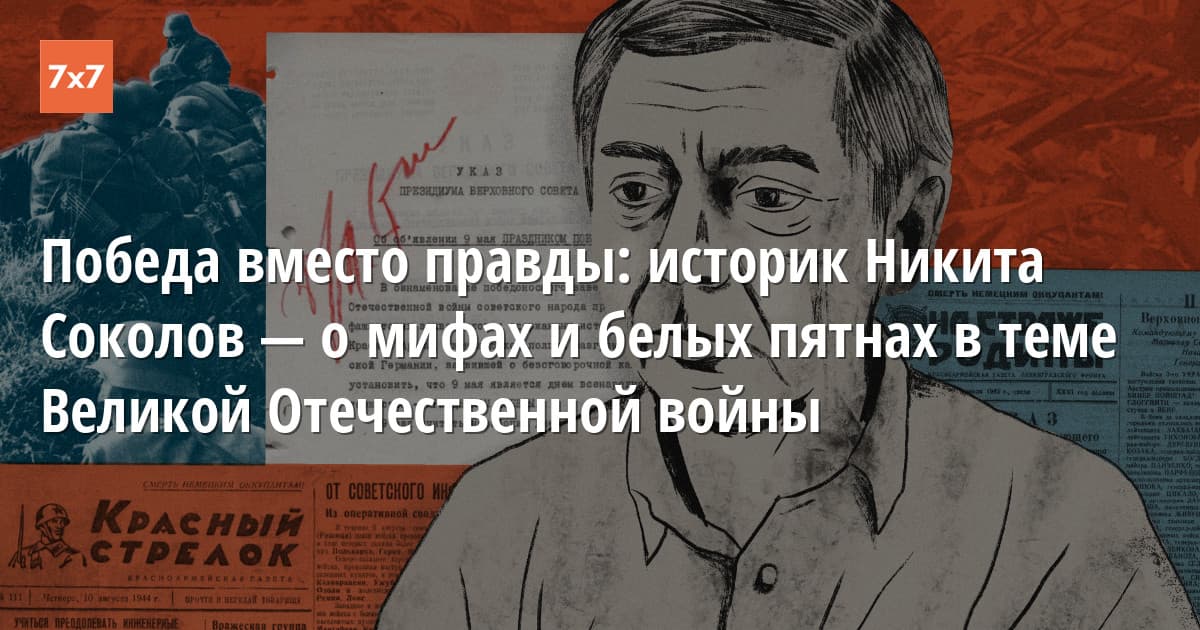
Russian historian Nikita Sokolov made important evaluations on the myths and missing information about the Great Patriotic War. Sokolov stated that the exact figures of the Soviet Union's war losses are unknown, and official statements are generally shaped for political reasons. He expressed that the 7 million loss figure announced by Soviet leader Stalin in 1946 aimed to show the real losses as low under Cold War conditions.
According to Sokolov, it is necessary to distinguish between military and civilian losses. Military loss reports published since 1993 show losses around 8.7 million, while current scientific estimates give military losses as approximately 10.5 million. Civilian losses are estimated between 26.5 and 27 million using demographic methods. However, these figures remain unconfirmed due to the lack and secrecy of archives.
The historian stated that a large part of the war archives is still closed and especially documents from the early periods of the war are missing. He said that opening the archives would allow a better understanding of the social and societal effects of the war, for example, revealing anti-Soviet counter-guerrilla activities and the real attitudes of the people during the war.
Sokolov drew attention to the fact that at the beginning of the war, part of the Soviet people saw Germany as a savior. Among the reasons for this are Soviet propaganda presenting Germany as a friend and the formation of different administrative forms in the regions under German occupation. For example, autonomous structures like the Lokot Republic and the Russian Liberation Army established in Prague in 1944 were cited as examples of this situation.
The historian emphasized that these issues remained taboo for a long time because they contradicted Soviet ideology, but opening the archives and continuing scientific studies are important for revealing the truth. Official statements and the opening of archives are awaited for a full understanding of the historical facts of the war.
Stay Updated with RuskiGazeta
Subscribe to be informed about special news, developments and announcements. We will keep you informed.
By signing up, you agree to our Privacy Policy