- BIST10011,607-0.98%
- USD49.45+0.05%
- EUR55.62+0.37%
- GOLD4,188.40+0.17%
- INTEREST37.00%-1.00
- BITCOIN82,691+0.83%
- October 19, 202617°
- BIST10011,607-0.98%
- USD49.45+0.05%
- EUR55.62+0.37%
- GOLD4,188.40+0.17%
- INTEREST37.00%-1.00
- BITCOIN82,691+0.83%
- October 19, 202617°
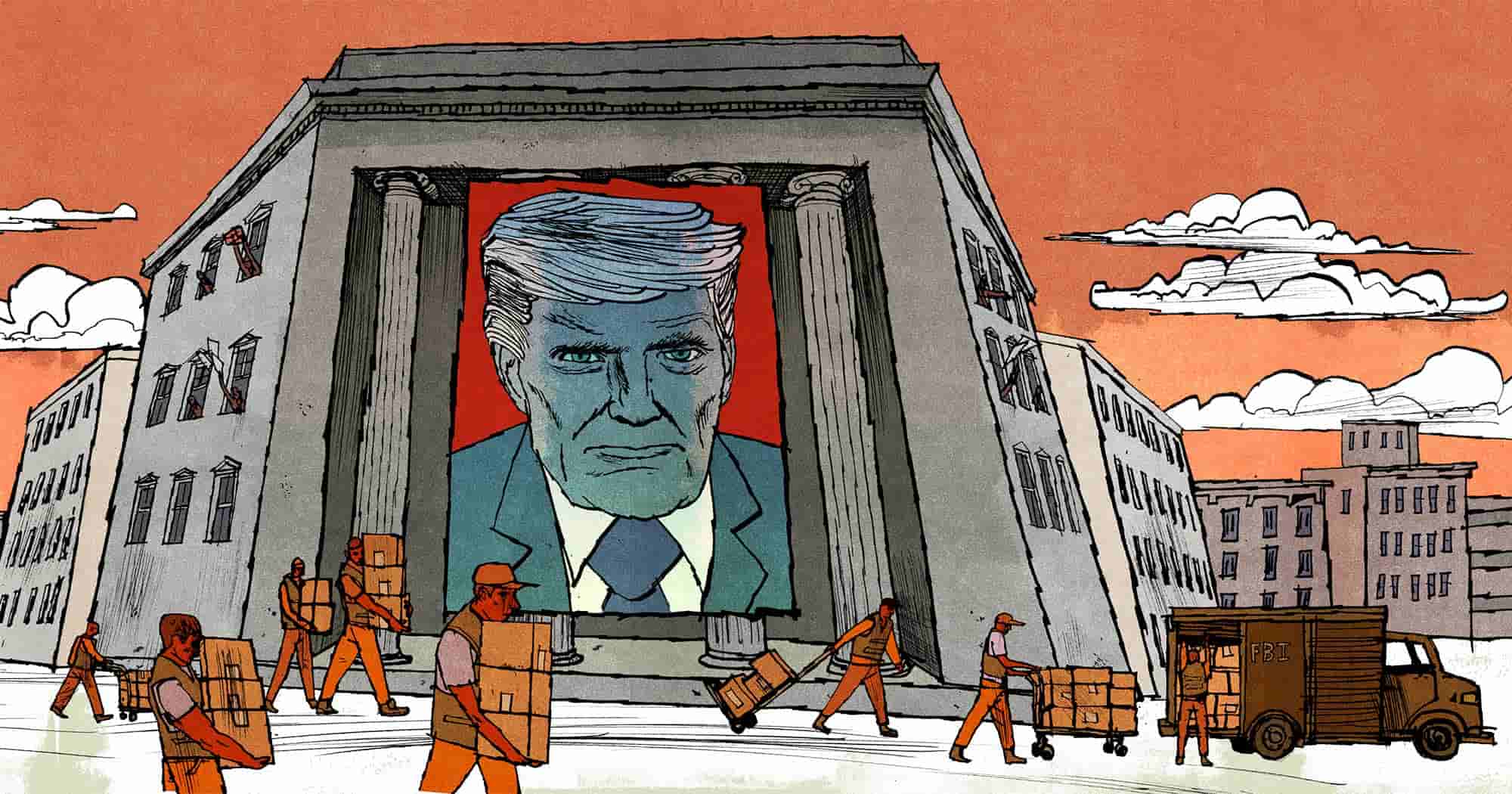
A Critical Turning Point in the American Empire: On NATO and Iran Policies
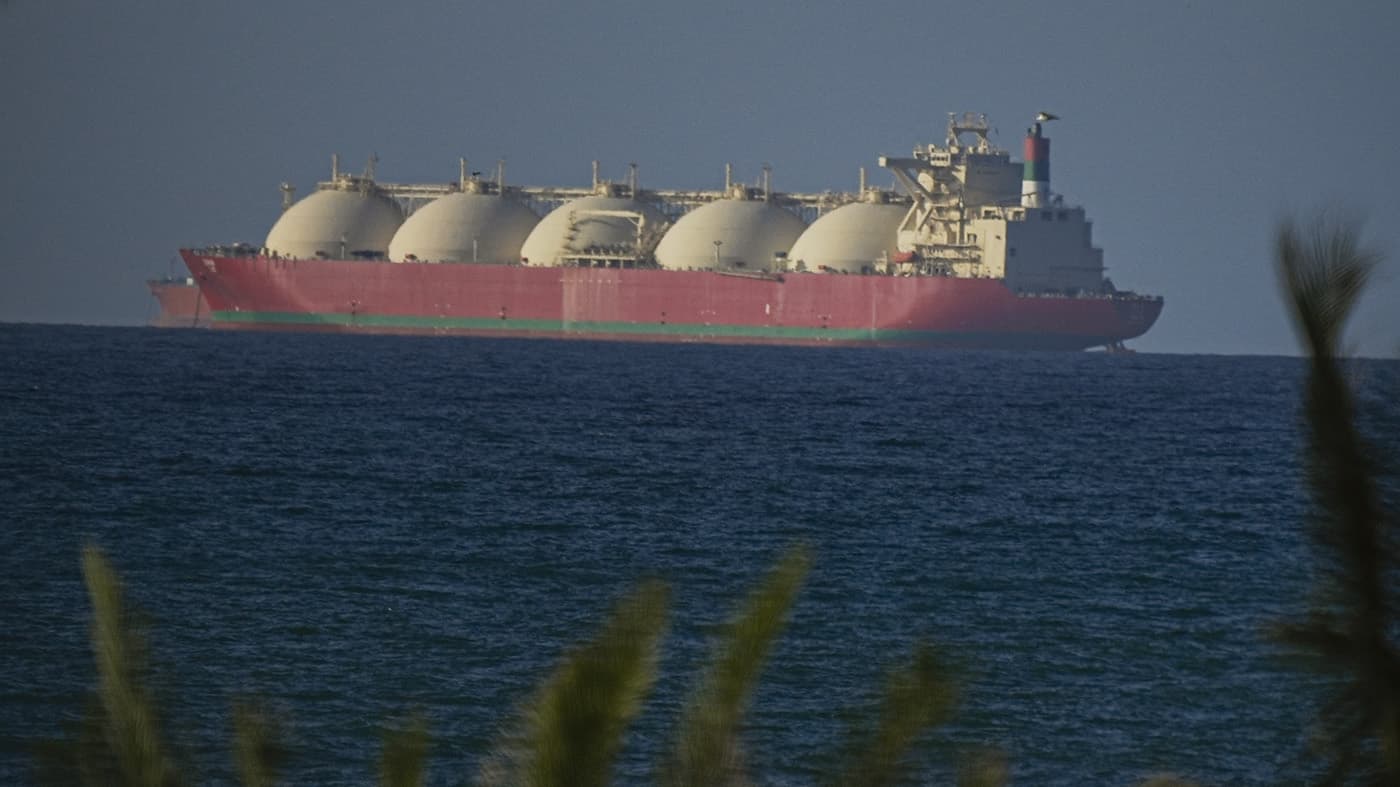
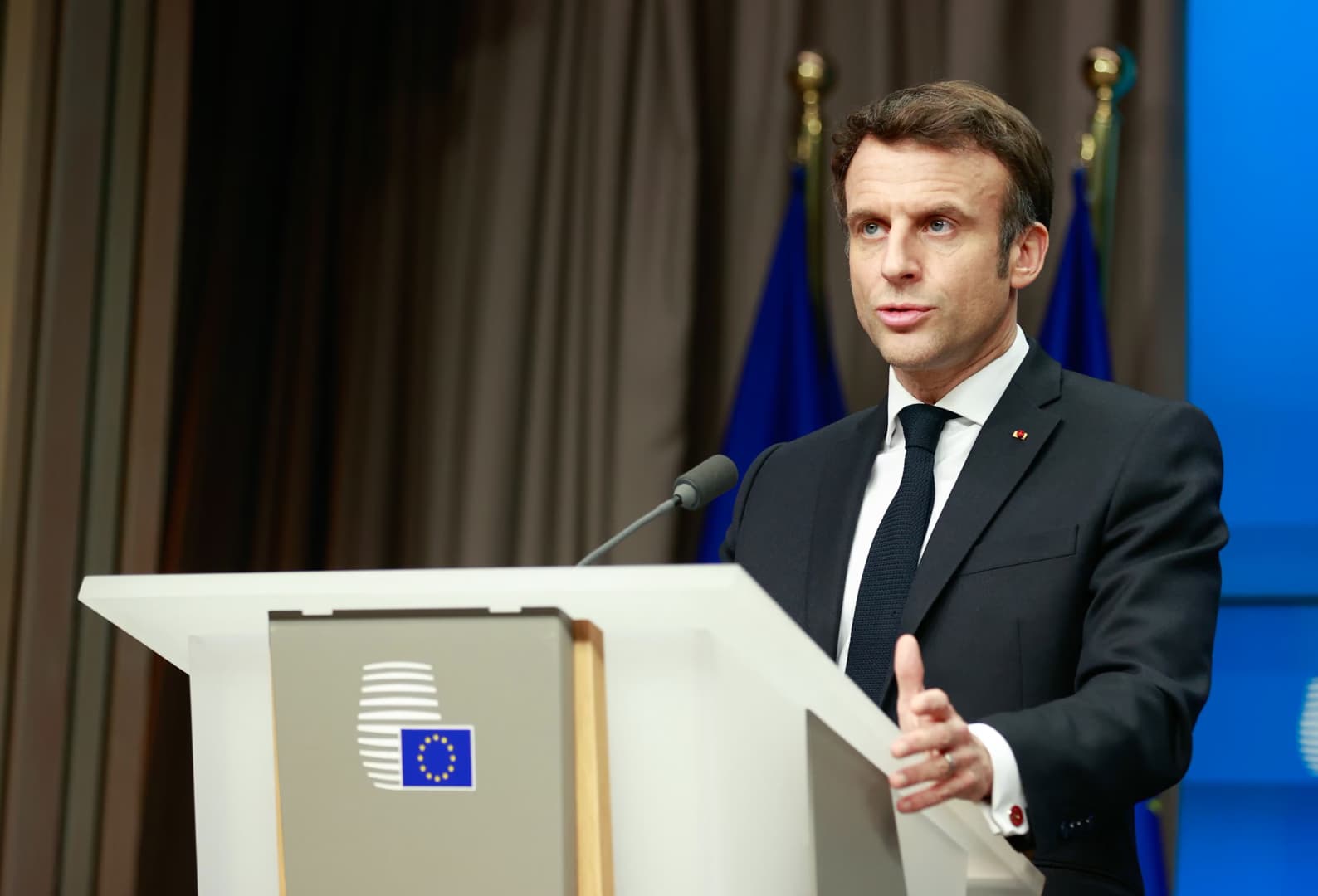
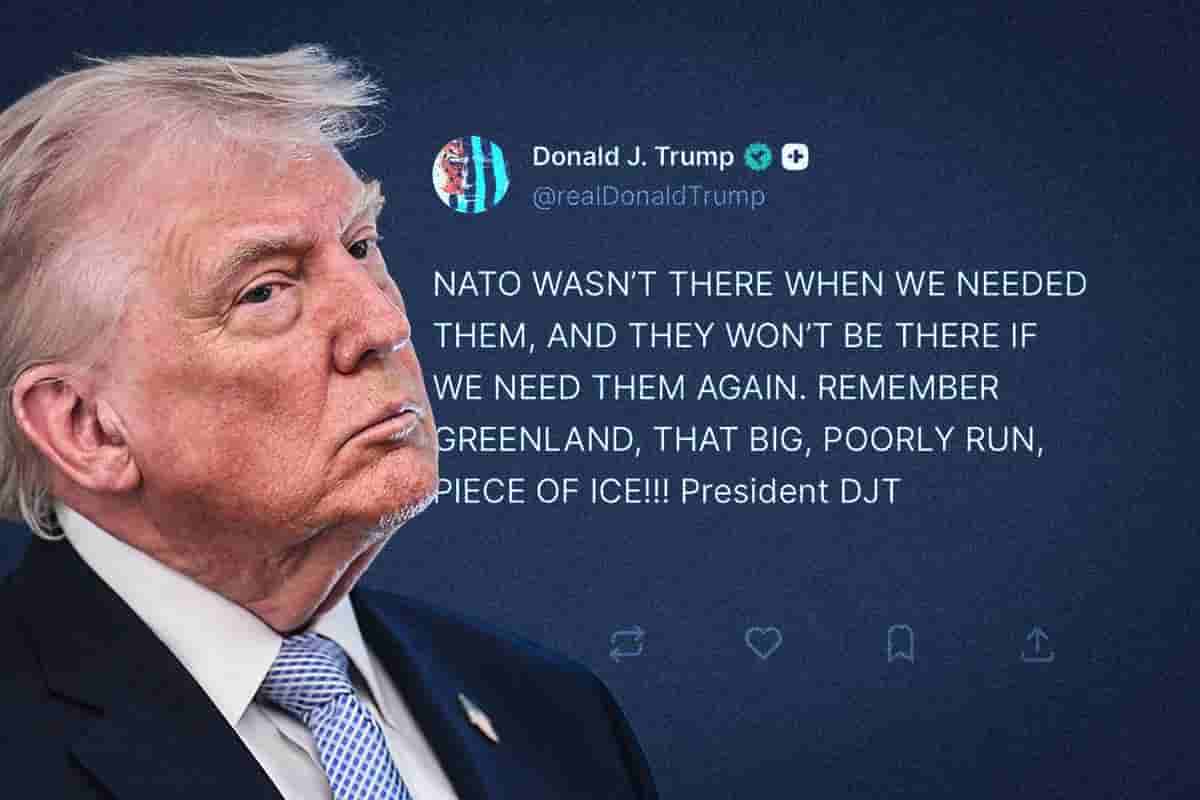
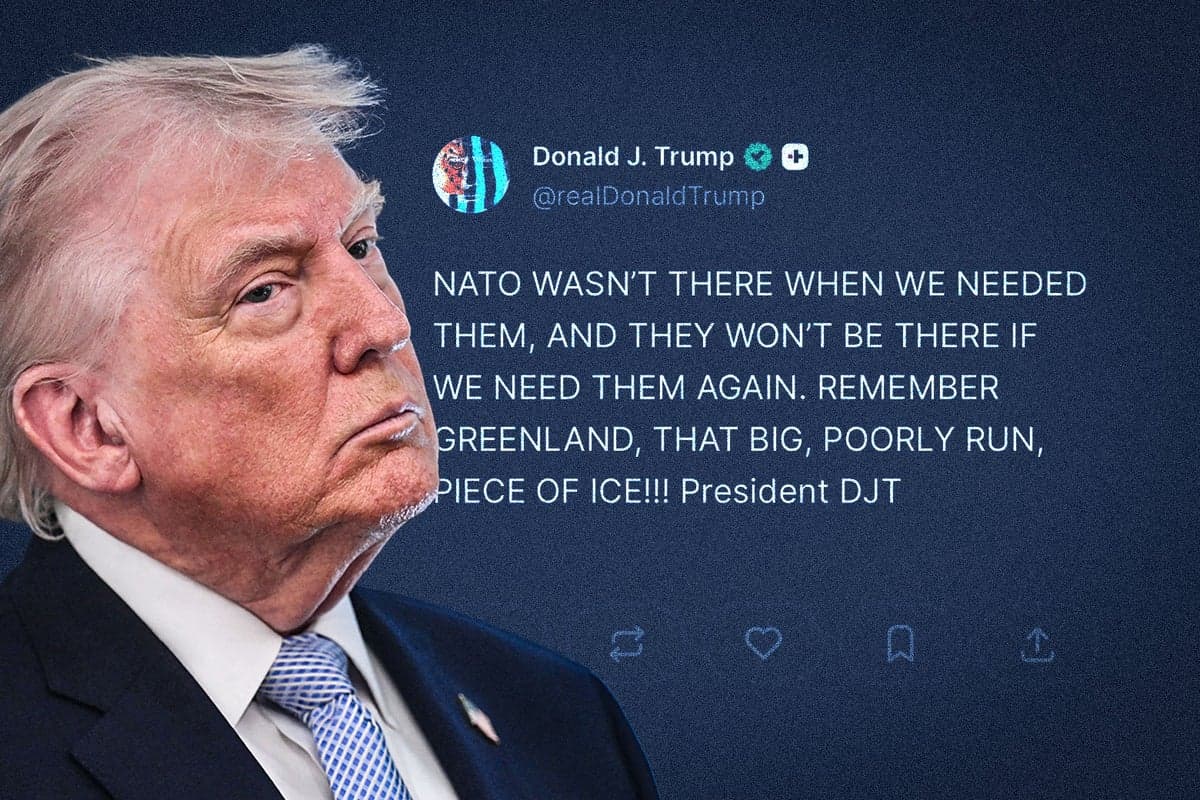
This news covers developments that could be a significant turning point in the US foreign policy. Especially, Donald Trump's war policies against Iran and his failure to gain support from NATO allies are evaluated in the context of the decline of the American empire.
Stay Updated with RuskiGazeta
Subscribe to be informed about special news, developments and announcements. We will keep you informed.
By signing up, you agree to our Privacy Policy