The plenary session in Moscow addressed the importance of preserving the historical legacy of the Battle of Kulikovo for the unity of the peoples of Russia ahead of its upcoming 650th anniversary. Participants said the battle was not merely an event from the past but a shared symbol that should be passed on to future generations.
Yefim Pivovar, scientific director of the Russian State University for the Humanities and an academician of the Russian Academy of Sciences, said forces from different lands and principalities had united and achieved victory in the Battle of Kulikovo. In Pivovar’s view, historical memory should be preserved as the foundation on which new generations will build.
Pivovar said the principle of unity held particular importance during the Year of Unity of the Peoples of Russia. The year is being observed in the Russian Federation under Decree No. 962 of December 25, 2025.
The scholar said passing principles inherited from the past on to new generations was an important responsibility. He noted that the session focused not only on examining the past but also on future generations.
Kulikovo legacy examined through shared history
Kirill Zinkovsky, president of the Scientific-Educational Theological Association, rector of the Moscow Theological Academy and Bishop of Sergiev Posad and Dmitrov, who heads the Trinity Lavra of St. Sergius, also assessed the place of the principle of unity among peoples in Russian history.
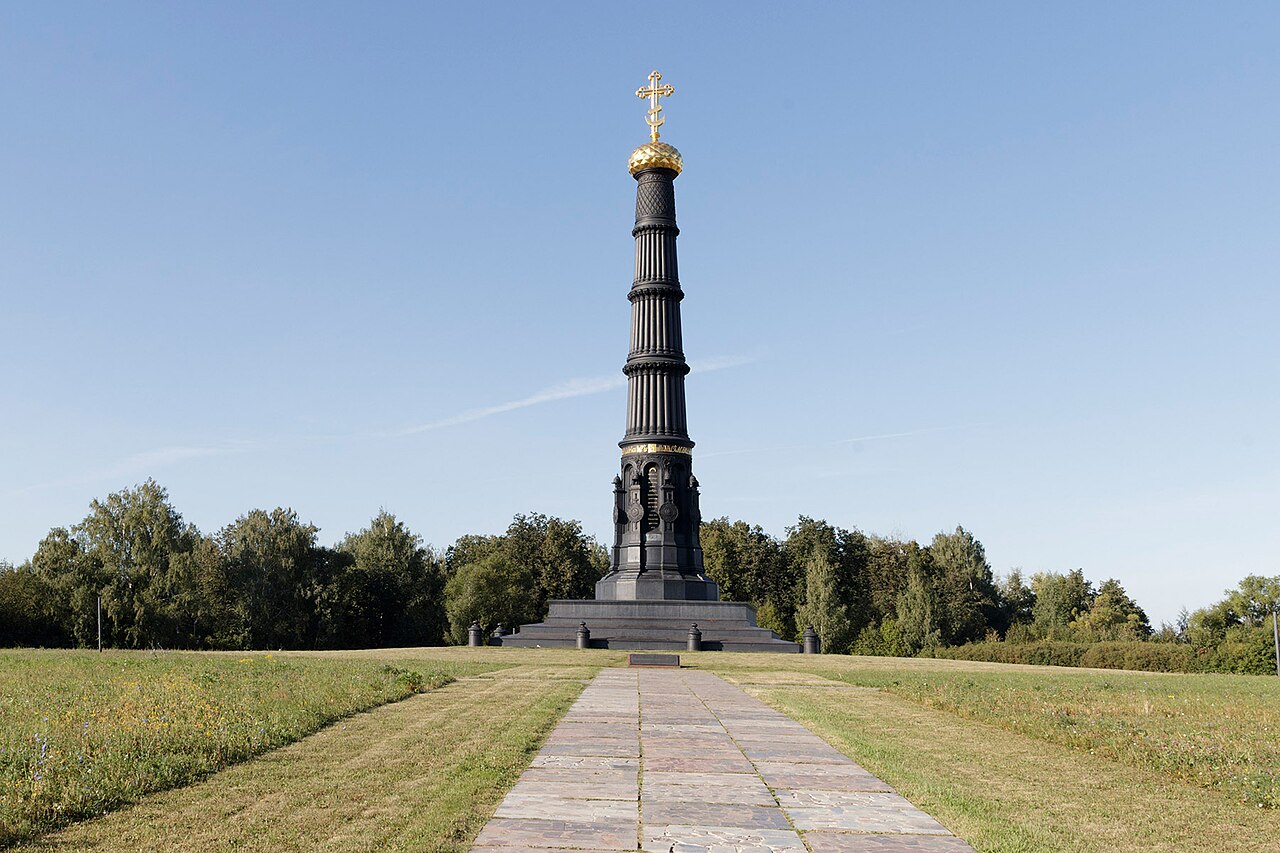
Zinkovsky argued that the Russian world had taken shape on the basis of a synthesis in which different ethnic groups belonged to a common ideological and cultural framework. He said events such as the Battle of Kulikovo were among the elements of this understanding, formed around a shared history and traditions.
Roman Sokolov, deputy rector of Herzen University, said historical narratives about the Battle of Kulikovo and its heroes should be examined in light of scholarly research and archaeological findings.
Sokolov said Nikolay Ivanovich Kostomarov had argued in the 19th century that Dmitry Donskoy hid during the battle. By contrast, he said traces of severe injuries identified on Dmitry Donskoy’s skull disproved that account.
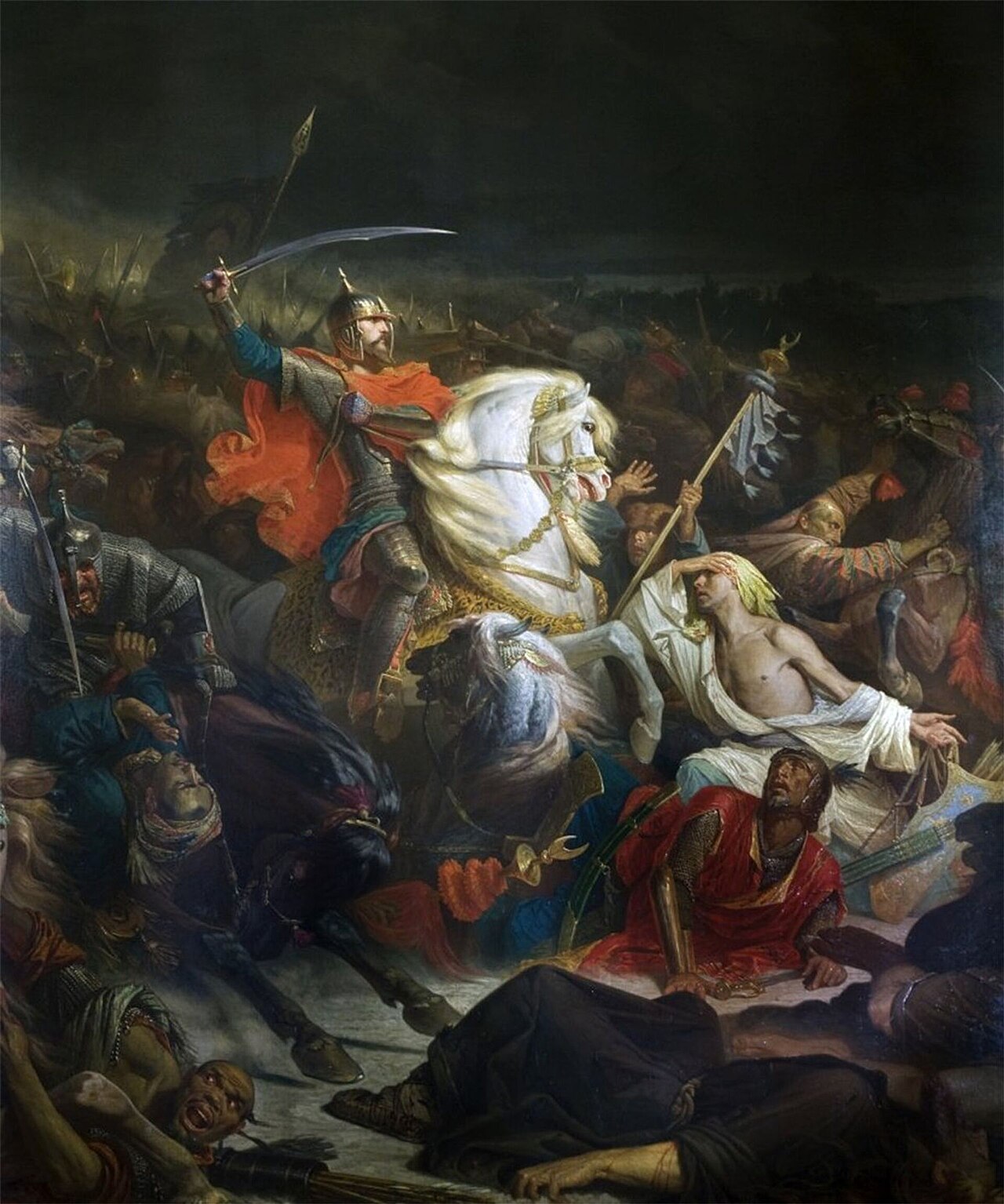
Monuments and religious heritage preserve historical memory
Vera Ivanovskaya, an associate professor at the Moscow Architectural Institute, said sites connected with the Battle of Kulikovo could help preserve historical memory. Ivanovskaya cited the Nikolo-Ugreshsky Monastery, founded by Dmitry Donskoy in 1380, as one example of this legacy.
Ivanovskaya said the monastery was associated with the appearance of an icon of St. Nicholas before the battle and that this tradition carried spiritual significance for the Russian people. Dmitry Donskoy founded the monastery after the battle, and the words attributed to him, meaning “All this warmed my heart,” are among the key expressions preserved in the monastery’s memory.
Mikhail Adamov, an associate professor in the Department of Theology and Religious Studies at Kursk State University, said monuments connected with the battle and other historical testimonies helped preserve memory for centuries.
Adamov said the names and symbols of shared victories had played a unifying role in different periods. He noted that historical memory was kept alive through museums, churches, monuments, literature, art and education, as well as holidays and commemorative days.
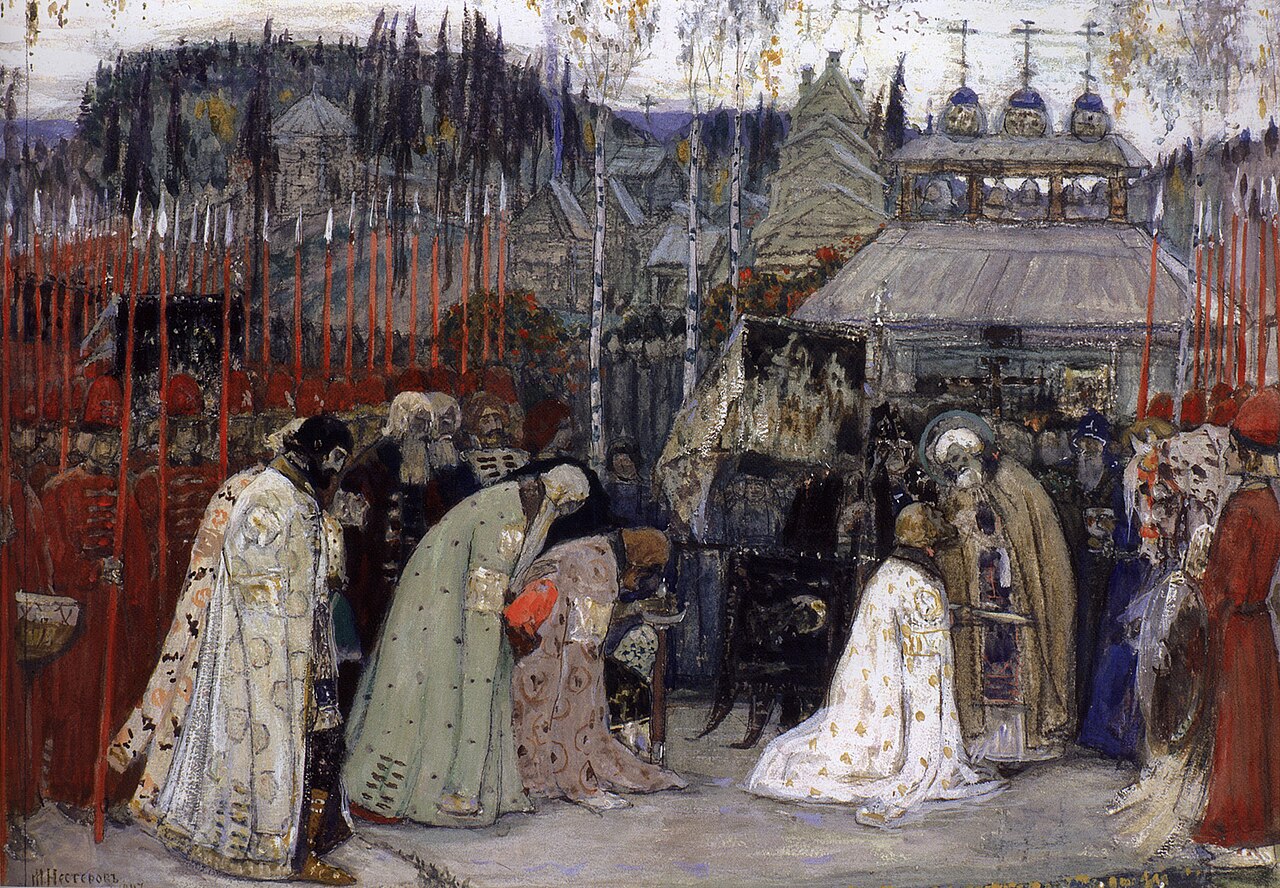
Plenary session held as part of scientific conference
Participants assessed the responsibility of the state, church, academic and educational institutions to preserve the historical legacy of the Battle of Kulikovo. They shared the view that this legacy continued to unite the peoples of Russia and served as a guide for future generations.
The plenary session titled “Unity of the Peoples of Russia: Historical Continuity and Images of Great Victories. Toward the Upcoming 650th Anniversary of the Battle of Kulikovo” was held as part of the 10th All-Russian Scientific Conference in Moscow on October 5–6, 2026.
The conference, titled “Theology in Science and Education: Results of a Decade and Development Prospects,” was organized with the support of the Ministry of Science and Higher Education of Russia, the Ministry of Education of Russia, Rosobrnadzor, the Russian Academy of Education, the Educational Committee of the Russian Orthodox Church and other institutions.

















