- BIST10011,483+1.32%
- USD50.07+0.05%
- EUR55.96-0.52%
- GOLD4,120.00+1.11%
- INTEREST36.00%-1.00
- BITCOIN74,273-0.60%
- November 9, 20264°
- BIST10011,483+1.32%
- USD50.07+0.05%
- EUR55.96-0.52%
- GOLD4,120.00+1.11%
- INTEREST36.00%-1.00
- BITCOIN74,273-0.60%
- November 9, 20264°
Kyiv blackout: Zelenskyy cites grid strikes and inadequate preparedness
Emergency power cuts continue in Kyiv and four Ukrainian regions after a series of Russian strikes on the energy system, disrupting the metro and water supply in the capital. Volodymyr Zelenskyy called Kyiv the most difficult region, citing the intensity of the attacks, damage to the grid and the city’s level of preparedness.
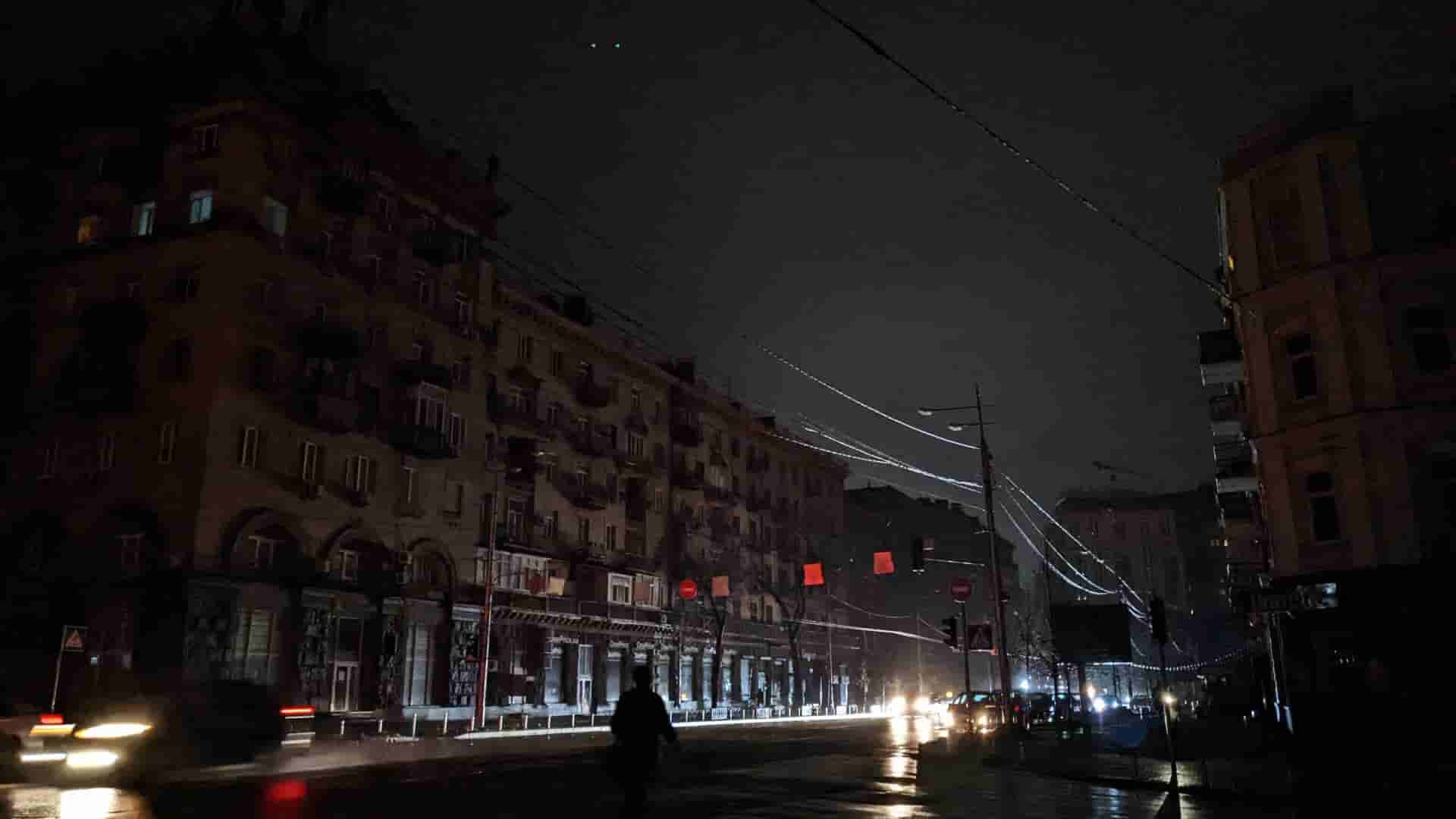
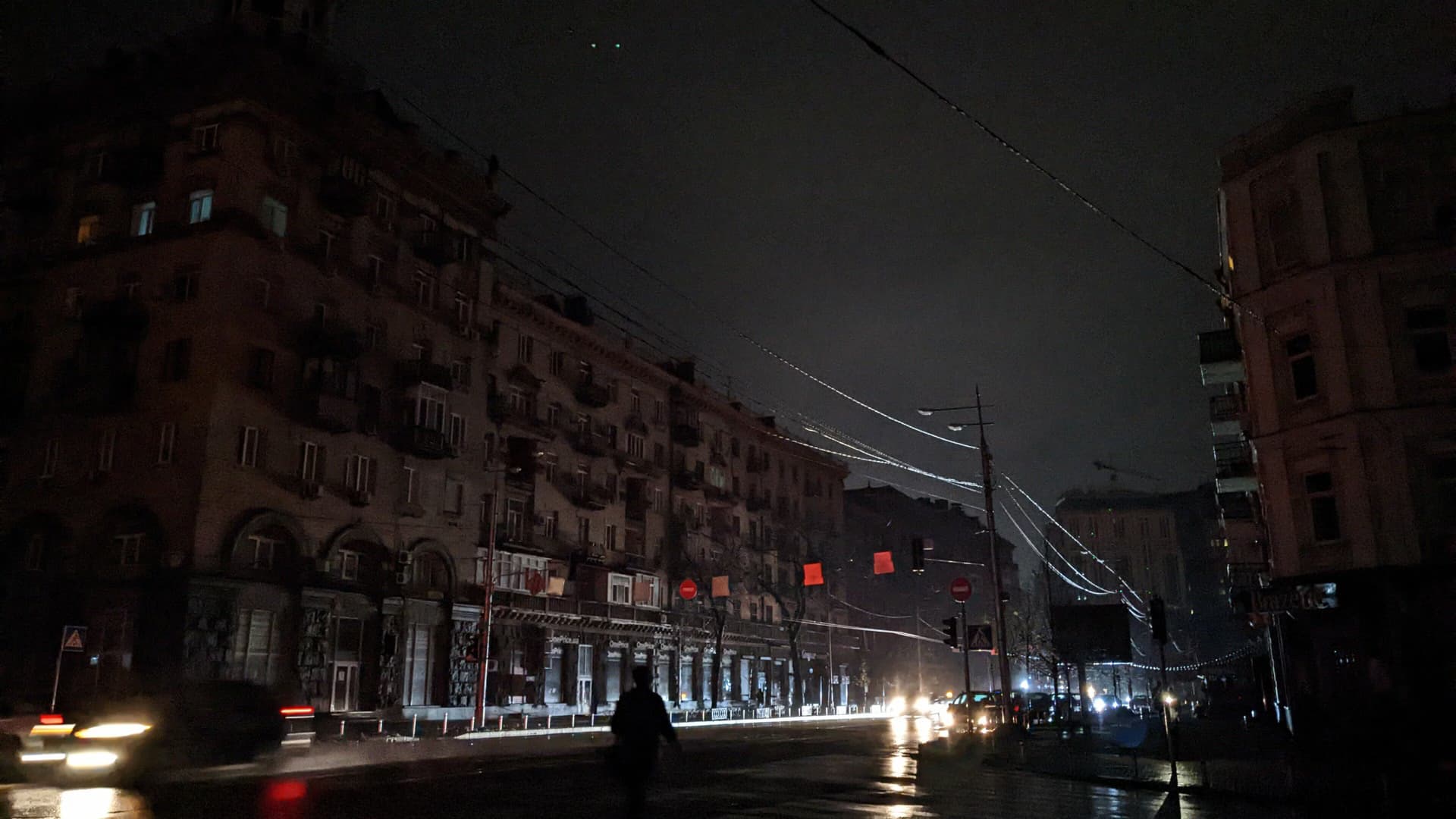
Kyiv has been living under emergency power cuts for several days following a series of Russian strikes on Ukraine’s energy system. On Thursday, November 5, electricity was cut off in parts of the capital’s Sviatoshynskyi, Shevchenkivskyi and Podilskyi districts on the order of NEC Ukrenergo, the Kyiv City Military Administration said, citing DTEK. Emergency cuts mean that scheduled outage timetables do not apply.
Emergency outages were also introduced in the Kyiv, Zhytomyr, Chernihiv and Cherkasy regions. “Emergency outages will be canceled once the situation in the energy system stabilizes,” Ukrenergo said without specifying a timeline. DTEK promised to promptly inform consumers about changes on its Telegram channel.
Footage from Ukrinform shows Kyiv’s residential districts and streets plunged into darkness: the silhouettes of high-rise buildings against the evening sky, the historic center, a pedestrian bridge and unlit parks. Pedestrians walk along darkened sidewalks, while only car headlights and a few windows remain illuminated.
Power disruptions also affected city services. On the afternoon of November 5, the metro’s red line was halted because of “significant voltage fluctuations from external power centers”; service resumed about 40 minutes later with trains running at nine-minute intervals. Water supply was temporarily interrupted across all city districts after Kyivvodokanal facilities were de-energized. The previous day, residents blocked several roads to protest the prolonged lack of electricity.
Zelenskyy cites grid strikes and level of preparedness
In an interview with TSN, Volodymyr Zelenskyy called Kyiv the most difficult region from the standpoint of its energy system. He said two factors determine the situation: the intensity of Russian strikes and the city’s level of preparedness. Even when there is sufficient generation capacity, electricity cannot always be delivered to the capital because of damaged grids. Zelenskyy said Russian forces primarily strike the grid because they understand that many generating facilities in Ukraine are protected.
The president also addressed residents’ road blockade. Afterward, he called the interior minister and learned that too few people were working at the damaged energy facility. “Repairs cannot be carried out at a leisurely pace,” Zelenskyy said, adding that police brought electricians to the site and restored power. He also criticized the management of Kyivvodokanal: “If the management of the water utility needs to be replaced, let them replace it. Saying that we are ready and will work 24/7 is not enough.”
On November 4, Zelenskyy instructed the government and law enforcement agencies to inspect companies that were falling behind on repairs, including electricity, heating and water suppliers, “regardless of their ownership structure.” He attributed delays in restoration work to repeated strikes and constant air-raid alerts. Speaking at the Ibero-American Summit in Madrid on November 5, he said: “Every power plant in Ukraine has been affected by the attacks in one way or another,” and urged allies to provide equipment compatible with Ukraine’s power grid as quickly as possible.
“The planning horizon is one day”
Ukrenergo said on November 3 that Ukraine had suffered one of the largest Russian attacks on its energy sector. According to the Energy Ministry, the strikes targeted power plants, substations and combined heat and power plants in ten regions, while DTEK reported that three thermal power plants had been attacked with dozens of missiles and drones. Kyiv Mayor Vitali Klitschko said facilities in the Kyiv regional energy hub had been damaged and wrote on November 5 that, given the intensity of the attacks, the restoration, operation and even continued existence of key energy facilities were “a matter of serious doubt.”
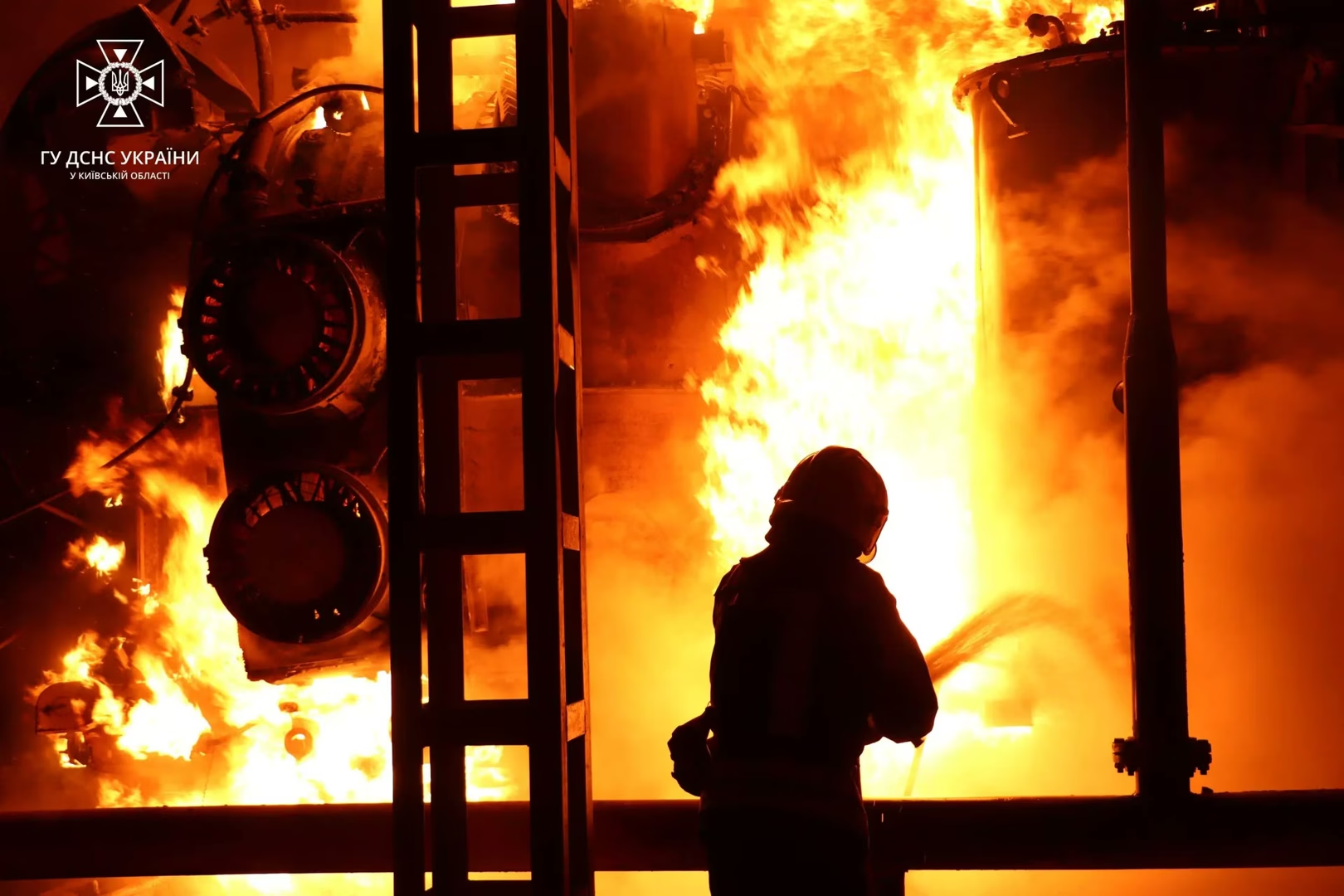
Oleksiy Kucherenko, first deputy chairman of the Verkhovna Rada’s relevant committee, told the Telegraf newspaper that “all key substations around Kyiv, within the Kyiv ring, have suffered very serious damage without exception.” “Energy workers now have a planning horizon of one day,” he added, warning that scheduled and emergency outages would continue.
Russia’s Defense Ministry’s position
Russia’s Defense Ministry describes strikes on Ukraine’s energy infrastructure as attacks on facilities used in the interests of the Armed Forces of Ukraine. On November 4, the ministry said drones had hit two electrical substations in the Kyiv and Zhytomyr regions. Its November 5 briefing said that “energy and transport infrastructure facilities used by the Armed Forces of Ukraine,” as well as ammunition depots and temporary deployment sites in 145 areas, had been hit. The ministry separately mentioned a 330-kilovolt electrical substation in the Dnipropetrovsk region and a production building at Kharkiv’s CHP-2.
Neither Ukrenergo nor DTEK has yet provided a timeline for Kyiv’s return to its usual outage schedules.
Video: Ukrinform / social media. Photo: Bektour; State Emergency Service of Ukraine / Wikimedia Commons (CC BY 4.0), archive
Stay Updated with RuskiGazeta
Subscribe to be informed about special news, developments and announcements. We will keep you informed.
By signing up, you agree to our Privacy Policy