- BIST10011,675-1.04%
- USD49.58+0.05%
- EUR55.62+0.09%
- GOLD4,132.60-0.24%
- INTEREST37.00%-1.00
- BITCOIN83,202+0.32%
- October 21, 202620°
- BIST10011,675-1.04%
- USD49.58+0.05%
- EUR55.62+0.09%
- GOLD4,132.60-0.24%
- INTEREST37.00%-1.00
- BITCOIN83,202+0.32%
- October 21, 202620°
Kosmos 2612 closes in on ICEYE satellite whose imagery Ukraine relies on
Russia's Kosmos 2612 spent weeks closing in on the US-registered radar satellite ICEYE-X36 and passed within a few hundred meters of it on Oct. 19. Specialists describe it as a rare uncoordinated proximity operation in low Earth orbit.
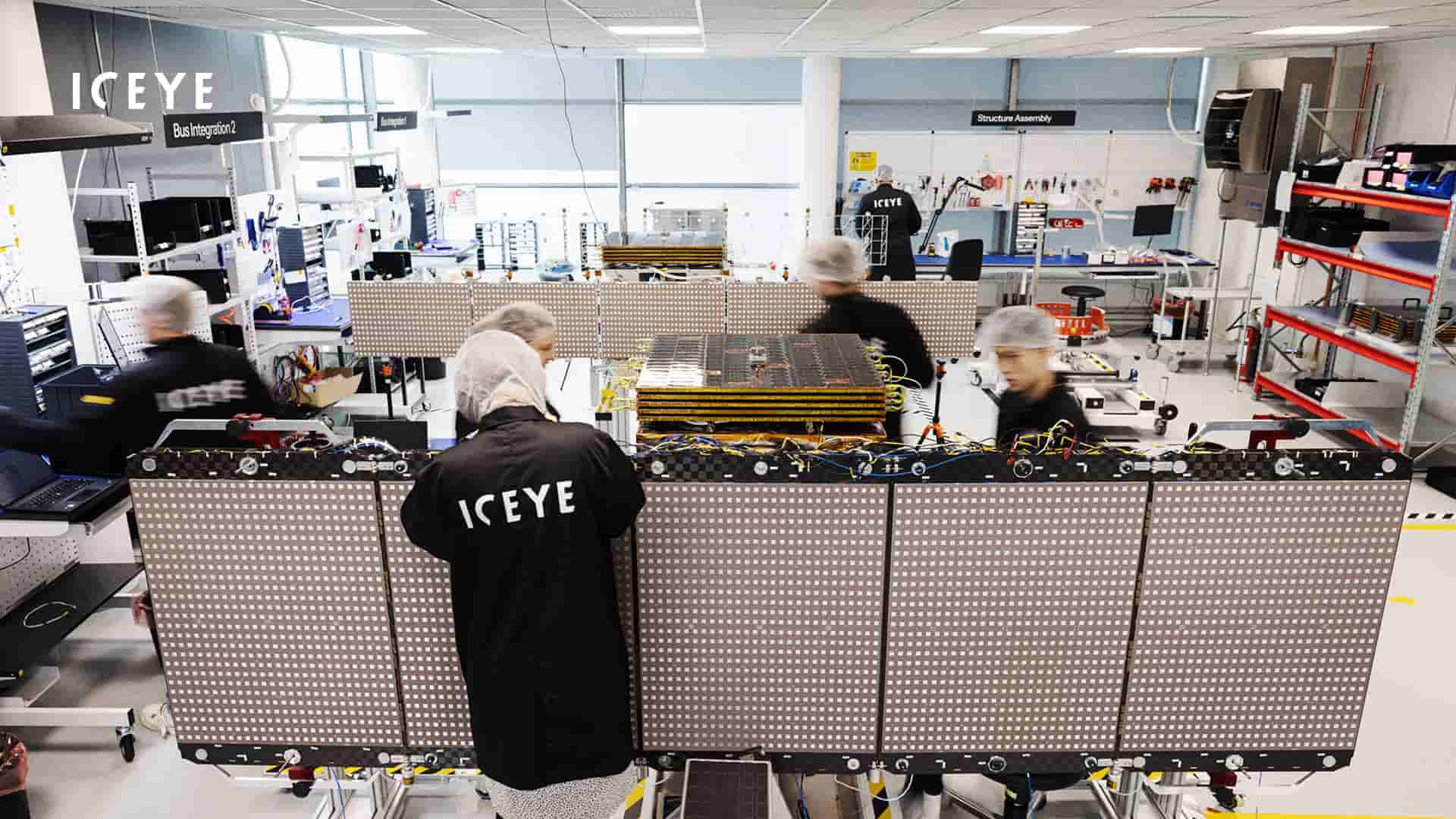
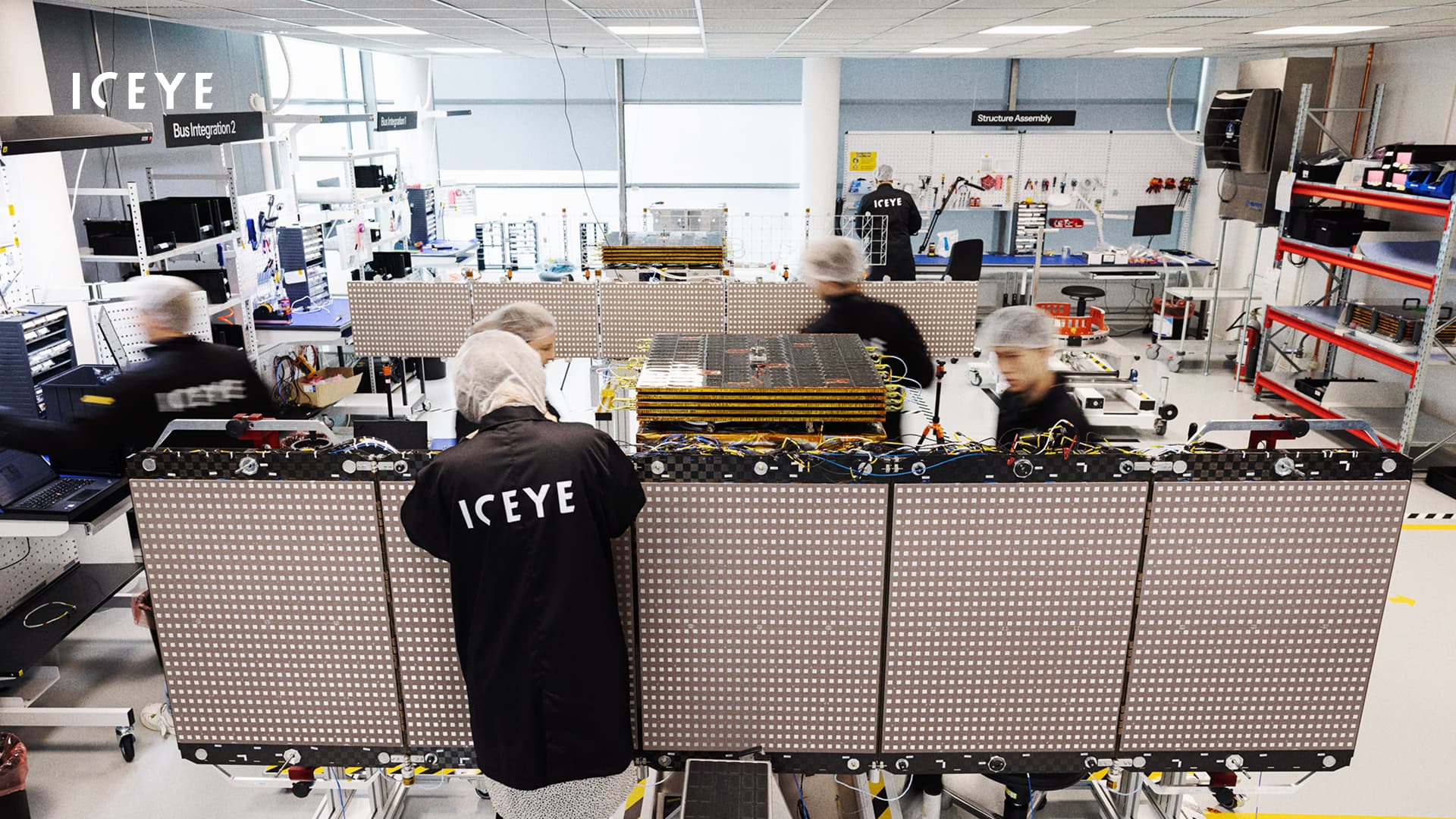
The Russian satellite Kosmos 2612 came extremely close to ICEYE-X36, a commercial radar satellite registered in the United States, on Oct. 19. LeoLabs, a company that tracks objects in orbit, said with high confidence that the two spacecraft came within about 500 meters of each other, while data from public tracking services pointed to an even tighter pass of around 26 meters. The defense news site The War Zone first reported the details.
The approach was no accident. According to Clayton Swope and Chantal Li of the Washington-based Center for Strategic and International Studies (CSIS), Kosmos 2612 carried out a series of maneuvers starting Sept. 30 that placed it in the same orbital plane as ICEYE-X36 and at nearly the same altitude. Astrophysicist Jonathan McDowell noted that after an Oct. 16 maneuver the Russian craft stayed within 5 kilometers of the satellite, calling it the first known low-orbit rendezvous of two active satellites carried out without the consent of one owner.
Approach, circling and departure
LeoLabs described the operation as a chain of controlled steps: Kosmos 2612 approached from hundreds of kilometers away, moved around ICEYE-X36, lingered nearby, made several small adjustments and then pulled away. The latest observations show the two objects drifting apart and the close-proximity phase over. The company stressed that the episode does not by itself prove hostile intent, but said it demonstrates capabilities for intelligence gathering, inspection, coercion and interference with other satellites.
LeoLabs vice president Adam Marsh told Breaking Defense it was the most advanced and potentially dangerous uncooperative approach the company had seen.

Why ICEYE
Founded in Finland, ICEYE operates synthetic aperture radar (SAR) satellites that can produce images day or night and through clouds or smoke. Ukraine has used ICEYE imagery for years, including for targeting. ICEYE-X36 was launched in 2024, and earlier reports suggested it may operate directly for the Ukrainian government, though that has never been officially confirmed. ICEYE's US division said it was tracking the situation closely and that its constellation is built to keep working without interruption.
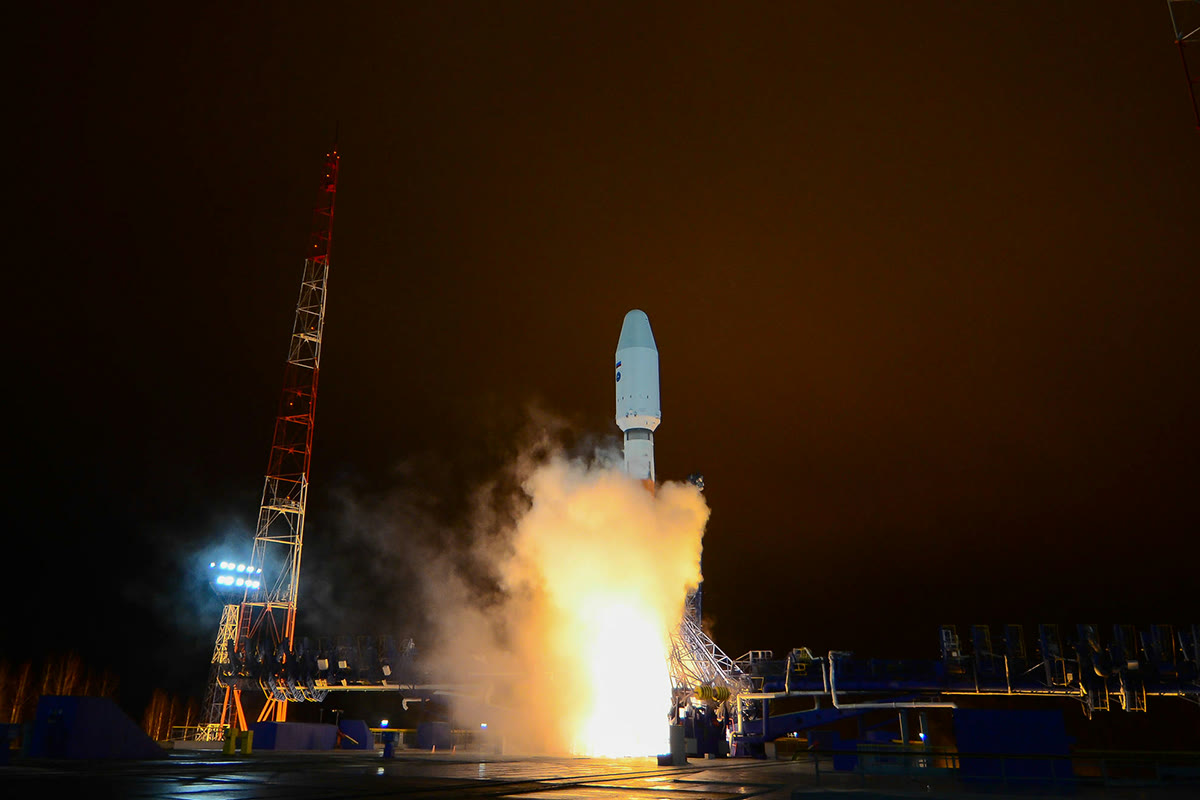
Kosmos 2612 is one of six satellites, Kosmos 2609 through Kosmos 2614, launched in April on a Soyuz-2.1b rocket from the Plesetsk Cosmodrome. Their mission has not been disclosed, but specialists see them as so-called inspector satellites able to maneuver near other objects. Three of them already passed close to ICEYE-X36 in May. ICEYE CEO Rafal Modrzewski previously told Reuters that the company moved its satellite, after which the Russian craft changed their orbits again.
A similar episode occurred in 2020, when Kosmos 2542 trailed the US reconnaissance satellite USA 245. Swope said the purpose of the latest operation is a matter of speculation and could range from simple intimidation to the destruction or sabotage of a US-registered satellite.
Stay Updated with RuskiGazeta
Subscribe to be informed about special news, developments and announcements. We will keep you informed.
By signing up, you agree to our Privacy Policy