- BIST10010,760-3.63%
- USD49.86+0.15%
- EUR55.82+0.52%
- GOLD3,898.90-3.29%
- INTEREST36.00%-1.00
- BITCOIN77,408-0.04%
- November 1, 202614°
- BIST10010,760-3.63%
- USD49.86+0.15%
- EUR55.82+0.52%
- GOLD3,898.90-3.29%
- INTEREST36.00%-1.00
- BITCOIN77,408-0.04%
- November 1, 202614°
Japanese journalist Yuki Imai arrested in Russia on espionage charges
Japanese journalist Yuki Imai was arrested on espionage charges and sent to Moscow’s Lefortovo Prison after a raid on his hotel room in Sakhalin. Imai faces up to 20 years in prison, while Japan has called for his release and fair treatment.


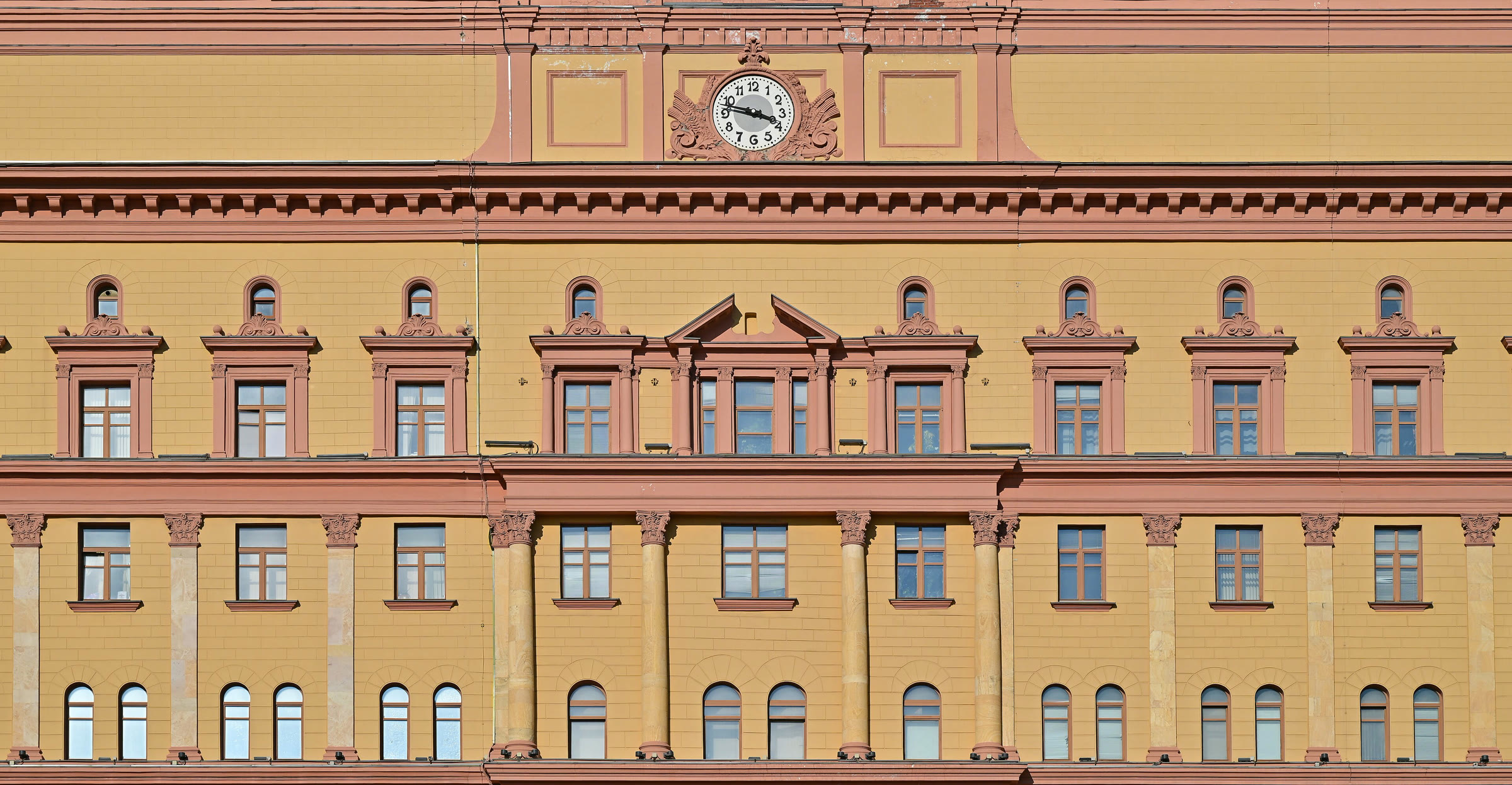
Japanese journalist Yuki Imai was arrested on espionage charges after being detained on Sakhalin Island in Russia’s Far East. Sent to Moscow’s Lefortovo Prison, Imai could face up to 20 years in prison if convicted.
The detention took place in a hotel room in Yuzhno-Sakhalinsk, Sakhalin’s largest city. A masked group entered the room and forced Imai to the ground; the group was identified as officers from Russia’s Federal Security Service (FSB).
Reports on North Korean workers in Sakhalin
Imai’s latest report from Russia examined the increase in the number of North Korean workers in the country. The journalist wrote that a North Korean worker in Sakhalin asked him for a cigarette, that some workers sang Soviet-era songs in a restaurant and that one bought jewelry at a shopping mall.
Imai noted that Japan has no diplomatic relations with North Korea and said he was observing in Sakhalin a community he had never had the opportunity to encounter directly in his own country. North Korean workers were among the groups disadvantaged by working conditions in Russia, while North Korea’s connection to the war in Ukraine was also discussed.
The 34-year-old journalist covered Russia’s Far East policy, its relations with North Korea, developments in the defense sector and military drone production in Sakhalin. It is not known which of Imai’s reports led to his arrest.
The Kuril Islands dispute and Imai’s newspaper
Imai worked for Hokkaido Shimbun, a newspaper published on Japan’s Hokkaido Island. The newspaper closely follows the region because Hokkaido is near Russia’s mainland and the disputed Kuril Islands, while also devoting extensive coverage to Russia and relations between the two countries.
Russia and Japan claimed rights to some territories in the Far East during the 19th and 20th centuries. The dispute over control of the four southernmost islands of the Southern Kurils has prevented the two countries from signing a peace treaty formally ending World War II.
Imai’s reports also covered the construction of a disputed war memorial in the Kuril Islands and the demolition of a health center built with funding from the Japanese government that was later left unused.
Imai’s family ties to Sakhalin
The journalist linked his interest in Russia’s Far East to his family history. Imai wrote that his grandfather had lived in the city of Kholmsk on Sakhalin before World War II and that he therefore visited the city about a decade ago.
Imai noted that the city was known as Maoka before the war and described seeing the remains of a former Japanese paper mill. During his visit to the area after the mill was demolished, he said he felt that part of the city’s history had disappeared.
Tokyo calls for his release
Hokkaido Shimbun said it was continuing to gather information about the charges against its journalist but provided no details. An open letter signed by Editor-in-Chief Takeshi Yamamoto said the newspaper’s priority was ensuring Imai’s safety.
Japan’s Foreign Ministry called on Russia to release the journalist and provide him with humane, fair and impartial treatment without naming Imai. Officials from Japan’s embassy in Moscow also met with Imai after contact with him had been suspended for about two weeks.
Japanese officials have generally preferred to handle cases involving citizens detained abroad behind the scenes rather than make strong public statements. International relations professor James D. J. Brown argued that this approach could make Imai’s situation less visible and increase similar risks.
Political links to the arrest under debate
Brown suggested that Imai could eventually become part of a multinational prisoner exchange. He said Russia could use the journalist to increase pressure on Japan and that relations between Moscow and Tokyo had deteriorated because of Japan’s security policies and support for Ukraine.
The sources of this tension include Japan hosting U.S.-made Typhon intermediate-range missiles, contributing to weapons financing for Ukraine through a NATO initiative and Japanese companies beginning to do business with the Ukrainian military. The legal outcome of the charges against Imai and any link between the arrest and these developments remain unclear.
Stay Updated with RuskiGazeta
Subscribe to be informed about special news, developments and announcements. We will keep you informed.
By signing up, you agree to our Privacy Policy