- BIST10010,760-3.63%
- USD49.86+0.15%
- EUR55.82+0.52%
- GOLD3,898.90-3.29%
- INTEREST36.00%-1.00
- BITCOIN77,643+0.26%
- November 1, 202614°
- BIST10010,760-3.63%
- USD49.86+0.15%
- EUR55.82+0.52%
- GOLD3,898.90-3.29%
- INTEREST36.00%-1.00
- BITCOIN77,643+0.26%
- November 1, 202614°
Israel election polls: Eisenkot bloc leads without majority
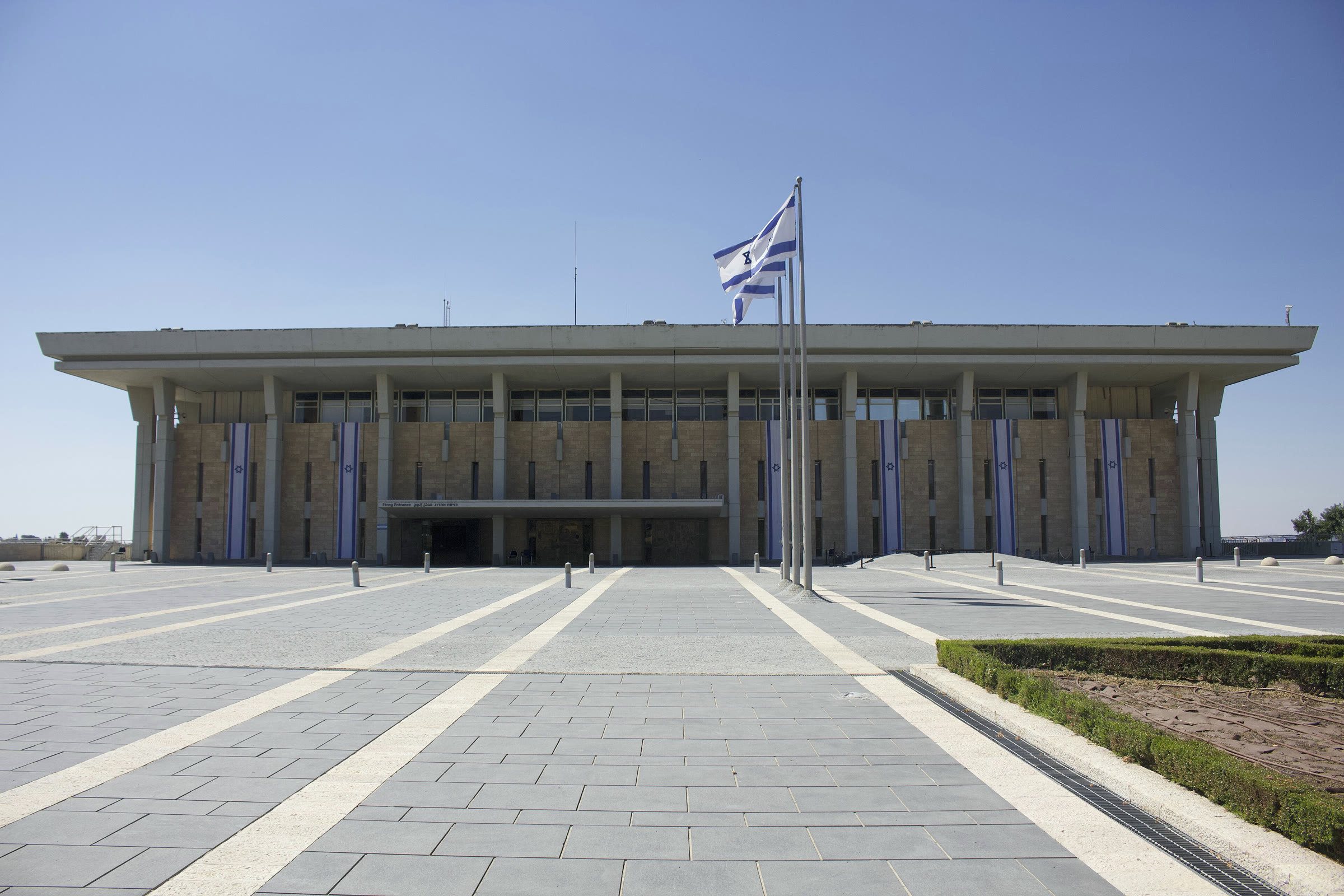
The latest polls ahead of the October 27 Knesset election show the opposition bloc led by Gadi Eisenkot ahead of Benjamin Netanyahu’s camp, but neither side is winning the 61 seats needed for a majority.
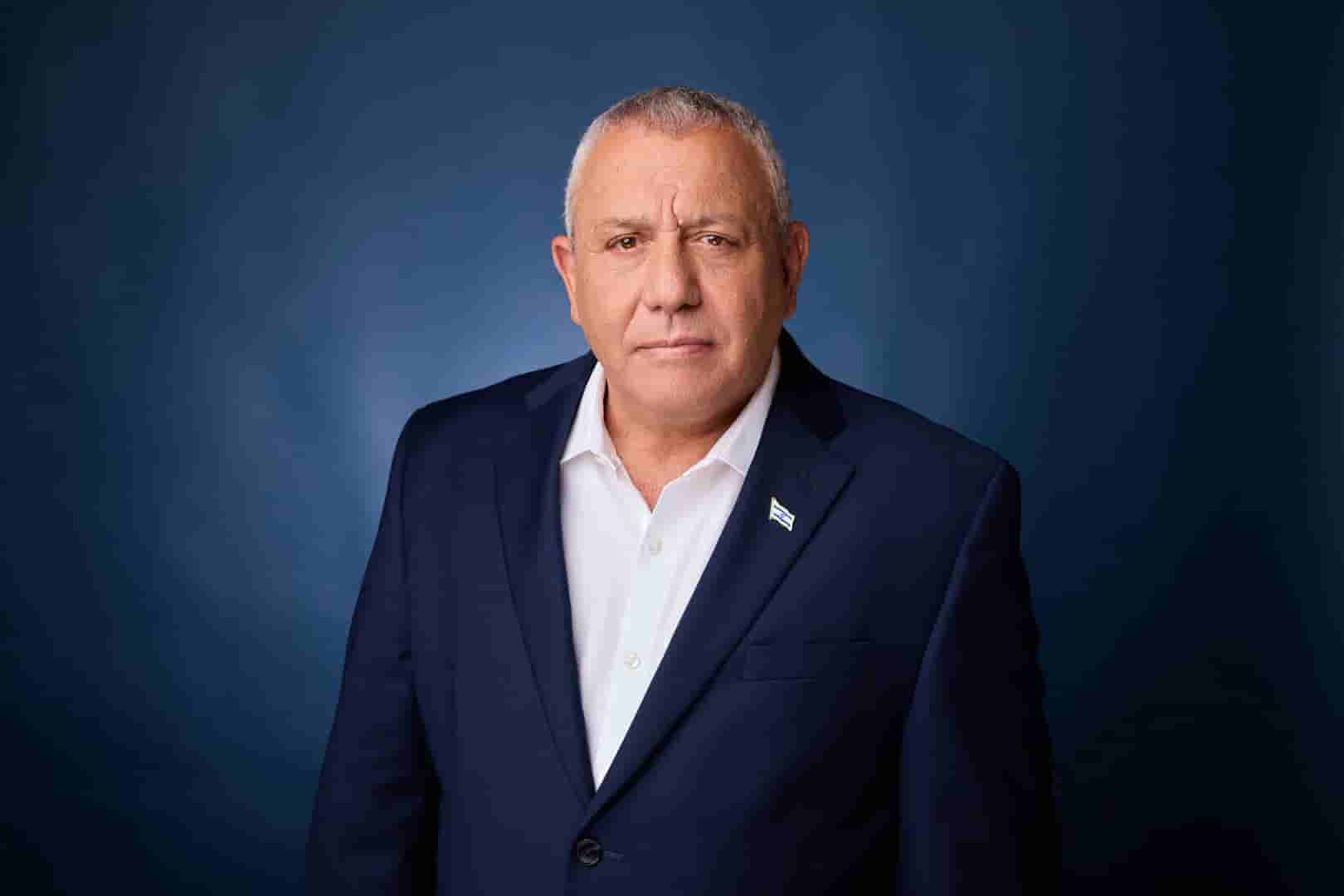
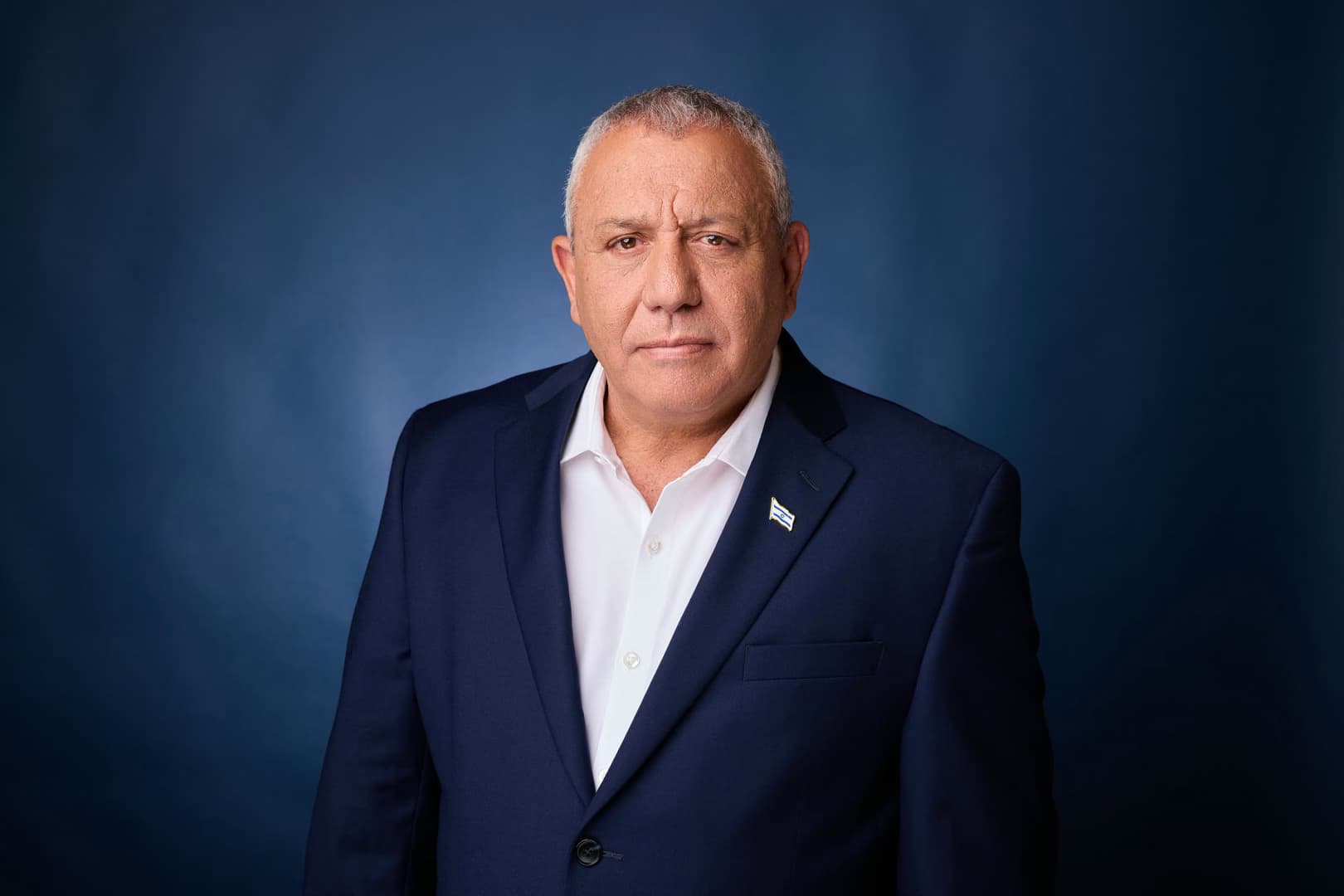
Two days before the Knesset election on October 27, the latest polls by Israeli media show an advantage for the opposition bloc led by Gadi Eisenkot, the former chief of staff of the Israel Defense Forces. Neither of the two major camps, however, is projected to win the 61 seats needed for a majority in the 120-member Knesset.
What the polls show
A poll by Maariv gives the opposition bloc 54 seats, while Prime Minister Benjamin Netanyahu’s bloc receives 48, three fewer than a week earlier. Eisenkot’s Yashar! party retains 21 seats, while Naftali Bennett’s Beyachad party receives 15.
A Channel 12 poll gives the opposition 56 seats, Netanyahu’s camp 50 and Arab parties 14. In a Channel 13 poll, the blocs stand at 54 to 50, while data from the public broadcaster Kan puts them at 52 to 50, with Arab parties receiving 14 seats.
In all the polls, Yashar! is ahead of Likud: Channel 12 gives it 23 seats against Likud’s 21, Kan gives it 22 against 20, and Channel 13 gives it 22 against 19.
Liberman and smaller parties
Avigdor Liberman’s Yisrael Beiteinu party, which traditionally relies on Russian-speaking voters, receives an average of eight seats in the polls. On average, the opposition wins 54 seats, Netanyahu’s bloc 49.5, and Arab parties 14.5.
The reservists’ list led by Yoaz Hendel clears the 3.25% electoral threshold in two polls and receives four seats, while Ofer Winter’s party remains below the threshold in all polls.
The election is taking place amid heightened security measures: the army has announced a state of heightened readiness, while the West Bank will be completely closed to Palestinians on voting day.
Stay Updated with RuskiGazeta
Subscribe to be informed about special news, developments and announcements. We will keep you informed.
By signing up, you agree to our Privacy Policy