- BIST10010,760-3.63%
- USD49.86+0.15%
- EUR55.82+0.52%
- GOLD3,898.90-3.29%
- INTEREST36.00%-1.00
- BITCOIN77,562+0.16%
- November 1, 202614°
- BIST10010,760-3.63%
- USD49.86+0.15%
- EUR55.82+0.52%
- GOLD3,898.90-3.29%
- INTEREST36.00%-1.00
- BITCOIN77,562+0.16%
- November 1, 202614°
Israel election: Netanyahu bloc wins 53 seats, Liberman gets seven
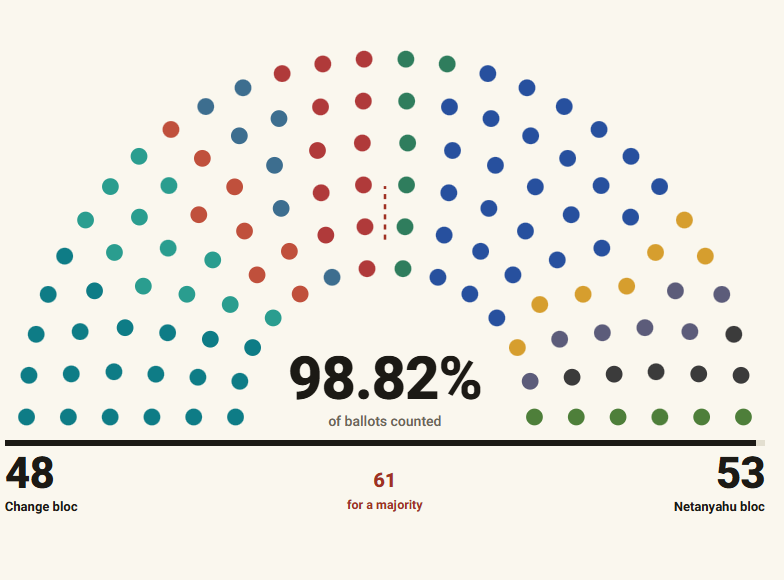
After 98.82% of the ballots were counted in the Knesset election, Benjamin Netanyahu’s bloc won 53 seats, Gadi Eisenkot’s Change bloc won 48, and Arab parties secured a record 19. Avigdor Liberman’s Yisrael Beiteinu party entered the Knesset with seven seats.
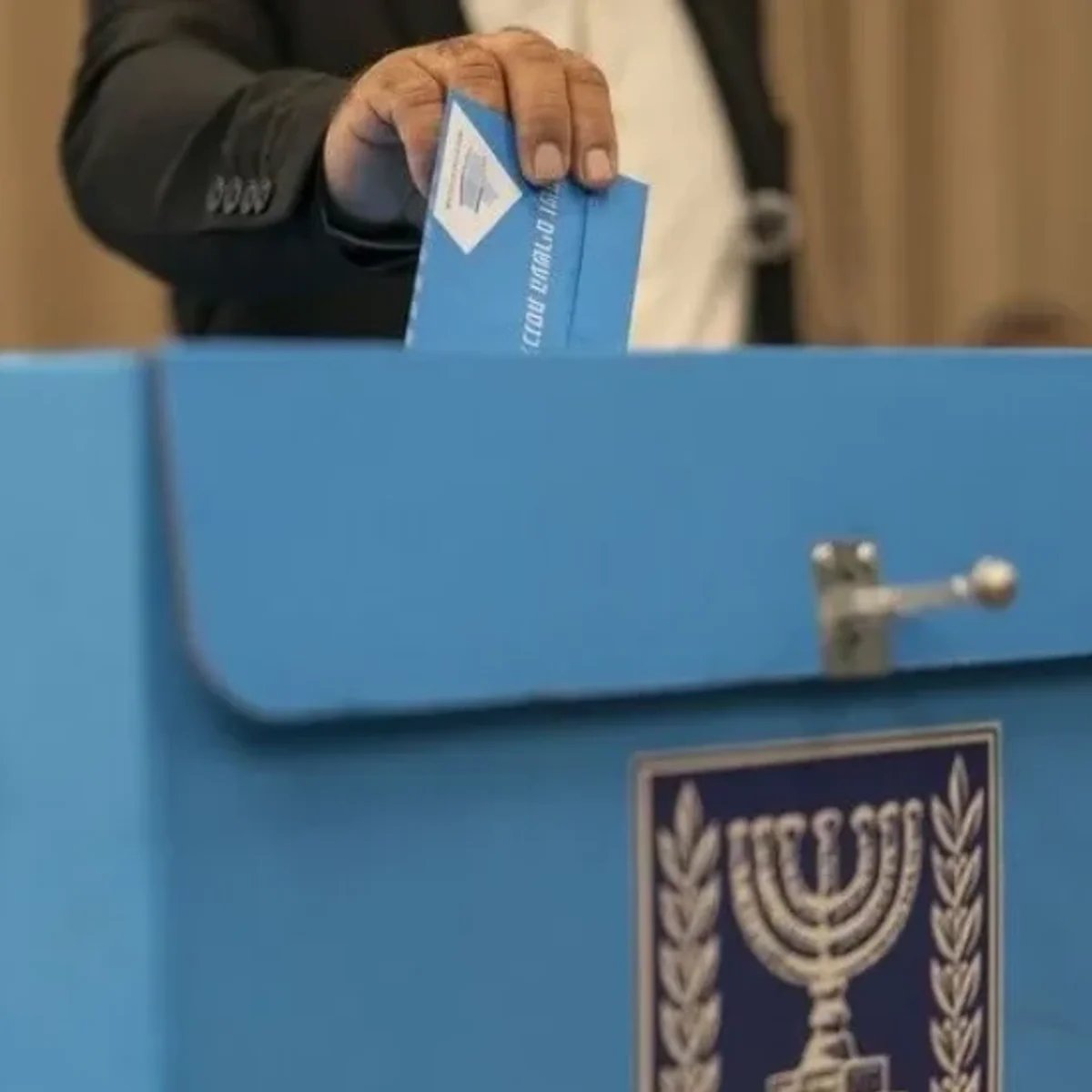
The counting of votes in Israel’s election for the 26th Knesset, held on October 27, is nearing completion. After 98.82% of the ballots were processed, Prime Minister Benjamin Netanyahu’s right-wing bloc won 53 of the 120 seats, the Change bloc led by former Chief of Staff Gadi Eisenkot won 48, and Arab parties won 19.
A total of 61 seats is needed to form a government, so neither bloc can currently establish a coalition on its own.
Seat distribution by party
- Likud (Benjamin Netanyahu): 26 seats, Netanyahu bloc;
- Yashar! (Gadi Eisenkot): 21 seats, Change bloc;
- United List (Yousef Jabareen): 13 seats, Arab parties;
- Beyahad (Naftali Bennett): 12 seats, Change bloc;
- Democrats (Yair Golan): 8 seats, Change bloc;
- Yisrael Beiteinu (Avigdor Liberman): 7 seats, Change bloc;
- United Torah Judaism: 7 seats, Netanyahu bloc;
- Shas (Aryeh Deri): 7 seats, Netanyahu bloc;
- Otzma Yehudit (Itamar Ben-Gvir): 7 seats, Netanyahu bloc;
- Ra’am (Mansour Abbas): 6 seats, Arab parties;
- Religious Zionism (Bezalel Smotrich): 6 seats, Netanyahu bloc.
The final figures for the parties may change slightly. The Central Elections Committee is still counting more than 500,000 double-envelope ballots cast by military personnel, police officers and diplomats. The final results are expected on Thursday evening. Turnout was 77.7%, the highest in more than 20 years.
Liberman remains in Netanyahu’s opposition camp
Avigdor Liberman’s Yisrael Beiteinu party, which traditionally relies on votes from immigrants from the former Soviet Union, won seven seats and joined the Change bloc. The previous day, Liberman called on Likud members to revolt against Netanyahu and rejected relying on Arab parties to form a government.
- Netanyahu bloc (Likud, Shas, United Torah Judaism, Otzma Yehudit, Religious Zionism): 53;
- Change bloc (Yashar!, Beyahad, Democrats, Yisrael Beiteinu): 48;
- Arab parties (United List, Ra’am): 19;
- Required majority: 61.
Leaders’ positions
Netanyahu said that “the Zionist majority must come to its senses and unite” and thanked his “loyal partners” in the outgoing coalition. Eisenkot, by contrast, said that “society has chosen change,” called on the prime minister to resign and promised to form a “Zionist government” that supports universal military service.
Together, Eisenkot’s bloc and the Arab parties hold 67 seats, but their willingness to work together remains in question. Until a new coalition is formed, an interim government will apparently continue to run the country.
Stay Updated with RuskiGazeta
Subscribe to be informed about special news, developments and announcements. We will keep you informed.
By signing up, you agree to our Privacy Policy