- BIST10010,760-3.64%
- USD49.86+0.15%
- EUR55.82+0.52%
- GOLD3,898.90-3.29%
- INTEREST36.00%-1.00
- BITCOIN77,833+0.51%
- November 1, 202615°
- BIST10010,760-3.64%
- USD49.86+0.15%
- EUR55.82+0.52%
- GOLD3,898.90-3.29%
- INTEREST36.00%-1.00
- BITCOIN77,833+0.51%
- November 1, 202615°
Gas forum highlights supply security and sanctions in Moscow Declaration
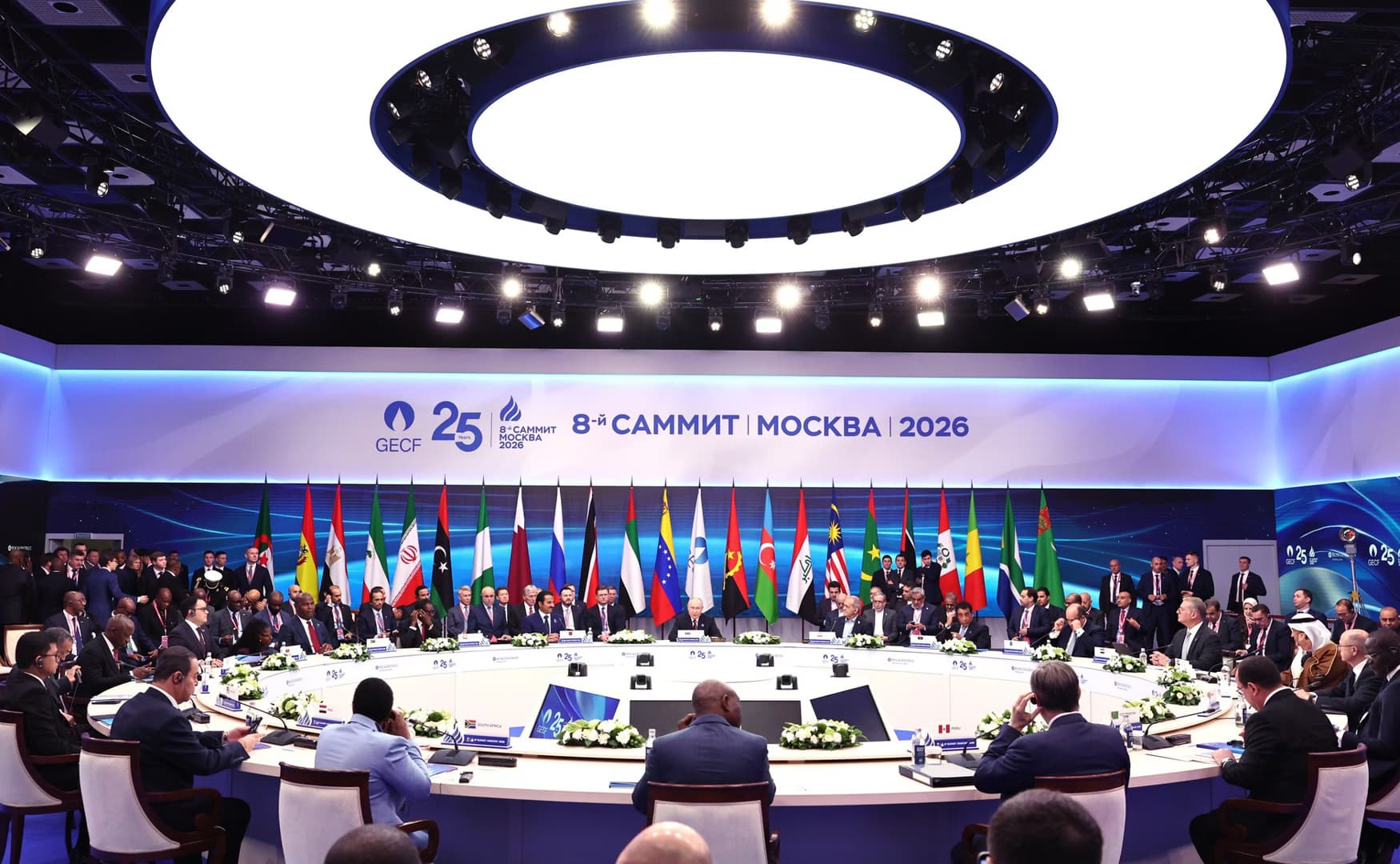
Countries attending the Gas Exporting Countries Forum summit adopted the Moscow Declaration, which addresses natural gas supply security, the energy transition and the right to sovereignty over natural resources. The document rejects unilateral sanctions and expresses concern about the impact of geopolitical developments in the Middle East on the global gas market.


The Moscow Declaration was adopted as the final document of the Gas Exporting Countries Forum summit. The document addresses natural gas supply security, the energy transition, natural resources and sanctions.
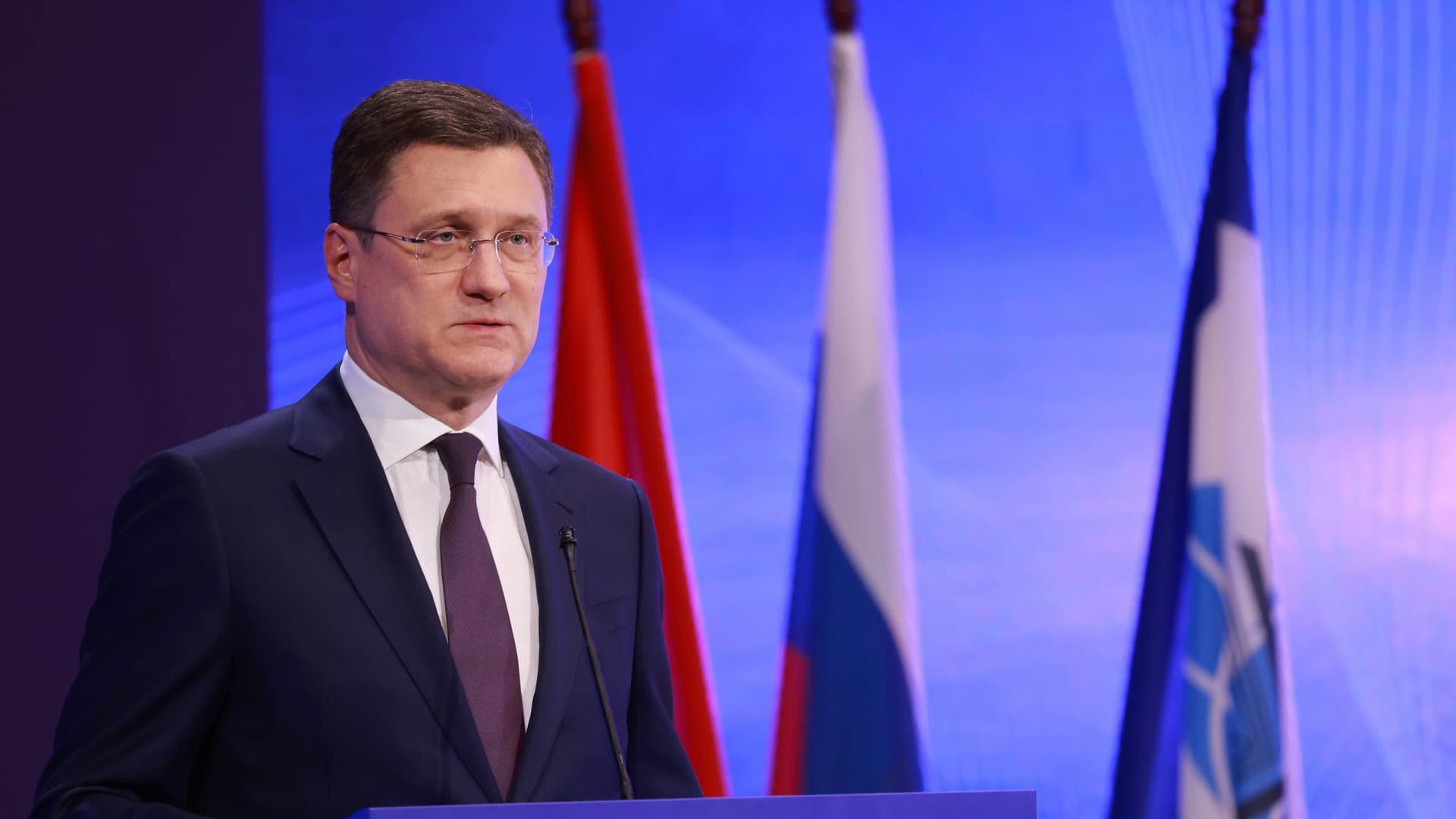
Russian President Vladimir Putin said at the closing ceremony of the summit that the participants had previously reached agreement on the declaration. Putin said the text had been approved, adding, "Let us consider the Moscow Declaration approved."
Gas supply and the energy transition
The declaration calls for expanding consultations among countries to ensure a reliable supply of natural gas. Forum members also aim to strengthen cooperation to protect critical infrastructure in the gas sector.
The text states that the transition to low-carbon energy should be carried out in a pragmatic, fair and balanced manner. The participants plan to contribute to steady growth in natural gas consumption and strengthen the environmental advantages of natural gas through the decarbonization of the sector.
Sovereign rights and sanctions
The Moscow Declaration emphasizes the "absolute and inalienable sovereign right" of states to manage their natural resources.
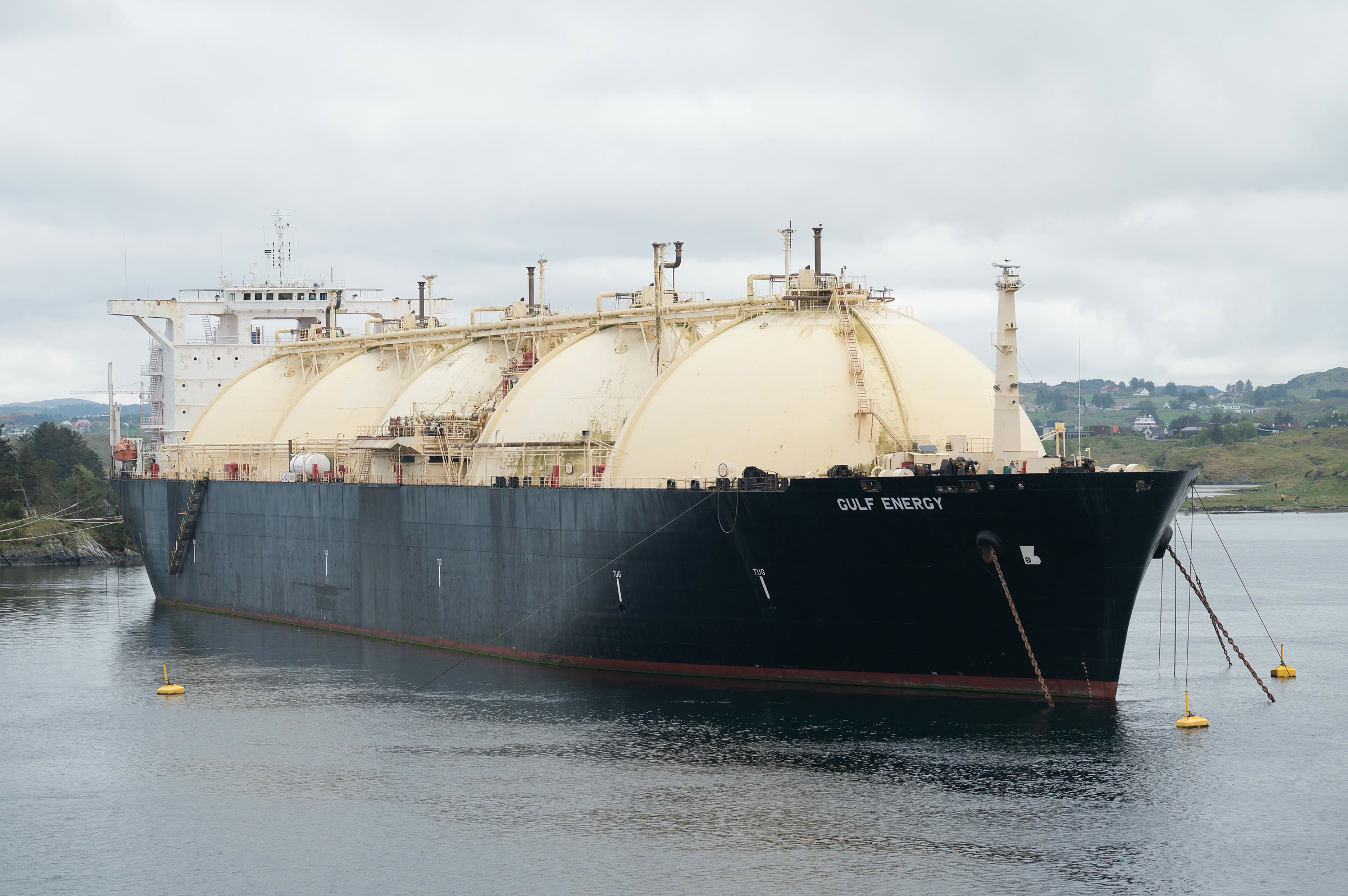
The document expresses deep concern about the impact of geopolitical developments, particularly in the Middle East, on the global natural gas market. While firmly rejecting unilateral sanctions, the participants also expressed concern about the consequences of tariff measures.
Members and observers
The Gas Exporting Countries Forum consists of 12 members. Its members are Russia, Algeria, Bolivia, Venezuela, Egypt, Iran, Qatar, Libya, Nigeria, Trinidad and Tobago, Equatorial Guinea and the United Arab Emirates.
Angola, Azerbaijan, Iraq, Malaysia, Mauritania, Mozambique, Peru and Senegal hold observer status at the forum. Turkmenistan and the Republic of South Africa were invited to the summit as guests.
Stay Updated with RuskiGazeta
Subscribe to be informed about special news, developments and announcements. We will keep you informed.
By signing up, you agree to our Privacy Policy