- BIST10011,655-1.21%
- USD49.58+0.05%
- EUR55.62+0.09%
- GOLD4,152.30+0.23%
- INTEREST37.00%-1.00
- BITCOIN83,598+0.79%
- October 21, 202621°
- BIST10011,655-1.21%
- USD49.58+0.05%
- EUR55.62+0.09%
- GOLD4,152.30+0.23%
- INTEREST37.00%-1.00
- BITCOIN83,598+0.79%
- October 21, 202621°
Exiled Russian theater artists bring war and migration plays to Europe
A 10-day festival organized by Kirill Serebrennikov in Berlin brought together theater and film artists from outside Russia. Exiled actors and directors are trying to maintain their presence on stage despite censorship, language barriers, funding problems, bureaucracy and unstable working conditions.


As theater artists who left Russia bring their experiences of war and migration to the stage, Berlin has become one of the meeting points for Russian-speaking artists. The 10-day festival organized by Kirill Serebrennikov at the Komische Oper featured theater performances, film events and public discussions; the works were staged in German, Russian and English.
Tickets for the festival performances sold out months in advance. For Serebrennikov, one of the Russian theater directors known across Europe, exile has marked a new period in his international career, while lesser-known actors and directors face tougher conditions as they try to continue their professions in new countries.
Careers disrupted by the war
Director and screenwriter Maya Doroshenko was advancing her career in Moscow when Russia launched its full-scale invasion of Ukraine. A graduate of the prestigious GITIS theater school, Doroshenko was receiving offers to work at major theaters in the capital.
Doroshenko wanted to prepare an anti-war play inspired by the life and works of philosopher Hannah Arendt. After the project was reviewed, she was told that the play could not be staged. She then traveled with her actor to Yerevan, the capital of Armenia, where they rented a room in which they could use the narrow space between the bed and the wall for rehearsals.
Theaters in Russia have been operating under intensified censorship and state control since the war began. Artists who oppose the war are forced to choose between abandoning careers they built over years and paying the price of making their voices heard.
Searching for stages in new countries
Actor Yegor Rybakov moved to Tbilisi in 2022 after receiving online threats for criticizing the Kremlin and supporting Ukraine. When he left Russia, he was performing in four productions, one of which was considered among Moscow’s 10 best productions.
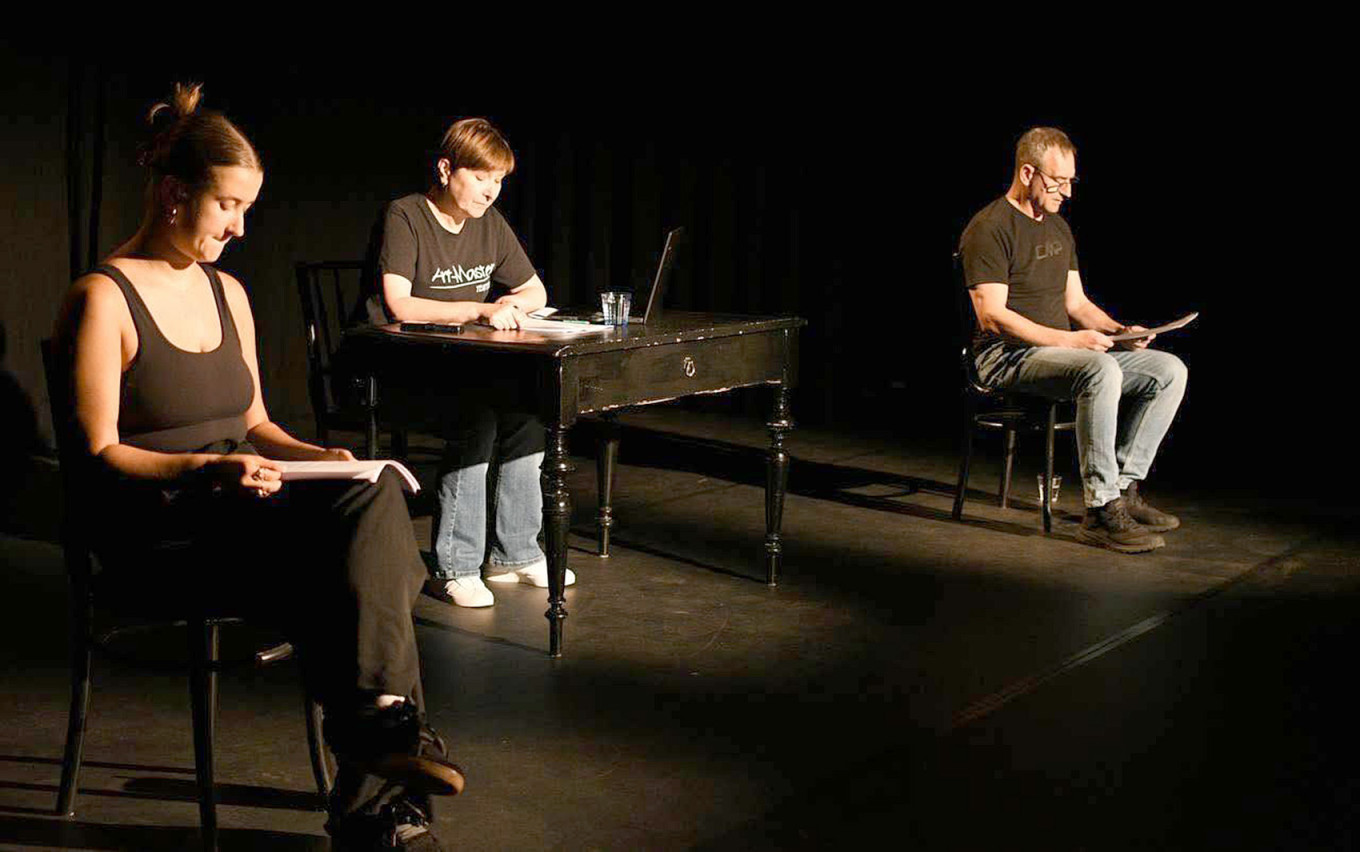
Rybakov said it was more difficult to find regular acting work in Tbilisi. To make a living, he hosted events between roles and taught acting classes. He said opportunities in Russian-language video production were limited, while working in Georgia’s local theater scene required building new professional connections and often learning another language.
Theater artists working abroad have to choose between producing for Russian-speaking exile communities and joining local theater circles to reach new audiences. Director Anastasiia Anisimova, who lives in Paris, became one of the few artists able to enter the international theater community.
Anisimova’s play "Deep Fake," staged in Russian and English, was performed in Tbilisi, Berlin and at the Avignon Festival in France. It is also scheduled to be staged in Amsterdam. Anisimova said the funding and bureaucratic procedures required to participate in international festivals were major obstacles; she said the main purpose of theater in exile was to sustain art and the profession rather than make money.
War and migration told on stage
A significant portion of Russian theater produced in exile focuses on experiences of war and migration. "Vanya Is Alive" tells the story of the mother of a Russian soldier sent to fight in Ukraine. "Inostranka" and "Letters Home" explore what it means to leave the country.
These productions make it possible to bring political subjects that are difficult to address in Russia to the stage. Anisimova, however, said she opposed political theater. While acknowledging the connection between art and politics, the director argued that the two fields did not always need to be so closely intertwined.
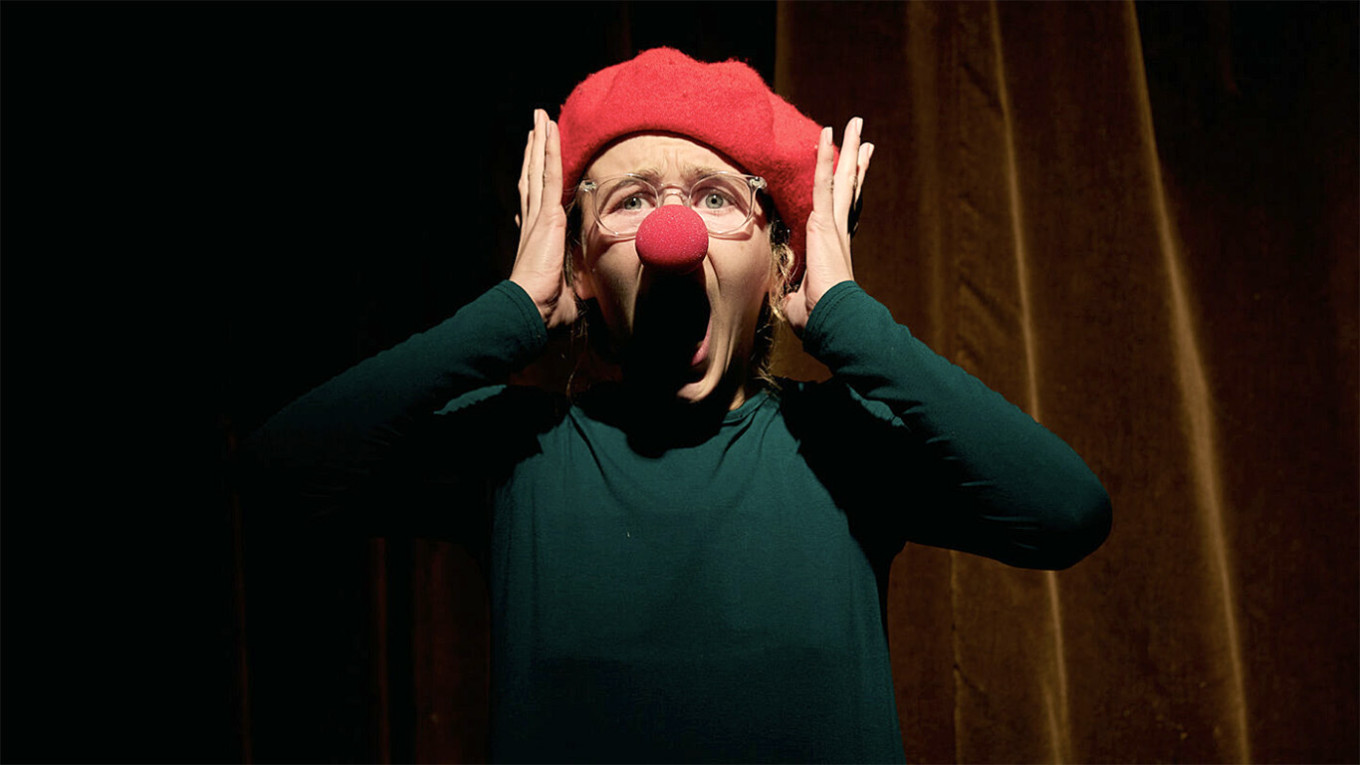
The instability of life in exile also makes it difficult to continue existing productions and prepare new projects. Rybakov said people in the theater community were constantly moving to other countries or staying where they were, and that this mobility directly affected plans for rehearsals and projects.
Festivals keep international ties alive
Doroshenko said leaving Russia also meant leaving behind the professional community that had made her work possible. That community included colleagues, audiences and the connections she had built over the years. She said some artists worked as entertainers and teachers to make a living.
The Lubimovka Festival, which focuses on new Russian-language drama, was founded in Moscow in 1990. After the war began, the festival moved abroad and became an international network that organizes readings and collaborations in different countries, both to avoid wartime censorship and to protect writers.
Representatives of Lubimovka said the independent nonprofit festival was run through initiatives by people in different parts of the world. "Echo of Lubimovka" events began in Paris in 2022; readings in different languages were later held in cities including Tbilisi, Tel Aviv and Tokyo.
At the event in Tokyo, the plays were performed in Japanese and the texts were selected by Japanese curators. Festival representatives said that small events held in different countries and languages helped build new ties with the theater world beyond Russian-speaking circles.
Actors and directors who left Russia do not want to give up theater despite the difficulties they face abroad. Rybakov said rehearsing, going on stage and connecting with audiences made the effort to continue his profession meaningful during a difficult period.
Stay Updated with RuskiGazeta
Subscribe to be informed about special news, developments and announcements. We will keep you informed.
By signing up, you agree to our Privacy Policy