- BIST10011,483+1.32%
- USD50.07+0.05%
- EUR55.96-0.52%
- GOLD4,120.00+1.11%
- INTEREST36.00%-1.00
- BITCOIN74,273-0.60%
- November 9, 20264°
- BIST10011,483+1.32%
- USD50.07+0.05%
- EUR55.96-0.52%
- GOLD4,120.00+1.11%
- INTEREST36.00%-1.00
- BITCOIN74,273-0.60%
- November 9, 20264°
European Commission proposes EU Preparedness Day on October 23
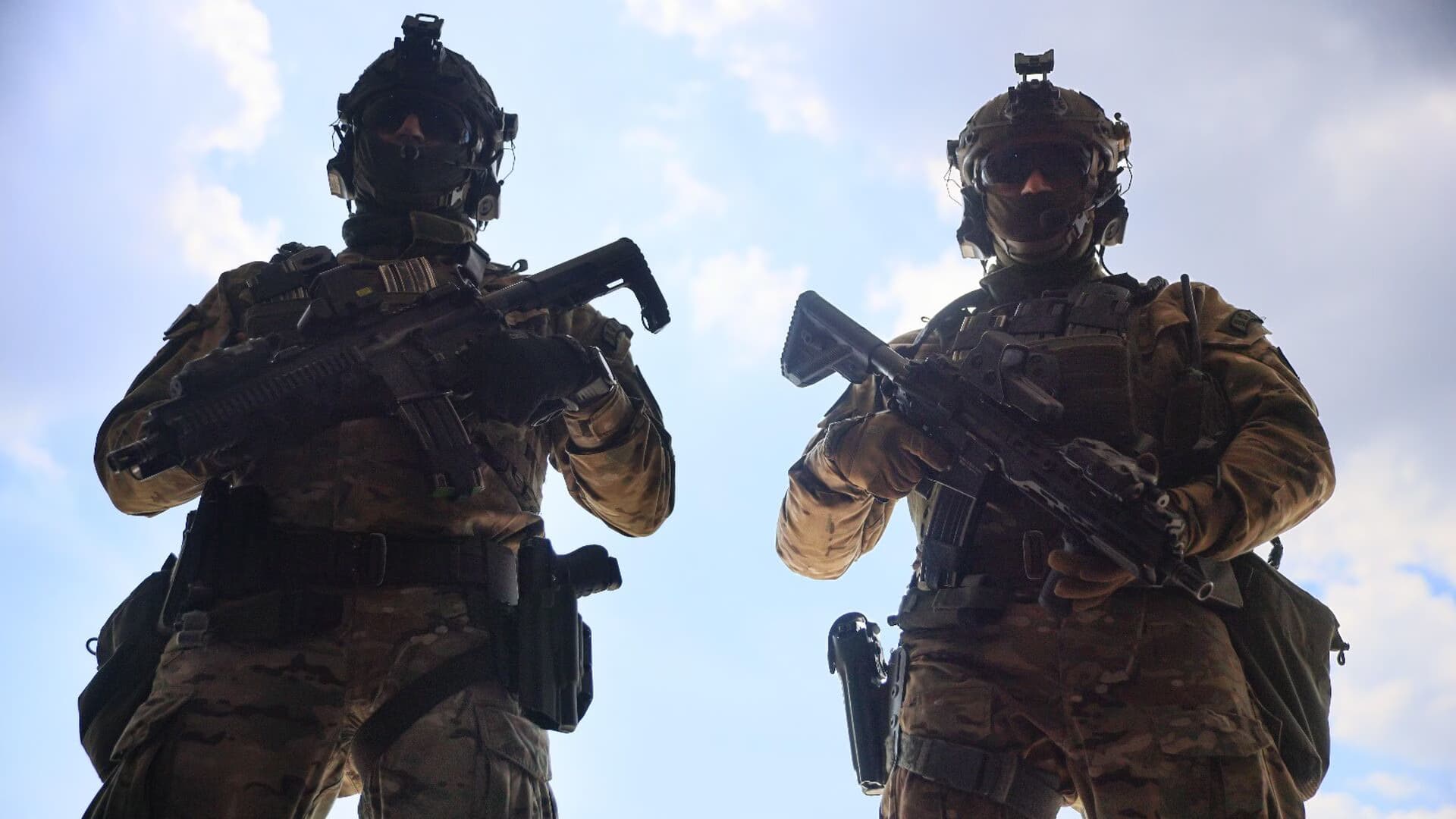
A new Europe-wide day marking the anniversary of the creation of the EU Civil Protection Mechanism is expected to be introduced in 2027. It was proposed alongside recommendations calling for every family to manage on its own during the first 72 hours of a crisis.
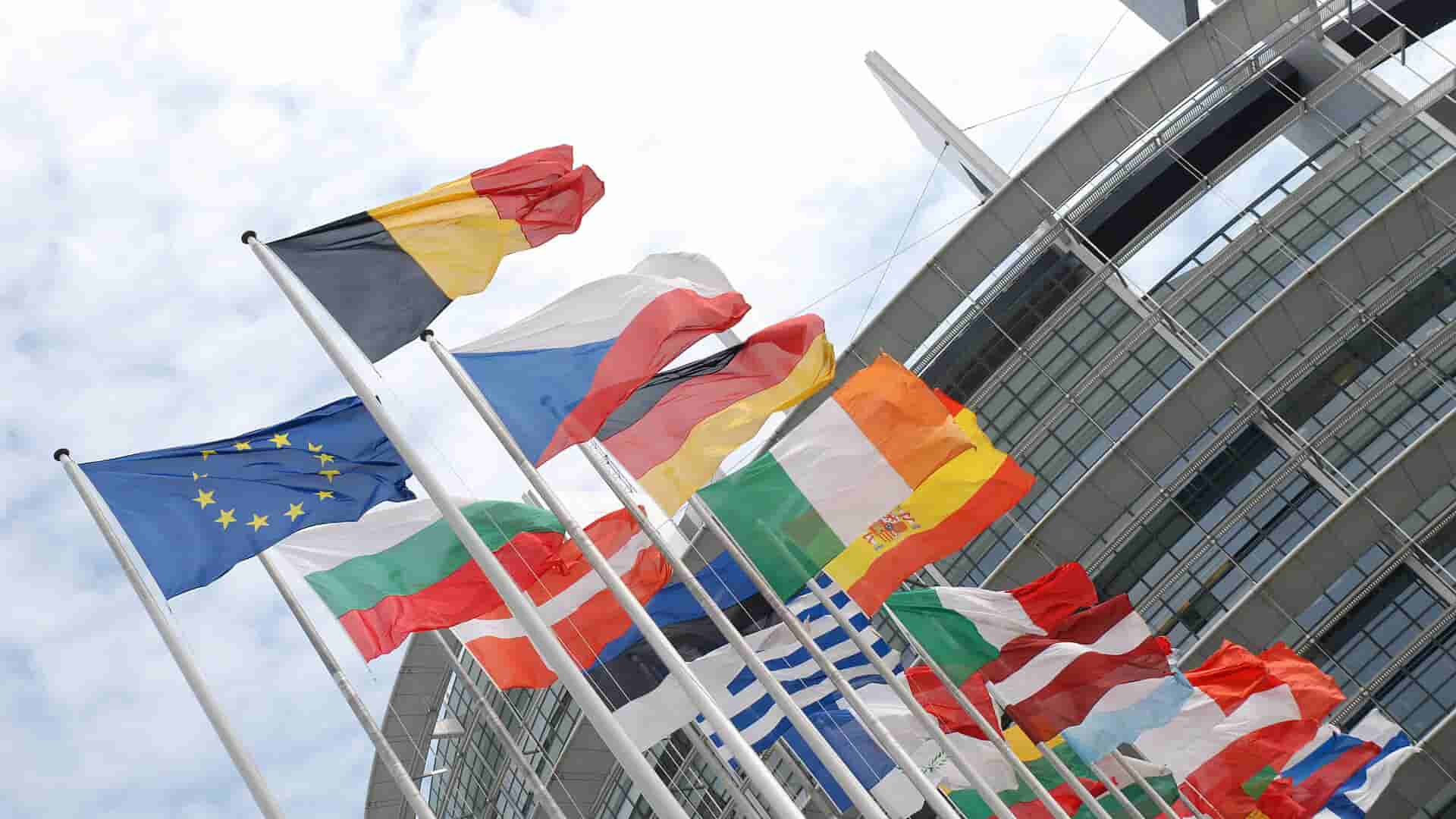
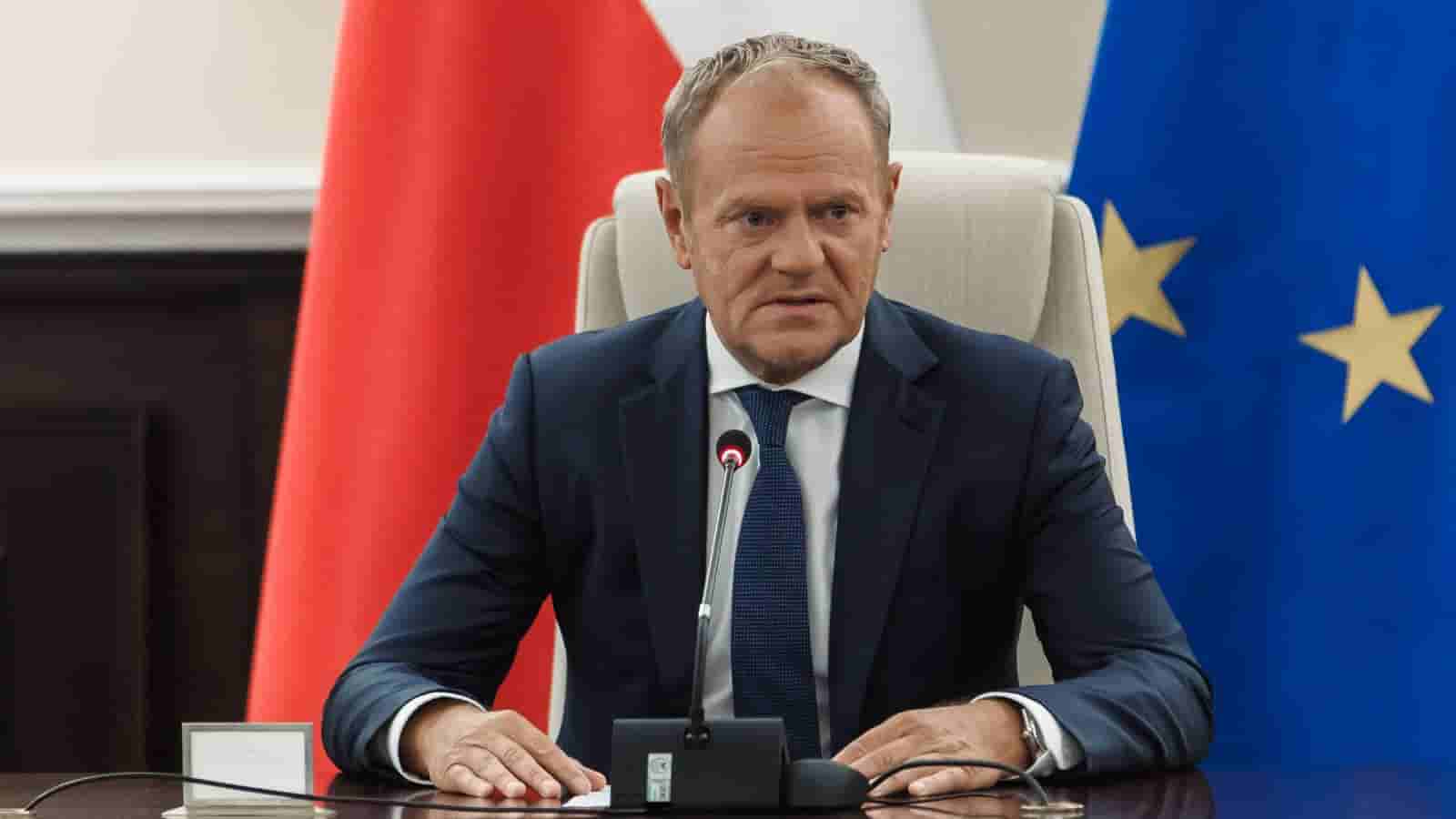
The European Commission has proposed holding EU Preparedness Day every year on October 23 starting in 2027. EU Commissioner for Equality, Preparedness and Crisis Management Hadja Lahbib announced the proposal while opening the ninth European Civil Protection Forum in Brussels on November 3. The date was chosen deliberately: the EU Civil Protection Mechanism was created on October 23, 2001, and marked its 25th anniversary this year.
The idea of an annual “preparedness week” was previously put forward by the European Citizens’ Panel — 150 randomly selected residents from all 27 EU countries who worked on recommendations from March to May 2026. The Commission intends to prepare a joint declaration supporting the initiative with the European Parliament, the Council of the EU, the European Economic and Social Committee and the European Committee of the Regions.
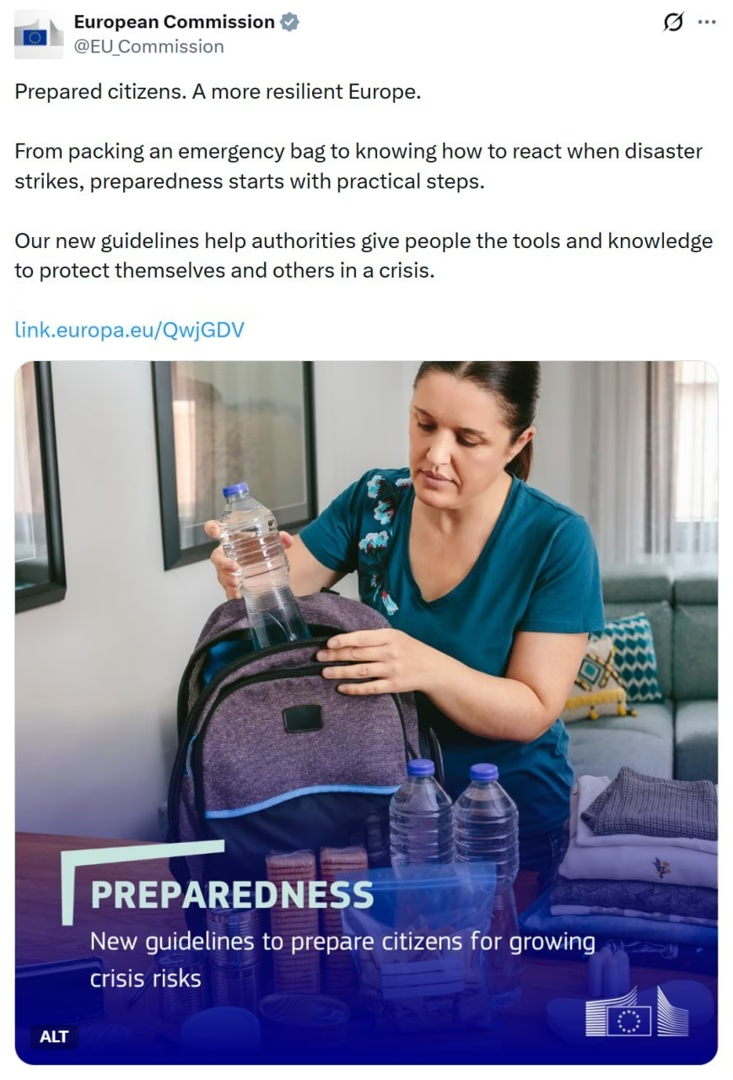
72 hours without outside assistance
The preparedness day was announced alongside new recommendations on public preparedness. Their main principle is that during the first three days of an emergency, while the state is deploying assistance, families should meet their basic needs independently, with 72 hours described as the minimum. The accompanying document lists supplies of water and food that does not require cooking, medicines and a first-aid kit, alternative sources of heat and light, a battery-powered radio, charged power banks and cash in small denominations in case electronic payments fail.
“Every European should know what to do, how to protect their family and how to help others,” Lahbib said. She added that when a disaster occurs, the first hours can determine everything.
Lessons in kindergartens and schools
The recommendations also propose including emergency-response skills in preschool and primary education curricula and training teachers. They call for measures to be made accessible to people with disabilities, while urging authorities to provide citizens with timely and reliable information before, during and after a crisis. The document is non-binding and is addressed to the 27 EU countries and the 10 states participating in the Civil Protection Mechanism, including Ukraine, Moldova, Serbia and Türkiye.

Countries still take different approaches to stockpiling: Germany advises people to keep supplies for 10 days, while Sweden is mailing residents a brochure titled “If a crisis or war comes.” The European Commission says the new steps are prompted by Europe’s increasingly frequent encounters with complex crises. The recommendations build on the Union Preparedness Strategy, adopted in March 2025 on the basis of a report by former Finnish President Sauli Niinistö. Alongside them, Brussels presented a recommendation on stress tests and the uninterrupted operation of national civil protection contact points.
Images: European Commission. Cover: Silje Bergum Kinsten / Wikimedia Commons (CC BY 2.5, archive)
Stay Updated with RuskiGazeta
Subscribe to be informed about special news, developments and announcements. We will keep you informed.
By signing up, you agree to our Privacy Policy