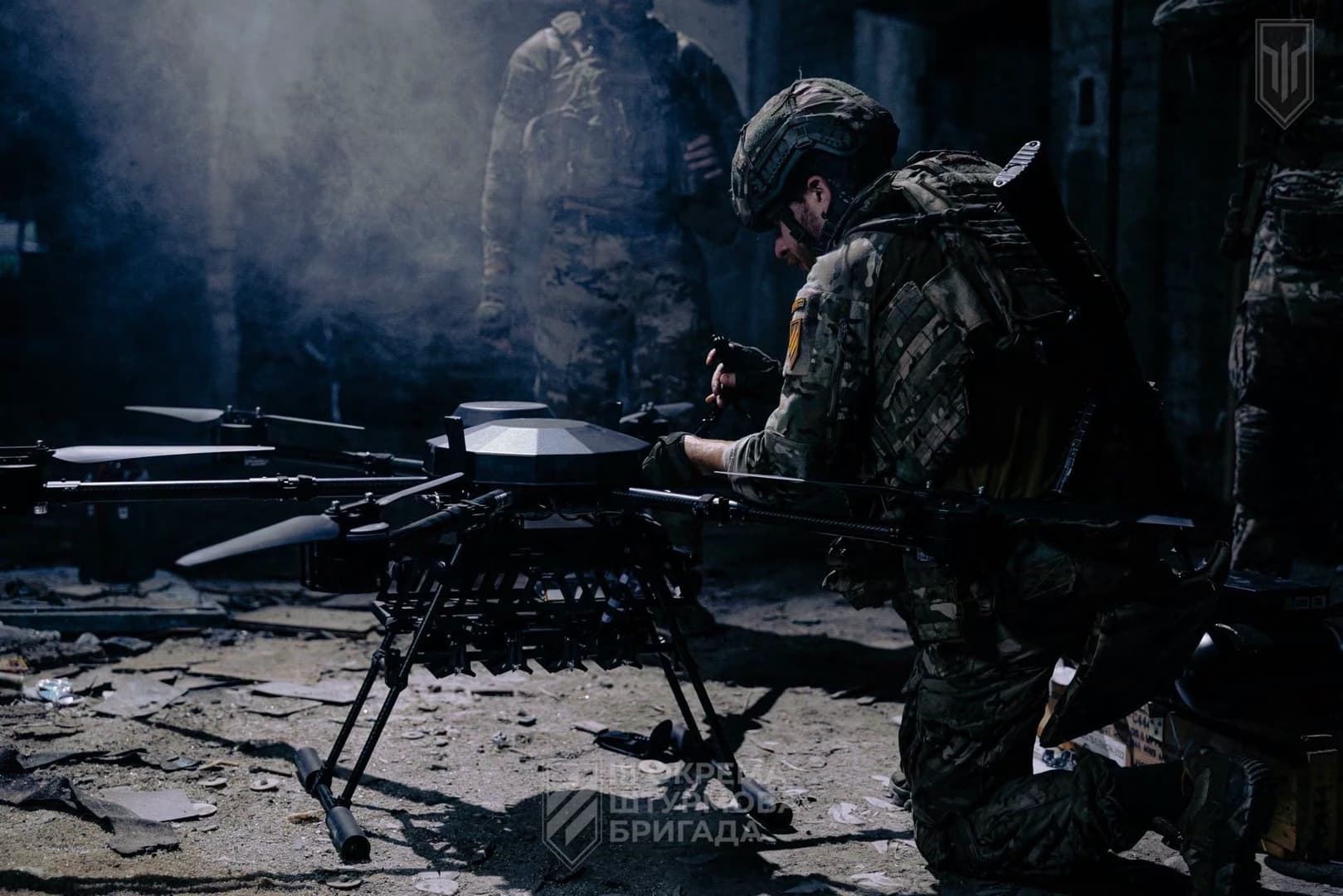
Wildberries logistics centers in different regions of Russia came under drone attack between July 18 and August 7. The company said about 20 facilities were affected, fires broke out at some centers and employees were evacuated.
Ukraine argued that some of the warehouses could be linked to military needs in addition to their commercial functions. Russia rejected the claim, saying that Wildberries warehouses are civilian facilities used solely for commercial purposes.
No publicly available evidence definitively confirms or disproves the competing statements that the facilities had military functions or were entirely civilian. The attacks also brought renewed attention to the role of logistics and commercial infrastructure in modern conflicts and the changing boundary between civilian and military spheres.
The course of the attacks in Russia
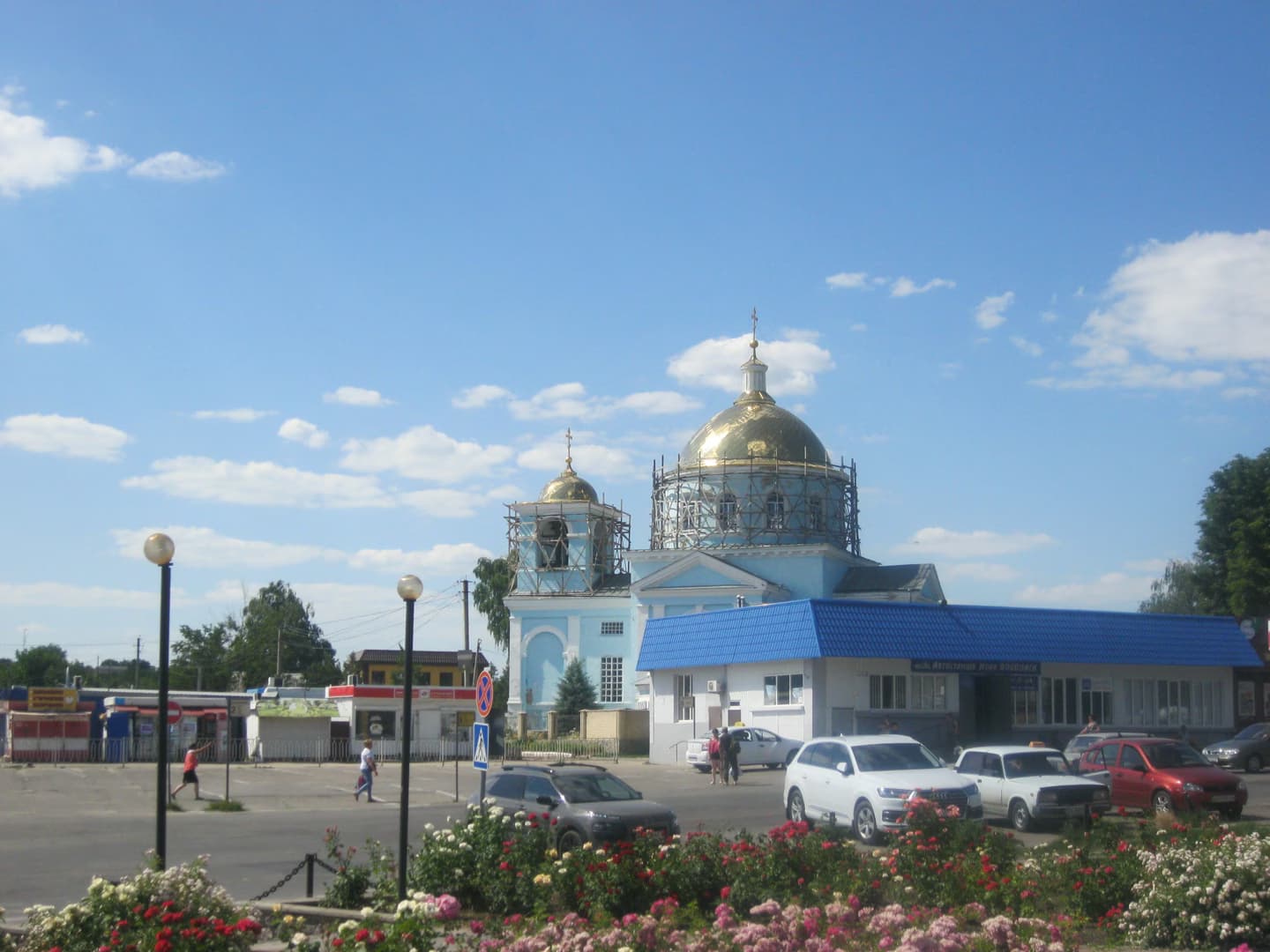
- July 18: Attacks targeted Wildberries logistics centers in Kotovsk in the Tambov region and Elektrostal in the Moscow region. Russian authorities said 7 people were killed in Kotovsk and 1 in Elektrostal. The company said employees were evacuated and assistance was provided to the injured.
- July 22: Centers in Krasnodar and Nevinnomyssk in the Stavropol region were affected by the attacks. Fires broke out at the facilities, employees were evacuated and warehouse operations were temporarily suspended. Some employees were injured.
- July 24: A fire broke out after attacks on logistics facilities in the Leningrad region. Employees were evacuated, and there were reports of injuries; operations in the damaged sections were temporarily suspended.
- July 25: The fall of fragments from a drone caused a fire near the Wildberries logistics complex in Yekaterinburg. The company said the complex had not sustained serious damage and that no one was injured.
- July 29: Employees were evacuated after an attack on a Wildberries facility in the Ryazan region. Regional authorities said there were injuries.
- July 30: A logistics facility in Penza was damaged. The company said 1 person was injured and employees were evacuated. The Sarapul facility in the Republic of Udmurtia was also damaged and a fire broke out.
- July 31: A fire broke out at one of the facilities in the Volgograd region after an attack. No information was released on whether anyone among the employees was injured. Wildberries CEO Tatyana Kim said that several facilities had been affected by attacks since mid-July.
- August 2: A fire broke out after an attack on a Wildberries warehouse in the Samara region. No information was provided on whether there were any deaths or injuries at the facility.
- August 3: A large fire broke out after a drone struck a logistics facility in the Vladimir region. The company said employees were evacuated. Vladimir Region Governor Aleksandr Avdeyev said 3 people were injured and that their lives were not in danger.
- August 4: A fire broke out at the Wildberries facility in Krasny Bor in the Leningrad region. The company’s other facilities were also damaged that day. Russian authorities said there were deaths and injuries in an attack on a warehouse facility.
- August 5: A fire broke out and the facility’s infrastructure was damaged after an attack on a facility in the Tula region. No information was released about multiple injuries.
- August 7: A fire broke out at the logistics complex in Yekaterinburg. The company said employees were evacuated and that most of the products were not damaged. Sverdlovsk Region Governor said the drone attack had been thwarted and that some vehicles had fallen near the logistics center; no one was injured.
Logistics infrastructure emerges as a new arena of war
Ahmet Kasım Han, a professor at TED University, said the attacks on Wildberries facilities should be examined in the context of conflicts transformed by technology. Han said the nature of wars is shaped by human nature, geography, climate, economic and political systems, and technological developments.
Han said the fundamental aim of war is to break the opposing side’s will to continue fighting in order to achieve political results, adding that the distinction between the front line and the rear has largely disappeared in modern conflicts. In Han’s view, the boundary between civilian and military spheres is also becoming increasingly blurred.
Han said economic and financial systems can be used in conflicts, citing the sanctions regimes targeting Russia and Iran as examples. He said public oversight has become more important for sustaining war, emphasizing that the communications sphere has become one of the operational arenas of conflicts and that combating disinformation has become linked to state security.
Han said the use of civilian infrastructure as a tool or shield in conflicts should be assessed separately from the targeting of civilian facilities in violation of the laws of war. He said companies with critical logistics and information infrastructure could become direct targets or parties to conflicts, warning that the need for stronger coordination between states and companies could create new risks in terms of transparency and accountability.
Han said Ukraine’s latest attacks and Russia’s earlier attacks on warehouses belonging to confectionery producers in Ukraine could be considered within a broader strategic framework, adding that such actions could aim to change how Russian society perceives the war. He said the focus should be on the strategic objective of the attacks rather than Wildberries’ role in the purchase or sale of military equipment.
The company’s financial burden increased during the attacks
Wildberries’ logistics network affected by the attacks is operating at a time when the company’s short-term financial burden has increased. According to data from Russia’s Federal Tax Service, the company’s total short-term loans and debts rose about eightfold to 801.7 billion rubles at the end of 2025.
The company’s long-term loans and debts stood at 28.7 billion rubles at the end of 2025. Total assets reached 1.3 trillion rubles, while short-term liabilities reached about 1.3 trillion rubles.
Wildberries generated revenue of 1 trillion 187 billion rubles in 2025 and reported a net profit of 55.3 billion rubles. Net cash flow from operating activities was negative 376.6 billion rubles.
Capacity to expand in Kazakhstan and Belarus
The company is continuing its plan to expand its logistics network with new centers in Kazakhstan and Belarus. Kazakhstan’s Minister of Trade and Integration Arman Shakkaliyev said Wildberries aims to bring about 260,000 square meters of new warehouse space into service in the first quarter of 2027.
Under the plan, 160,000 square meters of warehouse space are expected to be built in Astana and 100,000 square meters in Almaty. Wildberries currently leases about 46,000 square meters of warehouse space in Kazakhstan. No application was submitted for new warehouse capacity after the attacks, but the investment plans prepared earlier continued unchanged.
Russian Deputy Foreign Minister Mikhail Galuzin said work to integrate online marketplaces in Russia and Kazakhstan had begun before the attacks. Galuzin said hundreds of thousands of suppliers from Kazakhstan are registered on the Wildberries and Ozon platforms.
Kirill Koroteyev, deputy general director of the management company of Belarus’ Great Stone Industrial Park, said construction of the logistics complex being built for Wildberries near Minsk was ahead of schedule. Koroteyev said conditions in Russia had led the investor to accelerate construction in order to put the facility into operation as soon as possible.