Following the Russia-Ukraine war, Central Asian countries are seeking to diversify their foreign policy and trade routes while preserving their political, economic and security ties with Russia and China. DİPAM Chairman Dr. Tolga Sakman assessed that Kazakhstan, Uzbekistan, Kyrgyzstan, Tajikistan and Turkmenistan are seeking to create room for themselves amid competition among major powers and deepen regional cooperation.
According to Sakman, the change in the region is not proceeding in a one-way shift away from Russia and toward China. The main transformation is the emergence of a regional strategy based on a multi-vector approach, with countries developing several foreign policy axes simultaneously.
Alternatives expand as ties with Russia continue
Russia's influence in Central Asia continues through security relations, political and military influence, economic ties, energy infrastructure, labor mobility and historical connections. In particular, the economic and security ties between Russia and Kazakhstan and Kyrgyzstan are considered difficult to eliminate in the short term.
Moscow's allocation of a significant portion of its military and economic resources to the war following the outbreak of the Russia-Ukraine conflict has increased the region's need to establish alternative connections in certain areas. This search aims not to exclude Russia, but to prevent relations with Russia from becoming the only option.
China also remains one of Central Asia's most important economic partners through energy investments, infrastructure projects, trade and connections under the Belt and Road Initiative. While benefiting from China's financing and investment capacity, the countries of the region are expanding their relations with Europe, Türkiye, the Gulf states, South Korea, Japan, India and the United States to prevent economic dependence from turning into political dependence.
Middle Corridor reduces dependence on a single route
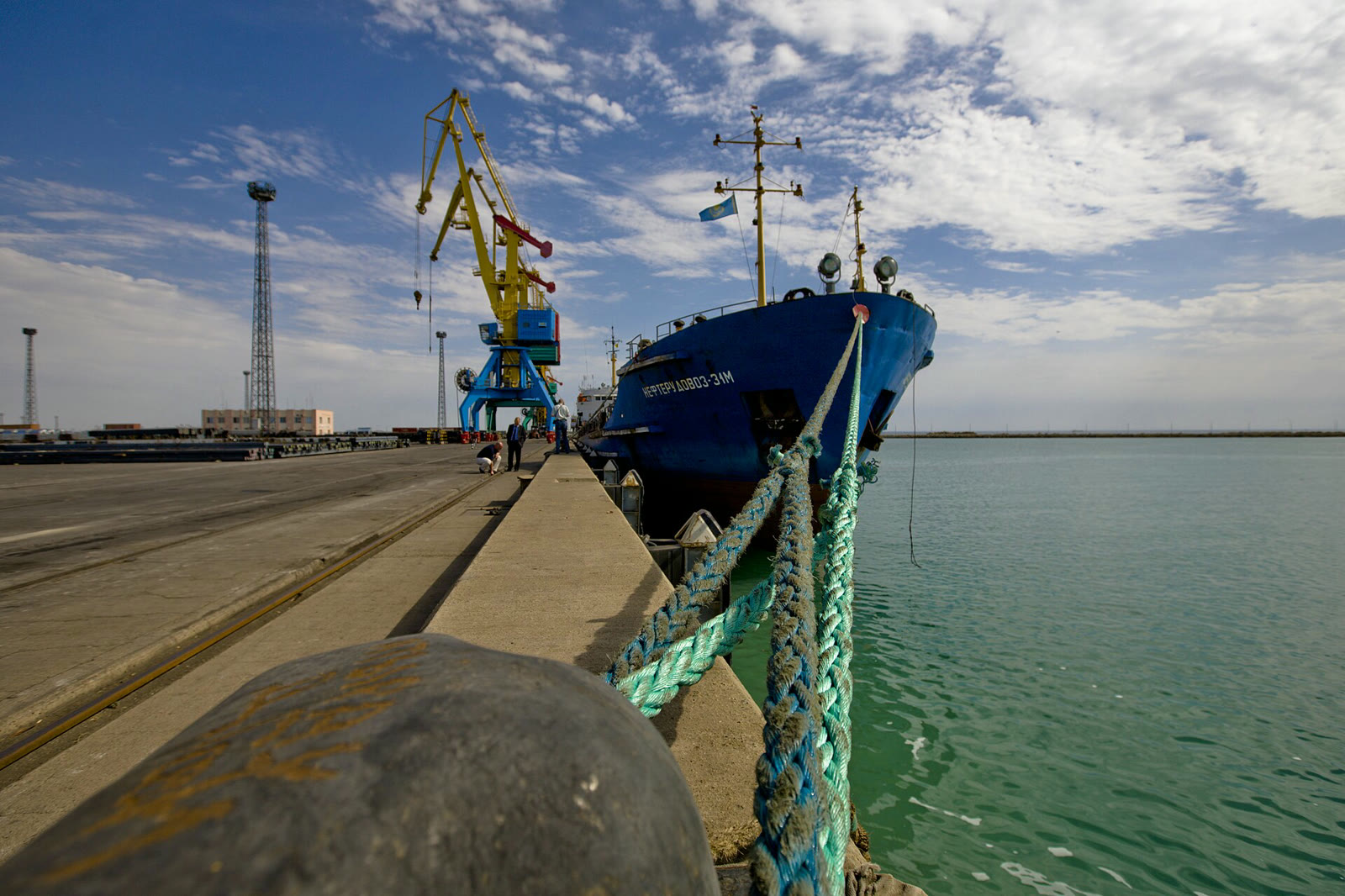
Central Asian countries, which have no direct access to the sea, are seeking to reduce the vulnerability created by dependence on a single route for foreign trade and transportation through alternative corridors. Alongside the eastern route extending to China, the western route across the Caspian Sea to Azerbaijan and Türkiye, as well as efforts to establish connections extending south, are gaining importance.
In this context, the Middle Corridor is not merely a transportation project but also a strategic tool that expands the countries' foreign policy options. The corridor's value stems not only from its potential to provide an alternative to Russia, but also from its capacity to reduce Central Asian countries' dependence on a single transportation route.
According to a study published by the World Bank on September 28, trade along the Middle Corridor could increase more than threefold by 2040 if the necessary infrastructure investments and trade-facilitation reforms are implemented. With more comprehensive reforms, this increase could reach fourfold. At least $25 billion in investment will be needed by 2040 for railways, ports and logistics infrastructure.
Energy also stands out as one of the main elements of the multi-partner strategy. The efforts of Turkmenistan, Kazakhstan and Azerbaijan to diversify routes and markets show that energy and transportation are components of the same geopolitical equation.
The two shores of the Caspian are drawing closer economically and politically
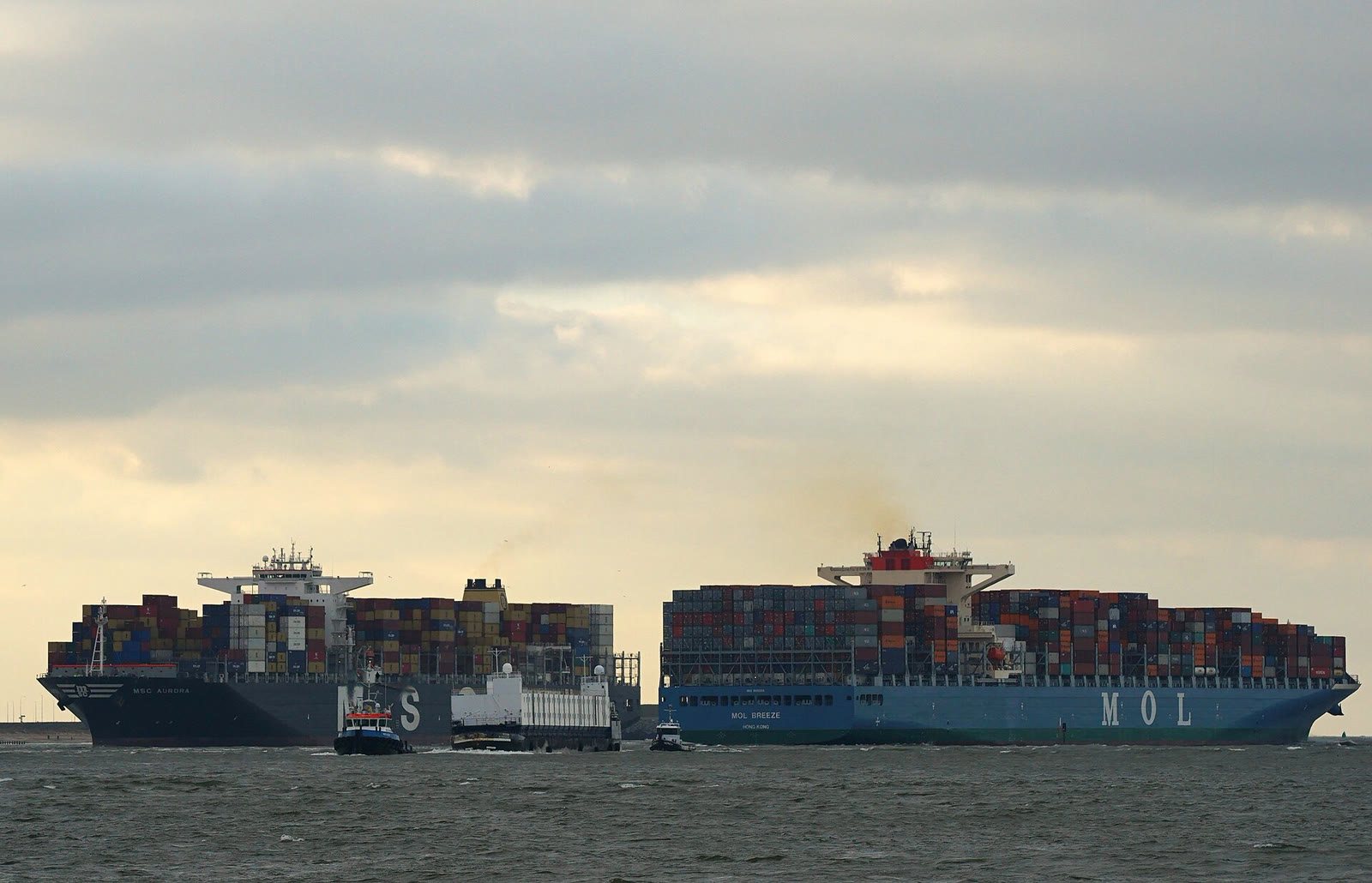
The development of relations between Central Asian countries and Azerbaijan is strengthening economic and political ties between the two shores of the Caspian. Access to Europe is thus becoming more than a physical route, while institutional connections in transportation, trade, investment and energy are also advancing.
The development of the Middle Corridor and the strengthening of connections among member states occupy an important place on the Organization of Turkic States' transportation agenda. Relations among Azerbaijan, Türkiye and the Central Asian countries are becoming institutionalized in concrete economic areas alongside their cultural and historical ties.
As the countries of the region diversify their relations with external actors, they are also seeking to resolve their border and economic issues among themselves. This intra-regional cooperation is regarded as one of the important developments that could affect Central Asia's position in the international system.
The summit to be held by the Central Asian countries and Azerbaijan on October 8, and the meeting of the Council of Heads of State of the Commonwealth of Independent States to be held in Avaza, Turkmenistan, on October 9, stand out as two political events reflecting the region's different connections.
The first meeting will demonstrate Central Asia's capacity to open toward the western side of the Caspian through transportation, energy and the economy. The second meeting will provide an indication of the weight in the region of the institutional network centered on Russia.