- BIST10011,722-2.89%
- USD49.42+0.06%
- EUR55.41+0.20%
- GOLD4,196.40+0.63%
- INTEREST37.00%-1.00
- BITCOIN81,556-0.70%
- October 16, 202613°
- BIST10011,722-2.89%
- USD49.42+0.06%
- EUR55.41+0.20%
- GOLD4,196.40+0.63%
- INTEREST37.00%-1.00
- BITCOIN81,556-0.70%
- October 16, 202613°


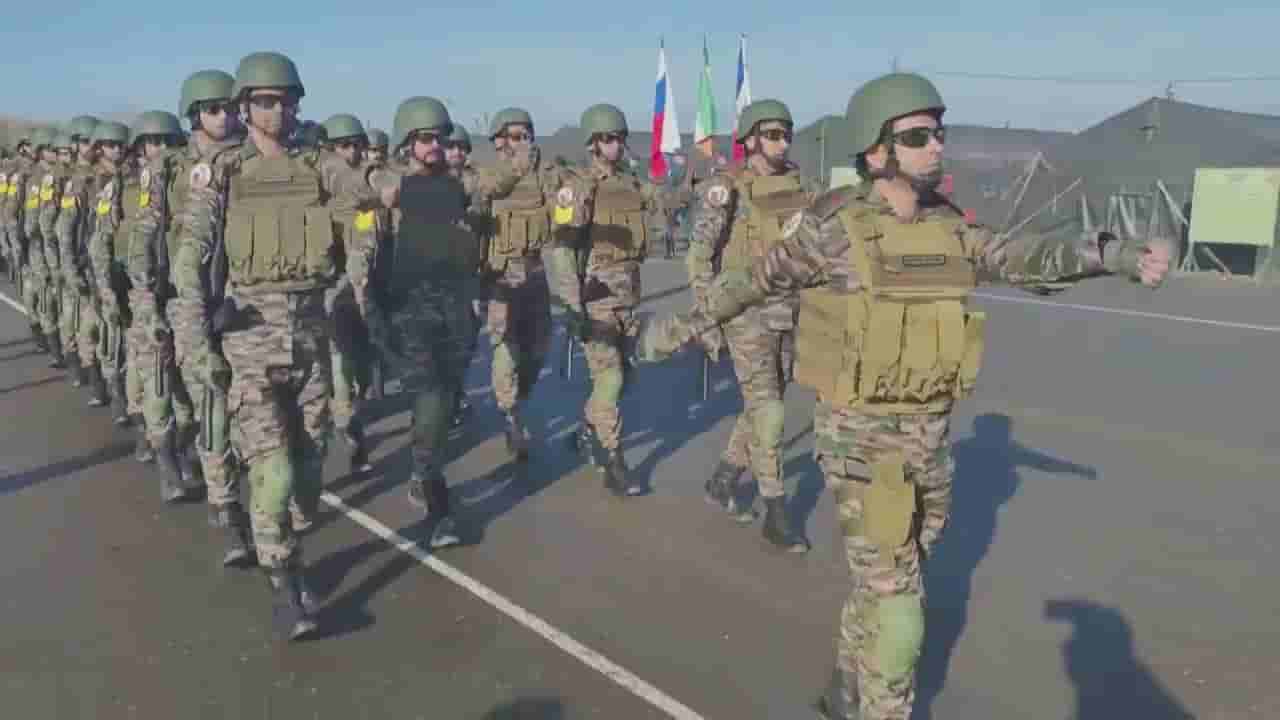
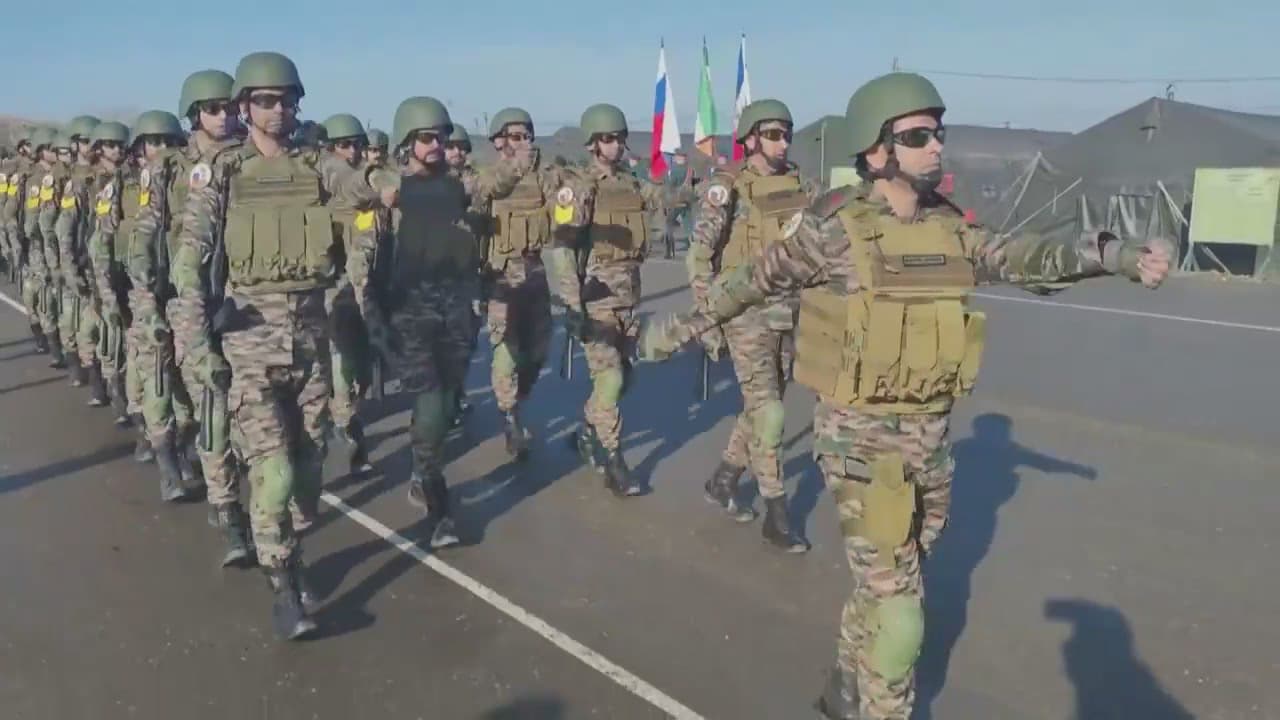
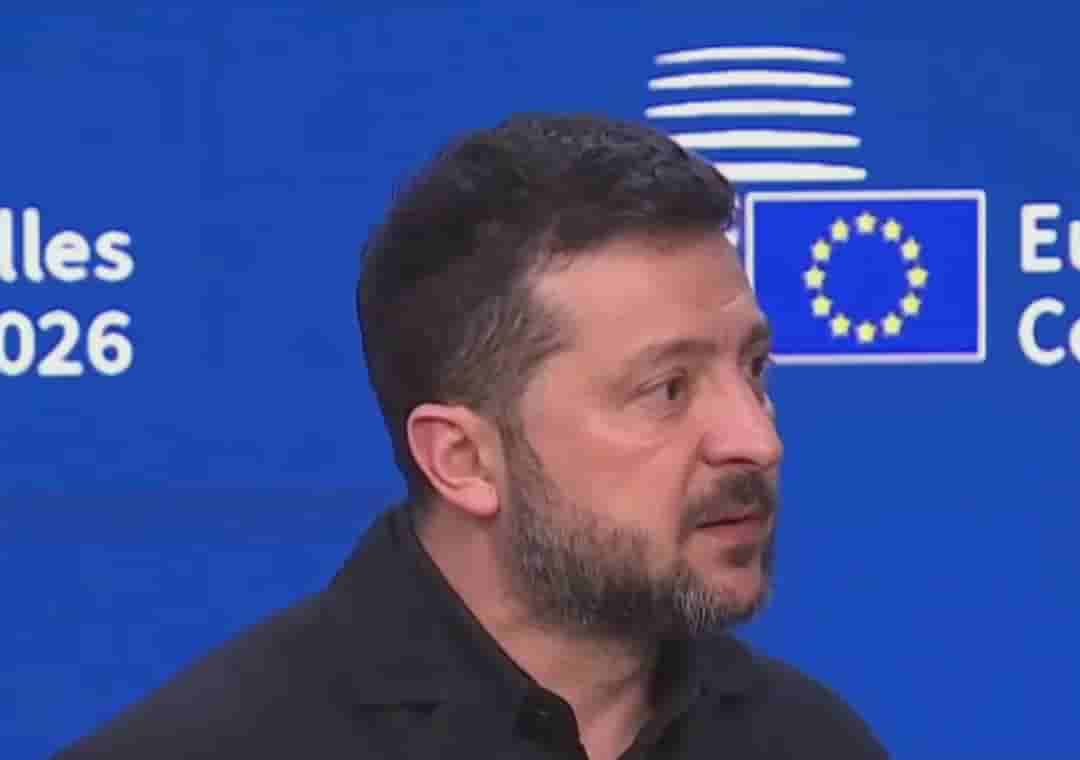
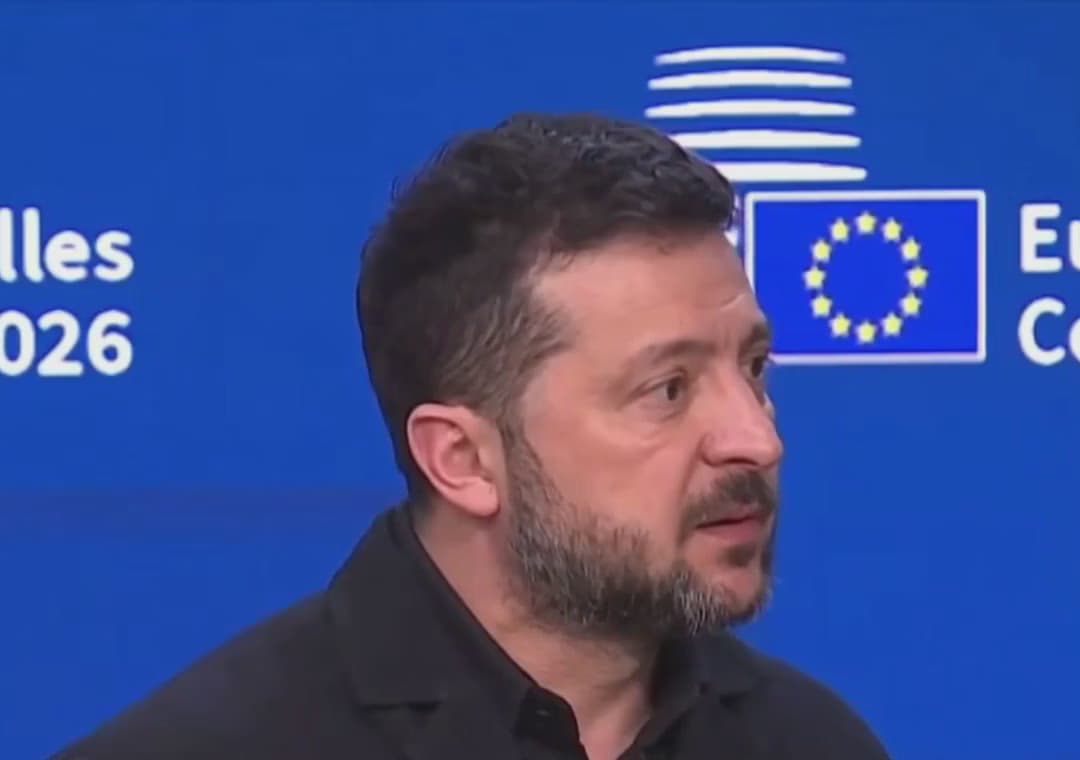

Vice President Cevdet Yılmaz to CNN Türk: the Mecca pact, KAAN, Terror-Free Türkiye and EU visa liberalisation
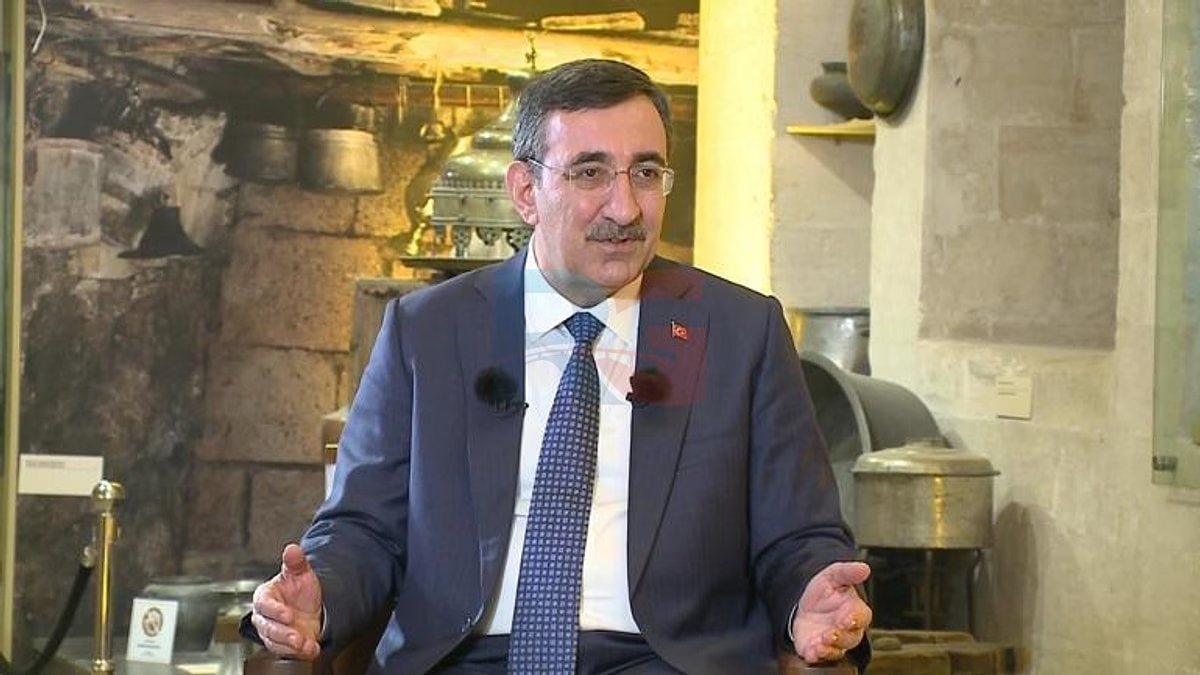
Speaking on CNN Türk on August 8, Vice President Cevdet Yılmaz said the Mecca Joint Defence Agreement is not an alternative to NATO, that a Saudi partnership in the KAAN fighter jet is possible, and explained how disarmament will be verified under the Terror-Free Türkiye law, the latest on EU visa liberalisation and the update of the Medium-Term Programme.
The Mecca pact: “Not an alternative to NATO”
How do you assess the Mecca Joint Defence Agreement signed on August 7 between Türkiye, Saudi Arabia and Pakistan?
This agreement is extremely important. At a time when the global order is weakening, regional cooperation comes to the fore.
Conflict above us, conflict below us... We are surrounded by a ring of fire. Geopolitical tensions have risen sharply. In such an environment, this agreement between three countries with complementary strengths is very valuable. Pakistan, as is well known, is a nuclear power, has a large population and sits in a very important geography. Saudi Arabia is one of the world’s leading countries in both energy and finance. Türkiye, with its industry and especially its defence industry, its location, and its historical and institutional experience, is in a very important position. The relationship established among these three countries will therefore contribute to both regional and global stability.
Was this agreement formed against anyone? Can it be seen as an alternative to NATO?
This is not a structure formed against anyone. On the contrary, it is a structure formed to strengthen deterrence so that tensions do not arise on certain issues. It is therefore essentially a deterrence mechanism. It is also a mechanism to increase cooperation, above all in the defence industry. It is not an alternative to NATO or to any alliance we are part of. We need to underline that.
It should certainly not be seen as a structure directed against Iran. It is a deterrence mechanism against risks that may arise, wherever they come from. It is essentially a mechanism created to strengthen regional peace and stability and to contribute to global peace and stability.
Why is Egypt not part of the agreement? Could new members join?
The course of enlargement will be determined by the joint position of the three countries. Why not? Of course Egypt is a very valuable country, a very important power, militarily, geographically and in terms of population. So there may be new members joining this structure in the period ahead. It is a structure open to that. But the three countries will decide on this by assessing it together.
Will this security cooperation also be reflected in the economy?
I believe security cooperation will also strengthen economic cooperation. Security does not begin at the borders. Your security is formed within much broader global and regional connections. So while Türkiye increases its security by developing its own defence industry, economy and institutional structure, it is also expanding its alliances. At the same time, as a deterrent and strong country, it will continue to fulfil this role as a strong actor at both the regional and global levels.
The international press has described this cooperation as an “Islamic NATO” or a “Sunni alliance”. Do you agree with these descriptions?
Frankly, I do not find them accurate. It should be viewed by its own name. This is the Mecca Agreement, a regional security agreement. Of course, all three are countries with predominantly Muslim populations. When you look at the Islamic world, unfortunately you see that it has been at the centre of conflicts, especially many recent ones, and that it has a serious need for security. In this sense, I hope this structure will lead to more peace and more tranquillity for the entire Islamic world and for humanity.
“It could be KAAN or other projects”
Could Saudi Arabia become a partner in, or contribute financing to, the national fighter jet KAAN?
It certainly could, why not? How many countries did the United States bring in when it built the F-35, despite its enormous economic power? So at this point it makes a lot of sense to create platforms for projects that are high-cost, have a wide market and require a serious contribution, and to involve as many friendly and brotherly countries as possible. Türkiye has also reached a certain threshold technologically, economically and in terms of marketing capabilities. It could be KAAN or other projects. I think an effort that involves many countries on a product basis, shares responsibilities and raises the quality of projects by drawing on the contributions of all of them would be very right.
Will Pakistan’s participation in the agreement contribute to Türkiye’s capacity for nuclear learning?
There will be closer cooperation in every area of defence. Of course, there will now be much closer dialogue at various levels between the armies and military structures of these countries, with sharing of experience and cooperation. There will be mutual exchanges of experience. There will be preparations to bring their standards closer, ensure similar standards and increase interoperability. These are processes that will be carried out on the military side.
What role will Türkiye and Saudi Arabia play in Syria’s reconstruction?
That process has already begun. Certain cooperation has already started on lifting sanctions and on some critical infrastructure investments. In the period ahead, Syria’s stability in fact means Türkiye’s stability. We all experienced in the past how great a cost this created for us. Syria is historically a very close country to us. We have deep-rooted historical and cultural ties with the people there. So I believe this cooperation will have very positive effects in Syria in the period ahead, and likewise in Iraq. The more stable the countries around us become and the more their prosperity grows, the higher we will rise as Türkiye.
Terror-Free Türkiye: “First, the weapons will be laid down”
Misleading information is also circulating about the Terror-Free Türkiye process. How do you view this?
There are certain circles carrying out misleading work and spreading disinformation about the Terror-Free Türkiye process. We need to know that there are circles that cannot stomach Türkiye achieving a historic success, solving a very important problem with a national stance, with its own reason and its own institutions.
A country cannot become strong if it exhausts its energy internally through quarrels and conflicts. If our country is safe and strong, if it is a country that demonstrates the capacity to solve its problems, this was built above all through the sacrifices of our martyrs and veterans.
What will Türkiye gain if the process succeeds?
When you look at it economically, there are direct and indirect costs. Farming that could not be done because of terrorism, tourism that could not happen, investors who did not come because of terrorism; there is a concept we call the investment climate. In an environment without security, as I always stress, there can be neither development nor democracy.
If the process continues positively and resources are channelled into investment, human development and infrastructure, a completely different Türkiye will emerge. Destructive effects appear quickly, while constructive effects can take a little longer. With this work fully completed, Türkiye will have moved into a new phase in both democracy and development. It will advance towards much higher standards.
The bill is before parliament. How did the process unfold there, and what do you make of the criticism?
Our President Recep Tayyip Erdoğan and MHP Chairman Devlet Bahçeli have made very important contributions to the process. The bill on strengthening national solidarity and social integration has been approved by parliament’s Justice Committee and will be taken up by the General Assembly.
Our parliament addressed one of Türkiye’s most critical issues through intensive work lasting about a year. Alongside the People’s Alliance, the CHP, the New Path Party, independents and parties without a group took part in the commission, and civil society and institutions were heard. The joint report agreed by all parties formed the main framework of the current law; I thank all the lawmakers and parties who contributed.
Of course there will be questions, concerns and criticisms. Different views are a requirement of democracy; criticism is enriching. As long as there is no provocation, no disinformation, and no support for operations by certain international power centres against Türkiye.
How will disarmament be verified, and how will the legal process work?
Laying down arms is the basic condition for the other legal arrangements to take effect. First, the relevant institutions, security forces, intelligence and the mechanisms that have been set up will establish and verify that the weapons have been laid down; then the National Security Council will decide on this, and it will be published in the Official Gazette. First, the weapons will be laid down. This will be verified and established. The National Security Council will make a decision on it. Then the other legal processes will come into play.
Crimes committed before 2005 and crimes such as the killing of police officers and soldiers are outside the scope of the arrangement. On the executive side, there is a board chaired by the Vice President and made up of the ministries of the interior, justice, foreign affairs and national defence, the National Intelligence Organisation, the Secretariat-General of the National Security Council and the Presidency’s Secretariat-General. Encompassing the security bureaucracy, this board will ensure effective state coordination and a shared inter-institutional approach throughout the process.
Does the arrangement cover Abdullah Öcalan or Selahattin Demirtaş?
No issue concerning the terrorist organisation’s ringleader Abdullah Öcalan falls within the scope of the arrangement.
An arrangement is not something that concerns a specific person. You make a general, legal arrangement, and whoever it applies to benefits from it. The ones who will decide on this are the relevant judicial authorities.
Does Türkiye have the capacity to resolve this problem?
We must now get results; we must rescue our country from this 50-year-old problem. Türkiye has the state capacity to solve this problem. Our Turkish Armed Forces and our intelligence organisation are extremely strong. Before the July 15 coup attempt, there were efforts to wear down and fragment the Turkish Armed Forces; despite this, a cross-border operation was carried out shortly after the coup attempt.
I thank our National Intelligence Organisation. They made a very important contribution throughout all these processes. I also thank all members of the intelligence organisation who contributed, led by İbrahim Kalın. You do not know their names, you do not know how selflessly they work, but we must state that their contribution has been enormous.
“We also say ‘Terror-Free Region’”
What does this process mean for developments in Syria and for the region?
In Syria, the central government’s control over oil wells and border crossings has increased, and armed elements have largely been integrated into the army. Inshallah, this process will also set an example for the entire region. We also say ‘Terror-Free Region.’
We want the region’s prosperity to rise, and we will make this happen step by step. The success of the Terror-Free Türkiye process will also be a model for the whole region; the region will have gained self-confidence in its ability to solve its problems.
What steps are being taken for the families of martyrs and veterans? What is your message to citizens?
A benefit at the level of the minimum wage has been introduced for the mothers and fathers of our martyrs, and the care allowances of our veterans in need of care have been increased. I ask our citizens to be vigilant against provocations and to trust our government and our institutions.
EU visa liberalisation and the economy
What is the latest on visa liberalisation with the European Union?
Europe needs to develop better relations with Türkiye in terms of both the economy and security. We have launched work on the six remaining criteria for visa liberalisation.
The protection of personal data is one of the most important items. There is an issue concerning readmission and the definition of terrorism. I thank our Ministry of Justice regarding the personal data protection law. Our minister Akın set up a scientific board and carried out work, and I am coordinating it. We brought together all our ministries, foreign affairs, justice and interior, and held meetings. This law was discussed on that board. It was a kind of behind-the-scenes work. A new approach was developed here. Our institutions will now hold consultations with the European institutions through our Ministry of Foreign Affairs. In this regard, we need to see the political will in Europe; there are steps they need to take as well.
What are the priorities for the economy in the period ahead?
We have started work on updating the Medium-Term Programme (MTP). Inshallah, we will share the updated MTP with the public in the first week of September. Our main priority is, of course, price stability, while continuing to develop our growth, employment and investment. The recent war had effects and hit the global economy. It had a negative impact on our fight against inflation. In the new period, within the economic conditions of our region and the world, we will maintain our resolute stance on price stability while showing determination to take faster steps in certain areas more actively.
We will take a much more active stance on food. There is a Food Committee chaired by our Minister of Treasury and Finance. We will convene that committee together in August. There, we are discussing new mechanisms that will monitor food developments weekly, track supply and demand conditions, run an early warning system and, together with trade policies, prevent our citizens from being affected by certain developments.
Featured Listings
Sponsored
Similar Interviews


President Erdoğan to Newsweek: UN reform, Iran, the Mecca pact and Russia-Ukraine
Newsweek
- 9/29/2026


President Erdoğan to Asharq Al-Awsat: the Mecca pact, Hormuz, Saudi Arabia, Lebanon and Syria
Гассан Шарбель (Asharq Al-Awsat)
- 9/29/2026


President Erdoğan to Al Jazeera: the Mecca pact, Hormuz, Syria, Gaza and the F-35s
Al Jazeera Arabic
- 9/30/2026
Featured News


Job Listings
Stay Updated with RuskiGazeta
Subscribe to be informed about special news, developments and announcements. We will keep you informed.
By signing up, you agree to our Privacy Policy











