- BIST10011,722-2.89%
- USD49.42+0.06%
- EUR55.41+0.20%
- GOLD4,182.10+0.29%
- INTEREST37.00%-1.00
- BITCOIN81,408-0.88%
- October 16, 202612°
- BIST10011,722-2.89%
- USD49.42+0.06%
- EUR55.41+0.20%
- GOLD4,182.10+0.29%
- INTEREST37.00%-1.00
- BITCOIN81,408-0.88%
- October 16, 202612°


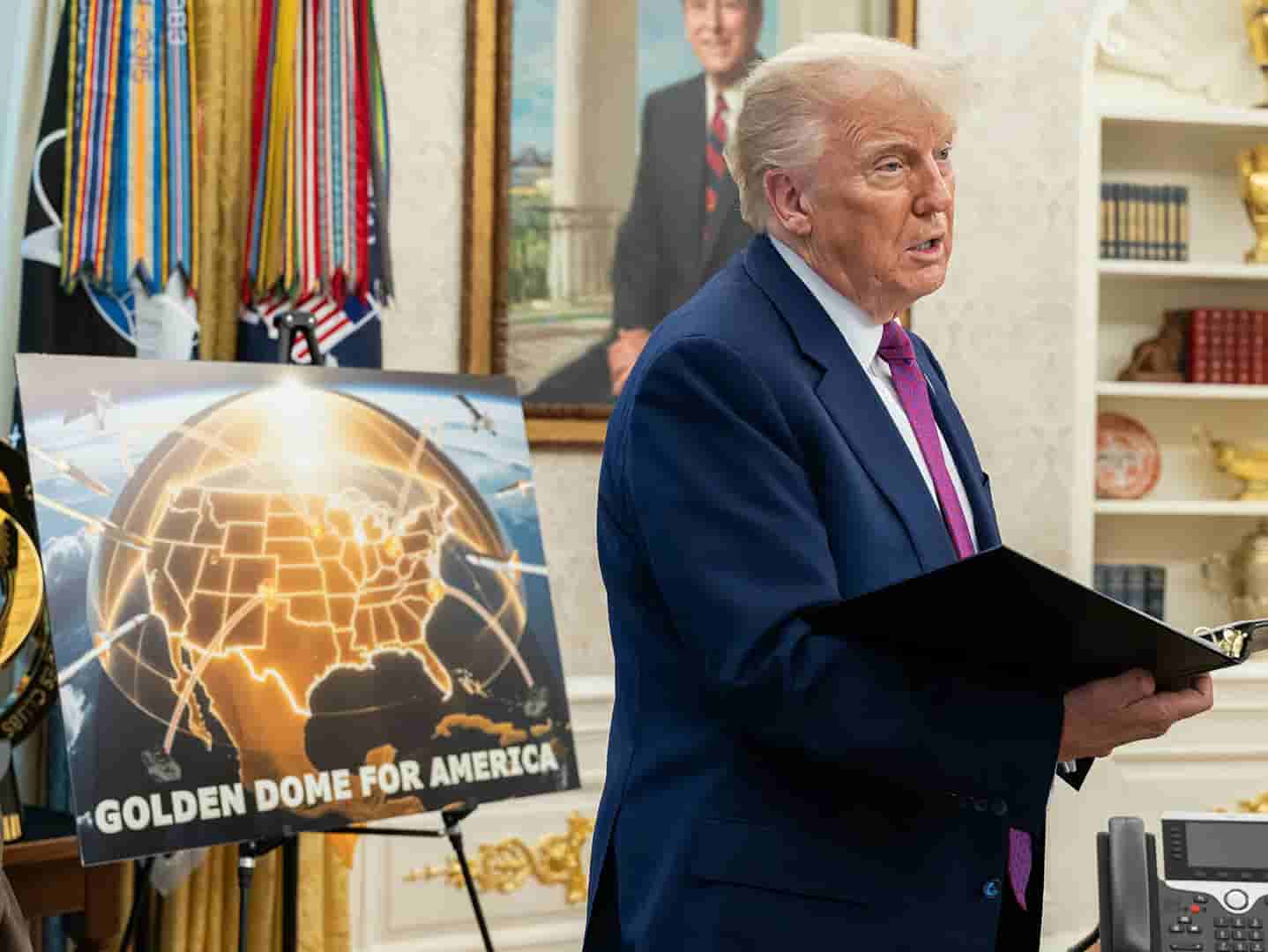

President Erdoğan to Newsweek: UN reform, Iran, the Mecca pact and Russia-Ukraine
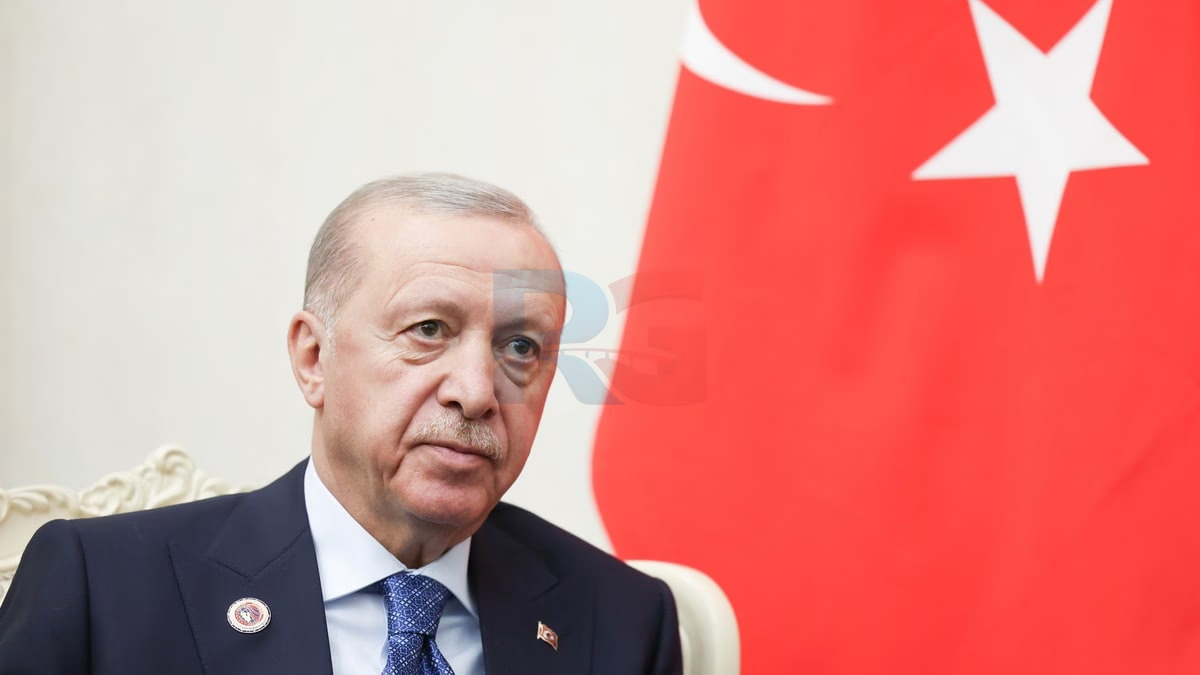
President Recep Tayyip Erdoğan answered questions from US-based Newsweek magazine on the occasion of the 81st session of the UN General Assembly. Erdoğan addressed UN Security Council reform, the Iran-US war and the Strait of Hormuz, the Mecca Joint Defence Agreement, his relationship with Trump, Israel, Syria, the Terror-Free Türkiye process, the Russia-Ukraine war and Türkiye's place in a multipolar world.
“Reform can no longer be postponed”
You arrive at the United Nations at a volatile time for international affairs, one in which Türkiye is in a unique position between conflicts occurring in Europe and the Middle East. What are your primary aims for this year’s General Assembly?
The world is going through profound shifts. The Russia-Ukraine war is ongoing to our north, while conflicts are occurring to our south and east. Conflicts directly affect our region’s security, economy and stability. At times like these, it is the collective responsibility of the international community to expand the space for diplomacy rather than narrow it. Türkiye’s priority at the General Assembly is to prevent conflicts from spreading to other regions, keep diplomatic channels open and contribute to bringing the parties back to the negotiating table. From the Russia-Ukraine war to tensions in the Middle East, Türkiye is a country capable of maintaining dialogue with all parties to conflicts and taking the initiative for peace.
The world’s centre of gravity is shifting. As new centres of power emerge, more countries are demanding their rightful place in global decision-making processes. The United Nations must not fall behind this transformation. We believe that the Security Council must become more representative, more effective and more accountable. Reform can no longer be postponed in order to build an international system in which the will of the General Assembly is more strongly reflected in decision-making processes and responsibility is shared more equitably.
Iran-US tensions and the Strait of Hormuz
There is a great deal of uncertainty, in particular, surrounding the US-Israeli war with Iran, which, of course, directly borders Türkiye. In the US-Iran dispute, you have called on both sides to pursue peace. But as escalations continue, what next steps do you envision taking to address the global instability it has caused?
It is necessary to avoid steps that would further escalate tensions and to bring the parties together for negotiations. A lasting solution can only be achieved through this approach.
The United States is our ally within NATO. Iran is our neighbour. During my most recent meeting with President Trump, I also emphasised the need to make the fullest possible use of diplomacy to address tensions between Iran and the United States. Our communication channels with our Iranian counterparts are also open. One of Türkiye’s important advantages is its ability to engage with parties involved in disputes. We are making use of this advantage to help reduce tensions. The success of these efforts is important not only for the security of our region but also for the global economy. Tensions in the Strait of Hormuz directly affect energy supplies and global trade. Our priority is to prevent the conflict from spreading, safeguard the security of trade routes and bring the parties back to the negotiating table.
“We seek to reinforce lasting stability in our region”
The Mecca Joint Defence Agreement signed with Pakistan and Saudi Arabia has been viewed by some as shoring up regional deterrence against both Iran and Israel outside of US security guarantees. What is the message and strategic value of this pact? And does it warrant the possibility of Turkish intervention in response to strikes conducted by Iran or its allies in Iraq and Yemen against Saudi Arabia?
It would not be correct to view the Mecca Joint Defence Agreement as an alliance established against Iran, Israel or any third country. This agreement is an expression of our shared responsibility to build a safer, peaceful and prosperous future.
For a long time, we have emphasised that regional issues must be addressed by the countries of the region themselves. We seek to strengthen our security, enhance our deterrence and reinforce lasting stability in our region. The agreement is founded on the right of self-defence under Article 51 of the UN Charter. It stipulates that an armed attack against any one of the three countries shall be considered an attack against all parties.
The nature of the response to be provided would be determined based on the request and needs of the country under attack. Such support could take the form of intelligence, logistical or ammunition assistance. More advanced military support could also be considered depending on the scale of the threat. The relevant political and military mechanisms will decide how such support will be provided through consultation and coordination. Therefore, it would not be right at this stage to envisage an automatic military response scenario for every incident that may occur in Iraq, Yemen or elsewhere.
Relations with Trump and the Türkiye-US alliance
US President Donald Trump has often spoken highly of you and praised Türkiye’s non-intervention in the Iran conflict, while criticising other NATO members for lack of involvement. In what ways can this relationship serve as an opportunity to build upon Türkiye-US relations? And are you at all concerned that the situation may change if, for example, the White House carries out its threats of sanctions against Iran’s trade partners?
We have a relationship with President Trump that allows us to speak directly and openly with one another. I believe this is an important opportunity for both Türkiye-US relations and developments in our region. During our most recent meeting, we directly addressed a broad range of issues, from the Iran issue and regional security to Gaza and our bilateral relations.
When there is open communication between leaders, it becomes easier to manage differences of opinion that may arise occasionally and to develop common solutions. Türkiye and the United States have a long-standing, deep-rooted and multifaceted alliance relationship. We have an established record of cooperation, particularly in the fields of defence industry, trade and regional security, as well as significant potential to further develop this cooperation.
Therefore, I do not think it would be appropriate to discuss such strong relations, which rest on solid foundations, in terms of hypothetical scenarios. We have a candid dialogue with President Trump regarding the current situation between Iran and the United States, and when the time comes, we will discuss any possible developments with the same openness. What I can say, however, is that Türkiye, as a sovereign state, will continue to act as it has done to date, taking into account its relations with its neighbours, its alliance commitments, its regional responsibilities and its national interests in the most balanced and appropriate manner.
“I do not define Türkiye-US relations through a third country”
President Trump also has a close relationship with Israeli Prime Minister Benjamin Netanyahu. Are you concerned about Israel’s influence within the US administration at a time when some Israeli officials have begun portraying Türkiye as the “next” threat after Iran?
I do not define Türkiye-US relations through a third country. Our counterpart in Washington is the administration of the United States. Whenever there is an issue we need to discuss with President Trump, we speak with him directly.
It is well known that we have serious differences of opinion with the Israeli government on many issues. Recently, a misguided narrative aimed at portraying Türkiye as a new source of threat has been fuelled in Israel. We consider this rhetoric to be linked to Israel’s domestic political dynamics and the electoral climate. We do not view this rhetoric as a responsible approach that fosters regional peace. Türkiye has no hostility toward the Israeli people or toward any other society. What we oppose are policies that we consider contrary to international law and steps that deepen instability in our region.
Syria, Israel and Greece
Issues such as the recent Israeli strikes in Syria and Israel’s defence agreement with Greece have emerged as flashpoints for the Israel-Türkiye rivalry. Do you anticipate scenarios where these tensions erupt into a military conflict? What would that mean for NATO?
Türkiye does not formulate its foreign policy around inevitable war scenarios. Our approach to Syria is clear. We want Syria’s sovereignty, territorial integrity and national unity to be preserved. It is in the interest of our entire region for the country to recover, strengthen its state institutions and enhance its capacity to combat terrorism.
We also consider Israel’s attacks against Syria within this framework. It is evident that Israel’s attacks, which disregard international law and established rules, are clearly undermining Syria’s sovereignty and making it more difficult to establish stability in the region. Yet stability in Syria would contribute to peace and development throughout our region, including in Israel.
The relations that Greece or any other country develops with third countries are a matter of their own choice. Türkiye does not view every bilateral relationship as a threat directed against it. Nonetheless, we closely monitor any actions that may jeopardise our national security, lawful rights, and interests.
Türkiye has a strong position and influence in NATO. Rather than debating the ramifications of a hypothetical military confrontation for the Alliance, it would be more prudent to focus on diplomacy to prevent such a possibility from arising. The path to lasting security in our region lies in a security architecture built on allied relations and regional partnerships shaped by a 360-degree approach to security that reduces tensions, strengthens deterrence, moves beyond a mindset of mutual encirclement and is grounded in international law.
“Türkiye’s criterion is not ethnic identity; it is terrorism, violence, and threats to our national security”
Despite the tensions in Syria, we have seen a number of successes for Turkish interests in this arena, including the dissolution of the PKK. What does this achievement mean for Türkiye’s national security, and are you concerned about any US or Israeli efforts to support Iranian Kurdish opposition movements, some of which have historical ties to the PKK, in northern Iraq?
Achieving a “Terror-Free Türkiye” is a strategic goal for our country that transcends mere timing. We seek to permanently remove from the national agenda the issue of terrorism, which for decades has claimed lives, drained resources and hindered Türkiye’s and the region’s development.
In this regard, we see the PKK’s decision to dissolve itself and lay down its arms as a major turning point. What is essential, however, is that these decisions be fully implemented on the ground. All elements of the organisation must lay down their arms, the illegal structure must be dismantled, and this process must be verified and ascertained by the relevant institutions of our state.
We are also monitoring the developments in Syria in the same spirit. The integration of all armed elements there under the central state structure is essential to strengthening Syria’s sovereignty, territorial integrity and social cohesion. We support this process moving forward on the basis of equal citizenship and the establishment of an order in which all Syrians, including Kurds, can enjoy greater security, freedom and prosperity. As Syria’s unity grows stronger, so too will our region’s security.
We are also closely monitoring attempts by the PKK/PJAK to take advantage of the situation arising from developments in Iran. The Iranian people should resolve Iran’s internal affairs without external intervention. Triggering ethnic and sectarian fault lines would plunge Iran and our entire region into prolonged instability. This must not be allowed.
The Kurds are our brothers and sisters. We have lived together, side by side, for a thousand years. Our joys are shared. As I always say, Kurds, Arabs, and Turks are inextricably linked. We keep the peace, security and prosperity of our Kurdish brothers and sisters separate from the agendas of terrorist organisations or external powers. Türkiye’s criterion is not ethnic identity; it is terrorism, violence, and threats to our national security. We believe that no community in our region should be used in other countries’ proxy wars.
“Türkiye stands ready to contribute to bringing the parties back to the negotiating table”
The Russia-Ukraine war continues, and reports of sabotage and hybrid attacks in Europe are growing. As commander-in-chief of NATO’s second-largest army but also a leader who has maintained communication with President Putin, are you concerned about a potential escalation toward a broader conflict in Europe? Is there still a part Türkiye can play in mediating peace?
We do not disregard the risk of this war spreading to a wider region. Allegations of sabotage and hybrid activities in Europe are also heightening concerns about the current security environment. In this process, it is necessary to act with restraint, assess the allegations on the basis of solid evidence, and avoid steps that could further escalate tensions. Türkiye’s priority is to prevent the war from turning into a conflict that draws in other countries.
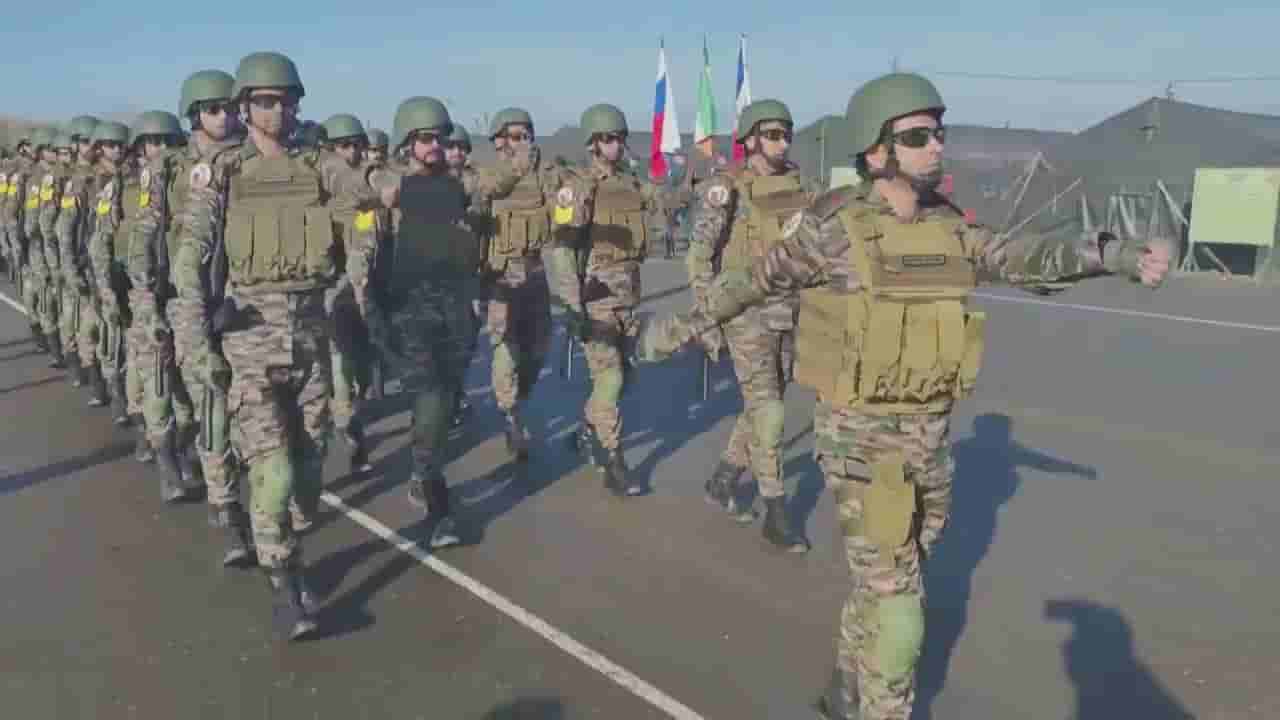
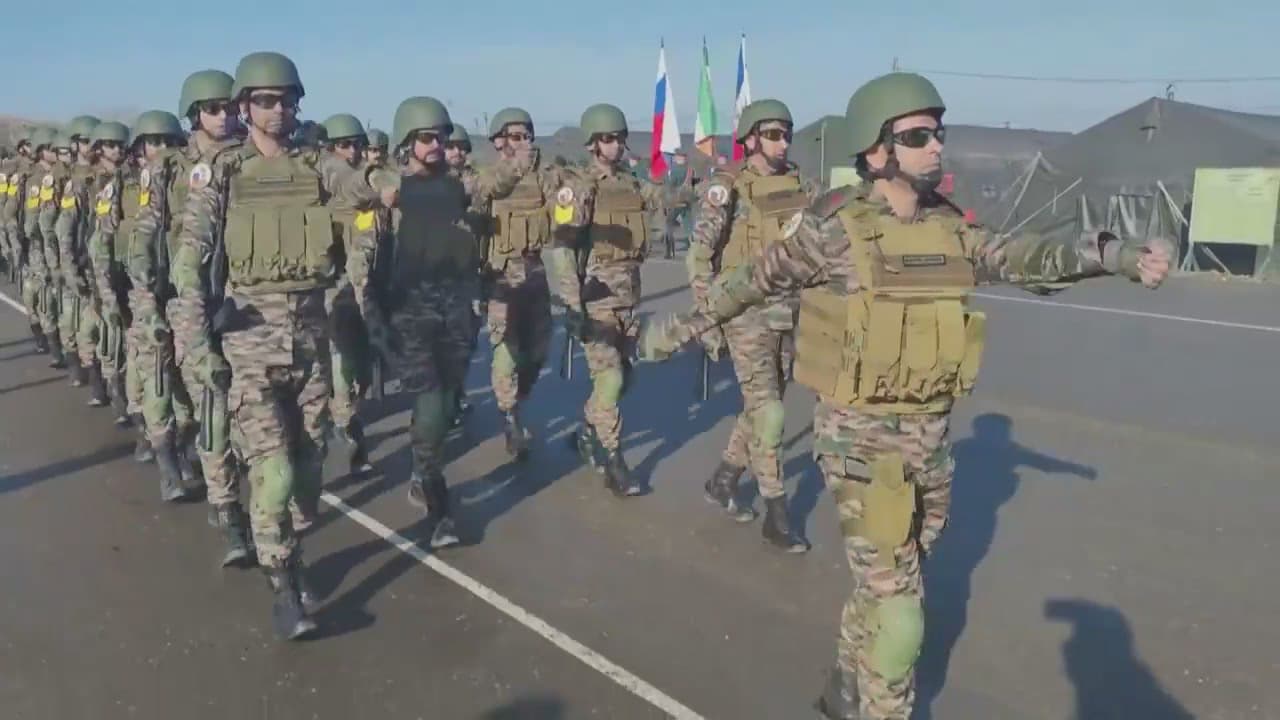
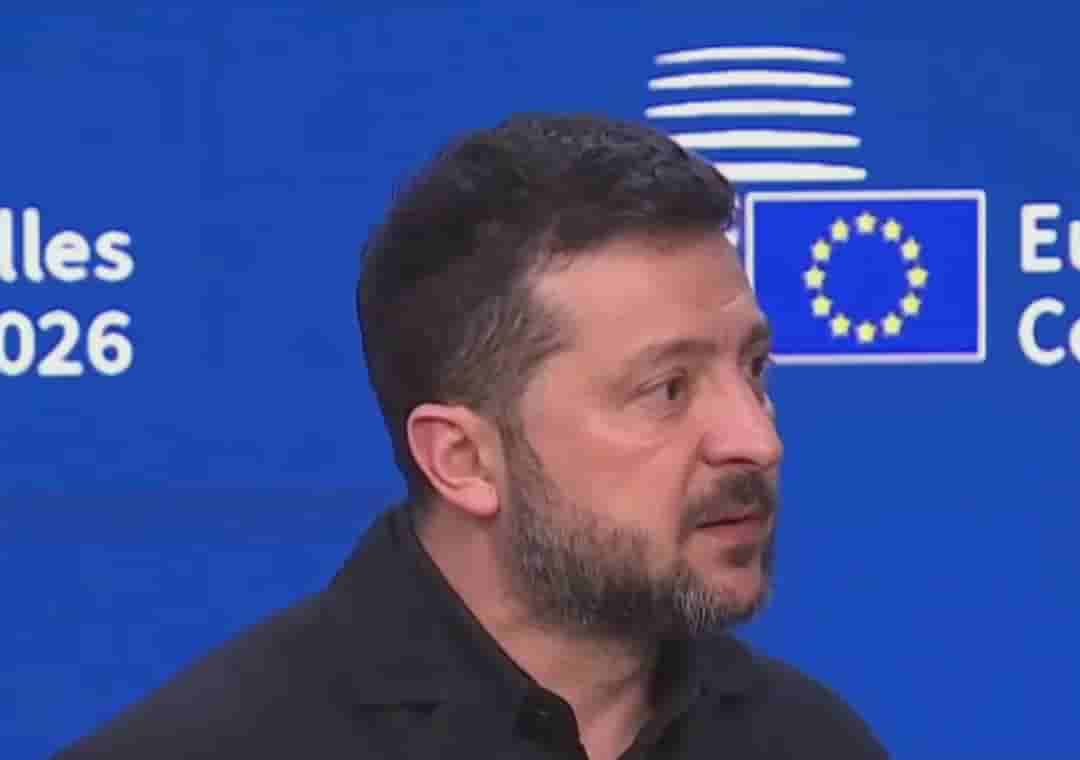
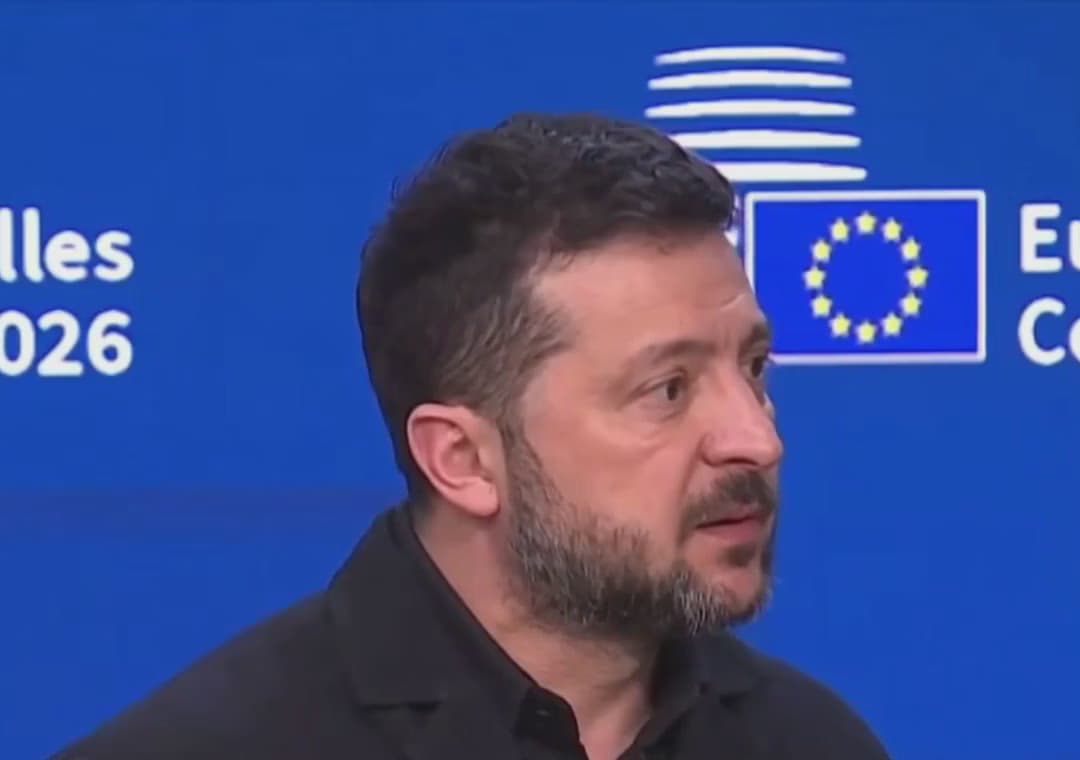
Türkiye’s position on the Russia-Ukraine war has remained unchanged for over four years. The İstanbul talks, the Black Sea Grain Initiative and prisoner exchanges are tangible outcomes of our ability to engage with both sides. Türkiye is a strong NATO Ally. At the same time, we are able to maintain direct contact with both President Putin and the Ukrainian leadership. I see no contradiction in this. To mediate, you need to be able to talk to both sides of a conflict. During my most recent meeting with President Putin in Bishkek, I also made it clear that Türkiye stands ready to do its part to help achieve peace.
One of the issues to which we attach particular importance today is security in the Black Sea. We continue to engage with the parties to ensure that civilian shipping, trade routes, and energy infrastructure remain outside the war. I believe there is a need for a mechanism that will permanently ensure the security of commercial maritime transport in the Black Sea. As the war continues, its humanitarian, economic and political costs continue to grow. Once the necessary political will is demonstrated, Türkiye stands ready to contribute to bringing the parties back to the negotiating table and paving the way for peace.
“We do not believe it is right to impose on Türkiye a choice between ‘the West or the East’”
As geopolitical trends shift, we are witnessing the dawn of an increasingly multipolar world with new power centres. How do you plan to steer Türkiye through this emerging era, navigate ties between Western and Eastern powers, including China, and ensure a stable and influential role for your nation in the region and beyond?
We do not believe it is right to impose on Türkiye a choice between “the West or the East.” Last July, we hosted the NATO Summit in Ankara. As we consolidate our strong position within NATO, we are deepening our cooperation within the Organisation of Turkic States and taking an active role in the Organisation of Islamic Cooperation. We are also advancing our relations with the Shanghai Cooperation Organisation, of which we are a Dialogue Partner, and enhancing our role in the G20, D-8, and other multilateral platforms. Most recently, we have elevated our cooperation with ASEAN to the level of a “Dialogue Partnership”.
In addition, we are further developing our relations with other countries through new cooperation mechanisms based on regional ownership, while promoting stability and prosperity in our region and strengthening our collective security and deterrence capacity. Similarly, the Mecca Joint Defence Agreement represents one of the most recent and notable examples of this vision that we are implementing in collaboration with the countries of the region.
We want to develop trade, investments and connectivity with China. In this regard, Türkiye attaches importance to the Trans-Caspian East-West Middle Corridor, which connects Asia and Europe, playing a greater role in global logistics and trade, and supports initiatives such as TRIPP that both offer a strategic vision for the region and further strengthen the Middle Corridor. At the same time, we are working with Iraq to implement the Development Road Project, which will connect the Persian Gulf to Türkiye and, through Türkiye, to Europe, while also putting forward a new vision for rail and road connectivity with Syria, Jordan and Saudi Arabia.
Türkiye’s unique position between East and West naturally calls for a multidimensional and multifaceted foreign policy. We pursue our national interests, regional stability and global peace in tandem. While preserving our long-standing alliances, we forge new partnerships and, when necessary, bring different centres of power together around the same table. Türkiye’s course is clear: to continue steadfastly along this path as a strong country that acts on its own will, reinforces stability in its region, and has both a voice and a sense of responsibility in global affairs.
Featured Listings
Sponsored
Similar Interviews


President Erdoğan to Asharq Al-Awsat: the Mecca pact, Hormuz, Saudi Arabia, Lebanon and Syria
Гассан Шарбель (Asharq Al-Awsat)
- 9/29/2026


Vice President Cevdet Yılmaz to CNN Türk: the Mecca pact, KAAN, Terror-Free Türkiye and EU visa liberalisation
CNN Türk
- 9/30/2026


President Erdoğan to Al Jazeera: the Mecca pact, Hormuz, Syria, Gaza and the F-35s
Al Jazeera Arabic
- 9/30/2026
Featured News


Job Listings
Stay Updated with RuskiGazeta
Subscribe to be informed about special news, developments and announcements. We will keep you informed.
By signing up, you agree to our Privacy Policy











