- BIST10011,722-2.89%
- USD49.45+0.05%
- EUR55.62+0.37%
- GOLD4,181.10+0.26%
- INTEREST37.00%-1.00
- BITCOIN81,472-0.04%
- October 17, 202612°
- BIST10011,722-2.89%
- USD49.45+0.05%
- EUR55.62+0.37%
- GOLD4,181.10+0.26%
- INTEREST37.00%-1.00
- BITCOIN81,472-0.04%
- October 17, 202612°




UK, US and Turkey: New security dynamics in the Middle East and Europe
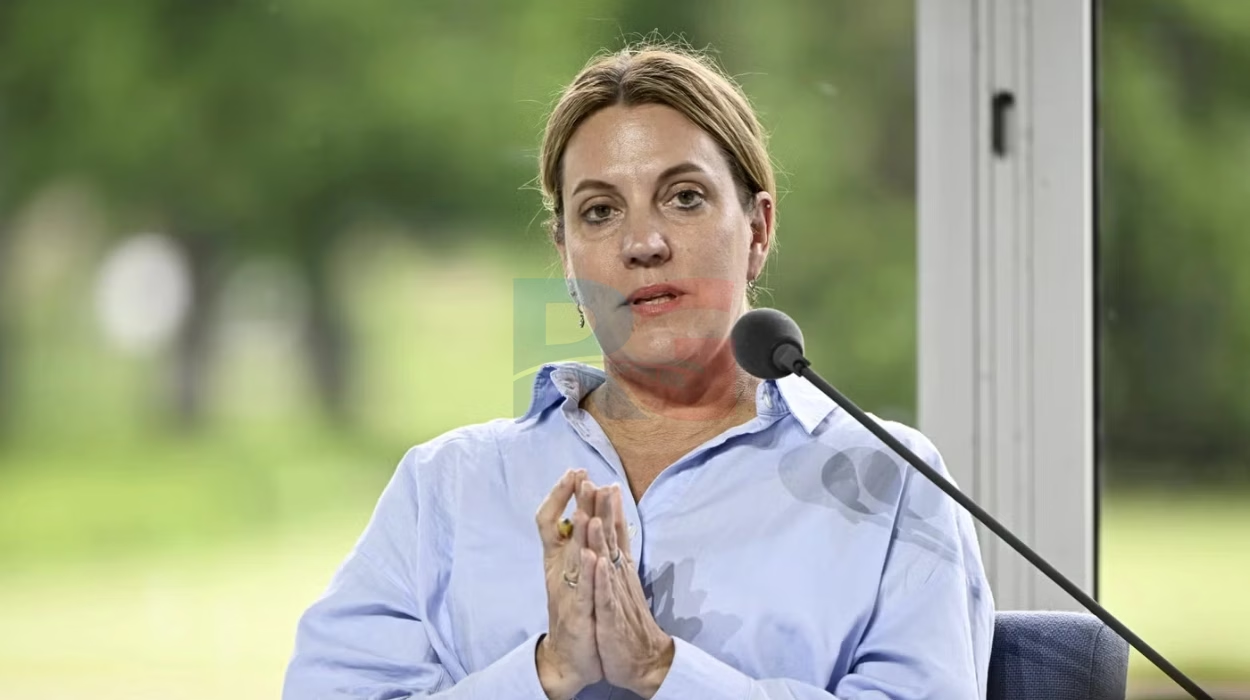
RUSI Director Rachel Ellehuus discusses the UK's evolving defense posture, its strategic position between the US and EU, and Turkey's pivotal role in shaping European security and regional cooperation.
How is the United Kingdom approaching the deeper integration of European defence, including a potential joint European army, given that Prime Minister Keir Starmer has expressed support for establishing a defence pact with the European Union?
Prime Minister Starmer's leadership on Ukraine and his efforts to forge closer ties with continental Europe have genuinely surprised me in a positive way. There is a shared understanding, both on the European continent and within the United Kingdom, that meaningful European defence — or a strong relationship with Ukraine — cannot be achieved without England. When Starmer speaks of a defence pact with Europe, I believe he is referring to a broad framework that encompasses not only the coordination of aid to Ukraine, but also deeper integration of military forces and capabilities with European armies, as well as defence industry cooperation.
Looking at the UK's defence industry, one can see that it maintains close ties with American companies, while also having very tight and integrated partnerships with defence firms on the continental European side. Take a capability like the A400M transport aircraft, which uses a Rolls-Royce engine — this illustrates the many interdependencies and cooperative partnerships that exist on the industrial side. The vision in Prime Minister Starmer's mind is precisely this combination of intellectual leadership capability and industrial cooperation.
How is the United Kingdom managing the strategic balance between the US and the European Union at a time of escalating transatlantic trade tensions and increasing risk of the US imposing new tariffs on European countries?
I hope someone is telling US President Donald Trump that the tariffs applied to Europe and the United Kingdom are increasing the cost of US-origin defence equipment for these countries and making it less accessible. This runs counter to our own strategic objective of both encouraging Europeans to increase defence spending and ensuring they remain closely integrated with the American defence industry by maintaining close ties with the US. So I hope this approach changes, because these tariffs will significantly reduce the effectiveness of defence spending conducted in euros or sterling.
How is the United Kingdom responding to regional developments in the Middle East, including Israel's ongoing attacks on Gaza and events in Syria? To what extent are these responses aligned with the US's strategic priorities in the region?
In my observation, the responses of European countries to developments in the Middle East largely reflect their own foreign policy visions, though to some extent they also mirror their domestic political balances. For example, countries with close ties to Israel tend to use more measured language in their criticism; countries with a significant Palestinian-origin population may approach the Palestinian cause with greater understanding and support. The United Kingdom sits in between these two positions. While it maintains close ties with Israel, the Labour government has adopted a highly critical stance toward human rights violations in the region and, alongside some European leaders including former Israeli Prime Minister Ehud Olmert, publicly criticises the war crimes allegedly committed by Israel. Despite its close relationship with Israel, the United Kingdom has developed a strong moral discourse. The Labour government firmly believes that certain fundamental humanitarian principles and norms have been violated and does not hesitate to say so.
On Syria, I believe the UK government sees an opportunity for Syria's re-normalisation and for the country to reclaim its independent standing in the region. They supported the Trump administration's decision to lift sanctions, and will most likely take a similar step themselves. In this context, it can be said that the United Kingdom is largely aligned with the US on the Syrian issue, but partially diverges from the American position on the Israel-Gaza issue.
On 20 May, the United Kingdom suspended trade agreement negotiations with Israel, summoned the Israeli Ambassador to London to the Foreign Office, and announced new sanctions against settlers in the West Bank. In light of these developments, how is the United Kingdom balancing its diplomatic relations with Israel and Middle Eastern countries against its commitment to international law and human rights?
Yes, the key issue to focus on is respect for democracy and human rights — and that is precisely what the United Kingdom is prioritising. On the one hand, they support Israel's right to exist as an independent state, but they want this support to align with a vision of an Israel that is committed to democratic values and respectful of human rights. The sanctions you mentioned are a reflection of the conviction that Israel's current direction is heading the wrong way. Through these sanctions, the United Kingdom aims to send Israel a clear message that this course of action and attitude are unacceptable, and to encourage a change in behaviour.
The United Kingdom regards Turkey as one of its most important partners in the region and views Turkey's assumption of a leading role in Syria's reconciliation and reconstruction process as a constructive and positive development. At the same time, London also supports Turkey's role in shaping Syria's future strategic direction and contributing to a more cohesive structure in the Middle East amid all these changing conditions. I believe that the long-standing, close and stable relationship with Turkey is an important asset for the United Kingdom. The two countries can develop genuine cooperation in understanding the region, listening to the voices of regional peoples, and producing solutions that are not externally imposed but rather reflect the perspectives of Turkey, Jordan, and other regional countries.
We are living through a period in which the understanding of security is being redefined both in Europe and in the Middle East. In this changing security environment, how can Turkey contribute to shaping a new vision for European security? Likewise, what frameworks or mechanisms could serve as the basis for advancing Europe-Turkey cooperation in the Middle East?
Turkey is one of NATO's strongest allies, particularly in terms of the size and operational capacity of its land forces. Its position on the eastern flank of the Alliance gives Turkey strategic importance both in terms of military access and the basing facilities it provides to NATO. The Turkish defence industry has played a decisive role in the supply of ammunition to Ukraine. From the US perspective, Turkey was the only country with the capability and production capacity to manufacture the 155 mm artillery ammunition that Ukraine needed. Recognising this, the US cooperated with the Turkish defence industry and significantly expanded the supply chain for this ammunition. In this context, it is clear that the contribution Turkey provides has tangible and strategic value.
I do not believe that a realistic and effective European defence can be built without countries that are not members of the European Union. Looking at NATO, approximately 80 percent of the alliance's total defence spending and military capacity is provided by non-EU member states. The US, Canada, the United Kingdom, Norway, and Turkey carry the lion's share of this burden in terms of both resources and capabilities. If we are truly talking about sustaining support for Ukraine and rebuilding Europe's defence capacity, Turkey must be at the centre of this process. I would prefer this cooperation to be conducted under the NATO umbrella, as NATO possesses critical institutional mechanisms that need to be utilised in areas such as command-control planning, capability development, and command structure.
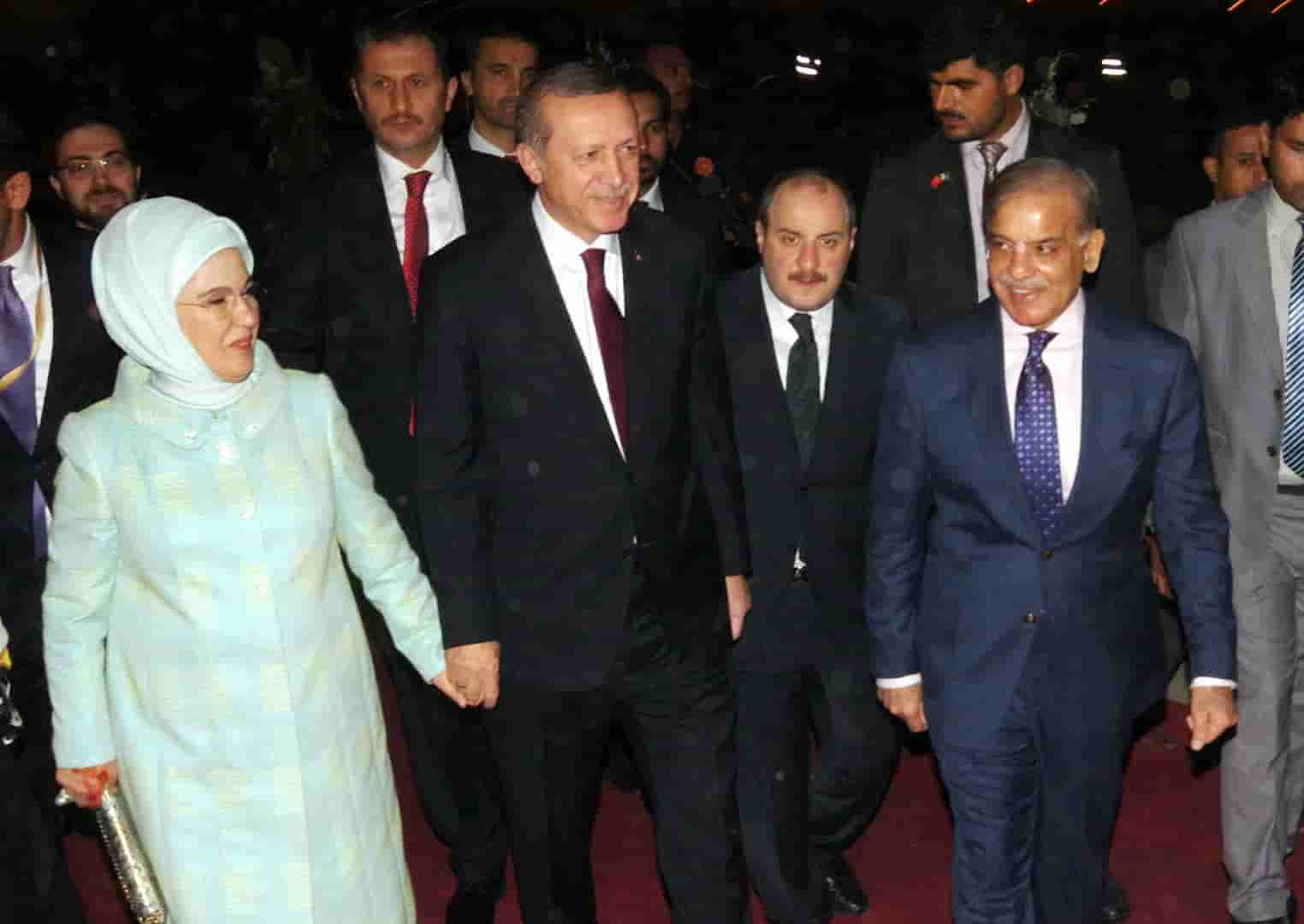
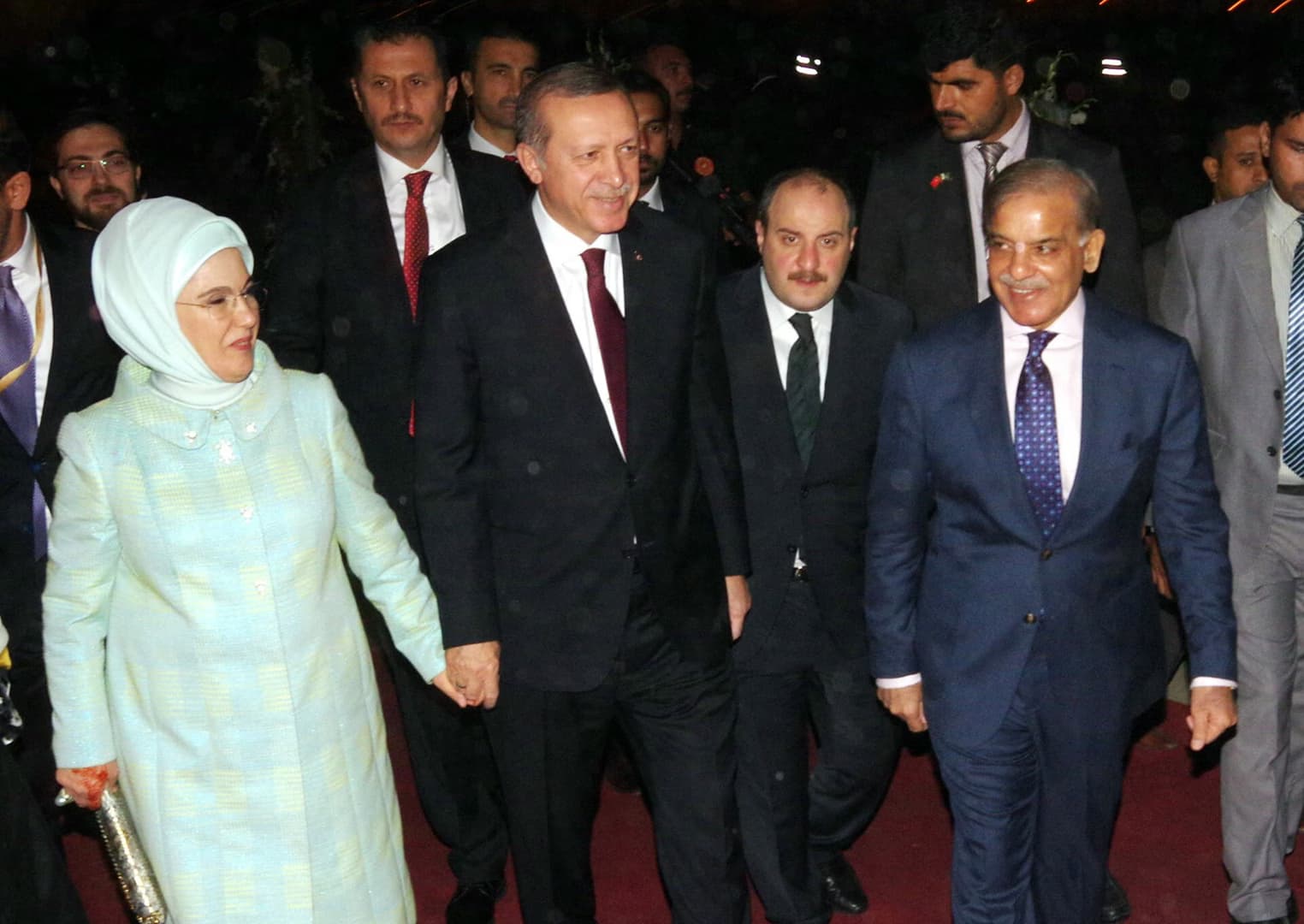
However, due to certain challenges within NATO, disagreements among allies, and obstacles limiting NATO-EU cooperation, we may sometimes need to advance this strategic partnership with Turkey outside of NATO, together with "like-minded" countries. The ideas and models developed in this way can subsequently be integrated into the European Union or NATO. In this context, I anticipate that the European Union will be able to work closely again with the United Kingdom and Norway. Indeed, during the first term of the Trump administration, at a time when questions were growing about the US's commitment to Ukraine, President Recep Tayyip Erdoğan's appearance alongside Prime Minister Starmer and the Norwegian Prime Minister in London to present a united front on European security and support for Ukraine was an extremely powerful message. I believe that such smaller, regional cooperations have an important role to play in accelerating progress within larger international structures.
Featured Listings
Sponsored
Similar Interviews


TEKNOFEST Chairman Selçuk Bayraktar in Şanlıurfa: record attendance, Kızılelma and reverse brain drain
Журналисты на TEKNOFEST «Юго-Восток», Шанлыурфа
- 10/5/2026


Vice President Cevdet Yılmaz to CNN Türk: the Mecca pact, KAAN, Terror-Free Türkiye and EU visa liberalisation
CNN Türk
- 9/30/2026


Energy Minister Bayraktar to TRT Haber: Kirkuk, Sakarya gas, Gabar, Akkuyu and Hormuz
TRT Haber
- 9/30/2026
Featured News


Job Listings
Stay Updated with RuskiGazeta
Subscribe to be informed about special news, developments and announcements. We will keep you informed.
By signing up, you agree to our Privacy Policy











