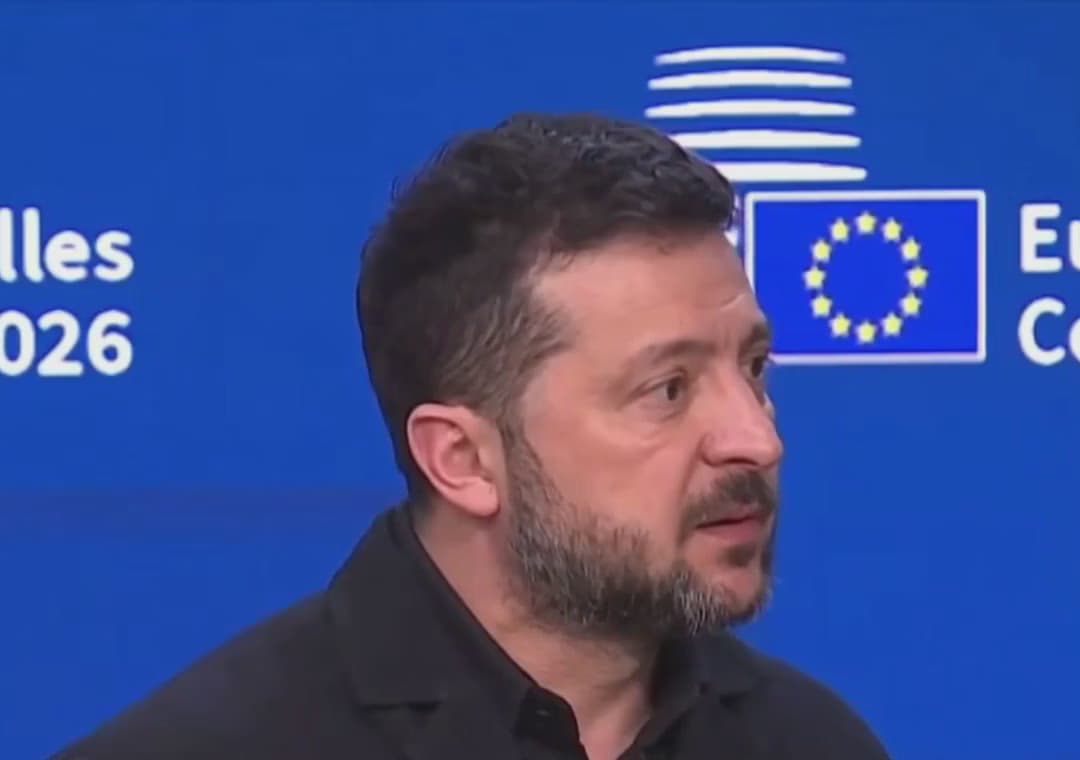
Ukrainian President Volodymyr Zelenskyy said Ukraine would respond to Russia’s attacks on energy infrastructure by targeting oil facilities that contribute to the financing of the war. Zelenskyy said civilians and civilian infrastructure would not be targeted, arguing that Moscow was preparing broader air attacks ahead of winter.
Alleged change in Moscow’s attack policy
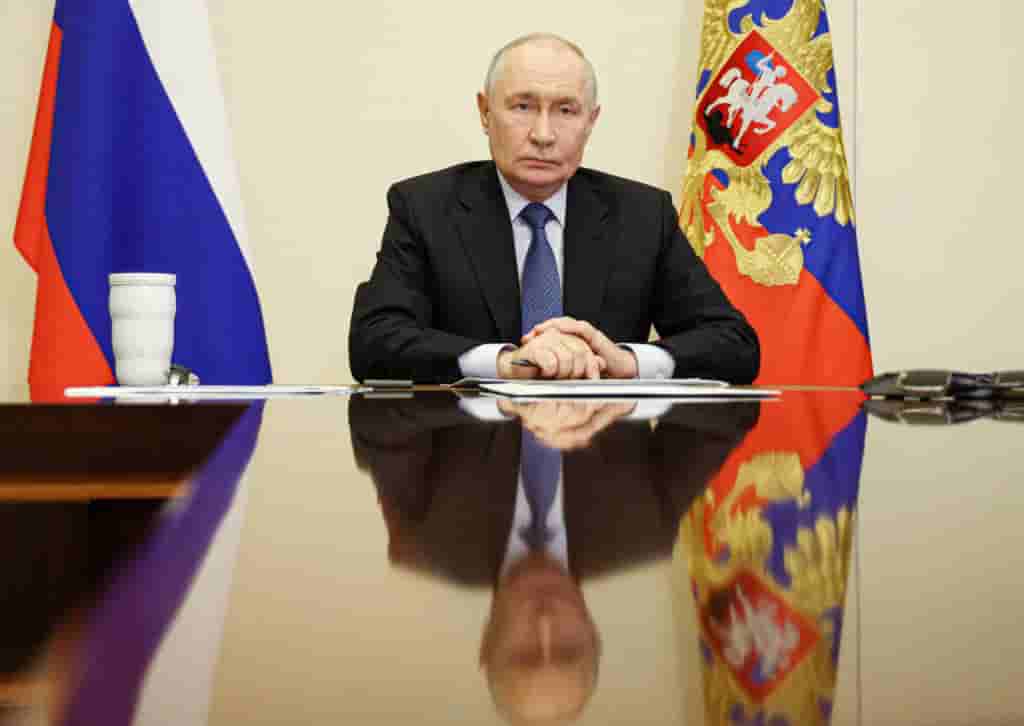
Zelenskyy said Ukrainian intelligence had obtained documents concerning a new attack doctrine that he claimed had been issued by Russian President Vladimir Putin. Zelenskyy argued that the policy authorized strikes against a broader list of targets, including infrastructure, logistics routes, roads, schools and hospitals, and said the aim was to force people to leave the capital Kyiv and other cities.
Zelenskyy claimed that the policy change stemmed from Putin’s desire to appear strong as the Russian army suffered setbacks on a key front and sustained heavier losses. The Kremlin did not comment on the matter.
Russia’s Foreign Ministry called on foreign nationals to leave Kyiv. The ministry said Moscow would continue systematically striking targets in operations it describes as retaliation for Ukraine’s attacks on Russia in recent months. Both sides deny deliberately targeting civilians.
About 140 square kilometers retaken in Donbas
Zelenskyy said a counteroffensive codenamed “Vivaldi” was continuing in the Donbas region of eastern Ukraine and that about 140 square kilometers had been retaken. Russia argues that it must control all of Donbas as a condition for a possible peace agreement.
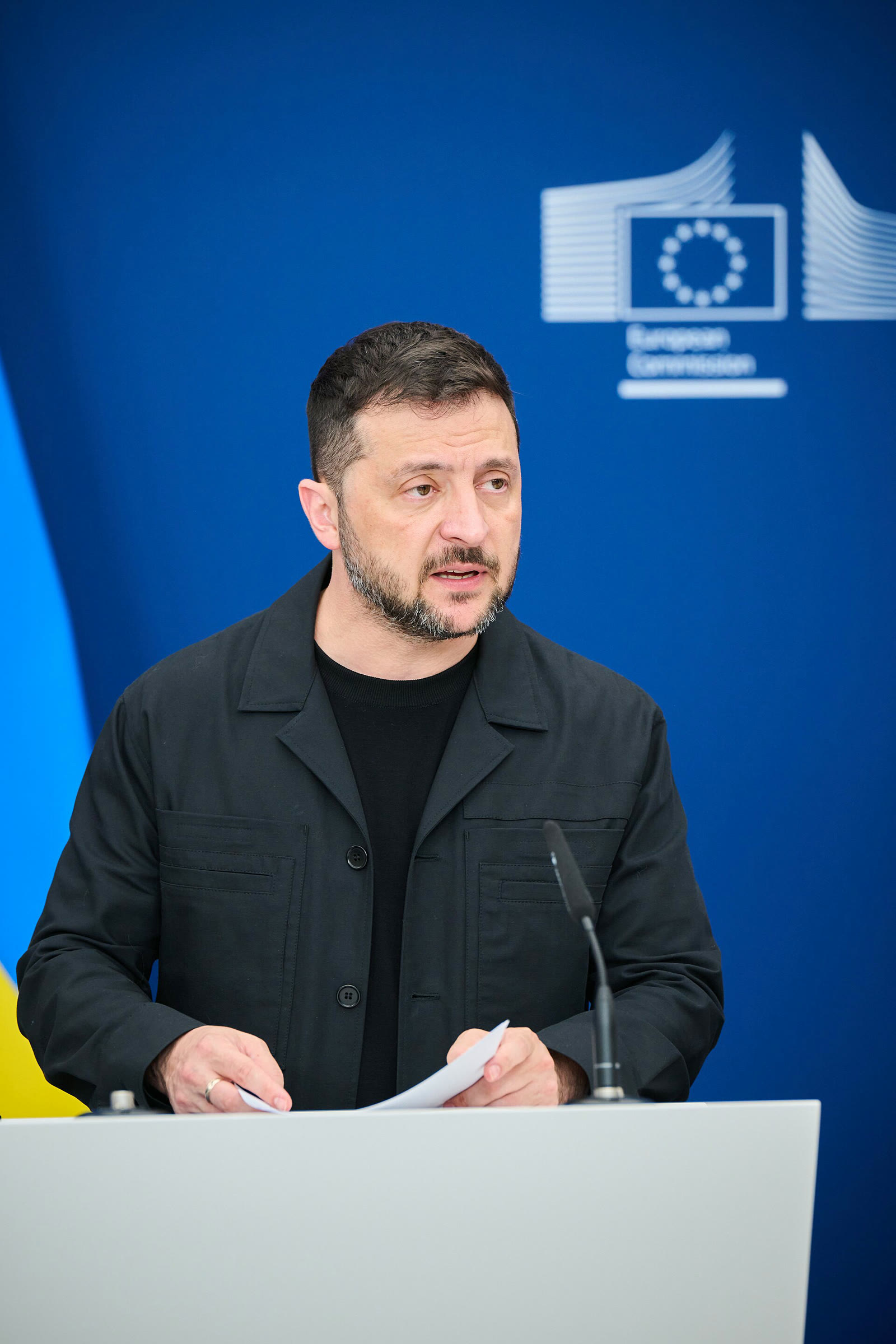
In recent weeks, Kyiv’s energy and telecommunications facilities, as well as road and rail infrastructure, have come under attack from Russian drones and missiles. Zelenskyy said bridges over the Dnipro River connecting eastern and western Kyiv had also been targeted for the first time.
Response to Russian energy infrastructure attacks
Zelenskyy said the U.S. administration had asked Ukraine last month not to attack Russian oil facilities. Referring to the assessment that such attacks had driven up global diesel prices, Zelenskyy said he had received no indication that Russia was interested in stopping its attacks on energy infrastructure or in ceasefire talks.
Zelenskyy said Russian oil refineries would be targeted in response to Moscow’s attacks on energy facilities, stressing that Ukraine would not imitate what it describes as Russia’s attacks on civilian infrastructure. Zelenskyy reiterated that civilian targets would not be struck.
New defenses against Shahed attacks
Ukrainian officials claim that Russia has stockpiled hundreds of ballistic missiles for possible large-scale attacks on electricity and water infrastructure during the winter. They said attacks carried out during the previous winter left electricity and heating services cut off for days in some parts of the country.
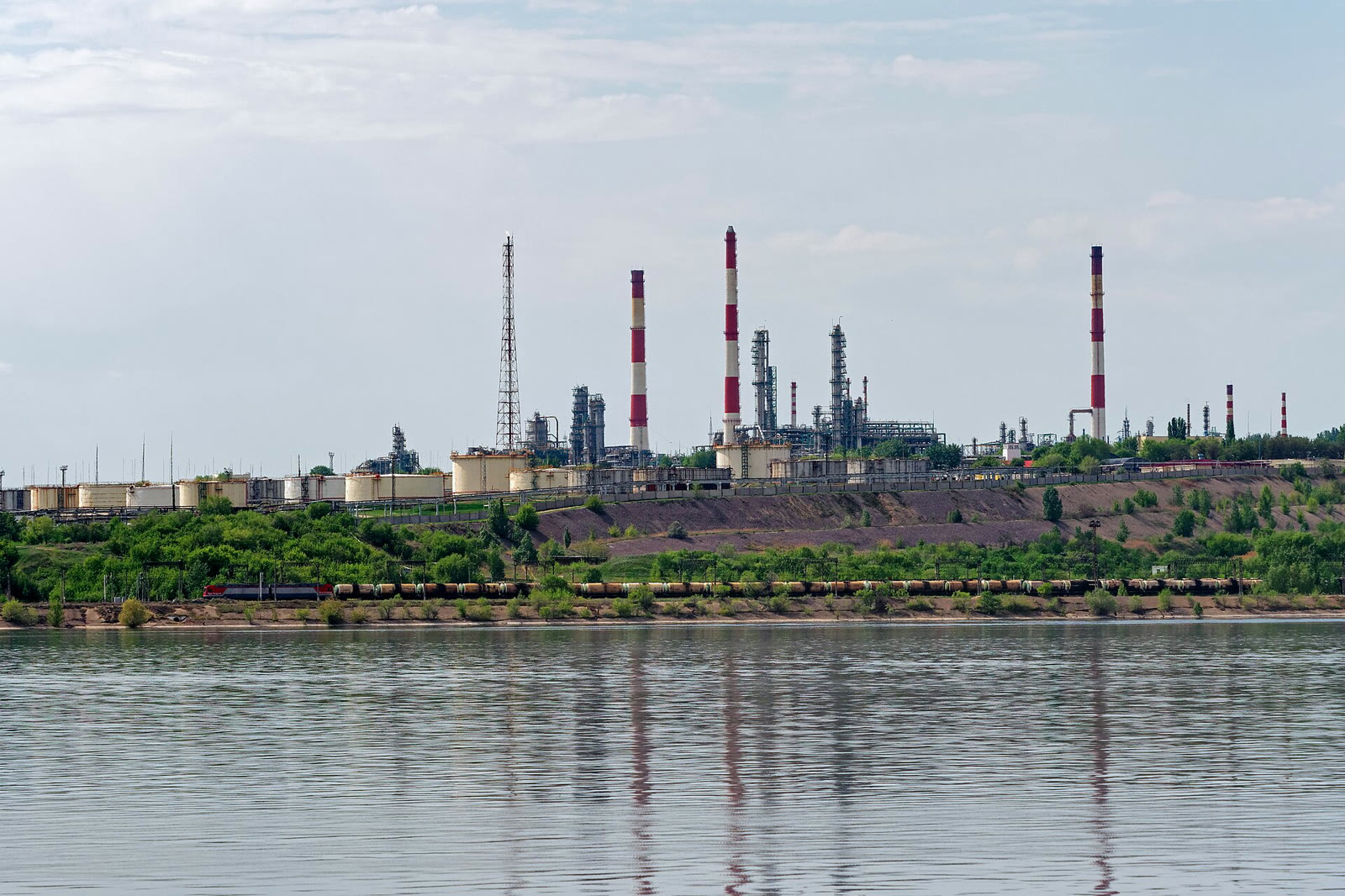
Zelenskyy said Moscow had been launching dozens of jet-powered and relatively low-cost Shahed drones a day since the summer months. Zelenskyy said Ukrainian air defenses were struggling to neutralize the drones and that about 60 percent had been shot down by fighter aircraft, but added that supplies of the 20-millimeter ammunition used by the aircraft were running low.
Zelenskyy said Ukraine was working on new solutions, including increasing its electronic jamming capabilities, and that the country was expected to receive its first shipment of small, low-cost air-defense missiles capable of striking new Shahed models in the second half of October.
Zelenskyy also said five different interceptor drones were being developed to shoot down the new Shahed vehicles. He said two models had achieved a success rate of about 30 percent in testing and that this capability needed to be increased.
FP-7 and FP-9 missile programs
Ukraine said this week that it had used its domestically produced FP-7 ballistic missile in combat for the first time. Zelenskyy said Ukraine was pressuring manufacturer Fire Point to accelerate development of the longer-range FP-9 model, which is said to have a range of about 250 kilometers, and said he expected the FP-9 to be ready in the autumn.
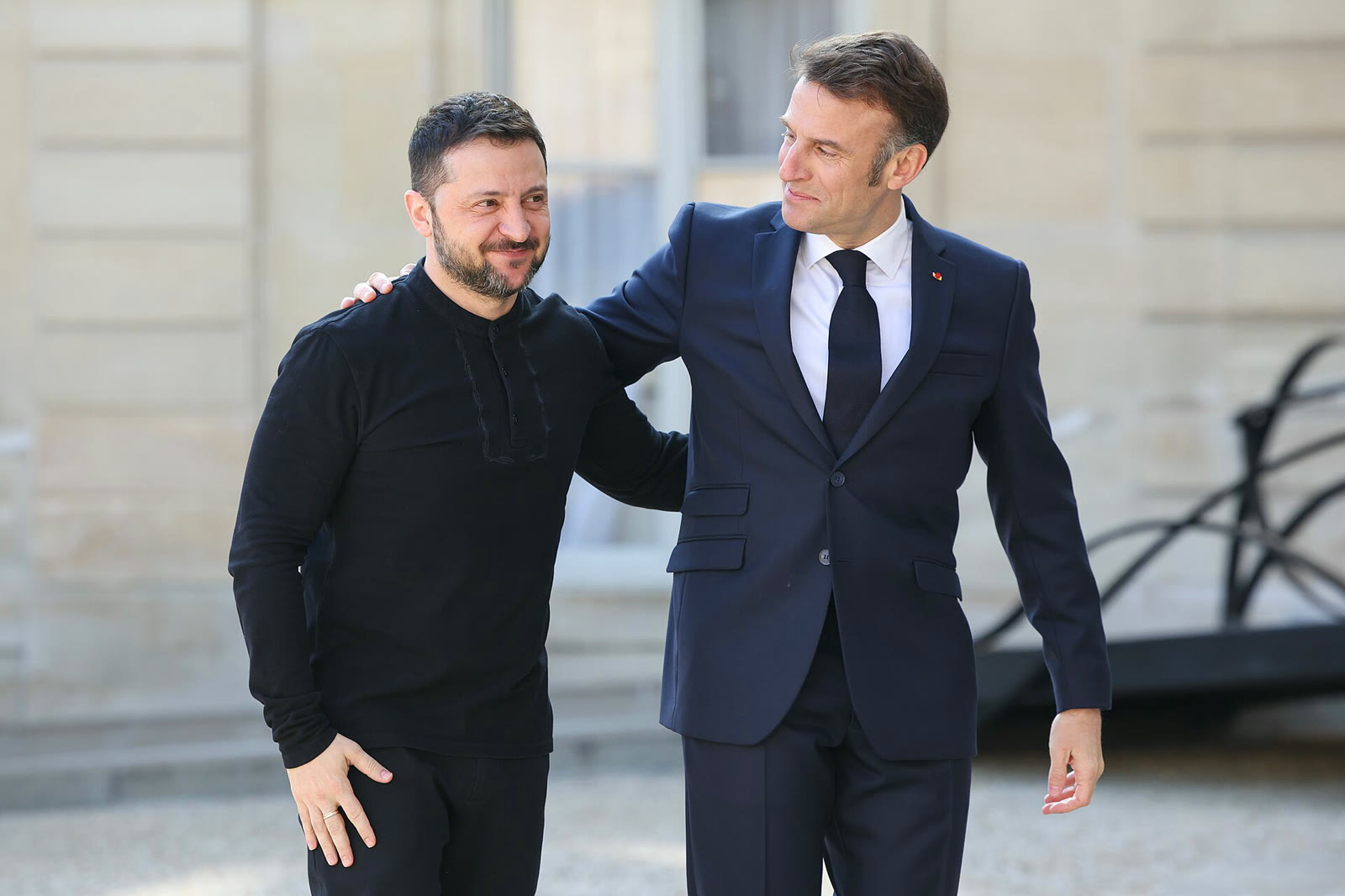
Zelenskyy argued that recent drone incursions and hybrid attacks in Europe were intended to frighten European populations and divide support for Ukraine. Russia describes the accusations as baseless and the result of anti-Russian hysteria.
Peace talks and European funding
After the U.S. administration invited Russian President Putin to the G20 Summit planned for December in Miami and held talks with Russian representatives on trade agreements, Zelenskyy called for relations with Russia not to be normalized until peace had been achieved.
Zelenskyy said he was ready to hold peace talks with Putin at the G20 Summit and said expectations that Russia would end the conflict if it controlled Donbas should not be trusted. Zelenskyy called for the resumption of economic and diplomatic relations between Ukraine and Russia to be conditioned on peace, and said the United States had proposed restarting trilateral talks in the United Arab Emirates, although no definite date or location had been set for meetings at the technical level.
Following talks with European officials in Brussels, Zelenskyy said funding had been secured for the drone orders Ukraine would need at the beginning of 2027. He said a plan was being developed to close the $27 billion gap in this year’s defense budget.
Zelenskyy said the plan included reallocating funds from Ukraine’s own budget, bilateral aid and financing from the portion of the European Union’s €90 billion loan allocated for next year.