Russian Security Council Deputy Chairman Dmitry Medvedev, outlining the conditions put forward by Russia for a political settlement in Ukraine, said Kyiv must accept a neutral, non-nuclear and independent status.
In an interview with Iranian state radio and television on Sunday, October 4, Medvedev said this framework had previously been presented by Russian President Vladimir Putin at a Foreign Ministry meeting. The former Russian president argued that Ukraine should return to the principles set out in its constitution, declaration of sovereignty and other documents in the 1990s.
Russia’s conditions for Ukraine
Medvedev also included abandoning a “nationalist line” and condemning measures aimed at banning the Russian language among the conditions. He listed the transfer of territories in Donbas and some other new regions to Russian jurisdiction as the third condition.
Medvedev said this step could be carried out on the basis of a diplomatic settlement, adding that otherwise the same result would be achieved by military means.
Europe, energy and sanctions
Medvedev argued that European countries’ severing of economic ties with Russia had led to problems including expensive natural gas and fuel, shortages of some essential products and high inflation. He described Europe’s viewing Russia as a threat as an indication that Russia possesses power that must be taken into account.
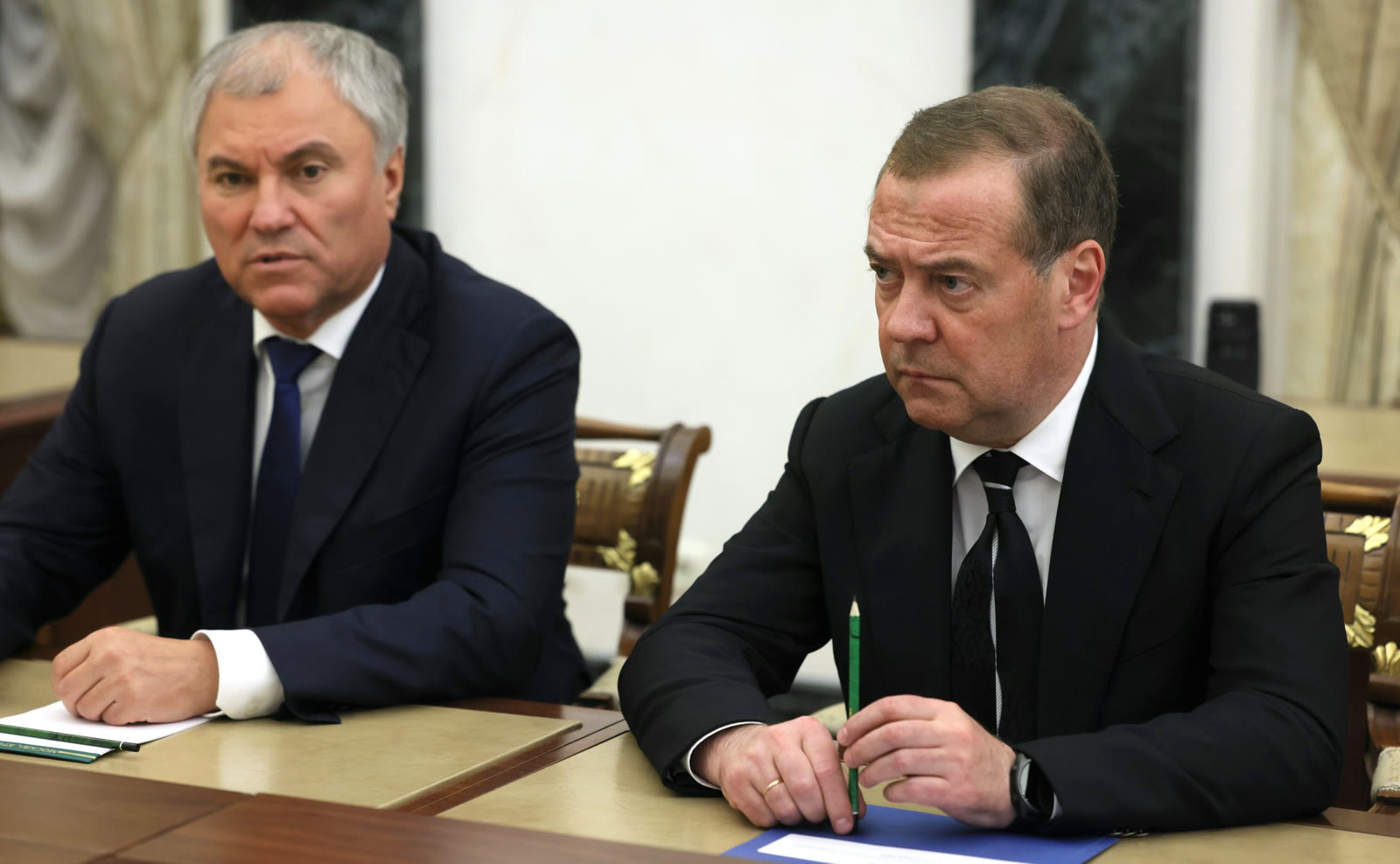
Medvedev said Russia had no special demands from the West beyond calm cooperation and normal dialogue. He claimed that European countries use the “Russian threat” narrative to influence public opinion, win votes in elections and secure funding for military budgets. He argued that Europe itself had disrupted economic relations through its decision to impose sanctions and abandon cooperation.
Medvedev said the number of sanctions imposed on Russia had exceeded 33,000, adding that the sanctions imposed on Iran were at a similar level. He said the two countries should seek forms of cooperation in the financial sector under these conditions, describing the Shanghai Cooperation Organisation members’ shift to mutual payments in national currencies as a response to the sanctions.
Security and multipolarity in the Middle East
Describing the security situation in the Middle East as “extremely poor,” Medvedev linked the deterioration in the region to what he described as aggression carried out by the United States and Israel. He argued that the conflict had led more countries to consider the possibility of acquiring nuclear weapons.
Medvedev said security mechanisms in the Middle East had largely disappeared and that new security arrangements should be established in the future. He claimed that Iran had managed to respond to threats from Washington via the Strait of Hormuz, and said Russia was ready to contribute to the diplomatic process in the region.
Medvedev said the main lesson from developments in the Middle East was that the world was moving toward multipolarity. He argued that the Western countries’ unipolar approach to decision-making and imposition of their own systems on others must end. He called for a world order in which all countries are represented equally and as sovereign states.
Medvedev claimed that the West still bases its relations with other countries on colonial attitudes, saying this should be replaced by a multipolar and “multicolored” world order. He said Russia, along with its partners in the Shanghai Cooperation Organisation and BRICS, was also working toward this goal.
Russia-Iran cooperation
Medvedev said relations between Russia and Iran had reached an unprecedented level, adding that Tehran highly valued Russia’s diplomatic initiatives. He said Russia had taken political steps, including blocking decisions at the United Nations Security Council that could provide a legal basis for attacks against Iran.
Medvedev said the two countries were conducting joint work in the defense sector and that Iranian satellites had been launched by Russia several times recently. He described this as a direct result of cooperation between Russia and Iran, adding that the two countries were also conducting joint work in high technology.
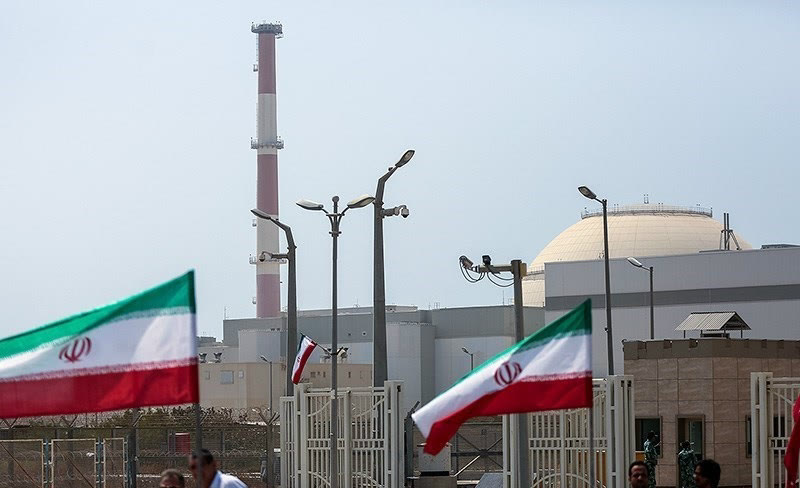
Medvedev listed the Bushehr nuclear power plant, artificial intelligence and other high-technology fields among the areas in which the two countries could contribute to each other. He argued that Russia was among the five leading countries actively conducting research in artificial intelligence.