- BIST10011,843+1.51%
- USD50.26+0.06%
- EUR55.74-0.44%
- GOLD3,876.00-0.24%
- INTEREST36.00%-1.00
- BITCOIN68,843-3.54%
- November 14, 202619°
- BIST10011,843+1.51%
- USD50.26+0.06%
- EUR55.74-0.44%
- GOLD3,876.00-0.24%
- INTEREST36.00%-1.00
- BITCOIN68,843-3.54%
- November 14, 202619°
WHO says climate and health goals require cooperation at COP31
Adham Ismail, acting head of the WHO Regional Office for the Eastern Mediterranean, said in Antalya that governments, NGOs and local communities must join efforts because UN agencies lack resources. He said COP31 could be a starting point.
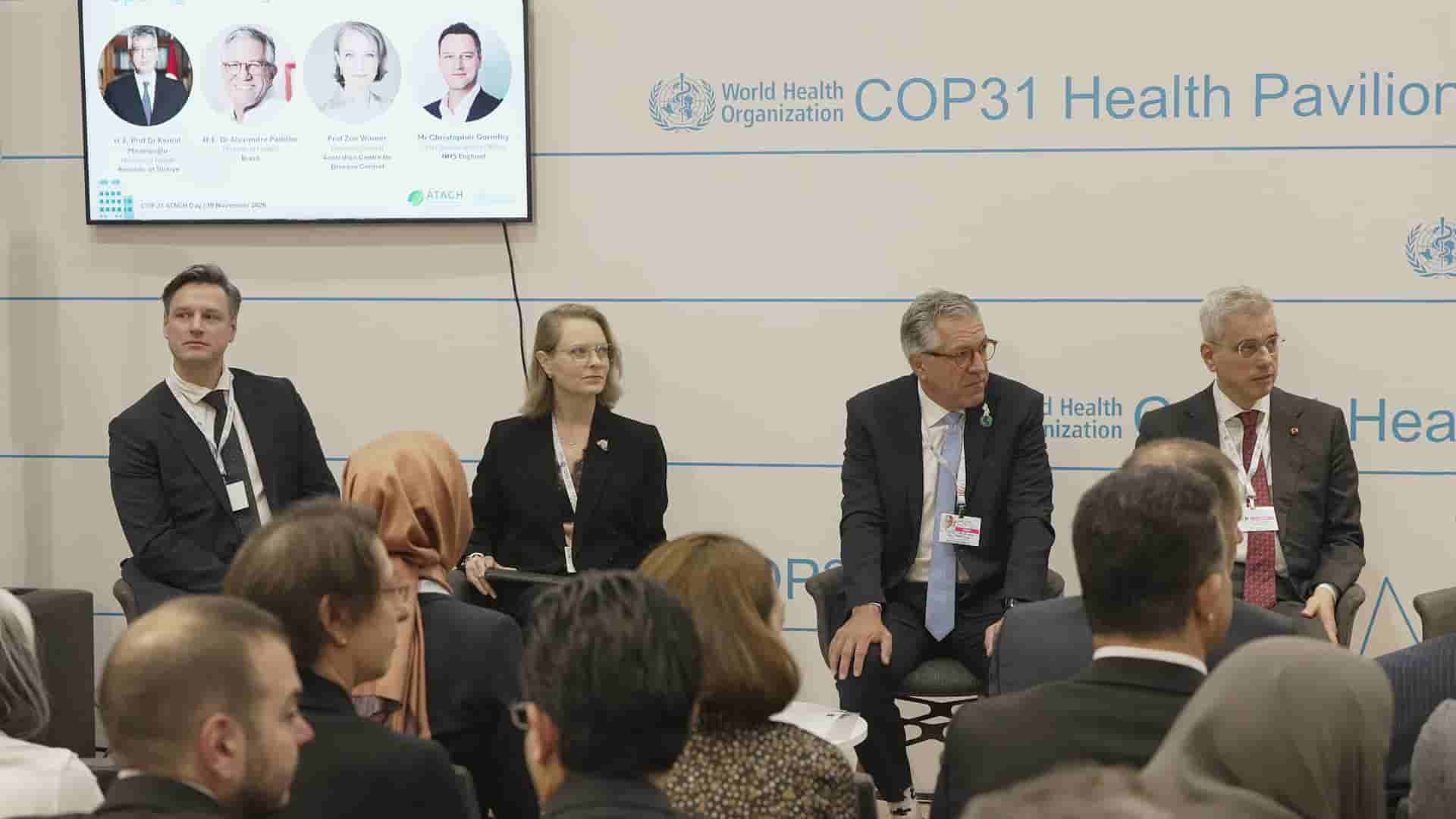
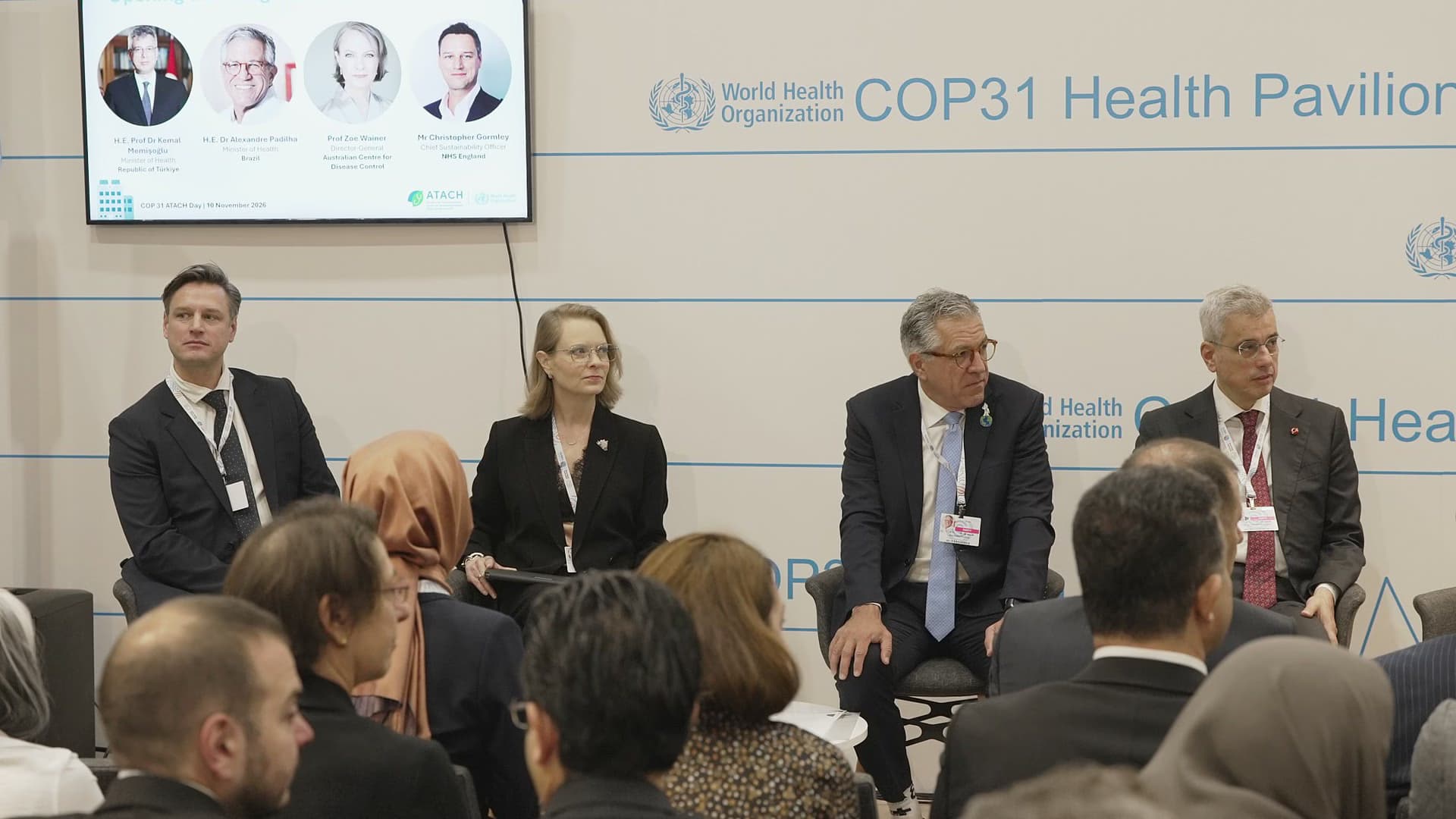
Adham Ismail, director of programme management and acting head of the World Health Organization (WHO) Regional Office for the Eastern Mediterranean, said goals to protect people's health from the effects of climate change would not be achieved without broad cooperation. He made the remarks to Anadolu Agency on the sidelines of the UN climate conference COP31 in Antalya.
Ismail said that, given the lack of resources at UN agencies, governments as well as NGOs, civic initiatives and other UN bodies must join efforts to address the problems. “If we do not act together, it will affect all of us,” he stressed.
Heat, dust storms and the return of diseases
Ismail noted that climate change has become a factor in both infectious and noncommunicable diseases. Changes in heatwave patterns, dust storms and water shortages are altering the region's epidemiological landscape, while diseases once considered eradicated are returning. He added that it is no longer possible to wait for perfect data before taking action.
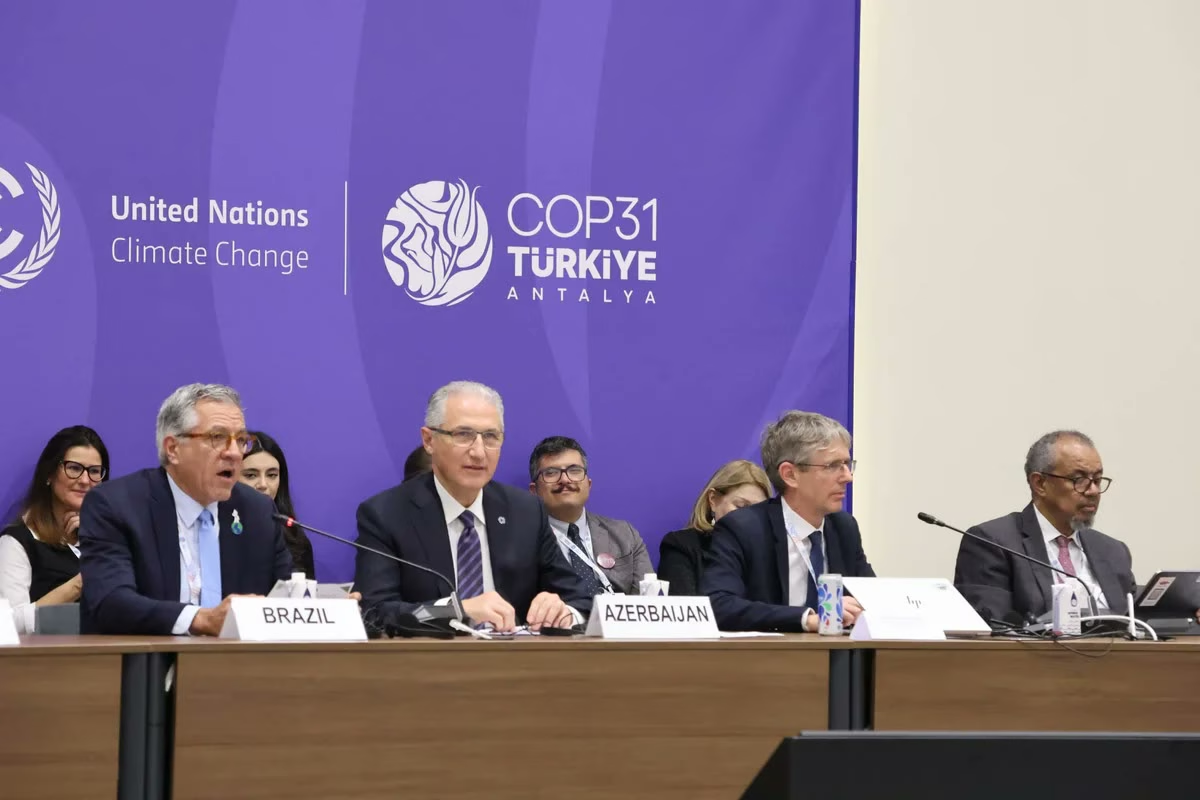
Climate and health have featured prominently at COP31. In the first days of the conference, Azerbaijan, Brazil and WHO held a roundtable under the Baku Coalition of COP Presidencies for Climate and Health, established during Azerbaijan's COP29 presidency. COP29 President Mukhtar Babayev, Brazil's Health Minister Alexandre Padilha and WHO Director-General Tedros Adhanom Ghebreyesus addressed the meeting.
Funding needed for national plans
Ismail highlighted the need for more resilient health systems and more stable financing for national action plans. Jordan, Morocco and Tunisia have already begun moving in this direction, while Somalia and Iraq are next, he said.
The Eastern Mediterranean, where conflicts are ongoing in several countries, is the largest region in terms of forced displacement, Ismail said. Hospitals cannot cope with sudden influxes of migrants and refugees, increasing the strain on already fragile health systems and hindering timely efforts to halt the spread of diseases.
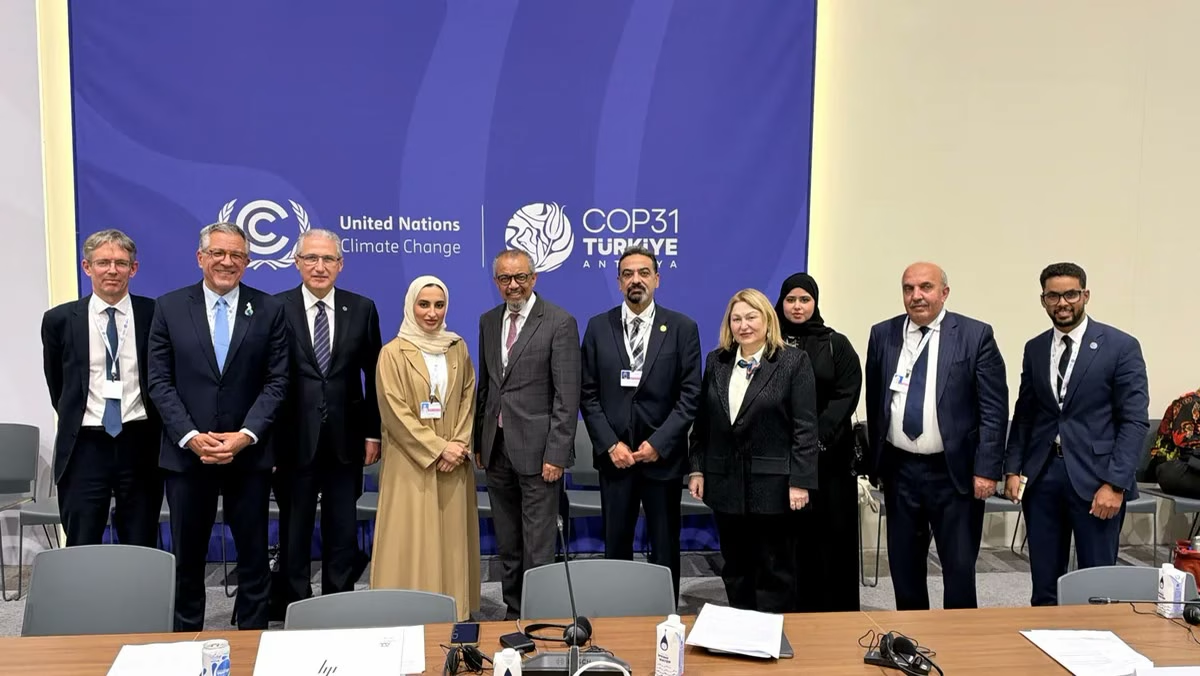
Ismail welcomed the fact that Türkiye has made health part of the climate agenda for the first time since the COP conferences began. During its presidency, Türkiye put forward the Antalya Initiative for Health Resilience (AIR), which WHO will coordinate through the ATACH alliance. “COP31, led by Türkiye, could be a starting point for addressing all these issues,” Ismail said.
Photo: WHO, Report.az
Stay Updated with RuskiGazeta
Subscribe to be informed about special news, developments and announcements. We will keep you informed.
By signing up, you agree to our Privacy Policy