Paraguay's political crisis has hit the markets. Bloomberg data cited by Última Hora showed that by 11:48 a.m. New York time on Thursday, the guarani had fallen 4.68% against the dollar and was trading at 6,487 per dollar. It was the worst performance among all the world's currencies. The national currency had lost 8.17% over five days. The sell-off intensified after President Santiago Peña announced he was leaving office amid the collapse of Ueno Bank.
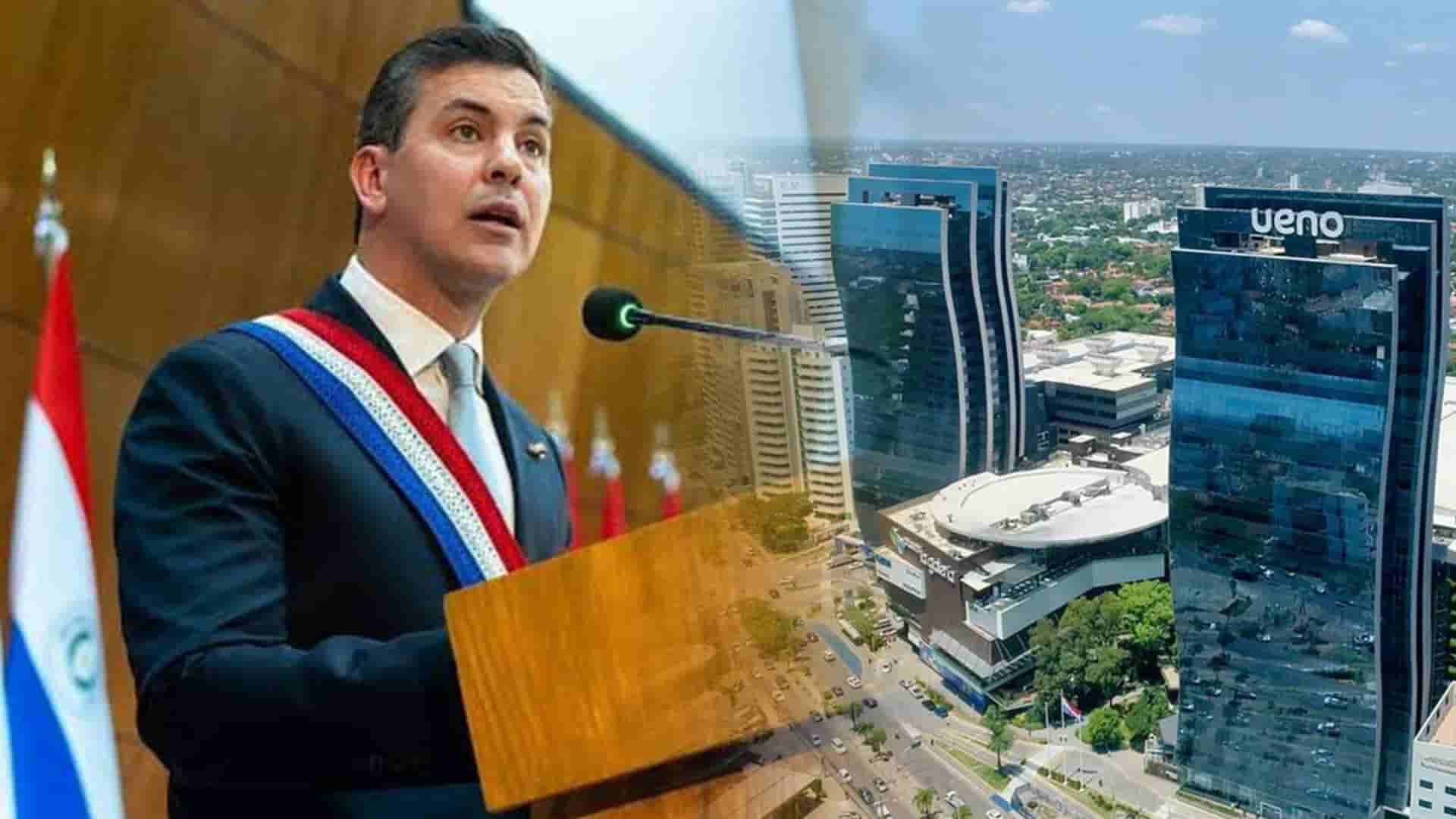
Peña posted a video address on X shortly after 1 p.m. local time, as the Chamber of Deputies was discussing his impeachment. “I have decided to resign from the presidency of the Republic. I am doing so for the stability of our country, social peace and the need to preserve our democratic institutions,” he said.
A bank used by 60% of adults
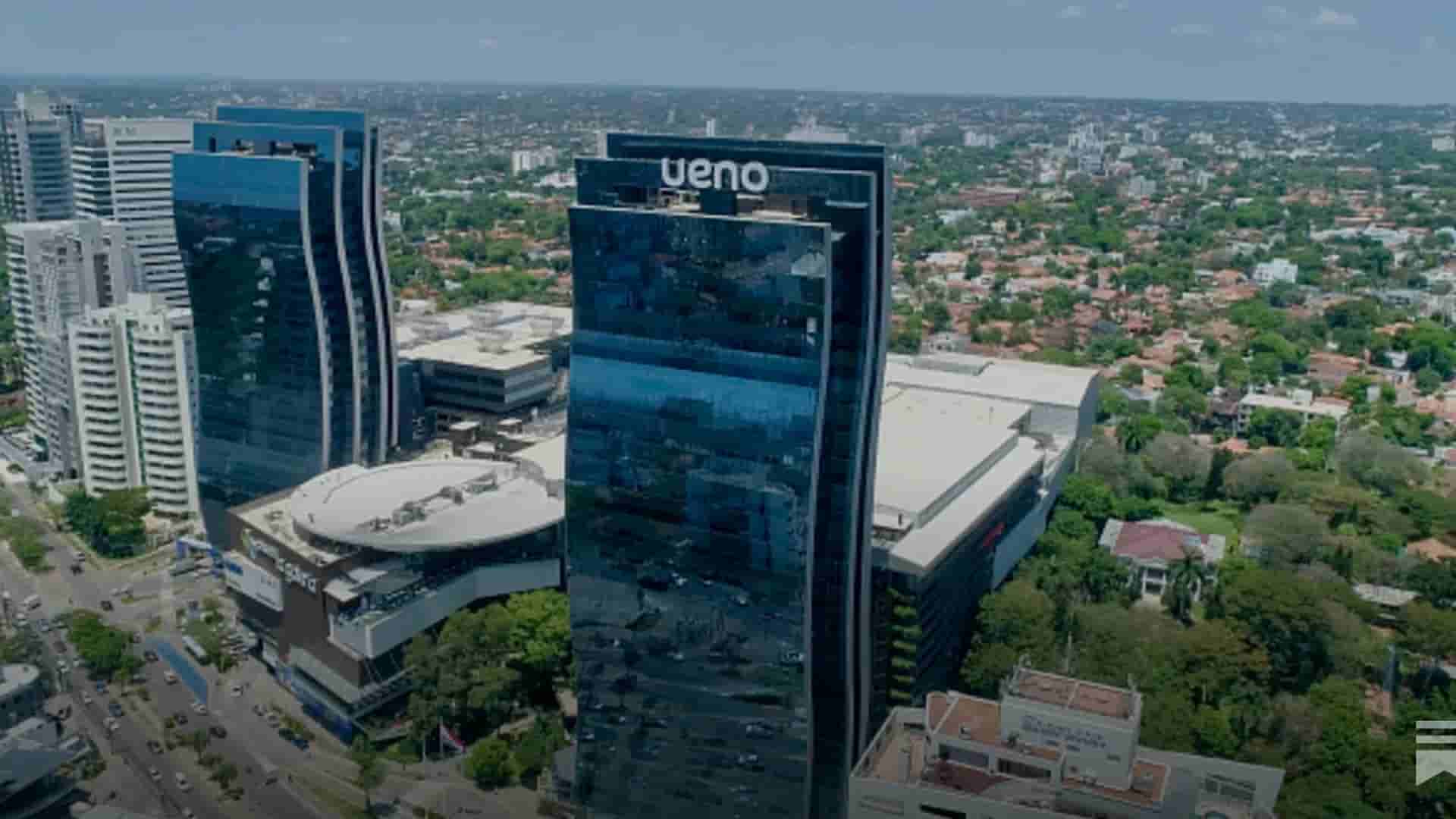
Ueno, a former financial company that received a banking license in 2023, became the country's largest digital bank in less than five years. It had 2.9 million customers in a country of about 6.1 million people, while its deposits reached approximately $2.8 billion, representing more than 9% of the financial system. About $800 million consisted of public funds, including approximately $355 million from the IPS pension fund, or around 9% of its portfolio.
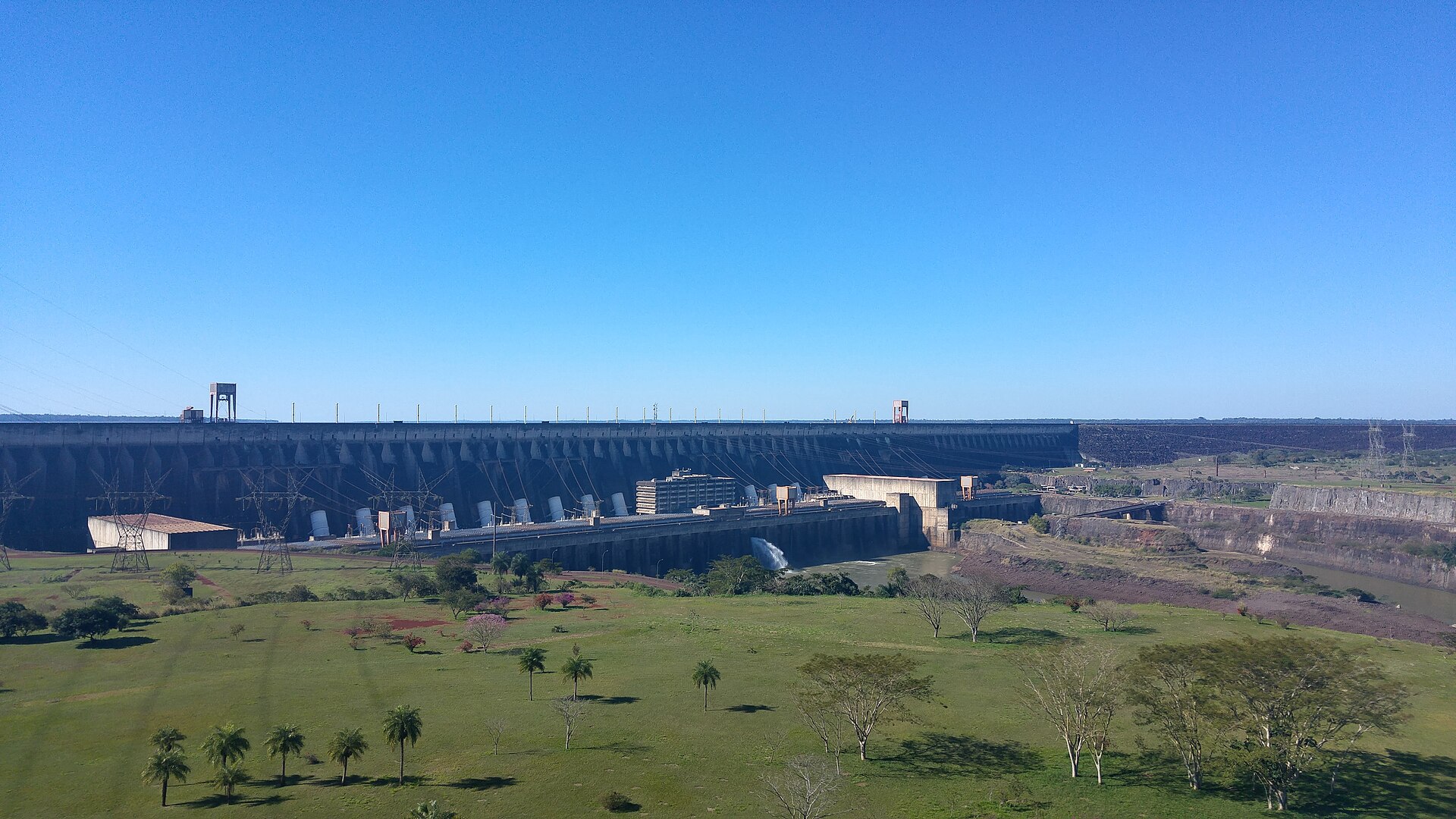
Operators of giant hydroelectric plants also held money at Ueno, including the Paraguay-Brazil Itaipu plant and the Paraguay-Argentina Yacyretá plant. Central bank inspections uncovered risky lending to companies linked to the owners: in September 2025 alone, nearly $39 million was transferred to three such firms in a single day. After its accounts were adjusted, the bank's capital fell below half the legal minimum, and the regulator took control of it on November 3.
“Behind every deposit are years of work”
In this part of his address, recorded at the Mburuvicha Róga presidential residence, Peña spoke about depositors: “Today, my sole priority is the peace of mind of Paraguayans who entrusted their savings to our financial system. Behind every deposit are years of work, sacrifice and family plans.” He added: “My greatest wish is for the return of these funds to be guaranteed, for the Deposit Guarantee Fund to fulfill its purpose and for public funds belonging to all Paraguayans to be protected.” At the end of the excerpt, he recalled that Paraguay “has endured very difficult times and has always known how to rise again.”
Payments have already begun. According to the Paraguayan Banking Association, private banks began transferring advances from the Deposit Guarantee Fund on November 5, with the limit set at 40 minimum wages. About 280,000 people held money only at Ueno, while 7,000 employees were left without pay. Peña did not accept responsibility for the crisis, although local media reported that he was a shareholder in parent company Ueno Holding until 2025.
Investors and politics
JP Morgan kept Paraguay in the “underweight” category in the model portfolio for the EMBIGD index because of the “headwind” from the Ueno case, ABC Color wrote, but retained a “constructive” view of the country's macroeconomy. Paraguay's ratings (Baa3/BBB-/BB+) are on the threshold of investment grade. The Paraguay Post editor Lawrence Blair recalled in Americas Quarterly that the country attracted a record $1.1 billion in foreign direct investment last year. Researcher Julieta Eduvan warned in the same publication that “Paraguay's international standing will suffer seriously.”
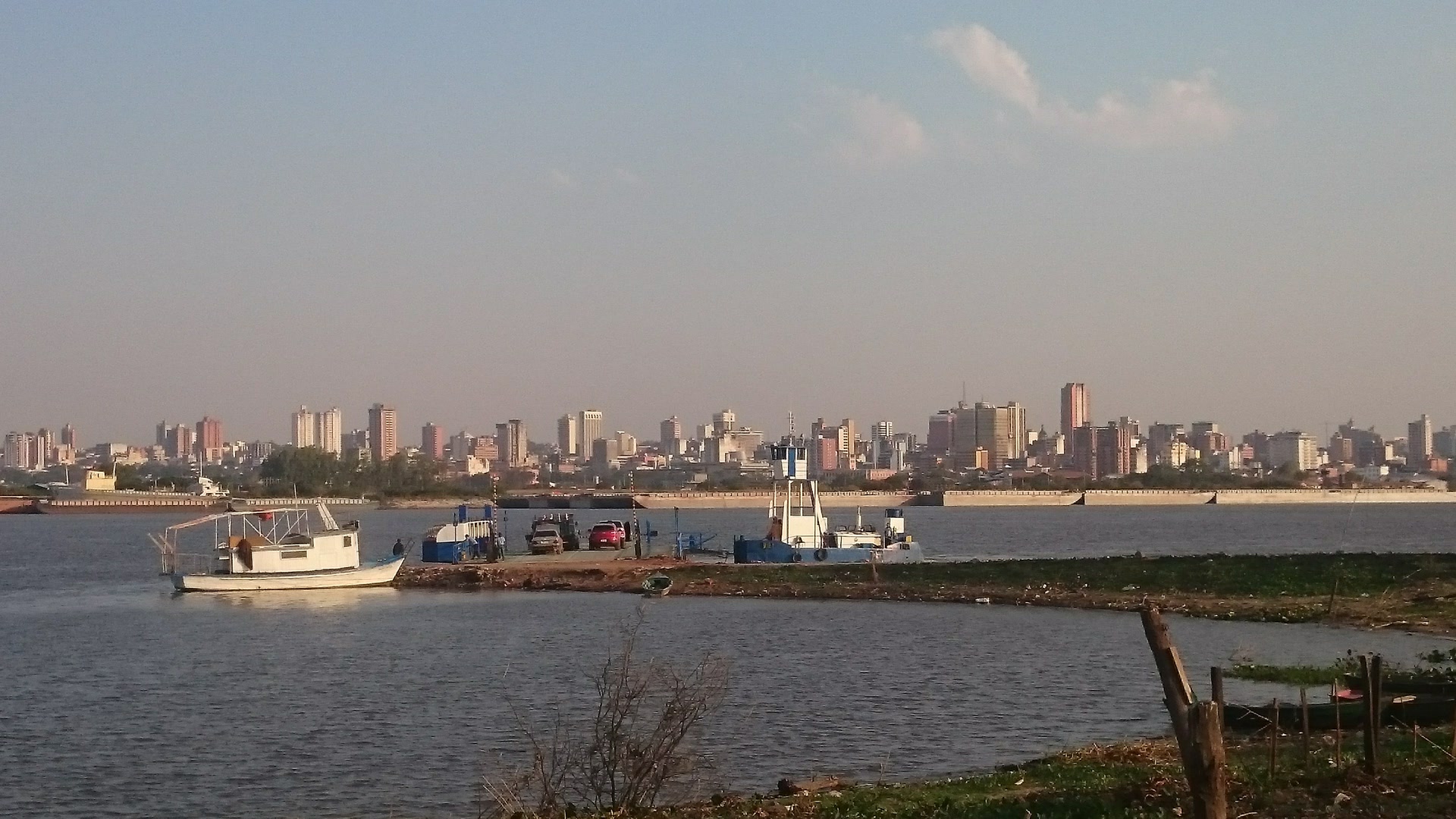
The political outcome has not yet been decided. The Chamber of Deputies unanimously approved the impeachment with 78 votes after the resignation announcement, joined by lawmakers from the ruling Colorado Party, led by former President Horacio Cartes. A joint session of Congress convened to accept the resignation lacked a quorum during the vote: most of the lawmakers who left the chamber belonged to the Colorado Party, Última Hora and Hoy wrote. Vice President Pedro Alliana, who is constitutionally expected to serve out the term until August 2028, had still not taken the oath of office by Thursday evening.
The stakes are high for South America. Paraguay, a member of Mercosur, is one of the largest exporters of soybeans and beef, and its stability has been especially valued by investors from neighboring Brazil.
Video: Santiago Peña / X. Photo: European Commission, Wikimedia Commons